SHOP NOW, PAY LATER









 Informed Sport
 Informed Choice
 NSF Certified for Sport
 HASTA Certified

The short answer
If you've spotted DMHA on an old pre-workout label and wondered whether it's worth chasing, here's the honest version. DMHA is a harsh stimulant with real question marks over its safety, so asking "is DMHA dangerous?" is a fair question to ask before it ever goes near your body. We don't stock it at NZ Supps, and this post walks through exactly why.
No fear-mongering here. Just what DMHA is, why it got popular, and the concerns that made a big chunk of the industry quietly walk away from it.
What DMHA actually is
DMHA goes by a few names depending on the label: octodrine, 2-aminoisoheptane, or 1,5-dimethylhexylamine. It's a synthetic central nervous system stimulant that turned up in pre-workouts and fat burners as a cheaper, legal-adjacent stand-in for DMAA once DMAA started getting pulled off shelves.
It sits in the same broad family as other amine-based stims. The pitch was simple: big energy, sharp focus, and a euphoric kick that made a hard session feel almost effortless.
Why it got popular
Three things sold DMHA to lifters chasing the strongest hit they could find:
- Euphoria. DMHA gives a mood lift and a heady rush that a normal caffeine dose just doesn't. For anyone who'd built a big caffeine tolerance, that was the whole appeal.
- Appetite suppression. It blunts hunger, which is why it kept showing up in fat burners as well as pre-workouts.
- Harsh, driving energy. Less of a smooth clean focus, more of a tunnel-vision, push-through-anything feeling.
That combination is exactly why it's worth being careful with. A supplement that makes you feel invincible is a supplement that's very easy to overdo.
The honest health concerns
Here's where the answer to "is DMHA dangerous" gets less comfortable. The main worries are cardiovascular:
- Blood pressure. DMHA acts as a vasoconstrictor, so it can push blood pressure up. If yours already runs high, that's a genuine problem.
- Heart rate. Raised, sometimes noticeably, on top of whatever caffeine is already doing in the same formula.
- Cardiovascular strain. Put higher blood pressure and a faster heart rate together, under the load of a heavy training session, and you're asking a lot of your heart all at once.
The human safety data on DMHA is thin, and that's part of the concern in itself. When a stimulant hasn't been properly studied in people at the doses that ended up in tubs, "we don't really know" is not the reassurance some labels made it sound like.
The stacking problem
DMHA almost never showed up on its own. It sat in formulas alongside a big caffeine dose, sometimes with other stimulants layered on top. That stacking is where a lot of the real risk lives. Each stim nudges heart rate and blood pressure in the same direction, and they add up.
Now picture the everyday version of that: a double-scoop habit, an energy drink earlier in the day, then a hard session. The total stimulant load climbs fast, and DMHA sitting in the middle of it doesn't help. If you want the wider picture on reading a stim load sensibly, our pillar guide is pre-workout dangerous covers how to do that without scaring yourself off the whole category.
The regulatory grey area
DMHA sits in a grey area. It has been restricted or pulled from the supplement market in a number of countries, and its status has been questioned by regulators in several markets. The rules differ from place to place and they've shifted over time, so we're not going to make a specific legal claim about any one country here. The short version: it's controversial enough that plenty of reputable brands stopped touching it.
Why we don't stock DMHA
This is the part we're happy to be blunt about. NZ Supps doesn't carry DMHA in any pre-workout, and that's a deliberate call rather than an oversight. When the safety data is thin, the concerns are cardiovascular, and the regulatory picture is murky, the ingredient just doesn't earn a spot on our shelves. You can get a genuinely great workout without rolling the dice on a stimulant like that.
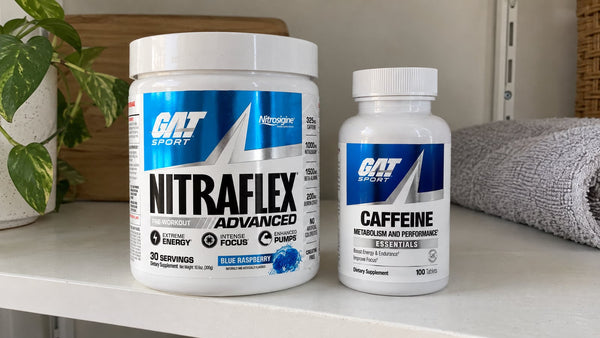
We take the same line with yohimbine, and we've written the honest version on is yohimbine safe as well: we'd rather tell you why we skip an ingredient than quietly sell it to you. Synephrine is different. Three lines we stock, Ronnie Coleman Yeah Buddy, Inspired DVST8 BBD and Nexus PER4M, list bitter orange (synephrine), a milder stimulant, so count it on top of the caffeine and read is synephrine safe before you pick one of those tubs. If a caffeine-based fat burner is more your thing, we cover whether OxyShred is safe and who should skip it.
What to reach for instead
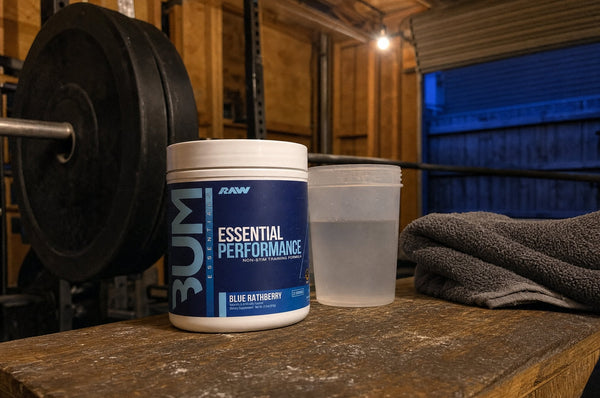
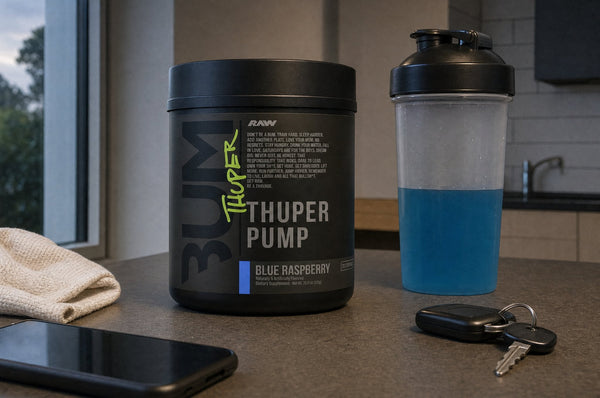
If it was the energy and focus you were really after, you don't need DMHA to get there. A well-dosed caffeine pre-workout does the job for most people, and if stims aren't your thing at all, a pump-based formula gives you the training feel without the heart-rate spike. The point is that you've got clean, well-studied options on the table, so there's no reason to gamble on an ingredient nobody can vouch for.
Have a browse of our stim-free pre-workout range if you'd rather train clean, or run through the pre-workout cheat sheet to see what a sensible label actually looks like. Still got questions rattling around? The pre-workout questions answered hub covers the ones we get asked most.
The bottom line
So, is DMHA dangerous? "Dangerous" is a strong word, but the honest read is that it carries real cardiovascular risk, the human safety data is thin, and the regulatory picture is messy. That's more than enough reason for us to leave it off the shelf and point you at options we'd actually take ourselves.
Use the ingredient questions in this article when comparing pre workout NZ. Read the current panel and serving directions for each formula, including the listed stimulants, before deciding what belongs in your training routine.