SHOP NOW, PAY LATER









 Informed Sport
 Informed Choice
 NSF Certified for Sport
 HASTA Certified

The best vegan protein powder in NZ is the one that clears four checks: around 20g of protein per serve, all nine essential amino acids, allergen statements that fit your needs, and a taste you can finish a tub of. A pea-based blend is the strongest default. A single-source powder can work too: but the back panel matters far more than the word "plant" on the front.
Start at the back of the tub. Check protein per serve, the plant sources, serving size, ingredients and price per serve. Then buy the smallest sensible size if you have not tried that flavour. Plant protein can be excellent, but a 2kg bargain is not a bargain when the texture makes you dread the shaker.
There is no honest winner for every person. Finding the best vegan protein powder in NZ depends on your dietary needs, budget and taste. Someone avoiding soy has a different shortlist from someone who needs an independently tested sports product. This guide gives you the checks that still work when flavours, prices and stock change.
What the best vegan protein powder in NZ should have
| Check | What to look for | Why it matters |
|---|---|---|
| Protein | About 20g or more per normal serve | Makes the powder a practical protein top-up |
| Plant source | Pea, soy, or a stated blend | Shows where the protein and amino acids come from |
| Amino profile | All nine essential amino acids, with useful leucine | Supports the muscle protein response to a serve |
| Dietary fit | Clear vegan and allergen statements | Helps you avoid milk, soy or gluten where required |
| Value | Price per serve and protein per dollar | Stops tub size and discounts hiding the real cost |
| Useability | A flavour and texture you can drink regularly | A powder only helps when you use it |
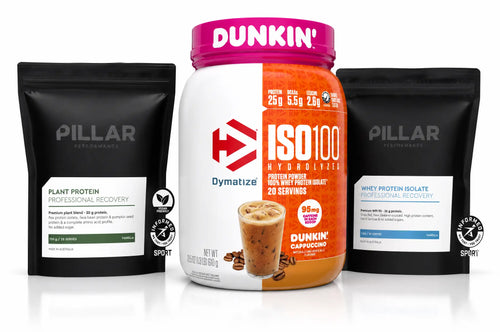
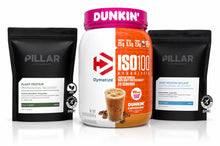
The 20g line is a buying shortcut, not a medical threshold. A current example in the NZ Supps protein serving-size guide is Pillar Vegan Protein Isolate, with 20g of protein in a 30g serve. Check the live panel because formulas can change.
Plant protein can support muscle protein synthesis
Resistance training supplies the reason for muscle to adapt. Protein supplies amino acids used to repair and build tissue. Plant protein is not excluded from that process.
A 2024 randomised crossover trial found that a blended plant protein stimulated post-exercise muscle protein synthesis to an equivalent extent as whey in resistance-trained adults. Another 2024 trial found that a plant blend with added leucine produced a response similar to whey, while the same blend without matched leucine produced a smaller response. Those results do not make every vegan powder equal. They show why total dose and amino composition deserve a place on your label checklist.
If dairy is still on your shortlist, read the whey isolate vs concentrate guide before treating plant versus whey as a simple winner-takes-all decision.
The International Society of Sports Nutrition protein position stand puts general protein intake for healthy exercising people around 1.4g to 2.0g per kilogram per day. That includes food and supplements together. A powder is there to fill a gap, not replace beans, tofu, lentils, grains, nuts and the rest of a varied diet.
Pea, soy or a plant blend?
Pea protein is common because it has a useful essential-amino-acid profile and works in dairy-free formulas. In a 12-week resistance-training trial, pea and whey groups did not differ significantly in muscle thickness or strength outcomes. The study used a substantial protein dose and a structured training programme, which is a better comparison than judging an ingredient from its name alone.
Soy is another complete plant protein with a strong research base. Some people avoid it because of an allergy or personal preference. That is a dietary-fit decision, not proof that soy is an inferior protein.
Blends use sources such as pea, fava bean, pumpkin seed, rice or canola to balance amino profiles and texture. A blend can be useful, but "multi-source" is not a quality guarantee. Check how much protein the full serve supplies and whether the brand discloses the sources. A long ingredient list can still hide a modest protein serve.
Check leucine without getting lost in the chemistry
Leucine is one of the nine essential amino acids and helps signal the muscle protein synthesis process. Whey is naturally rich in it. Plant sources vary, so a well-built vegan powder may use complementary sources or add leucine.
You do not need to turn every shop into a biochemistry exam. First confirm a decent amount of complete protein. If two powders look similar, use the disclosed amino profile as the tie-breaker. Be cautious when a brand promotes a large "amino blend" but gives no amount for the actual protein.
The total day still matters more than obsessing over one scoop. A useful powder makes it easier to close the gap left by meals. It does not rescue a consistently low-protein diet on its own.
Texture and digestion decide whether you finish the tub
Plant powders tend to mix thicker than whey. Some have an earthy note or fine grit, especially in plain water. That is normal for the ingredients, but formulas vary a lot. More water, a harder shake and a minute to settle can improve the drink. A blender and frozen fruit will hide more texture, though it also turns a quick shake into a meal-sized smoothie.
Do not treat "vegan" as an allergy guarantee. A vegan formula should not use dairy as an ingredient, but the label may state that it is made on shared equipment or may contain traces. Check the current allergen statement if milk, soy, gluten or another allergen is a safety issue. If you have a diagnosed allergy, use advice from your clinician rather than a collection filter alone.
Sweeteners, gums and added fibres can also change how a powder sits. There is no universally easiest formula. Start with one serve and see how you handle it before buying several tubs.
How to compare the best vegan protein powder in NZ for value
Divide the live tub price by the number of serves. Then divide that number by the grams of protein per serve. That gives you both cost per shake and cost per gram of protein.
A cheaper tub can lose on value if it uses a bigger scoop or carries less protein. The front weight tells you how much powder is in the container, not how much protein you receive. The NZ Supps comparison tool and serving-size guide make those differences easier to spot.
Sale price matters only while the sale is live. Compare using the price at checkout, then check the subscription terms separately if an auto-ship discount is involved.
A simple shortlist for different needs
- If you want a practical default, choose a stated plant blend with about 20g or more of protein and a disclosed amino profile.
- If you want fewer ingredients, choose a plain pea or soy isolate and accept that the taste may be simpler.
- If you avoid soy, filter it out and still read the allergen statement.
- If you compete under drug testing, verify the exact product and batch in a recognised certification database.
- If value matters most, compare cost per gram of protein rather than the tub price.
Ready to find the best vegan protein powder in NZ for your routine? Browse the NZ Supps plant and vegan protein range, then use the label checks above before choosing a flavour. If you are unsure where protein fits beside the rest of your supplements, use the Find Your Stack quiz.
Is vegan protein as good as whey?
It can be. Human trials show that well-formulated plant proteins can support post-exercise muscle protein synthesis and training adaptations. Whey naturally has a strong essential-amino-acid and leucine profile, so compare the plant powder's total protein and amino composition rather than assuming every formula is equal.
Which plant protein source is best?
There is no single winner for everyone. Pea and soy are useful stand-alone options. Blends can balance amino acids, flavour and texture. Choose around the full protein dose, disclosed sources, allergens, price and what you will drink consistently.
How much protein should a vegan powder have?
About 20g or more per normal serve is a practical shopping benchmark for an active adult, but your personal daily need depends on body size, diet, training and health. Count food and shakes together. A registered dietitian can help with an individual target.
Is vegan protein powder lactose-free?
A genuinely plant-based formula does not use whey or casein, so lactose should not be an ingredient. Shared-facility warnings still matter for allergies, and formulas can change. Read the current ingredient and allergen statements on the exact product.
Can you use vegan protein powder every day?
Many healthy adults use it as a convenient food supplement. It should sit inside a varied diet rather than replace normal meals by default. Follow the product directions and get clinical advice if you have kidney disease, a diagnosed allergy, are pregnant, or have another relevant health condition.
Sources and scope
- 2024 plant-protein blend and whey crossover trial
- 2024 plant blend, leucine and whey trial
- Pea protein and whey resistance-training trial
- International Society of Sports Nutrition position stand on protein
- Protein supplementation and resistance-training meta-analysis
This article provides general information, not personal nutrition or medical advice. If you have an allergy, a health condition or a clinically prescribed diet, choose a product with your doctor or registered dietitian.
Use the plant protein comparison to explore our protein powder NZ range. Check the protein source and full ingredient and allergen information for each flavour before choosing the powder that fits your dietary preferences.