SHOP NOW, PAY LATER










 Informed Sport
 Informed Choice
 NSF Certified for Sport
 HASTA Certified

One scoop of protein powder is usually about 30 to 39g of powder and supplies roughly 20 to 27g of actual protein across the current NZ Supps range. The scoop weight and protein amount are not the same number. Check the serving size and protein line on your tub, because there is no universal protein scoop.
If you searched how much protein in a scoop, the label gives you two answers. "Serving size: 35g" tells you the total powder. "Protein: 25g" tells you how much of that serve is protein. Flavouring, small amounts of carbohydrate and fat, thickeners and other ingredients make up the rest.
The answer to "how much protein in a scoop?" therefore depends on the exact product, not the size of the plastic scoop by itself.
The table below uses live labels checked against the NZ Supps range. Formulas and flavours can change, so read the panel on the exact tub you own before logging a serve.
How much protein is in one scoop?
| Protein powder | Type | Label serving | Protein per serve | Protein by powder weight |
|---|---|---|---|---|
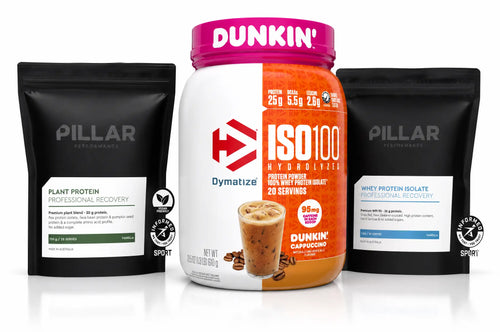
| MusclePharm Combat 100% Whey | Whey blend | 31g | 25g | About 81% |
| Pillar Whey Isolate | Whey isolate | 33g | 26g | About 79% |
| Dymatize ISO100 | Whey isolate | 32g | 25g | About 78% |
| EHPlabs IsoPept Zero | Whey isolate | 35g | 25g | About 71% |
| Ghost Clear Whey Isolate | Clear whey isolate | About 35.5g | 25g | About 70% |
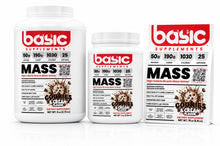
| Basic Supplements Whey | Whey blend | 36g | 25g | About 69% |
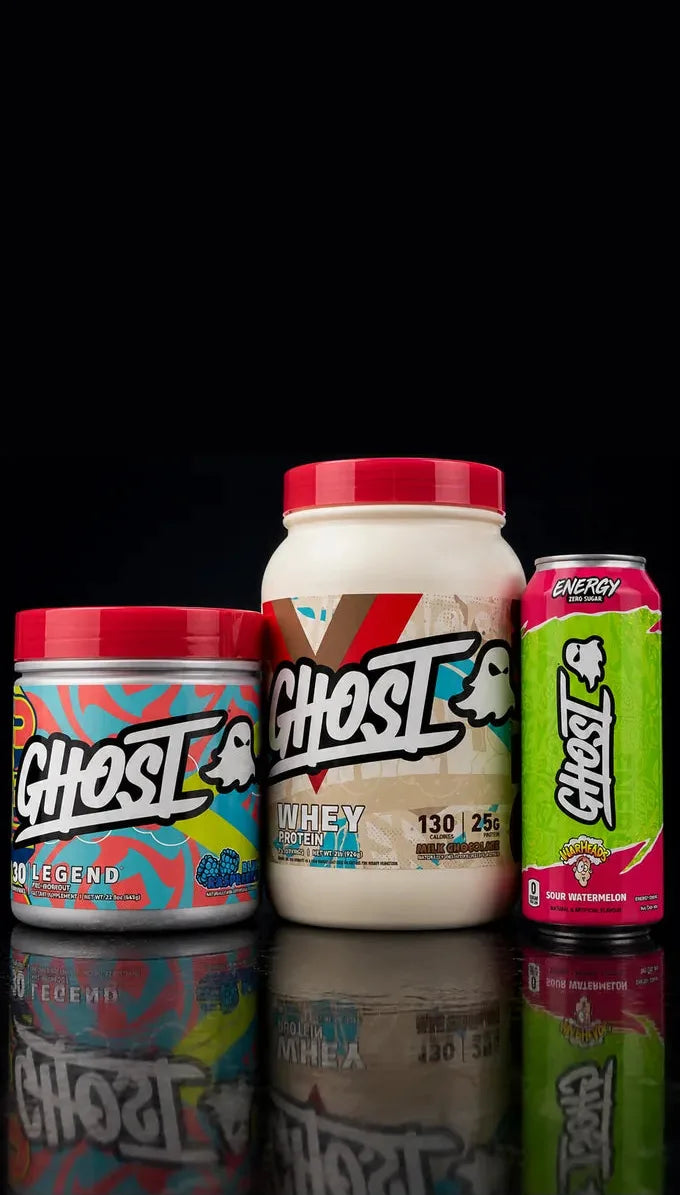
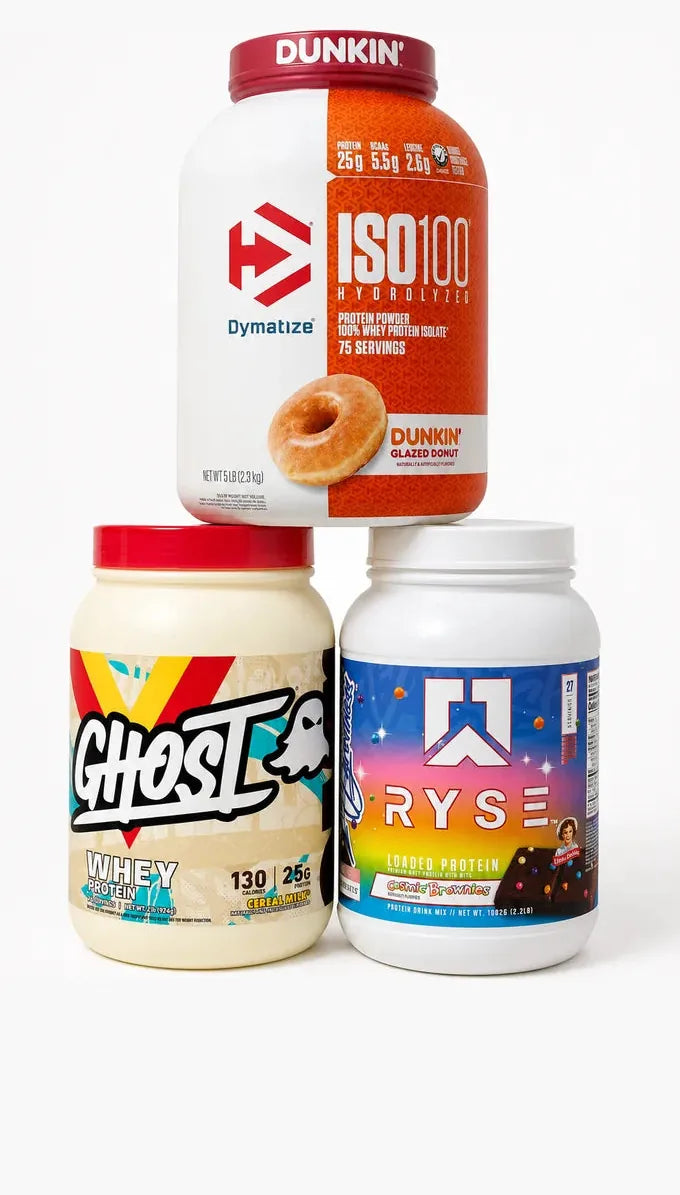
| Ghost Whey | Whey blend | About 39g | 25g | About 64% |
| Pillar Vegan Protein Isolate | Plant protein | 30g | 20g | About 67% |
Most of these products land on 25g of protein even though their scoops range from 31g to about 39g. That is why comparing scoop size alone gets you nowhere. A bigger scoop can simply mean more flavouring or a different formula around the same protein dose.
That is also why "how much protein in a scoop?" cannot be answered from a photo of the scoop. You need the nutrition panel.
Scoop weight across 10 popular tubs in the range
There is a second way to work out a serve before the tub arrives. Divide the pack weight by the serve count printed on the front, and you get the powder in one level scoop, give or take the powder left in the bag. Both those numbers are on the product page, so you can do this for any tub in the range.
The table below runs that maths on 10 of the most-viewed proteins we stock. Protein per serve is not repeated here because only some labels are in front of us; the two we can confirm, Basic Supplements Whey Chocolate and Ghost Whey Choc Chip Cookie, list 25g a scoop, and Ghost Vegan Protein lists around 20g.
| Product | Pack size | Serves on the pack | Approx. powder per serve |
|---|---|---|---|
| Basic Supplements Whey, Chocolate | 908g | 25 | About 36g |
| Basic Supplements Whey, Vanilla | 2.27kg | 66 | About 34g |
| Basic Supplements Isolate, Caramel Cold Brew | 908g | 28 | About 32g |
| Basic Supplements Isolate, Chocolate | 2.27kg | 72 | About 32g |
| Basic Supplements Beef Isolate, Cherry Cola | 908g | 30 | About 30g |
| Cellucor C4 Pro Whey, Vanilla Bean | 980g | 28 | About 35g |
| Ghost Whey, Choc Chip Cookie | 1014g | 26 | About 39g |
| Ghost Whey, Milk Chocolate | 924g | 26 | About 36g |
| Ghost Clear Whey Isolate, Blue Raspberry | 640g | 20 | About 32g |
| Ghost Vegan Protein, Pancake Batter | 896g | 28 | About 32g |
Two rows in there make the point better than any explanation. Ghost Whey in Choc Chip Cookie works out near 39g of powder a serve, while the Milk Chocolate tub of the same product lands nearer 36g, because a cocoa-heavy flavour system weighs differently. Same line, same protein target, different scoop weight.
The pack-size maths is a good sanity check, not a replacement for the panel. Brands round the serve count on the front of the bag, and a little powder always stays in the packaging, so treat these as close rather than exact.
Why is a 30g scoop not 30g of protein?
Protein powder is a finished food, not a bag of pure protein. Even a lean whey isolate has other material in the serve. Depending on the product, that can include flavour, cocoa, lecithin for mixing, sweetener, salt, gums, digestive enzymes, carbohydrate and fat.
An unflavoured isolate may have a high percentage of protein by weight. A dessert-style blend may use a larger serving to reach the same 25g protein line. Neither fact tells you whether it tastes good, fits your budget or sits well in your stomach. It just explains the maths.
To calculate the protein percentage, divide the protein grams by the serving weight and multiply by 100. A 25g protein serve in 31g of powder is about 81%. The same 25g in a 39g serve is about 64%.
That ratio helps compare how lean a powder is. For value, you still need price per serve. The protein comparison tool puts type, protein and current value in one place.
Does isolate always have more protein per scoop?
No. Isolate is filtered further than concentrate, so it usually contains a higher share of protein and less lactose, carbohydrate and fat by weight. A brand can still choose a smaller or larger serving. A 25g scoop from one isolate and a 25g protein line from a blend can deliver the same protein amount.
When comparing how much protein in a scoop, use the protein line first and the type of whey second.
Use isolate when you want its leaner composition or lower-lactose profile, not because the word guarantees a bigger protein serve. The whey isolate vs concentrate guide explains that trade-off in plain English. If lactose is the reason you are reading label panels at all, the lactose intolerance protein guide covers which sources to shortlist.
How to measure a scoop properly
Use a level scoop unless the label clearly says rounded or heaped. Shake the tub gently first because powder settles during shipping. Do not pack the powder down as if you are measuring brown sugar.
For the most accurate result, put your empty shaker on a digital kitchen scale, press tare, then add powder until you reach the label serving in grams. That avoids the differences between a loose scoop, a compressed scoop and a mound balanced on top.
This also tells you whether the included scoop matches the panel. Manufacturing tolerances and the way you fill it can move the weight by several grams. If you track nutrition closely, the scale is the better tool.
What if you lost the protein scoop?
Use a kitchen scale. The serving size in grams is printed on the nutrition panel, so you do not need the branded plastic scoop. Tare a cup or shaker, pour slowly and stop at the listed weight.
Tablespoons are a rough fallback, not a reliable conversion. Powders have different densities, and a level tablespoon can hold a different weight from one formula to another. Online claims that "one scoop equals two tablespoons" can be badly wrong for a light, fluffy powder or a dense formula.
If you have no scale, use a standard metric tablespoon and treat the result as an estimate until you can weigh it. Do not borrow the scoop from another tub unless both labels specify the same gram weight for that scoop.
How many scoops are in 1kg of protein powder?
Divide 1,000g by the label serving weight. A 1kg bag using a 30g serve contains about 33 serves. At 35g it contains about 28.5 serves. At 39g it contains about 25.5 serves.
| Serving weight | Approx. serves in 1kg |
|---|---|
| 30g | 33.3 |
| 32g | 31.3 |
| 35g | 28.6 |
| 36g | 27.8 |
| 39g | 25.6 |
The front of the bag may round the net weight or serve count, and small amounts of powder stay in the packaging. Use the declared serves per container when the brand provides it.
Does water or milk change the protein per scoop?
The powder's protein stays the same. Water adds no protein. Milk adds the protein, carbohydrate, fat and energy from the amount of milk you use. Log the powder and mixer separately if you track them. The same maths applies to a protein hot chocolate made with warm milk.
More water changes thickness, not protein. Two scoops double the powder's nutrition, but that does not mean two scoops are necessary. Powder is there to fill the gap between your normal food and your appropriate daily intake.
The International Society of Sports Nutrition gives a broad range of 1.4 to 2.0g of protein per kilogram per day for most exercising people. That is general sports-nutrition guidance, not an individual prescription. A registered dietitian can help if you need a target based on your training and health. Older lifters have a few extra considerations, covered in our guide to protein powder for older adults.
The easy rule to remember
Read three lines: serving size, protein per serve and serves per container. Weigh the serving if accuracy matters. Then compare price per serve, not tub price alone.
For the question "how much protein in a scoop?", those three label lines beat every generic tablespoon chart online.
Once the serving makes sense, use the best whey protein guide to compare current value across tubs.
Ready to choose a format? Browse the full protein range, narrow it to whey protein, or use the stack finder if you want a recommendation built around your goal. New Zealand orders over $70 ship free.
FAQ
Is one scoop of protein powder 30g?
Sometimes, but not always. Current labels in the NZ Supps range run from about 30 to 39g for a typical single serve. Use the serving size printed on your exact tub.
How much protein is in a scoop of whey?
Most current whey products in the range supply about 24 to 27g of protein per serve. The full scoop weighs more because it contains the complete powder formula, not protein alone.
How many tablespoons are in a protein scoop?
There is no dependable conversion. Powder density and scoop size change between products. A kitchen scale set to grams is the accurate replacement when the scoop is missing.
Is a heaped scoop more than one serving?
Usually, yes. Unless the directions specify a rounded or heaped scoop, use a level scoop. Weigh it once to see how your normal scoop compares with the label serving.
How many protein scoops should you take a day?
Use the amount needed to fill a genuine gap in your total food intake. There is no universal scoop count. Your body size, training, meals and health all matter, so get individual advice if you are unsure.
Sources and health note
This article provides general information. Label figures were checked against current NZ Supps product pages; formulas change, so confirm the live panel before you buy. Range details checked 7 September 2026. Serving declarations follow the nutrition-panel framework described by Food Standards Australia New Zealand. General sports-protein context comes from the ISSN position stand on protein and exercise.
Ready to compare the labels side by side? Browse protein powder NZ and check each product's serving measure, protein entry and pack size. Use the same serving basis when you compare the options.