SHOP NOW, PAY LATER









 Informed Sport
 Informed Choice
 NSF Certified for Sport
 HASTA Certified

Protein water can be just as useful as standard protein powder when both supply a comparable serve of complete protein. A powdered protein water may give you 24 to 25g per serve, close to a normal whey shake. Standard whey is usually cheaper and tastes creamy. Protein water is lighter, fruitier and easier to drink when another milky shake sounds awful.
The protein water vs protein powder decision is mostly about format, price and taste. It is not a contest between "real" and "fake" protein. Many clear products use whey isolate, the same dairy-derived protein family found in ordinary whey powder, processed so it mixes as a clear drink.
There are two kinds of protein water in the current range. Powdered clear protein needs water and a shaker. Ready-to-drink protein water comes pre-mixed in a can or bottle. Those formats have very different costs, so do not lump them together.
Protein water vs protein powder at a glance
| Format | Live example | Protein | Other label points | Approx. cost per serve |
|---|---|---|---|---|
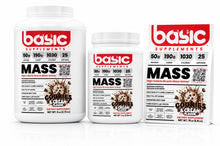
| Standard whey powder | Basic Supplements Whey 2.27kg | 25g | About 5g carbs, 3g sugars, 1.5g fat for a representative flavour | $2.36 |
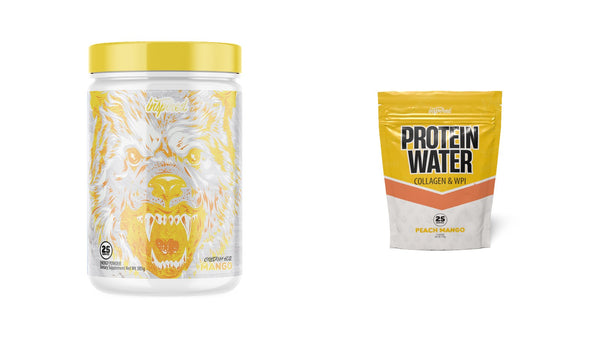
| Powdered protein water | Inspired Protein Water | 24.3g | Less than 1g carbohydrate, sugars and fat on the current panel | $3.20 |
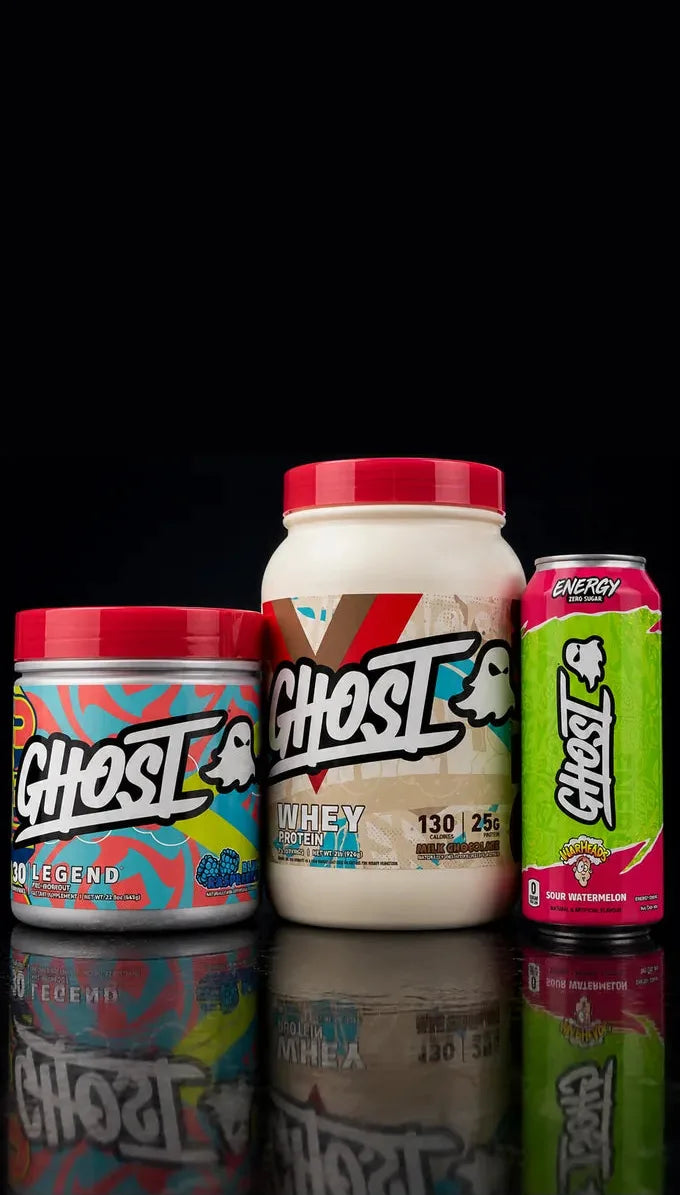
| Clear whey powder | Ghost Clear Whey Isolate | 25g | About 1g carbohydrate | $4.40 on current special |
| RTD sparkling protein water | Nexus Super Protein 12-pack | 16.9g | About 1g carbohydrate | $5.83 |
Prices and formulas were checked on 4 August 2026. Specials, stock and flavours move, so recheck the exact product page before you buy.
The table shows why the word "water" does not settle the value question. Powdered protein water can sit close to everyday whey on cost. A pre-mixed can costs more because you are paying for packaging, freight, shelf stability and the ability to open it anywhere.
A fair protein water vs protein powder comparison separates powder from RTD. Otherwise the convenience cost of a can gets blamed on every clear product.
What is protein water?
Protein water is a light drink containing added protein. In sports-nutrition products, that protein is often clear whey isolate or hydrolysed whey. It can come as a powder you mix yourself or as a ready-to-drink product.
Clear whey is treated and formulated to mix more like juice than a milkshake. It can foam when shaken, so most labels tell you to mix it, then let the foam settle. That wait is normal and does not mean the product has gone bad.
Some drinks use collagen or another protein source instead of whey. Read the ingredient list. Collagen has a different amino-acid profile from whey and should not be assumed to be an equal swap for a complete sports-protein serve.
The protein water collection lets you compare powders and ready-to-drink options, but the nutrition panel still decides what you are getting.
Does protein water build muscle like whey powder?
If the protein water uses whey isolate and supplies a similar protein amount, it supplies the same essential amino acids found in whey. Your muscles do not care whether the drink looked clear or creamy before you swallowed it.
Total daily protein, training and the rest of your food matter more than the colour of the shake. The International Society of Sports Nutrition notes that protein intake and resistance exercise work together to support muscle protein synthesis. It gives a broad daily range of 1.4 to 2.0g per kilogram for most exercising people.
That is general guidance, not a target for every reader. You may already get enough from meals. Protein water does not create extra benefit just because it is easier to drink, and it should not replace varied food by default.
Which one is cheaper?
Standard whey powder usually wins. Large tubs spread packaging and freight across many serves, and whey blends cost less to produce than some clear isolates. In the current examples, standard whey starts around $2.36 for 25g protein. Powdered protein water starts near $3.20 for 24.3g.
For protein water vs protein powder, cost per gram is more useful than the price on the front because serving sizes are not identical.
Clear whey can cost more again, especially in smaller tubs or licensed flavours. Ready-to-drink protein water carries the biggest convenience premium. A Nexus 12-pack is currently about $5.83 for 16.9g per can, more than twice the cost of the cheapest standard powder serve.
Calculate cost per gram if the protein amounts differ. Divide the serve price by the protein grams. The protein scoop and serving-size guide uses the same label-first method.
Which one has less sugar and fewer calories?
Protein water often has a lean panel, but "water" is not a regulated promise of zero sugar or zero energy. The current Inspired and Ghost examples are low in carbohydrate and fat. Some ready-to-drink products may use different sweeteners or supporting ingredients.
A standard isolate mixed with water can also be very lean. A whey blend may carry a few grams of carbohydrate and fat while still fitting comfortably into many diets. Milk changes the finished shake because the milk adds its own protein, carbohydrate, fat and energy.
Compare the prepared drink you will actually consume. Protein water against whey mixed with water is one comparison. Protein water against whey blended with full-fat milk, oats and peanut butter is a completely different one.
Is protein water dairy free?
Usually not when it uses whey. Whey comes from milk even when the finished drink looks clear. An isolate has most lactose and fat removed, but "low lactose" is not the same as dairy free and not the same as safe for a milk allergy.
Check the allergen statement on every product. Someone with lactose intolerance may tolerate a low-lactose isolate differently from a concentrate, but tolerance varies. Someone with a milk allergy needs medical guidance and must not treat clear whey as non-dairy.
If you want a dairy-free option, browse plant protein and confirm the label suits your needs.
When protein water makes more sense
Choose it when a fruit-style drink is easier to get down, especially in hot weather or after a session when a thick shake feels heavy. Powdered protein water works well at home or work where you have a shaker. An RTD can is useful for travel, a rushed shift or the days you forgot the shaker.
Protein water also adds variety. If you already use one creamy shake most days, a clear option can stop flavour fatigue without changing the basic job of the protein.
It is not an electrolyte drink unless the panel supplies a meaningful electrolyte formula. Protein and hydration can sit in the same bottle, but added protein does not automatically replace the sodium and other minerals lost in heavy sweat.
When standard protein powder makes more sense
Choose standard whey when value matters most, you like a milkshake texture, or you want a powder that works in oats, smoothies and baking. The wider flavour range and large tubs make it the practical daily option for many people.
Use the protein scoop guide to compare the powder weight with the actual protein line. If lactose is the issue, the isolate vs concentrate guide explains why further filtration changes the label.
The NZ Supps verdict
Standard whey wins on everyday value. Powdered protein water wins when you want a lighter drink without paying the full RTD premium. Pre-mixed protein water wins when opening a can is the only format that fits the moment.
The protein water vs protein powder verdict is simple once you separate taste from convenience: creamy whey for value, clear powder for a lighter drink, and RTD for the days preparation is not realistic.
Compare the live protein water range with the whey protein collection. If you are still unsure which format fits your goal, use the stack finder.
Is protein water as good as protein powder?
It can be. A protein water made from whey isolate and supplying about 24 to 25g protein is comparable to a whey shake for that protein serve. Check the source, amount and full label.
Is clear whey the same as protein water?
Clear whey is a common type of powdered protein water. You mix it with water and let the foam settle. Ready-to-drink protein water is already mixed and usually costs more per serve.
Can you drink protein water every day?
It can fit into a daily diet if the product suits you and helps fill a real protein gap. Count it with food and other supplements. Follow the label and get individual advice if you have health or allergy concerns.
Does protein water count as water?
It contributes fluid, but it is also a protein product with ingredients and energy. Plain water should still do most of the routine hydration work. Protein water is not automatically an electrolyte replacement.
Can you use protein water if you are lactose intolerant?
Many clear whey products use isolate and contain little lactose, but they still come from milk and tolerance varies. Check the allergen statement. Clear whey is not suitable for a milk allergy unless a qualified clinician says otherwise.
Sources and health note
This article is general information. Product figures came from live NZ Supps labels and prices checked on 4 August 2026. General protein guidance comes from the ISSN position stand on protein and exercise and the Australian Institute of Sport protein guide.
If you want to compare powders with ready to drink options, browse protein powder NZ. Check the product format and serving size, then read the nutrition panel for what you will mix or drink.