SHOP NOW, PAY LATER









 Informed Sport
 Informed Choice
 NSF Certified for Sport
 HASTA Certified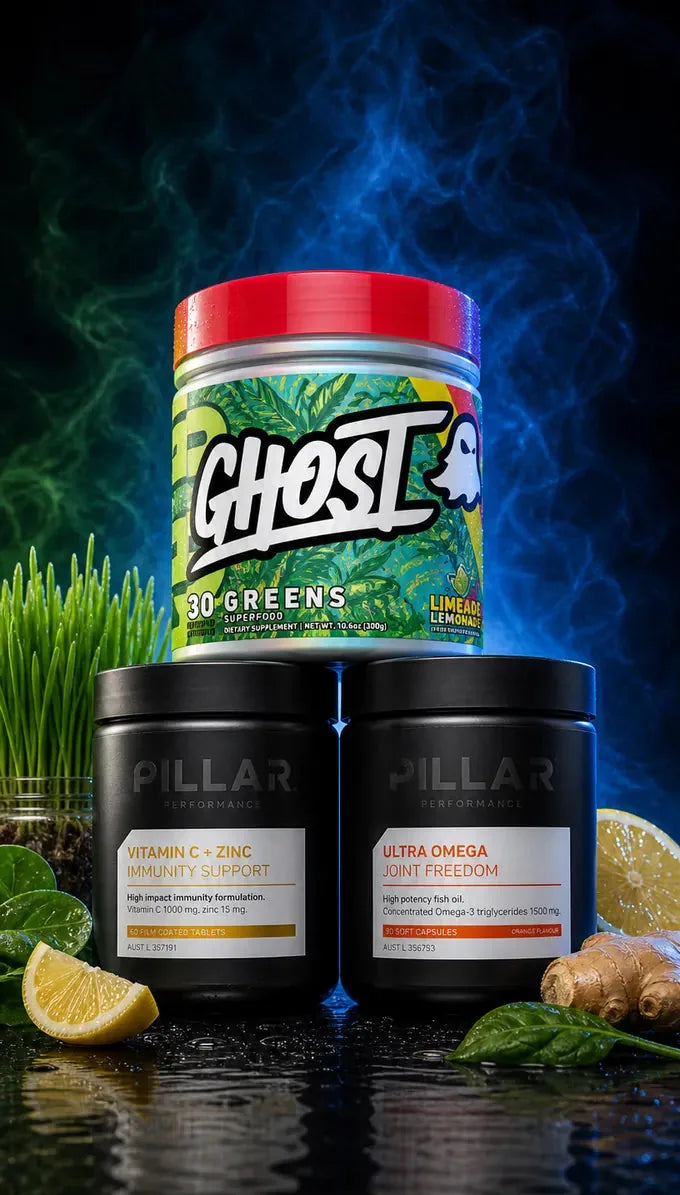

A supplement is genuinely tested when you can find the exact product in a recognised independent programme: Informed Sport, NSF Certified for Sport, HASTA: and, where the programme is batch based, match the lot number printed on your pack to a published result. A logo on a website proves nothing by itself. Check the product, flavour, size, batch and expiry before you use it. The whole check takes about five minutes.
This matters most for athletes covered by anti-doping rules. Sport Integrity NZ says supplements can contain undeclared prohibited substances and that strict liability makes the athlete responsible for anything found in a sample. Accidental contamination does not move that responsibility to the shop or brand.
Testing reduces risk. It does not turn a supplement into a guaranteed safe product, and it does not mean WADA approved it. The safest choice for a drug-tested athlete is still to avoid unnecessary supplements and use qualified sports-nutrition advice.
The five-minute supplement testing in NZ check
- Find the testing mark on the exact product. A brand home page logo is not product-level proof.
- Open the certification provider's own database.
- Search the complete product name, including flavour and size where listed.
- Match the lot or batch number printed on your container.
- Check that the result applies before the product's expiry and before you use it.
- Save the result and record the batch number if you compete under testing.
If the database lists the brand but not your product, stop there. Certification is not automatically brand wide. If it lists the product but not your batch, do not borrow assurance from another lot.
What the main testing marks mean
| Programme | Core approach | What you should check |
|---|---|---|
| Informed Sport | Every finished-product batch is tested before release, with manufacturing review and later blind testing | Exact product and batch in the Informed Sport directory |
| Informed Choice | Certified product plus monthly retail monitoring for prohibited substances | Exact product listing and the programme's current status |
| NSF Certified for Sport | Facility and formulation review, label and contaminant checks, plus production-lot testing for banned substances | Exact product and listed lot in the NSF directory or app |
| HASTA Certified | Product and quality-system review, followed by testing of each new batch to maintain certification | Exact product and batch in the HASTA directory |
| One-off batch test | A sample from one named batch is screened | Your pack must match that batch, and the certificate must state the screen used |
The difference between Informed Sport and Informed Choice is easy to miss. The provider, LGC, describes Informed Sport as an every-batch pre-release programme. It describes Informed Choice as monthly retail monitoring. Both are real programmes, but they are not interchangeable claims.
NSF Certified for Sport has a wider certification process that includes label-content and contaminant checks alongside screening production lots for banned substances. HASTA is an Australian programme used across this part of the world. For supplement testing in NZ, High Performance Sport New Zealand points athletes to Informed Sport, HASTA and NSF while still warning that no testing removes all risk.
What "lab tested" does not tell you
"Lab tested" is an unfinished sentence. A laboratory can test identity, potency, microbes, heavy metals, prohibited substances or something else entirely. One result does not prove all of them.
A creatine assay can confirm how much creatine was in the submitted sample. It does not automatically screen hundreds of substances prohibited in sport. A banned-substance screen can reduce anti-doping risk without confirming every nutrition number on the panel. Read what the certificate says was measured.
Also check who chose the sample. A brand-submitted jar can provide useful evidence, but a certification programme with batch controls, manufacturing review and retail surveillance offers more oversight than an undated screenshot posted on social media.
GMP is useful, but it is not a banned-substance result
Good Manufacturing Practice is about how a facility controls manufacturing, hygiene, traceability and quality systems. It is a positive sign. It does not prove that your exact tub passed a prohibited-substance screen.
Sport Integrity NZ answers this directly: a GMP certificate does not make a supplement safe for sport. A batch test can increase confidence in that specific batch, but even then it cannot give 100% certainty.
Use GMP and batch testing as separate checks. One covers the quality system. The other examines a sample for a defined set of substances.
Why supplement testing in NZ is not government approval
Medsafe states that New Zealand has no pre-approval process for dietary supplements. The sponsor is responsible for the product's quality, safety and legal compliance. Being available from a New Zealand retailer does not mean a government laboratory confirmed the contents.
The phrase "WADA approved" is another red flag. Sport Integrity NZ and WADA do not approve supplements. A legitimate testing company screens against a list of prohibited substances at stated detection levels. It does not grant WADA approval.
Genuine stock and independent testing are useful but different promises. Genuine means the product came through the intended supply chain rather than being counterfeit. Testing asks what was found in a sample. A genuine product can still be uncertified.
Match the batch as well as the tub
Find the lot or batch code near the expiry date, under the tub, on the lid or along a pouch seal. Product names and pack designs can stay the same while batches change. Flavours can also be manufactured separately.
The Sport Integrity NZ decision guide tells athletes to match both batch number and expiry with the testing certificate. Keep a photo of the container and result. If you are tested, declare the supplement on the doping-control form and keep your purchase record.
Do not share an open tub with a teammate. You lose the clean chain between the container, batch and your record. An intact seal also matters because testing cannot account for what happened after the product left controlled distribution.
How to use the Tested for Sport range at NZ Supps
The NZ Supps Tested for Sport range is the right starting point, not the final proof. Each product page names the programme that applies to that exact item, your job is to then confirm it in the provider's own directory, batch and all.
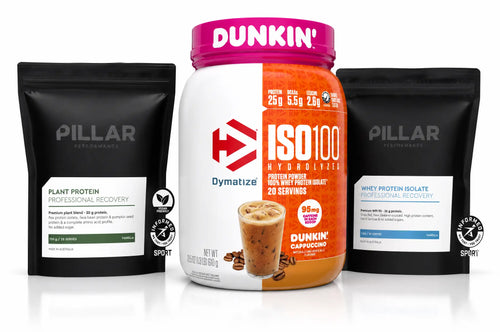
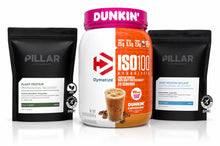
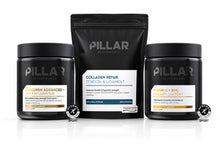
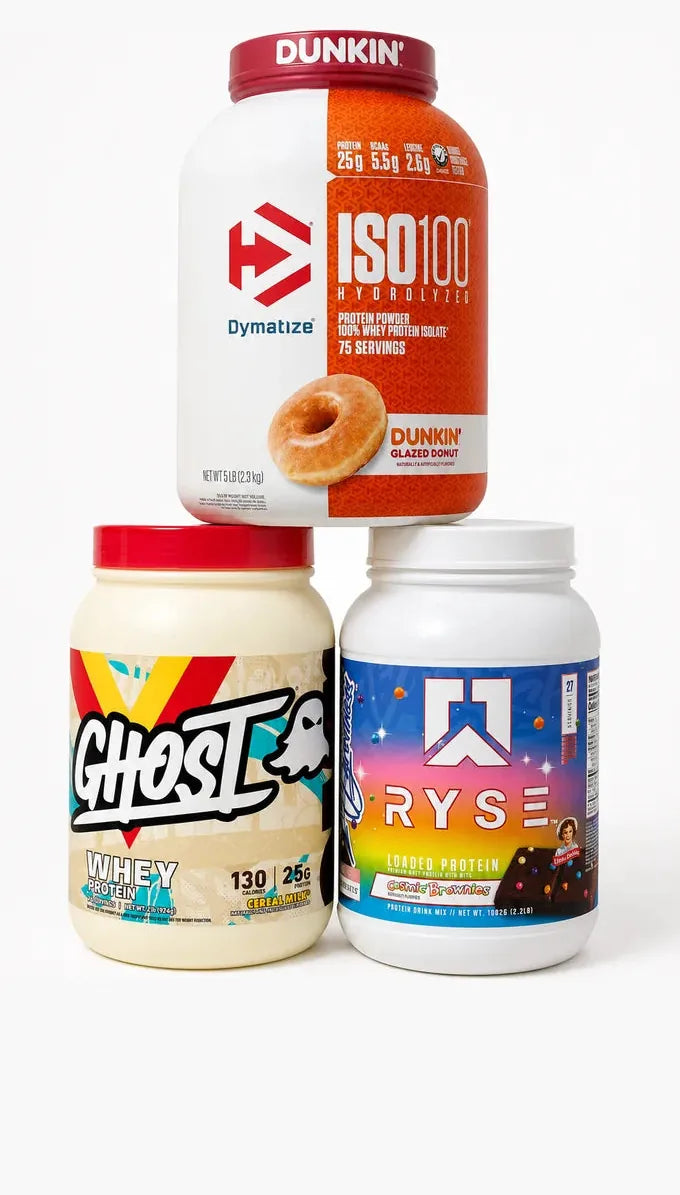
Do not assume every product made by Pillar, Dymatize, MusclePharm, Cellucor or Grenade has the same status. Certification can apply to one formula, flavour, size or batch and not another. Use the filters for Informed Sport, Informed Choice and NSF Certified for Sport to build a shortlist, then verify the exact item on the certifier's database before you rely on it.
For a wider purchase, compare the tested status alongside dose and price on the protein powder guide or pre-workout guide. Testing lowers one risk. It does not tell you whether the formula suits your goal or whether you need the supplement.
For practical examples, use the pre-workout caffeine guide to check the formula and the EAA vs BCAA guide to check whether an amino product has a job. Ingredient fit and anti-doping risk are separate decisions.
Shopping for a drug-tested sport? Start with the Tested for Sport collection, then verify the exact product and batch in the certification provider's database before use.
Are any supplements approved by WADA?
No. WADA and Sport Integrity NZ do not approve supplements or guarantee that one is safe to use. Independent programmes test products for defined substances and can reduce risk, but the athlete remains responsible under strict liability.
Is batch tested the same as certified?
Not always. A one-off batch test applies to the named batch and stated screen. Certification may also require product review, manufacturing controls, ongoing testing and public listings. Read the programme rules rather than treating every testing logo as equal.
Is a GMP certificate enough for a tested athlete?
No. GMP covers manufacturing and quality systems. It does not prove that your batch was screened for prohibited substances. Look for an independent product or batch result as a separate check.
Where do you find a supplement batch number?
Look beside the expiry date, under the tub, on the lid or along the sealed edge of a pouch. The format varies by brand. Match every letter and number with the certification listing. A product-name match alone is not enough.
Can testing guarantee you will not fail a drug test?
No. Sport Integrity NZ says batch testing increases confidence but cannot provide 100% certainty. It reduces risk for the tested batch. It does not remove strict liability or cover a different batch.
Sources and scope
- Sport Integrity NZ supplement guidance
- Sport Integrity NZ decision guide
- Informed Sport certification process
- LGC overview of Informed programmes
- NSF Certified for Sport process
- High Performance Sport NZ testing guidance
- Medsafe dietary supplement regulation
This guide provides general anti-doping information. It cannot guarantee that a supplement is free of prohibited substances or suitable for you. Athletes should follow their sport's current rules and use advice from a sports doctor or registered sports dietitian.
Use the verification steps in this guide when browsing tested for sport supplements NZ. Check the specific product and batch against the testing programme's records before choosing, rather than treating a brand name as proof.