SHOP NOW, PAY LATER









 Informed Sport
 Informed Choice
 NSF Certified for Sport
 HASTA Certified

Short answer, straight up: glycerol is safe for the vast majority of healthy lifters, and it's one of the smartest pump ingredients you can have in a pre-workout. It's been used in sport and medicine for decades. The worst most people ever notice is a bit of stomach gurgle when they take too much or skimp on water. Everything else is upside, because glycerol is one of the only pump ingredients that physically drags water into your muscles and bloodstream. That's what gives you those fuller, longer-lasting pumps. Here's how it works, and how to run it without the guts-ache.
What glycerol actually is
Glycerol (you'll also see it written as glycerin or glycerine) is a naturally occurring sugar alcohol. Your body already makes it and uses it every day. In a supplement it does one clever job: it acts as a hyperhydration agent. Plainly, it holds onto water. Take glycerol with fluid and it helps your body pull more of that water into your blood and muscle tissue and keep it there, instead of you weeing it straight back out.
That's the whole trick. More water sitting inside the muscle means the muscle looks and feels fuller, and you've got a bigger fluid reserve to draw on when you're training hard or sweating through a hot session.
How glycerol fuels bigger pumps
A "pump" is really just blood and fluid crowding into the muscle you're working. Most pump ingredients chase this from the blood-flow side, widening your vessels so more blood can squeeze in. Glycerol comes at it from a different angle: it increases how much water your muscle cells are holding in the first place.
Stack those two mechanisms and the pump gets noticeably better, which is why glycerol usually sits right next to citrulline in a serious pump formula. One opens the pipes, the other fills the tank. The bonus is endurance: that extra fluid reserve helps you hold up during long sessions and in the heat, which is exactly when you'd normally start to fade.
The forms you'll see: GlycerPump and GlycerSize
Plain liquid glycerol is a pain to put in a powder because it's sticky and it clumps. So the industry moved to stabilised powdered versions, and those are the names you actually want to see on a label: GlycerPump and GlycerSize. Both are just glycerol dried onto a carrier so it stays free-flowing and delivers a genuine glycerol dose per scoop .
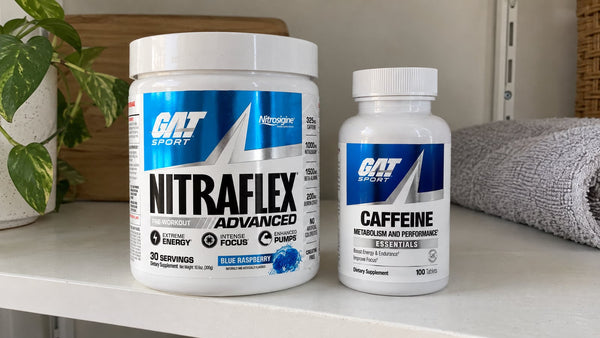
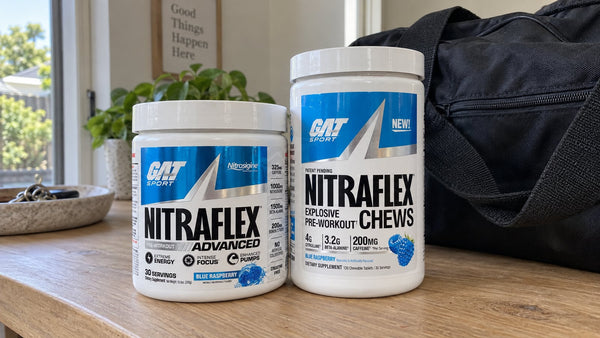
A solid example we stock is Gaspari PlasmaJet Gaspari PlasmaJet$58.95Shop →, which is built around GlycerPump. You'll also find glycerol doing its thing in Gaspari Proven Pump, a stim-free pump option, and in GAT Sport Nitraflex Glycerol. If a tub just says "glycerol" with no branded form named, it can still work, but the stabilised powders are the reliable bet.
So is glycerol safe?
For healthy people, yes. Comfortably so. Glycerol has a long safety record in both sport and clinical use, and it doesn't touch your stimulant tolerance or spike your heart rate the way a big caffeine hit can. It isn't a stimulant at all, which is part of why it's a favourite in stim-free pump products.
The realistic downsides are mild and dose-related:
- Stomach upset. Too much glycerol, especially on an empty stomach, can bring on nausea, bloating or a loose gut. This is the number-one complaint, and it's almost always a "took too much" problem.
- Feeling off if you're under-hydrated. Glycerol wants water to do its job. Take it without enough fluid and you can end up with a bit of a headache or feel light-headed.
None of that is dangerous for a healthy lifter. It's your body asking you to adjust the dose or drink more. If you've got kidney problems or you're pregnant, that's a conversation with your GP rather than a blog.
Getting it right: water, dose and the clumping thing
Three practical habits make glycerol behave:
- Drink enough water. This is the big one. Glycerol only hyperhydrates you if there's water to hold, so have a decent glass or two with your pre-workout and keep sipping through the session.
- Use a real dose, but build up to it. You want a proper serving for glycerol to actually work , not a token pinch. Start on the lower end your first few times so your gut settles in, then work up.
- Expect a bit of clumping. Glycerol powder pulls moisture from the air, so tubs can go slightly hard or sticky over time. That's normal, not spoilage. Keep the lid sealed tight, store it somewhere dry, and break up any clumps with a dry scoop.
Where glycerol fits in your pump stack
Glycerol plays best with company. The classic combination is glycerol for cell hydration, citrulline for blood flow, and taurine for hydration and endurance. Together they're the backbone of most proper pump formulas.
Want to see how the pump tubs stack up on paper? You can line the pump formulas up side by side and check what's actually in each one. Or browse the full pump formulas range and pick your spot.
The bottom line
Glycerol is safe, it's not a stimulant, and it does something genuinely useful: it makes your pumps fuller and helps you last longer when the session or the weather turns brutal. Respect the dose, drink your water, and it's about as low-drama as pump ingredients get.
Still weighing up whether pre-workout is right for you? The honest overview is here: is pre-workout dangerous? For a quick reference, grab the pre-workout cheat sheet, and if you've got a specific question, the pre-workout questions answered hub has probably covered it.
Ready to chase a better pump? Have a look through our pump formulas and find one that suits how you train.
Use the ingredient questions in this article to compare pre workout NZ. Check whether glycerol appears on the product's current label, read the serving directions, and compare the full formula before making your choice.