SHOP NOW, PAY LATER














 Informed Sport
 Informed Choice
 NSF Certified for Sport
 HASTA Certified

Magnesium glycinate and magnesium citrate both supply magnesium, but the mineral is bound to a different partner. Citrate is bound to citric acid and has useful human absorption evidence. Glycinate, also called bisglycinate or diglycinate, is bound to the amino acid glycine. Neither form is automatically best for everyone. Start with elemental magnesium, your reason for taking it, your gut tolerance and any medicines you use.
The magnesium glycinate vs citrate debate gets flattened into slogans online. Glycinate gets called the "sleep form". Citrate gets called the "laxative form". There is a little truth behind the second label because magnesium salts can draw water into the gut, but those shortcuts hide the dose, the product and the limits of the evidence.
This guide covers supplements sold for general nutritional support. It does not diagnose magnesium deficiency or recommend a treatment. If you have kidney disease, are pregnant, take regular medication or are trying to manage a health condition, speak with a doctor or pharmacist before adding magnesium.
Magnesium glycinate vs citrate at a glance
| Point | Magnesium glycinate | Magnesium citrate |
|---|---|---|
| What it is bound to | Glycine, an amino acid | Citric acid |
| Other label names | Bisglycinate, diglycinate, amino-acid chelate | Citrate |
| Absorption evidence | Promising, but direct independent human comparisons are limited | Included by NIH among better-absorbed forms; supported by small human comparisons with oxide |
| Gut effect | Often selected when gut tolerance is the priority | Can loosen stools, especially as the supplemental dose rises |
| What to compare | Elemental magnesium per serve | Elemental magnesium per serve |
The last row matters most. A label might list hundreds of milligrams of magnesium glycinate compound while supplying a much smaller amount of elemental magnesium. Your body is getting the elemental amount, not the headline weight of the whole compound.
A useful magnesium glycinate vs citrate comparison therefore starts at the back of the pack. Compare elemental milligrams per serve before you compare the size of the compound number on the front.
What the absorption evidence says
The NIH Office of Dietary Supplements says forms that dissolve well in liquid tend to be absorbed more completely. It specifically lists magnesium citrate, aspartate, lactate and chloride as forms that tend to have higher bioavailability than magnesium oxide and sulfate.
A randomised, double-blind trial in 46 healthy people compared 300mg of elemental magnesium from citrate, an amino-acid chelate and oxide over 60 days. Citrate produced the strongest average results on several blood, saliva and urine markers. It was a small study, and it did not prove that citrate creates better day-to-day outcomes for every person.
Research on glycinate is thinner. One older crossover trial studied magnesium diglycinate against oxide in 12 people who had undergone ileal resection, a specific clinical group with absorption problems. That cannot settle the question for healthy gym-goers. A newer 2024 trial compared citrate and bisglycinate with a proprietary microencapsulated product, but industry involvement and its single-dose design mean it should not carry the whole argument.
The honest conclusion is less exciting than the ads: citrate has clearer direct human absorption evidence. Glycinate is a legitimate organic form, but claims that it is universally superior, especially for sleep, run ahead of the evidence.
Does magnesium glycinate help sleep more than citrate?
There is not strong head-to-head evidence showing that glycinate improves sleep more than citrate. Glycine has its own research, but magnesium glycinate is not the same thing as taking a studied dose of free glycine. You cannot assume the effect transfers neatly.
When people frame magnesium glycinate vs citrate as "sleep versus digestion", they make the evidence sound cleaner than it is. Form alone does not diagnose why someone sleeps poorly or predict a result.
Magnesium is involved in normal nerve and muscle function. Correcting a genuine shortfall may matter to general health. That is different from promising that a specific form will sedate you or cure poor sleep. Sleep problems can have many causes, and a supplement should not delay proper assessment when they persist.
If you prefer taking magnesium as part of an evening routine, that is a habit choice. Check the label directions and pick a time you can use consistently. Do not double a serve because one night felt rough.
If sleep is the reason you are looking at magnesium, check stimulant timing too. The pre-workout caffeine guide shows how much current tubs can add before you blame the mineral form.
Will magnesium citrate upset your stomach?
It can. Unabsorbed magnesium salts pull water into the intestine, which is why higher supplemental doses may cause loose stools, nausea or cramping. Citrate is also used in some laxative products at medicinal doses, although a general magnesium supplement may contain a different amount and serve.
That does not mean citrate always causes diarrhoea. Dose, timing, the full formula and individual tolerance matter. Start with the label serving rather than assuming more is better. If a product repeatedly causes stomach trouble, stop and get advice instead of trying to push through it.
Glycinate is commonly chosen by people who want a form that feels gentler, but "gentle" is not a safety guarantee. Any magnesium supplement can be a problem at an excessive dose or in someone who cannot clear magnesium normally.
Read elemental magnesium, not the compound weight
This is the easiest place to get fooled. A panel may say:
- Magnesium glycinate dihydrate: 427.35mg
- Equivalent elemental magnesium: 50mg
Those lines do not conflict. The first is the whole compound. The second is the magnesium contained inside it. Compare products on the elemental line.
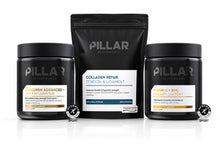
The current Pillar Performance Triple Magnesium Powder is a useful live example because it combines citrate, an amino-acid chelate and glycinate. Its label lists 310mg total elemental magnesium per 5g serve, with 50mg from citrate, 210mg from the amino-acid chelate and 50mg from glycinate. Check the live panel and certification before you buy, because formulas change.
A blend is not automatically better than a single form. It simply gives you several forms in one serve. The total elemental amount, your tolerance and the evidence behind any claim still decide whether it suits you.
How much magnesium is too much?
The US Food and Nutrition Board sets a tolerable upper intake level of 350mg a day for magnesium from supplements and medicines for adults. That limit does not include magnesium naturally present in food. New Zealand products also need to follow local rules and their own label directions.
The 350mg figure is a population safety limit, not a target. Do not add multiple magnesium products without counting the total. Pre-workouts, electrolytes, sleep blends and multivitamins can all contribute.
High supplemental intakes commonly cause diarrhoea, nausea and abdominal cramping. The risk of serious toxicity rises when kidney function is impaired because the body cannot clear excess magnesium normally. Magnesium can also interfere with some antibiotics and bisphosphonate medicines. Ask a pharmacist about spacing if you use either.
Which form should you choose?
Choose citrate if you want a widely used organic form with better direct absorption evidence than oxide and you tolerate it. Consider glycinate if gut tolerance is your main practical concern, while keeping your expectations about sleep and recovery grounded.
The magnesium glycinate vs citrate choice is a label and tolerance decision, not a contest with one permanent winner.
If a formula blends both, judge the full label. Check elemental magnesium, the recommended serve, extra vitamin B6 or other actives, allergens and independent sport testing if you compete. A giant compound number on the front is not a reason to buy it.
Magnesium can also appear in the electrolyte range, so read when electrolytes help and how overlap happens. If sport certification matters, start with the Tested for Sport collection and verify the exact product and batch before use.
Want to see the current option in the NZ Supps range? Check the Pillar Performance collection, compare the live label, then use the stack finder if you want a goal-led route through the wider range.
Is magnesium glycinate better than citrate?
Not across the board. Citrate has stronger direct human evidence for absorption than oxide and some other forms. Glycinate may suit people who prefer its gut-tolerance profile, but direct evidence proving it is better than citrate for sleep or recovery is limited.
Can you take magnesium glycinate and citrate together?
Some products combine them. Count the total elemental magnesium from every source and follow the label. Do not stack separate products blindly, especially if you use medicines or have impaired kidney function.
Which magnesium is best for sleep?
No form has strong evidence proving it is the universal best for sleep. Glycinate is marketed heavily for evening use, but marketing is ahead of direct comparative research. Persistent sleep trouble deserves proper assessment rather than a bigger supplement serve.
What does elemental magnesium mean?
Elemental magnesium is the amount of magnesium supplied by the full compound. It is the number to use when comparing serves. The larger weight of magnesium citrate or glycinate includes the citrate or glycine bound to the mineral.
Who should check with a doctor or pharmacist first?
Get advice if you have kidney disease, are pregnant, take regular medicines or are treating a health condition. Magnesium can interact with some antibiotics and osteoporosis medicines, and impaired kidney function raises the risk from excess magnesium.
Sources and health note
This is general information and does not replace medical advice. Evidence was checked against the NIH magnesium fact sheet, the randomised citrate, chelate and oxide trial, and the diglycinate trial in people with ileal resection. Claims and product wording must also meet the NZ Therapeutic and Health Advertising Code.