SHOP NOW, PAY LATER










 Informed Sport
 Informed Choice
 NSF Certified for Sport
 HASTA Certified

You need electrolytes in your body, but you do not need an electrolyte supplement for every workout. Most people training for less than 60 to 90 minutes in normal weather can usually cover fluid and minerals through water and normal food. Electrolyte products become more useful during long sessions, hot conditions, heavy sweating or repeated training. And yes, you can have too many electrolytes, especially when several products, medicines or health conditions overlap.
The question "can you have too many electrolytes?" matters because the category gets marketed as flavoured water with benefits. It is still a dose of minerals. Some tubs also add carbohydrate, caffeine, vitamins or amino acids. One label serving might be modest. Several scoops on top of a salty diet, pre-workout and recovery formula can be a different story.
This guide covers sports hydration for generally healthy adults. Vomiting, diarrhoea, severe dehydration, kidney disease and diagnosed electrolyte problems need clinical advice. A sports electrolyte powder is not the same as a pharmacy oral rehydration solution.
Quick answer
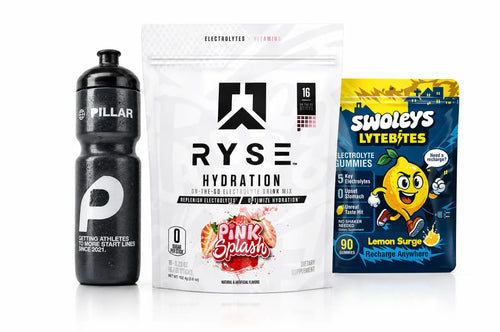
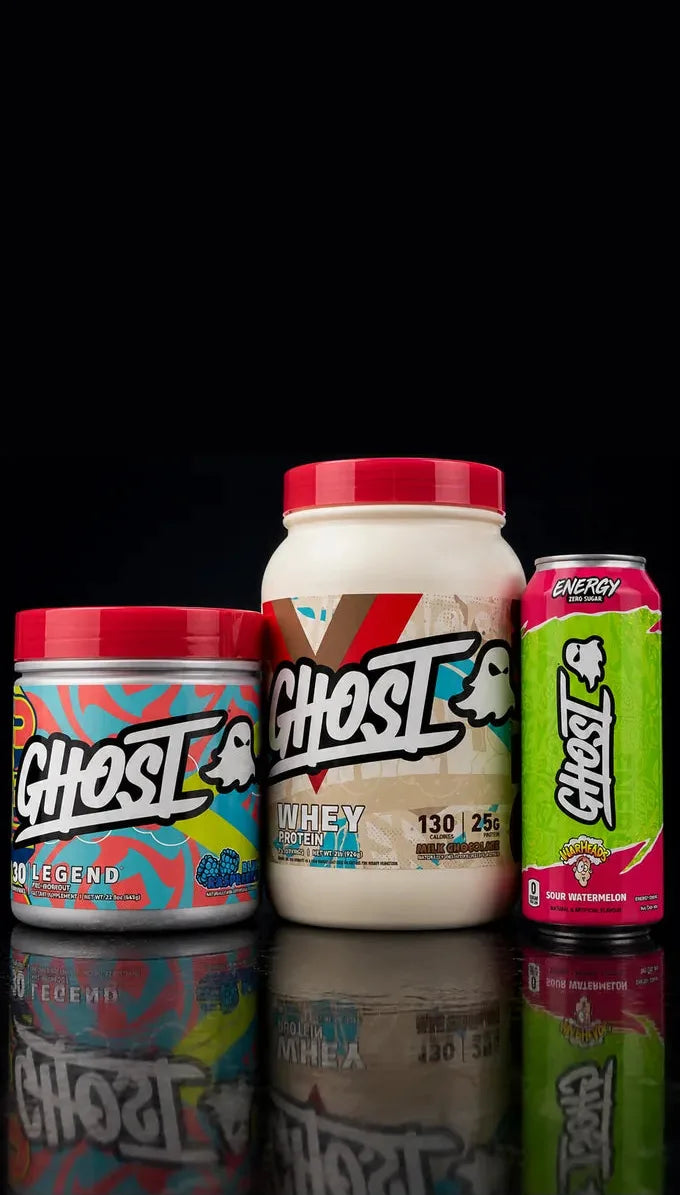
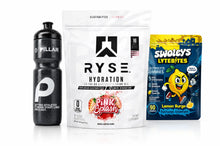
Your body needs electrolytes every day, but most gym sessions do not need a supplement. Under 60 to 90 minutes in normal weather, water and your usual meals cover it; a product earns its place in long, hot, heavy-sweat or back-to-back sessions. And yes, you can have too many: one serve of Pillar, Ghost or Ryse hydration adds 320 to 400 mg of sodium, 16 to 20% of the 2,000 mg daily guide, before food and other supplements.
What electrolytes actually are
Electrolytes are minerals that carry an electrical charge in body fluids. Sodium, potassium, chloride, magnesium and calcium help with normal fluid balance, nerve signals and muscle function.
You get them from food and drinks every day. Sodium and chloride arrive mainly as salt. Potassium is common in potatoes, legumes, fruit, vegetables and dairy foods. Magnesium comes from foods including nuts, seeds, whole grains and leafy vegetables.
Sweat contains water and electrolytes, especially sodium and chloride. The amount lost varies a lot. Two people can do the same session and finish with very different sweat volumes and salt marks on their shirts. That is why a universal "one scoop every day" rule makes little sense.
When do you need an electrolyte drink?
An electrolyte drink is most useful when the session or environment creates a real replacement job:
- Long endurance training or competition
- Hard training in hot or humid conditions
- Repeated sessions with limited recovery time
- Work or sport in protective clothing that traps heat
- A personal pattern of heavy, salty sweating
The American College of Sports Medicine says most fitness exercisers and athletes training for less than 60 to 90 minutes a day in normal weather are unlikely to become dehydrated or depleted of electrolytes. That covers a lot of ordinary gym sessions.
For a 45-minute weights workout in an air-conditioned gym, water and a normal meal may be enough. For a two-hour run in summer, a long tournament or a physical shift in the heat, a planned fluid and sodium strategy makes more sense.
Plan from what you lose, not what an influencer drinks. Weighing before and after a representative session can estimate fluid loss. One kilogram of body-weight change is roughly one litre of net fluid change, although drinking and bathroom stops during the session affect the calculation.
Can you have too many electrolytes?
Yes. Your kidneys regulate sodium, potassium and water, but they are not an unlimited disposal system. The risk depends on the mineral, dose, timing, kidney function, medicines, food intake and how much fluid you drink.
To answer "can you have too many electrolytes?" properly, add every source together. The hydration scoop is only one line in the day.
Too much sodium across the whole diet matters for long-term health. Healthify NZ advises adults to have no more than 5g of salt, equal to about 2,000mg sodium, per day for general heart-health guidance. An electrolyte serve is only one part of that total. Processed food, sauces, bread and takeaway meals can supply much more.
Sodium from 1, 2 or 3 serves, as a share of the 2,000 mg daily guide
Bars are to scale: a full bar is the Healthify NZ guide for adults, no more than about 2,000 mg sodium a day. Sodium per serve as listed on each product page: Pillar 400 mg, Ghost 323 mg, Ryse 320 mg, 24 September 2026.
In-stock powders and sticks that list sodium. Pillar tub and sticks list the same 400 mg a serve. Food and other supplements are not included.
Potassium needs extra care. NIH guidance says healthy kidneys usually remove excess dietary potassium, but very high amounts from supplements or salt substitutes can overwhelm that system. Kidney disease, ACE-inhibitor medicines and potassium-sparing diuretics can raise the risk of high blood potassium.
Magnesium from supplements can cause diarrhoea, nausea and cramping as the dose rises. Check whether your electrolyte, magnesium product, multivitamin and pre-workout all contain it.
More is not a shortcut to better hydration. Follow the label serving. Do not dry-scoop electrolyte powder, and do not make a concentrated drink by guessing the water amount.
Can too much water cause an electrolyte problem?
Yes. During prolonged exercise, drinking far more plain water than you lose can dilute blood sodium. This is called exercise-associated hyponatraemia. It is a water-balance problem, not simply proof that you needed the saltiest product on the shelf.
Drink to a sensible plan rather than forcing litres because "hydration is good". The right amount depends on your sweat rate, conditions, duration and what you can tolerate. Endurance athletes should practise their plan in training and get sports-dietitian guidance for long or hot events.
Headache and nausea can come from many ordinary causes, so do not diagnose an electrolyte disorder from symptoms alone. Sudden confusion, repeated vomiting, a seizure or reduced consciousness during or after exercise needs urgent medical assessment.
How to read an electrolyte label
| Label line | Why it matters | What to check |
|---|---|---|
| Serving size | Sets every number below it | One scoop, two scoops or a tablet, plus the required water |
| Sodium | Main mineral lost in sweat | Milligrams per prepared serve and the stated water volume |
| Potassium | Supports normal cell and nerve function | Total across supplements, salt substitutes and medicines |
| Magnesium | May overlap with other daily products | Elemental amount and total supplemental intake |
| Carbohydrate and sugars | Can provide fuel during longer work | Whether you need fuel, not whether sugar is morally "good" or "bad" |
| Caffeine | Changes the product from simple hydration | Total daily caffeine and time of use |
Products vary widely. A light hydration powder is different from an intra-workout formula containing a large carbohydrate serve. A caffeinated hydration mix is different again. Compare the prepared serving, not the size of the scoop.
| Product and extras | Sodium | Potassium | Magnesium |
|---|---|---|---|
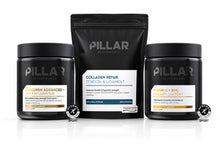
| Pillar Performance Electrolyte Hydration (tub or sticks) | 400 mg | 190 mg | 80 mg |
|
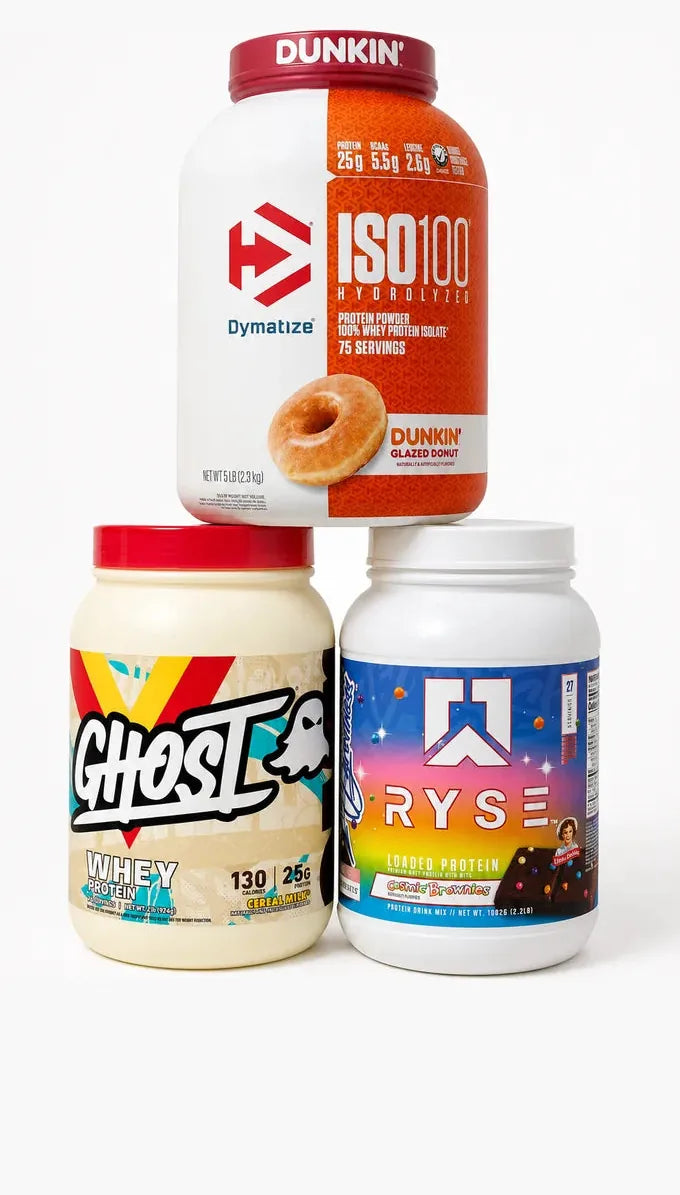
Ghost Hydration plus 1,500 mg taurine |
323 mg | 1,036 mg | 565 mg |
|
Ryse Core Hydration plus 1,000 mg taurine |
320 mg | 173 mg | 74 mg |
|
GAT Sport Nitraflex Hydration Our listing shows 325 mg caffeine. GAT's own page differs, so check the pack. See the GAT Sport range guide. |
Not listed | Not listed | Not listed |
For price per serve and every format side by side, see every electrolyte we stock, ranked by sodium.
People asking "can you have too many electrolytes?" should also check caffeine, vitamin B6 and other extras. The problem may come from an overlapping ingredient rather than sodium alone.
If a pre-workout sits beside your hydration product, check how much caffeine is in your pre-workout before combining them.
The NZ Supps electrolyte collection shows live labels. Filter from your use case, then verify the exact mineral amounts and directions on the product page.
Do sugar-free electrolytes work?
They can replace minerals without adding much carbohydrate. That suits short sessions where you want flavour and sodium but do not need extra fuel.
Carbohydrate can be useful during longer exercise because it supplies energy and can help fluid absorption in properly formulated drinks. That does not mean every gym session needs sugar. It means the job changes with the session.
The electrolyte collection lets you compare current carbohydrate and sodium amounts side by side. For this article, the important point is to avoid choosing by the front label alone.
If your hydration product contains magnesium, the magnesium glycinate vs citrate guide explains why elemental magnesium matters more than the larger compound weight.
Should you drink electrolytes every day?
Not by default. A daily serve can be practical for someone with a consistent high-sweat workload in hot conditions. It may be pointless for someone doing a short indoor session and eating a normal diet.
Can you have too many electrolytes even when every product is used at its label serve? Yes, if several products overlap or your health changes how you clear a mineral.
Daily use also makes label overlap easier to miss. Check pre-workout, greens, magnesium, multivitamins and hydration products together. If a clinician has told you to limit sodium, potassium or fluid, follow that plan rather than a general sports article.
For illness-related dehydration, ask a pharmacist or clinician about oral rehydration salts. Healthify notes that ORS uses a specific balance of salts and glucose. It also warns that ORS may not suit people with kidney disease or low-salt or low-potassium diets.
A simple decision rule
Start with water for short, normal-condition training. Add electrolytes when duration, heat, repeated work or your own heavy sweat creates a clear reason. Add carbohydrate when the session needs fuel as well as fluid.
Water first
- Sessions under 60 to 90 minutes in normal weather
- Water and your usual meals cover fluid and minerals
- Save the scoop for the days that need it
Add electrolytes
- Sessions past 60 to 90 minutes, or hard work in heat and humidity
- Repeated sessions with little recovery, or shifts in protective clothing
- Heavy, salty sweat that leaves marks on your shirt
- Plan the amount with the sodium per hour guide
Add carbohydrate too
- Long rides, runs, games or tournaments
- Pillar and Ghost list about 5 calories a serve, so they replace minerals, not fuel
- Add food, a sports drink or isotonic gels (97 calories each)
If you regularly finish long sessions much lighter, get salt crust on clothing, cramp alongside other signs of poor hydration, or struggle to recover between sessions, collect better information rather than blindly doubling the scoop. A sports dietitian can help build a plan.
Need a product for a genuine sweat-heavy session? Compare the live electrolyte range, or use Build Your Stack to place hydration beside the rest of your training setup without doubling up by accident.
Can you drink too many electrolytes in one day?
Yes. Several serves can push sodium, potassium, magnesium or added ingredients higher than intended. Count all products and food, follow the label and get advice if kidney function or medicines affect mineral balance.
How do you know if you need electrolytes?
Duration, heat and sweat loss are better clues than thirst alone. A short indoor workout usually needs water. Long, hot or repeated sessions and heavy salty sweating make an electrolyte plan more useful.
Is it better to drink water or electrolytes?
Water is the default for ordinary daily hydration and many short sessions. Electrolytes have a job when you are replacing meaningful sweat losses. Neither should be forced in excessive amounts.
Can electrolytes be bad for your kidneys?
People with healthy kidneys usually regulate minerals well, but kidney disease can reduce that ability. Potassium and magnesium deserve particular care. Ask your doctor or pharmacist before using electrolyte supplements if you have kidney problems.
Do electrolytes help with cramps?
Cramps have several possible causes, and an electrolyte drink is not a guaranteed fix. If cramps happen alongside long, hot, sweat-heavy exercise, fluid and sodium may be part of the picture. Repeated or severe cramps deserve proper assessment.
Sources and health note
This article is general information, not a treatment plan. Exercise guidance comes from the American College of Sports Medicine hydration overview. Safety context comes from the NIH potassium fact sheet, Healthify NZ sodium guidance and Healthify NZ oral rehydration guidance.