SHOP NOW, PAY LATER









 Informed Sport
 Informed Choice
 NSF Certified for Sport
 HASTA Certified

Yes, sodium helps you hold onto fluid, but only in specific situations: heavy or prolonged sweating, pre-exercise hyperhydration, or when you’ve been drinking so much plain water that you’re diluting your blood sodium. Practical ranges run about 300 to 600 mg per hour during long efforts and roughly 40 to 50 mmol/L in post-exercise recovery drinks. More isn’t automatically better. Excess sodium supplementation can backfire for some people.
Quick answer
During long or hot sessions, aim for about 300 to 600 mg of sodium an hour. The electrolyte powders and sticks we have in stock list 320 to 400 mg of sodium a serve, so that is about one to two serves an hour. After the session, a rehydration drink around 40 to 50 mmol/L of sodium holds fluid better than plain water, and short gym sessions rarely need either.
TL;DR:
- Sodium intake during exercise should be around 300 to 600 mg per hour for prolonged or hot-weather activities, depending on individual sweat rates.
- Post-exercise rehydration solutions typically contain 40 to 50 mmol per liter of sodium to effectively promote fluid retention.
- Overhydration with plain water during exercise can cause dangerous hyponatremia, especially in slower marathon finishers who drink excessively without replenishing sodium.
- Most people do not need daily sodium supplements outside of specific exercise contexts, and excess intake can increase blood pressure and cardiovascular risks.
- Finding your sodium loss rate involves measuring sweat sodium and considering signs like crusty salt on clothing or formal testing for persistent cramps or high sweat rates.
Table of Contents
- Why sodium matters for hydration and fluid balance
- How much sodium do you need before, during, and after exercise?
- Practical ways to get sodium into your routine
- When sodium becomes a risk instead of a help
- Are you a “salty sweater”? How to find your number
- Why sodium strategy is more nuanced than most advice admits
- Match your hydration plan to the right NZ Supps product
- Sources
Why sodium matters for hydration and fluid balance
Sodium is the electrolyte that decides where water goes in your body. It sits outside your cells as the dominant particle controlling plasma osmolality, which is the pressure gradient that pulls water into your bloodstream or lets it drain into urine. When that gradient shifts, water follows.
Drink a liter of plain water fast, and your kidneys sense diluted blood sodium and respond by flushing the excess out as urine within an hour or two. Add sodium to that water, and you blunt that diuresis. The fluid stays in circulation longer instead of passing straight through you. That’s the entire mechanism behind sodium’s ability to increase fluid retention: it’s not that sodium hydrates you directly, it’s that it stops your body from getting rid of water you just drank.
Sodium doesn’t work alone. A few supporting facts worth knowing:
- Potassium works opposite sodium at the cellular level, helping maintain the electrical gradient nerves and muscles depend on.
- Chloride tags along with sodium in nearly every hydration product, since sodium chloride (table salt) is the most common delivery form.
- Blood volume itself depends on adequate sodium; too little, and your body can’t hold enough plasma to keep circulation efficient during exercise.
This is why sodium electrolyte balance, not sodium in isolation, is the real target when you’re trying to stay hydrated under load.
How much sodium do you need before, during, and after exercise?
Timing changes the math. What works as a race-morning tactic looks nothing like what you’d want during a two-hour ride or after you’re already done sweating.
Before exercise, hyperhydration only makes sense if you’re facing something extreme: a long event in heat, a history of cramping, or a start time where you can’t easily drink during the first hour. The tactic is to drink a high-sodium solution 1 to 4 hours beforehand so your body expands extracellular fluid and holds onto it through thirst-driven intake. This isn’t something to do before a routine gym session. It’s a pre-event strategy, and pre-exercise sodium loading works by expanding fluid volume you carry into the effort, not by preventing dehydration once you’ve started.
During exercise, the range that shows up across sport-nutrition reviews is 300 to 600 mg of sodium per hour for prolonged or heavy-sweat activity. A 45-minute gym session almost never needs this. A three-hour trail run in July usually does. Long tramps count too, and electrolytes for hiking covers what to carry for a full day on the track.
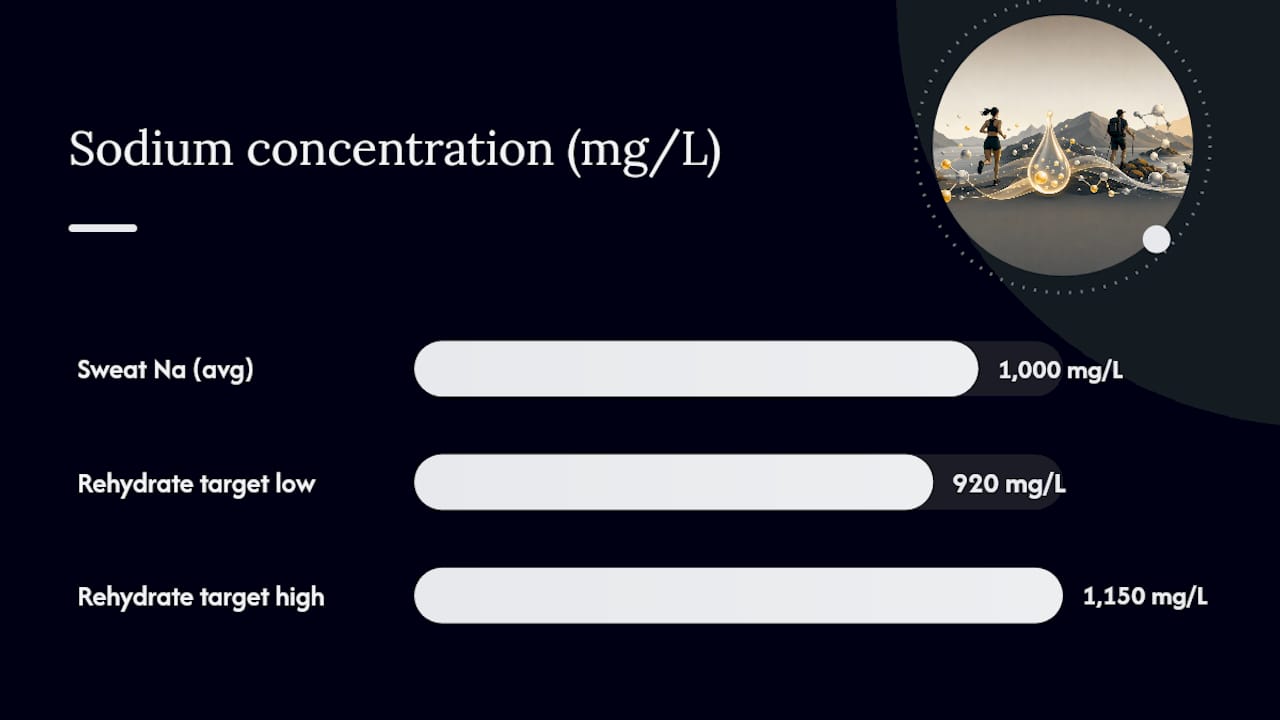
By the numbers: Sweat rates vary from 0.3 to 2.4 liters per hour, and average sweat sodium concentration runs around 1 gram per liter (roughly 50 mmol/L). That spread is why a single fixed dose doesn’t fit every athlete.
After exercise, the target shifts to concentration rather than hourly dosing. Rehydration beverages built around 40 to 50 mmol/L of sodium (about 920 to 1,150 mg per liter) measurably improve fluid retention compared with plain water or weaker solutions.
- Pre-exercise: high-concentration dose, 1 to 4 hours out, only when hyperhydration is warranted.
- During exercise: 300 to 600 mg/hour for long or hot-weather efforts.
- Post-exercise: 40 to 50 mmol/L in your rehydration drink.
There’s a ceiling here, too. Solutions that taste too salty tend to get people drinking less overall, which defeats the purpose. Palatability is a real design constraint, not a minor detail.
Practical ways to get sodium into your routine
Turning those numbers into something you actually do comes down to matching product to context. A few common options:
- Sports drinks work well for during-exercise sodium because you’re getting fluid and electrolytes together, and Ohio State’s exercise physiology guidance points to activities lasting more than 45 to 60 minutes as the threshold where they start earning their place over water.
- Electrolyte sachets give you dosing control since you decide the concentration by how much water you mix in, which makes them useful when you want to hit a specific mg-per-hour target. NZ Supps carries electrolyte sachet options if you want a sense of typical serving sizes.
- Salty recovery foods (think pretzels, salted broth, or just adding a pinch of salt to a post-workout meal) work fine for shorter efforts where a dedicated drink is overkill.
- NaCl capsules let heavy sweaters dose precisely without dealing with a strong salty taste, which matters if you’re someone who struggles to stomach salty fluids mid-race.
Pro Tip: Coconut water is a poor stand-alone rehydration choice for heavy sweat losses. Its natural sodium content is low, and dietitians at Johns Hopkins note that adding a small measured pinch of salt turns it into a far more effective option.
If you’re weighing sugar content alongside sodium, it’s worth comparing sugar versus sugar-free electrolyte formulas before picking a product, since the carbohydrate load matters for longer efforts too.
When sodium becomes a risk instead of a help
Sodium mismanagement runs in both directions, and the overhydration side gets less attention than it deserves. Hyponatremia happens when someone drinks large volumes of plain water during prolonged exercise without replacing sodium, diluting blood sodium to dangerous levels. Early signs include nausea, headache, bloating, and confusion. Left unaddressed in extreme cases, it can progress to seizures. It’s more common in slower marathon finishers who drink at every aid station than in fast runners who barely have time to grab a cup.
The other direction matters just as much for long-term health, separate from exercise. Chronic high sodium intake paired with low potassium intake raises blood pressure and cardiovascular risk, which is a real concern if you’re using sodium supplementation as a daily habit rather than an exercise-specific tool.
- Don’t supplement heavily on days you’re not training hard or sweating significantly.
- If you have hypertension, kidney disease, or take blood pressure medication, talk to a clinician before adding regular sodium supplementation.
- Treat sodium as situational, tied to sweat losses and activity duration, not a daily default.
Most people, athletes included, don’t need routine sodium supplements outside of the specific windows where sweat losses justify it.
Are you a “salty sweater”? How to find your number
Not everyone loses sodium at the same rate, and figuring out where you land takes about ten minutes of homework.
- Weigh yourself before and after a training session without eating or drinking in between; the weight lost is a rough proxy for sweat volume, and combined with duration it gives you liters per hour.
- Check your gear after a hard sweat session. White, crusty salt lines on a dark shirt or hat are a visible sign you’re losing sodium at a higher rate than average.
- Consider formal sweat-sodium testing if you’re training for ultra-distance events, dealing with recurring cramps despite solid hydration habits, or consistently landing above 1.2 liters per hour in sweat rate. Sweat testing can reveal losses that justify a tailored replacement plan rather than a generic one.
- Trial your sodium timing in training, never on event day for the first time, and adjust based on how you feel and perform.
Step 1 assumes you do not drink during the session. If you do, add what you drank to the weight you lost before dividing by the hours. How to measure your sweat rate walks through the full method, including toilet stops.
If none of that clarifies things, a sports dietitian can shortcut the guesswork. If you still feel flat on long sessions despite good hydration, it is worth reading about iron for endurance athletes.
Why sodium strategy is more nuanced than most advice admits
Most hydration content treats sodium like a supplement you take, similar to creatine or protein. It isn’t. Sodium is a lever you pull to control fluid balance, and pulling it when you don’t need to is just as wrong as ignoring it when you do. In my read of the research, the biggest mistake active people make isn’t under supplementing during long efforts. It’s over supplementing on ordinary days when a normal diet already covers their needs.
Applying this well means matching sodium intake to sweat duration and rate, not to habit. NZ Supps stocks hydration formulas built around the mg-per-hour and mmol/L ranges covered here, which gives you a practical starting point rather than a guess. If you have hypertension, kidney disease, or another condition affecting sodium handling, loop in a clinician before changing your intake.
Blake
Match your hydration plan to the right NZ Supps product
Once you know your sweat rate and roughly how much sodium you’re losing per hour, picking a product is straightforward. NZ Supps sells hydration sachets built for exactly the ranges covered above, so you’re not eyeballing concentrations on race morning.
Here is how the four electrolytes in stock with sodium on the label line up against the 300 to 600 mg an hour range, and what an hour of each costs.
| Product | Sodium a serve | Serves an hour | Cost an hour | Recovery mix water |
|---|---|---|---|---|
| Pillar Performance Sticks, 30 serves | 400 mg | 0.75 to 1.50 | $1.27 to $2.55 | 350 to 430 ml |
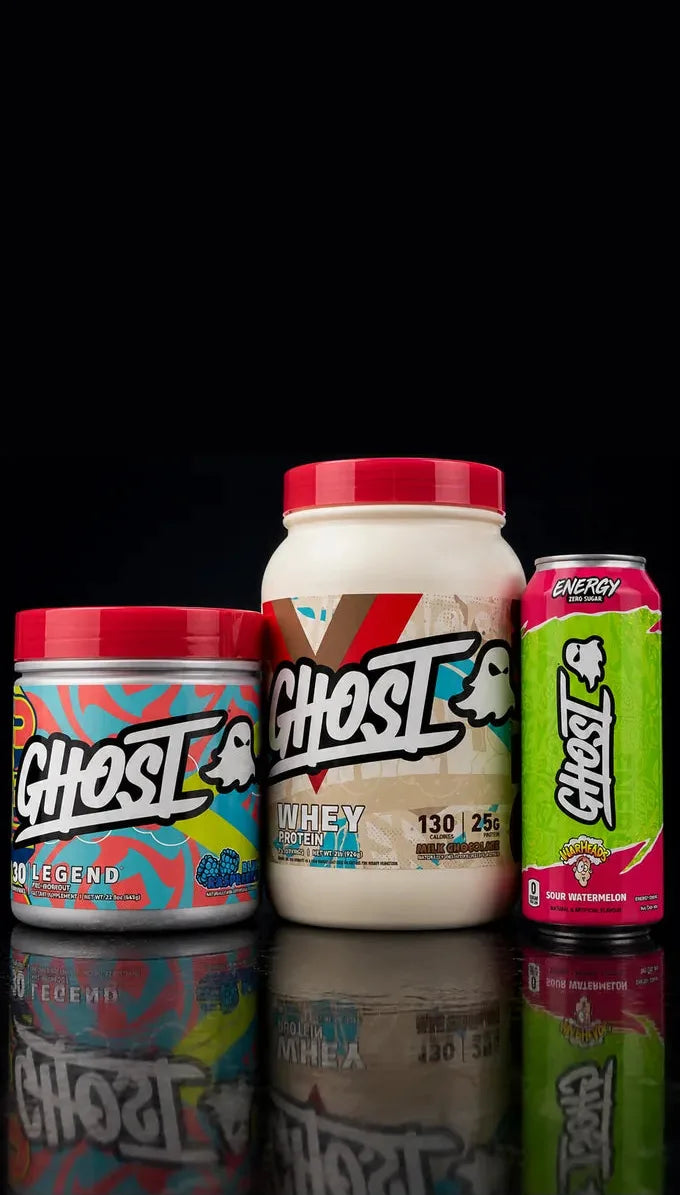
| Ghost Hydration, 40 serves | 323 mg | 0.93 to 1.86 | $1.39 to $2.79 | 280 to 350 ml |
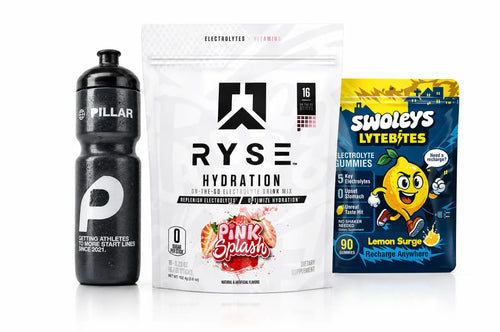
| Ryse Core Hydration, 16 serves | 320 mg | 0.94 to 1.88 | $2.50 to $5.01 | 280 to 350 ml |
| Pillar Performance tub, 15 serves | 400 mg | 0.75 to 1.50 | $2.70 to $5.40 | 350 to 430 ml |
The last column is for the drink after the session: one serve in that much water lands at 40 to 50 mmol/L. During the session the hourly total matters more than the strength of each bottle, so a standard mix is fine there. Follow the label for how many serves to take in a day.
Cost of 600 mg of sodium
Serves needed for 600 mg, times the price a serve. That is the top of the 300 to 600 mg an hour range, so an hour at 300 mg costs half. In stock at NZ Supps, prices at 24 September 2026.
Blue: Pillar Performance, the two options here in our Tested for Sport range.
Two things stand out. The Pillar Performance sticks and tub carry the same 400 mg of sodium a serve, but the 30-serve box of sticks works out at $1.70 a serve against $3.60 for the 15-serve tub, less than half the cost for the same formula. Pillar is also the only one of the four in our Tested for Sport range, which matters if you compete in a drug-tested sport. Ghost Hydration comes close to the sticks on cost, and each serve also lists 1,036 mg of potassium and 565 mg of magnesium, well above the others, which is worth knowing if you already take a magnesium supplement.
Not in the table: GAT Sport Nitraflex Hydration lists no sodium on our listing and 325 mg of caffeine a serve, so count it as a pre-workout, not a sodium source. Check the pack. The Swoleys Electrolyte Gummies panel lists 10 mg of sodium per two-gummy serve, a light top-up rather than a way to reach 300 mg an hour (more in our Swoleys electrolyte gummies guide).
For training sessions and long endurance efforts, the Pillar Performance Electrolyte Hydration Sticks in Citrus each hold 400 mg of sodium and mix into a single serving that lands in the useful mg-per-hour window for prolonged sweating. If you’d rather rotate flavours to keep drinking consistent over a long event, the Passionfruit version covers the same dosing ground with a different taste profile, which helps when palatability fatigue sets in over hours of racing. Use one sachet per bottle during activity, and consider a slightly stronger mix in your immediate post-exercise drink to hit that 40 to 50 mmol/L retention target. If you’re also stacking creatine into your routine, it’s worth checking how much water you need alongside it to avoid working against your sodium strategy.
Start with one sachet on your next long session and adjust from there based on how you feel, not on a generic label recommendation.
This article is general information, not a substitute for advice from a qualified doctor. Consult a qualified healthcare professional about your own circumstances before acting on anything here.
Sources
- Sodium intake for athletes before, during and after exercise: review and recommendations | Performance Nutrition | Springer Nature
- PMC article (sports nutrition review)
- CDC: Sodium and potassium health
Recommended
- Electrolyte Sachets NZ: Best Options + How Many Per Day
- Sugar vs Sugar-Free Electrolytes: Which Is Better?
- Do You Need Electrolytes, and Can You Have Too Many?
Use the sodium label checks from this guide when browsing electrolytes NZ. Compare the mineral entries alongside the serving size and mixing instructions, then choose a format you can use in your usual routine.