SHOP NOW, PAY LATER









 Informed Sport
 Informed Choice
 NSF Certified for Sport
 HASTA Certified

You have the boots, the rain jacket and the snacks sorted. Water is in the pack. But on a long climb out of a valley on a warm day, water alone can leave you feeling flat, crampy or oddly heavy. So do you need electrolytes for hiking? For short, cool walks, usually not. For long, hot or sweaty days on the track, a bit of sodium makes a real difference.
The short answer
- Short, cool walks: water and normal food are usually enough.
- Long days, big climbs or heat: add sodium to some of your water. Sticks are the easiest option.
- Do not over-drink plain water. On long sweaty efforts, replace sodium rather than forcing down extra water.
- Pack light: single-serve sticks or gummies beat carrying a whole tub.
When water alone is fine, and when to add sodium
When you sweat, you lose water and electrolytes, mostly sodium. On a short walk you lose too little to matter, and your next meal replaces it. The picture changes on longer efforts.
The American College of Sports Medicine's guidance on fluid replacement recommends replacing sodium during long, hot or sweaty exercise and avoiding drinking too much plain water (Sawka et al. 2007). Over-drinking water while losing salt through sweat can dilute the sodium in your blood, which is a genuine risk on long days rather than a scare story.
Add electrolytes when any of these apply:
- You will be walking for more than a few hours
- It is warm or humid, or you are climbing in full sun
- You are a heavy or salty sweater (white marks on your cap or pack straps are a clue)
- You are carrying a heavy pack up big climbs
- You are on day two or three of a multi-day tramp
In cool conditions on an easy track, water and a salty snack will usually cover you.
How much sodium?
There is no single number that suits everyone. Sweat rate and how salty your sweat is both vary a lot between people, and they change with the weather and how hard you are working.
A practical approach is to start with one electrolyte serve per bottle on warm or long days, then adjust based on how you feel. If you finish big days with a headache, cramps or salt crusted on your clothes, you probably need more. If you want to get more precise, it is easy to measure your sweat rate at home before a trip. For the detail on targets, our guide to sodium per hour goes deeper.
Formats for the pack
On the track, weight and mess matter. Here is how the main formats compare.
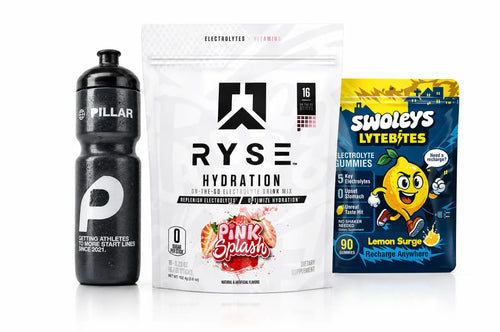
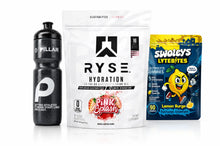
Sticks. Single-serve, sealed and pre-measured, which makes them the easiest thing to carry. Pillar Electrolyte Hydration Sticks give you 400mg of sodium plus potassium and magnesium in each 7g stick, with no added sugar. Ryse Core Hydration sticks are sugar-free with six electrolytes, and there are 16 sticks in a box.
Gummies. Good if you do not want to flavour your water, or you only carry one bladder. Swoleys LyteBites give you sodium, potassium, magnesium and calcium in a chewable gummy. Just chew and keep walking.
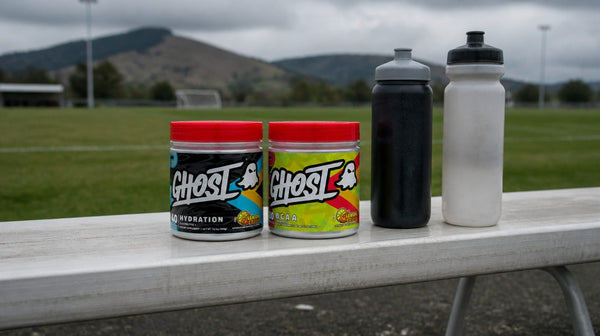
Powder in a bag. If you already own a tub, portion serves into small zip-lock bags before you leave. Ghost Hydration is a sugar-free option with sodium, potassium, magnesium, chloride and calcium. This is the cheapest way to cover a long trip, but it is a bit messier than sticks.
A handy tip: keep a couple of sticks or a small bag of electrolyte gummies in your hip-belt pocket. If you have to dig through your pack to find them, you will not bother.
One more thing. Sugar-free electrolytes replace salts, not energy. On a big day you still need to eat. Our guide to tramping food covers what to pack so you do not run low on fuel.
A simple plan: day walk vs multi-day
| Trip | Conditions | Electrolyte plan | Pack |
|---|---|---|---|
| Short day walk | Cool, easy track | Water and a salty snack | Nothing extra |
| Long day walk | Warm, big climbs | One serve per bottle after the first hour or two | 2 to 3 sticks |
| Multi-day tramp | Mixed weather | One to two serves on hot or big days | 1 to 2 sticks per day, plus spares |
| Hot summer trip | Heat, full sun | A serve in most bottles, drink to thirst | Extra sticks or gummies |
Treat this as a starting point and adjust it after your first trip or two.
Where NZ Supps fits
We stock a wide range of electrolytes in formats that suit the track, from Pillar electrolytes in sticks and tubs to Fresh Supps hydration. Orders ship from within New Zealand, so you can stock up before your next trip.
If you train as well as tramp, the Find Your Stack quiz can point you to the rest of the supplements that fit your goals.
FAQ
Do you need electrolytes for a day hike? For a short, cool walk, water and your normal meals and snacks are usually enough. Once you are out for several hours, sweating on climbs or walking in the heat, adding sodium to some of your water is a sensible move.
Can you drink too much water while hiking? Yes. Drinking large amounts of plain water on a long, sweaty day without replacing sodium can dilute your blood sodium, which is a real risk. Drink to thirst and add electrolytes on long or hot efforts rather than forcing water down.
What is the best electrolyte format for tramping? Single-serve sticks are the easiest to pack because they are light, sealed and pre-measured. Gummies suit people who do not want to flavour their water. Powder from a tub works too if you portion it into small zip bags before you leave.
How much sodium do I need when hiking? It varies a lot from person to person, because sweat rate and sweat saltiness differ. A 400mg sodium stick in a bottle is a practical starting point on warm or long days. Measuring your sweat rate is the best way to fine tune it.
Can I use electrolytes on a multi-day tramp? Yes, and they are especially useful when you are sweating day after day with limited fresh food. Plan roughly one to two serves for each hot or big day, and carry one or two extra in case the weather turns warm.