SHOP NOW, PAY LATER












 Informed Sport
 Informed Choice
 NSF Certified for Sport
 HASTA Certified

Protein shakes are usually better value if you only care about protein per dollar. Protein bars cost more for the same amount of protein, but they are easier to carry, require no water or shaker, and feel more like a snack. For a daily protein top-up at home, buy powder. For the glovebox, work bag or airport, a bar can earn the premium.
That is the short answer to protein bars vs protein shakes. The useful answer needs two calculations: cost per serve and cost per gram of protein. A cheap-looking bar with 9g of protein can be worse value than a dearer bar with 20g. A large tub can look expensive at checkout while costing half as much each time you use it.
The figures below use live NZ Supps prices checked on 4 August 2026. Prices, specials and labels change, so treat them as a worked example and check the current product page before buying.
Protein bars vs protein shakes at a glance
| Format | Live example | Protein | Approx. cost | Approx. cost per gram |
|---|---|---|---|---|
| Whey shake | Basic Supplements Whey 2.27kg | 25g | $2.36 per serve | 9 cents |
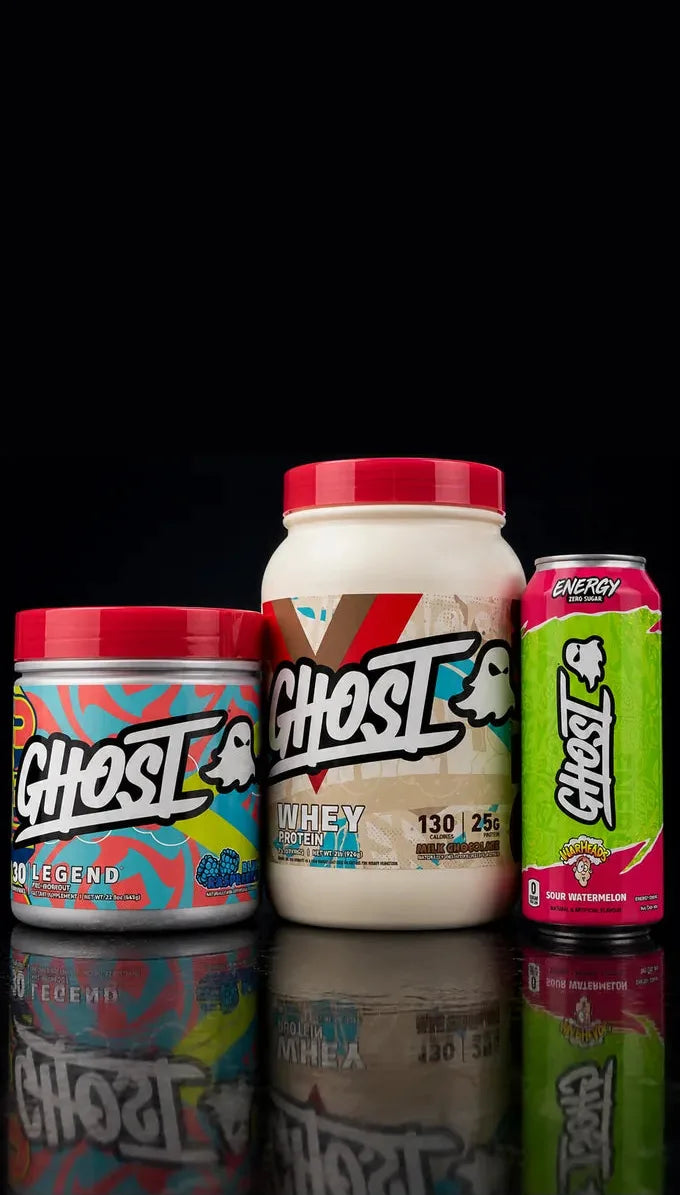
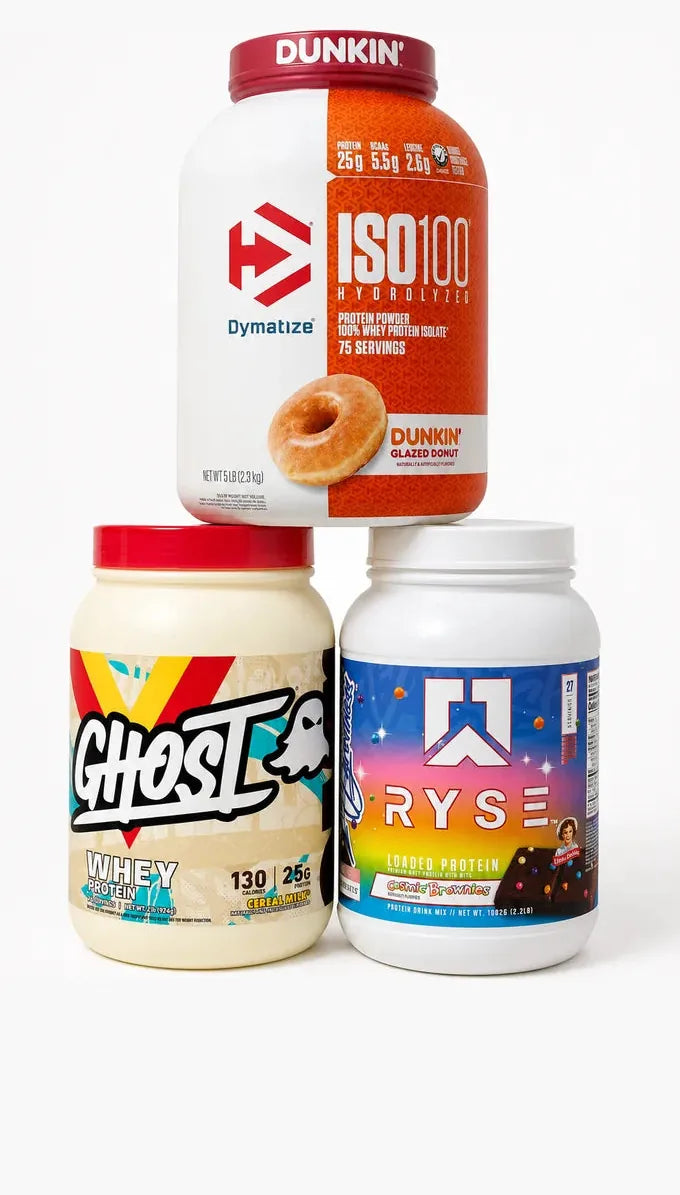
| Whey shake | Ghost Whey 1.014kg | 25g | $3.23 per serve | 13 cents |
| Protein bar | MusclePharm Combat Sport Bar four-pack | 20g | $4.46 per bar | 22 cents |
| Protein chocolate | Vitawerx 12-pack | About 9g | $4.49 per piece | About 49 cents |
The cheapest powder example supplies roughly twice as much protein per dollar as the 20g bar. The protein chocolate costs more again because you are buying a chocolate-style snack that happens to contain protein, not a lean protein serve. If a peanut butter treat is more your style, see our review of Quest Protein Cravings.
This is not a quality ranking. It is a value calculation. If the bar stops you buying a second lunch at a petrol station, its practical value may be much better than the table suggests.
A fair protein bars vs protein shakes comparison needs that context. The cheapest protein source is not automatically the best tool for a day when you cannot mix it.
How to calculate the value yourself
Start with the price you will actually pay, not the recommended retail price crossed out above it. Divide that by the number of serves. Then divide the cost per serve by the grams of protein in that serve.
For a $148.45 tub with 63 serves, the serve cost is about $2.36. If each serve contains 25g of protein, the protein costs about 9 cents per gram. For a $17.85 four-pack, each bar is about $4.46. At 20g of protein, that is about 22 cents per gram.
Cost per gram is especially useful when comparing bars. Products sitting in the same collection can range from less than 10g to 20g or more of protein. The word "protein" on the front does not tell you how much is inside.
Use the NZ Supps protein comparison for the powder side, then check the live nutrition panel in the protein bars and snacks collection. Do not compare a 9g chocolate snack directly with a 20g sports bar and call them equal serves.
Why bars cost more
A tub is mostly dry powder in one large container. A bar needs individual wrapping, a stable texture, more ingredients and more manufacturing. You are also paying for something that can sit in a bag and be eaten without mixing.
Those extra ingredients change the nutrition. A shake mixed with water may deliver protein with little carbohydrate or fat. A bar may contain nuts, chocolate, fibre, sweeteners, oils or a biscuit layer. That can make it more filling and enjoyable, but it also means bars are not interchangeable with lean whey.
Read the whole panel. Protein is one line. Energy, saturated fat, sugars, fibre and serving size still count. Some sugar alcohols and added fibres can also upset a sensitive stomach when eaten in large amounts, so test one bar before buying a box.
When a protein shake wins
Powder is the sensible choice when you use protein most days. It is cheaper per serve, easy to adjust and available in whey, isolate and plant options. You can mix it with water for a lighter drink or milk and fruit when you want more food around it.
A shake is also easier when you need a predictable protein amount. Measure the label serving on a kitchen scale and the calculation is simple. The existing guide to protein per scoop shows why the scoop's total weight is not the same as its protein content.
The downside is obvious. You need the powder, a shaker and liquid. Leave a used shaker in a hot car once and you will understand why bars keep selling.
When a protein bar wins
A bar wins when convenience is the thing that decides whether you eat anything useful. It fits in a desk drawer, carry-on bag or training pack. There is no preparation and no cleanup.
For protein bars vs protein shakes, convenience is the main reason to accept the bar's higher cost. If both formats are equally easy for you, powder usually wins the value calculation.
It can also feel more satisfying than drinking a shake. Chewing, fibre and a mixed macronutrient profile may make a bar work better as a snack, although the result depends on the label and the person. If you only want a quick protein dose after training, a shake is usually the cleaner calculation. If you need something to bridge a long gap between meals, the bar may be worth the extra two dollars.
The Australian Institute of Sport lists both isolated protein supplements and sports bars as sports foods for specific situations where normal food is impractical. That is a good way to frame the decision. Neither is mandatory. Both are convenient ways to fill a gap.
Do not forget normal food
Protein powder and bars are convenience products. Eggs, yoghurt, milk, fish, meat, tofu, lentils and other foods can supply protein as part of a proper meal. They also bring nutrients and texture that a scoop cannot replace.
If your meals already cover your needs, adding a bar because it says "high protein" does not create a bonus. If your normal day leaves a genuine gap, pick the format you will use without pushing your total energy far past what you planned.
For active people, the International Society of Sports Nutrition places a common daily range around 1.4 to 2.0g of protein per kilogram of body weight. That is a broad sports-nutrition range, not a personal prescription. Your size, training, age, total food intake and health can change what is appropriate. A registered dietitian can help if you need an individual target.
The NZ Supps verdict
For pure value, protein powder wins, at the live prices above it delivers protein for less than half the cost per gram. Keep it at home or work and use a measured serve when food falls short. Keep one or two bars for the situations where a shaker is a nuisance.
Buy powder by cost per gram. Buy bars by label, taste and whether the convenience solves a real problem. If grab-and-go convenience matters but you would rather drink than chew, the protein water vs protein powder guide compares another portable option.
Want to run the numbers on the current range? Compare protein formats at NZ Supps, then use the stack finder if you are still working out what belongs in your routine.
Are protein bars as good as protein shakes?
They can provide a similar amount of protein, but they are different foods. A bar usually contains more carbohydrate, fat, fibre and extra ingredients. A shake mixed with water is often leaner and cheaper. Choose from the full label and the situation, not the protein number alone.
Is a protein bar or shake better after a workout?
Either can top up protein after training. Your total daily protein matters more than forcing one format into a narrow post-workout window. A shake is quick and usually cheaper. A bar is useful when you cannot mix anything.
Can a protein bar replace a meal?
Most protein bars are closer to snacks than complete meals. Check the energy, protein, fibre and ingredient list. If it is all you can get occasionally, it is practical. It should not routinely replace varied meals built from normal foods.
How many protein bars can you eat a day?
There is no useful universal number. One bar may fit your day; several can add a lot of energy, sweeteners or fibre and may upset your stomach. Count bars as part of your total food intake and follow any directions on the label.
What should you look for in a protein bar?
Check grams of protein, serving size, energy, saturated fat, sugars, fibre and allergens. Then calculate cost per gram of protein. For a direct protein top-up, a 20g bar is a different proposition from a chocolate snack with 9g.
Sources and health note
This article is general information, not personal nutrition or medical advice. Product figures came from live NZ Supps labels and prices checked on 4 August 2026. The broader guidance comes from the Australian Institute of Sport Group A framework, its isolated protein supplement guide, and the ISSN position stand on protein and exercise.
If a bar fits your day, browse protein bars NZ and compare the pack options. Check the protein entry and serving size alongside the price, using the same comparison points you used for shakes.