SHOP NOW, PAY LATER










 Informed Sport
 Informed Choice
 NSF Certified for Sport
 HASTA Certified

Powder is the better buy if you want more protein for your money and precise dosing. Bars are the better buy when portability and zero preparation matter, so for most New Zealand shoppers the honest answer is to use powder as the workhorse and bars as the backup.
The popular advice says you need to pick one format. That's the wrong question. Protein powder vs protein bars is really a choice between value and convenience, with label accuracy, ingredients, timing and testing standards deciding which product earns a place in your routine.
Both formats are already mainstream in New Zealand sports nutrition. FSANZ's 2024 consumer insights report found that protein powders were used by 18.4% of sports-food users and protein bars by 16.3%, while 71% had consumed at least one sports food and 20% used one or more sports foods per day. The New Zealand protein product comparison shows why this isn't a niche supplement decision.
Table of Contents
- The Short Answer on Protein Powders vs Protein Bars
- Protein Per Serve and Label Facts Compared
- Cost Per Serve and the Real Value Maths
- Digestion Timing and Convenience
- Can You Trust the Label
- Best Pick by Use Case and Goal
- How to Choose With the Right Tools
The Short Answer on Protein Powders vs Protein Bars
Choose protein powder when you care about protein density, repeatable servings and cost. A typical New Zealand powder serving delivers about 25 g of protein, and large tubs can work out at roughly $2.11 to $2.77 per 25 g of protein. NZ retail comparison data puts bars at around $5.59 per 25 g of protein, making the price gap difficult to ignore.
Choose a protein bar when the practical problem is getting food into your bag, desk drawer or car without carrying a shaker. A bar needs no water, mixing or clean-up. That convenience has a real value, especially on travel days or when your next proper meal is uncertain.
The decision comes down to six checks:
- Protein per serve: Does the serving provide enough protein for the job, or is the headline number padded by a small serving?
- Label facts: Can you see protein, energy, fat, saturated fat, carbohydrate, sugars and sodium on a clear serving basis?
- Cost per 25 g: Does the cheaper-looking pack deliver better protein value?
- Timing and digestion: Do you need a quickly mixed serving, or a solid snack that sits in your bag?
- Convenience: Will you realistically use the product when you need it?
- Testing and ingredients: Are the contents disclosed, and does the product meet the relevant tested-sport standard?
Powder wins the overall comparison for daily use. Bars win for situations where preparation is impossible. If you train regularly, the sensible setup is usually a tub at home and a small bar supply for work, travel or emergencies.
New Zealand's broader supplementary-food data reinforces the commercial importance of the choice. FSANZ found that 9.3% of New Zealanders aged 15 and over had used at least one supplementary food product in the previous four weeks, and about 79.4% of those consumers used a protein product. The same FSANZ data summary places protein products at the centre of the category, not at its edge.
Protein Per Serve and Label Facts Compared
Start with the label, not the front of the packet. Most packaged protein powders and bars sold as retail foods in New Zealand must carry a Nutrition Information Panel showing protein, energy, fat, saturated fat, carbohydrate, sugars and sodium, with values listed per serving and per 100 g or 100 mL. MPI's retail food labelling guidance gives shoppers the basis for a fair comparison.
The serving size still matters. A powder may define one scoop as a serving that provides about 25 g of protein, while a bar's serving is normally the entire bar, with the protein amount varying by recipe and product size. Never compare a powder's protein per scoop with a bar's protein per 100 g. Use the same basis on both labels.
Protein Powder vs Protein Bars at a Glance
| Format | Serve Size | Protein Per Serve | Price Per Serve |
|---|---|---|---|
| Protein powder | Typically one scoop | About 25 g | About $2.11 to $2.77 per 25 g of protein |
| Protein bar | Usually one bar | Varies by product | Around $5.59 per 25 g of protein |
For a practical guide to why scoop weights differ between products, see how protein serving sizes work. The scoop itself isn't a reliable comparison unit. Protein grams are.
A powder label might list one serving with about 25 g protein and comparatively modest carbohydrate and fat. You'd check the serving weight, confirm the protein amount, then compare the listed energy and other macronutrients with your daily intake. The exact recipe depends on whether it's whey, isolate or plant-based powder.
A bar label needs closer reading because the protein sits alongside binders, fats, carbohydrates and sweeteners. If the whole bar provides less than 25 g protein, its pack price shouldn't be compared directly with the price of a powder serving. Normalise the number first, using the cost for 25 g of protein.
Ingredient quality still matters
Protein quantity isn't the whole story. Whey products offer a dairy-based option, while plant powders and bars use ingredients such as pea protein or other plant blends. A New Zealand industry study found that pea protein demand was about 530 tonnes, with 451 tonnes, or 85%, used in sports nutrition products. Within sports nutrition, pea protein isolate accounted for 97% of pea protein usage. The New Zealand sports nutrition product range and pea protein background show how the same core ingredient can appear in scoopable powders, bars and other formats.
Read the full ingredient list, not just the protein number. Check whether the named protein source appears clearly, whether the serving basis is sensible, and whether the bar includes substantial carbohydrate or fat that you haven't allowed for elsewhere.
Cost Per Serve and the Real Value Maths
Pack price is a poor shortcut. A large tub can look expensive beside a box of individual bars, but the tub usually contains many more protein servings. The useful comparison is cost per 25 g of protein, because it puts a scoop and a bar on the same footing.
The verified New Zealand comparison range puts bigger powder tubs at about $2.11 to $2.77 per 25 g of protein, while bars sit around $5.59 per 25 g of protein. The NZ comparison data supports a straightforward conclusion: powder is the economical choice when you use it regularly.
Run the calculation properly
Use this formula:
Price per 25 g of protein = price per serve ÷ protein grams per serve × 25
If a powder serving provides 25 g of protein, the calculation is simple. Its per-serve price is already its cost per 25 g. If a bar provides less than 25 g, multiply the bar price by 25, then divide by the grams of protein in that bar.
For example, a bar priced at $5.59 that contains less than 25 g protein costs more than $5.59 when normalised to 25 g. That's the number to compare with the powder range, not the number printed on the shelf or the cost of one wrapper.
NZ Supps product pages list per-serve pricing, which makes this exercise faster. Don't stop at the lowest pack price. Open the nutrition panel, note the protein grams, check the serving count and calculate the comparable value.
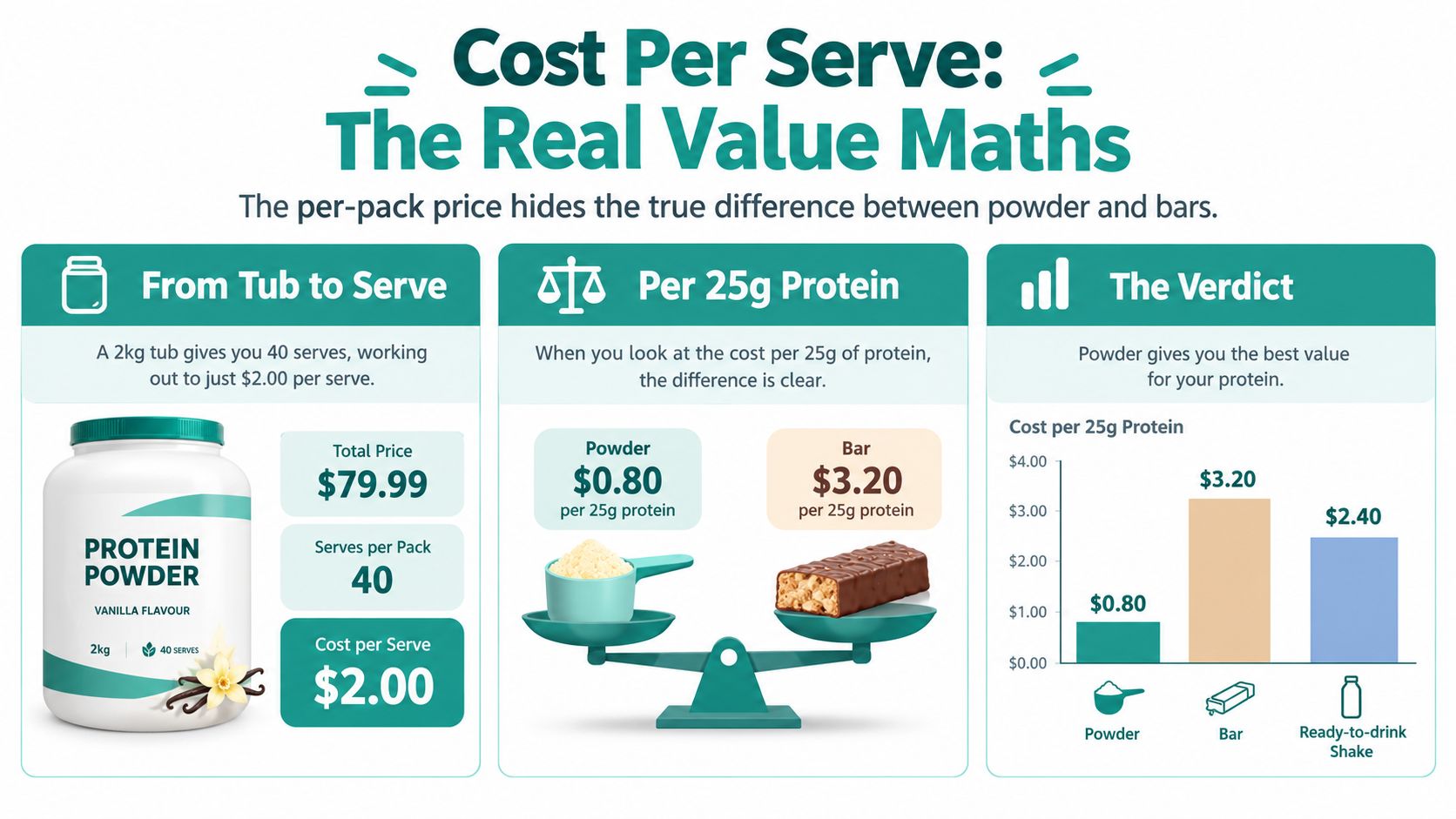
The useful number is cost per 25 g of protein, not cost per pack.
Bars can still make economic sense. If you only need an occasional snack, the extra cost may buy enough convenience to prevent you from missing your planned protein serving. A bar also works when you don't have water, a shaker, a fridge or a clean place to mix a powder.
For a daily routine, though, powder is the clear value choice. Buy the bar for the situation it solves, not because its wrapper makes it look like a cheaper protein product.
Digestion Timing and Convenience
A powder mixed with water gives you a fast, repeatable serving with very little preparation. You need liquid and a shaker, but the process is straightforward. That makes powder a practical choice straight after training, particularly when you want to control exactly how much protein you're taking.
A bar is slower to eat and usually contains more than isolated protein. Its carbohydrate and fat content can make it more substantial between meals, but those nutrients also affect the total energy and macronutrient profile. Check the complete Nutrition Information Panel rather than treating the word “protein” as the whole nutritional story.
Match the format to the moment
Use a powder when:
- Your serving needs to be precise: A measured scoop is easier to repeat than a bar with a variable protein amount.
- You're near your training kit: Water and a shaker are available, so preparation isn't a real obstacle.
- You're building daily intake: The lower cost per 25 g makes repeated use more practical.
Use a bar when:
- You're travelling: It stays ready in a gym bag, desk drawer or car.
- A meal is delayed: It gives you a portable option without needing refrigeration or preparation.
- You can't carry liquid: The bar removes the shaker and mixing step completely.
Neither format needs to replace ordinary food. A bar is often better understood as a portable snack with protein, while a powder is a controlled ingredient you add to water, milk or a smoothie. If you're choosing a powder for blending, label clarity matters just as much as flavour, and this guide on how to pick a smoothie powder is useful for checking the basics.
The right choice changes with the rest of your day. If meals already contain substantial carbohydrate and fat, a simpler powder may fit more cleanly. If you're facing a long gap with no food access, a bar's mixed composition may be more useful.
Can You Trust the Label
Most shoppers assume the printed numbers are automatically reliable. That assumption deserves more scrutiny. An audit of sports foods sold in the New Zealand and Australasian market found about one-third of products had incorrect nutrition information, and around one-third of sports foods, particularly protein bars, had nutrient panels that didn't match their stated energy content. The Massey University audit makes label checking a necessary part of the comparison.

That finding doesn't mean every bar is inaccurate. It means you shouldn't compare formats using a single front-of-pack protein claim and assume the rest of the maths is sound. Bars deserve particular attention because their recipes combine protein sources with syrups, fats, fibres and other ingredients that can make serving logic harder to interpret.
Read the panel in order
Check the serving size first. Then compare:
- Protein per serving, not just the total pack claim.
- Energy per serving, especially when the product is used frequently.
- Carbohydrate and sugars, which may vary substantially between bars.
- Fat and saturated fat, particularly in coated or filled products.
- Sodium, which can matter when you're comparing several products.
- The full ingredient list, including sweeteners, binders and flavouring ingredients.
New Zealand's dietary supplement rules require labels to state the quantities or proportions of claimed active ingredients in each package or dosage unit. They also require inactive ingredients to be listed by specific name or approved class name. The New Zealand dietary supplement regulations give shoppers a useful standard for checking whether a supplement-style product discloses what it claims.
For independent guidance on certification and testing, use how to check supplement testing in New Zealand. Drug-tested athletes should look for a recognised batch-tested standard rather than relying on phrases such as “clean” or “premium”.
The organic claim also needs context. If you're assessing a bar marketed as organic, this explanation of what USDA organic means on bars helps separate a certification term from broader assumptions about protein quality or overall nutrition.
There's a practical import detail for New Zealand shoppers too. MPI allows protein powders and similar whey products to enter the country, but they must not contain fresh fruit. MPI's food import guidance explains why locally sold compliant powders are generally dry mixes rather than fresh-fruit blends.
Best Pick by Use Case and Goal
There isn't one winner for every situation. The better format depends on whether your priority is precise dosing, portability, a dairy-free ingredient base or sports certification.
Post-training use
Pick powder. A scoop mixed with water is quick to prepare and gives you a predictable amount of protein. Whey powder is the obvious choice for shoppers who want a dairy-based option, while plant powders suit people avoiding dairy.
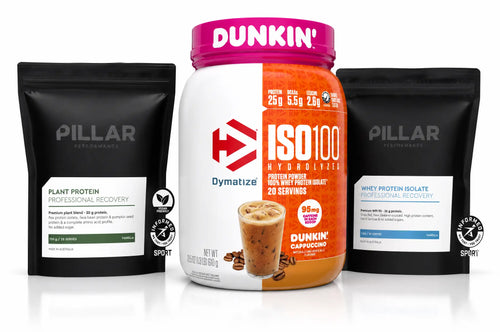
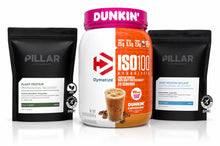
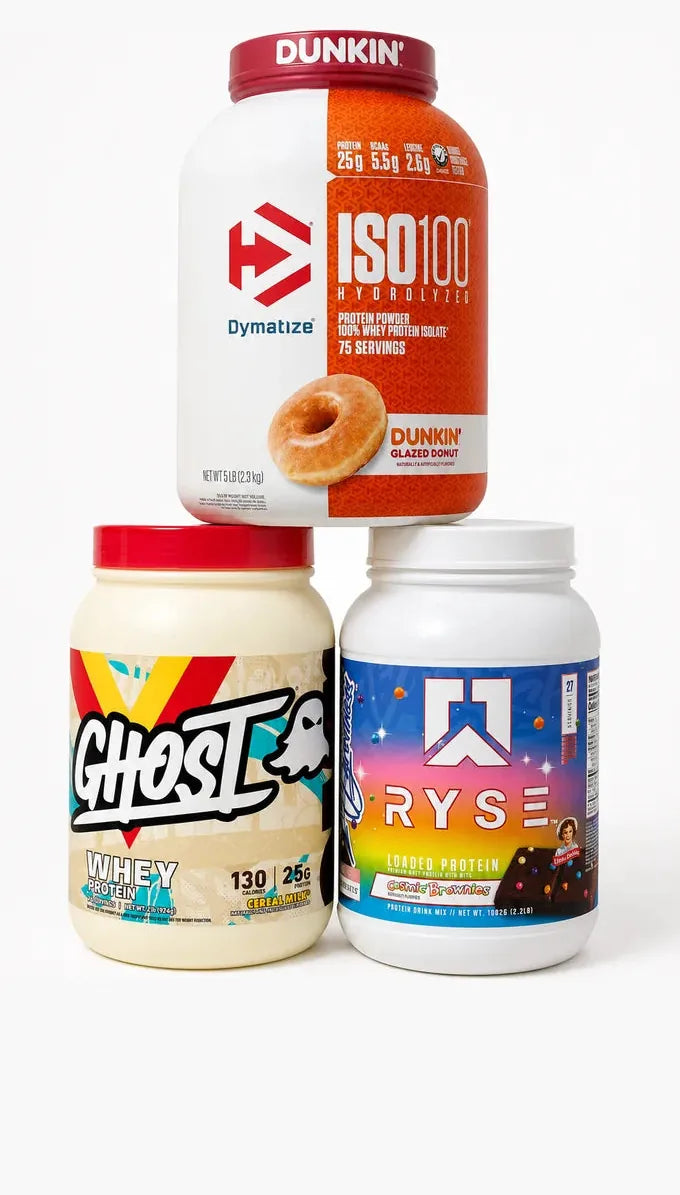
Look at Dymatize ISO100 if you want a whey isolate product, or compare the listed serving information before buying. The recommendation is based on format and dosing control, not a promise of a particular result.
On-the-go food
Pick a bar. Bars earn their place here. They need no shaker, water or mixing surface, and they're easier to keep in a bag during work, travel or sport.
Check the protein bars and snacks collection by the full Nutrition Information Panel. A bar can be a sensible portable option, but don't treat it as automatically equivalent to a powder serving. Compare protein grams, energy, carbohydrate, sugars and fat before deciding.
For product-by-product label checks, this New Zealand protein bar guide is a useful starting point. Use it to shortlist products, then verify the current label yourself.
Daily protein top-up
Pick powder for value, or use either format if convenience determines whether you'll take it. A daily serving makes the per-25 g maths important, and powder has the clear advantage there. A bar can still be the better choice if the alternative is carrying no food and skipping the serving altogether.
This is also where portion discipline matters. A bar may provide protein alongside more carbohydrate and fat, while powder usually gives you more control over what else goes into the serving.
Vegan and dairy-free shopping
Compare plant powders and plant-based bars on their actual protein source. Don't assume a product is suitable because the front label uses green packaging or says “plant”. Check for milk ingredients, the named protein base and the complete allergen information.
Pea protein is especially relevant in New Zealand sports nutrition. The industry study cited earlier found that pea protein isolate made up 90% of total pea protein usage and 97% of usage in sports nutrition products, with sports nutrition including powders and bars. The New Zealand pea protein market information supports a format-first view: the same plant ingredient can be formulated into either option.
Drug-tested competitive athletes
Pick the certified product, then choose the format. A bar isn't safer just because it's solid, and a powder isn't automatically suitable because it has a short ingredient list. For tested athletes, the deciding filter should be independently batch-tested certification.
The Tested for Sport collection covers Informed Sport, Informed Choice, NSF Certified for Sport and HASTA standards. Check the exact product and certification rather than assuming every flavour or size in a brand's range carries the same status.
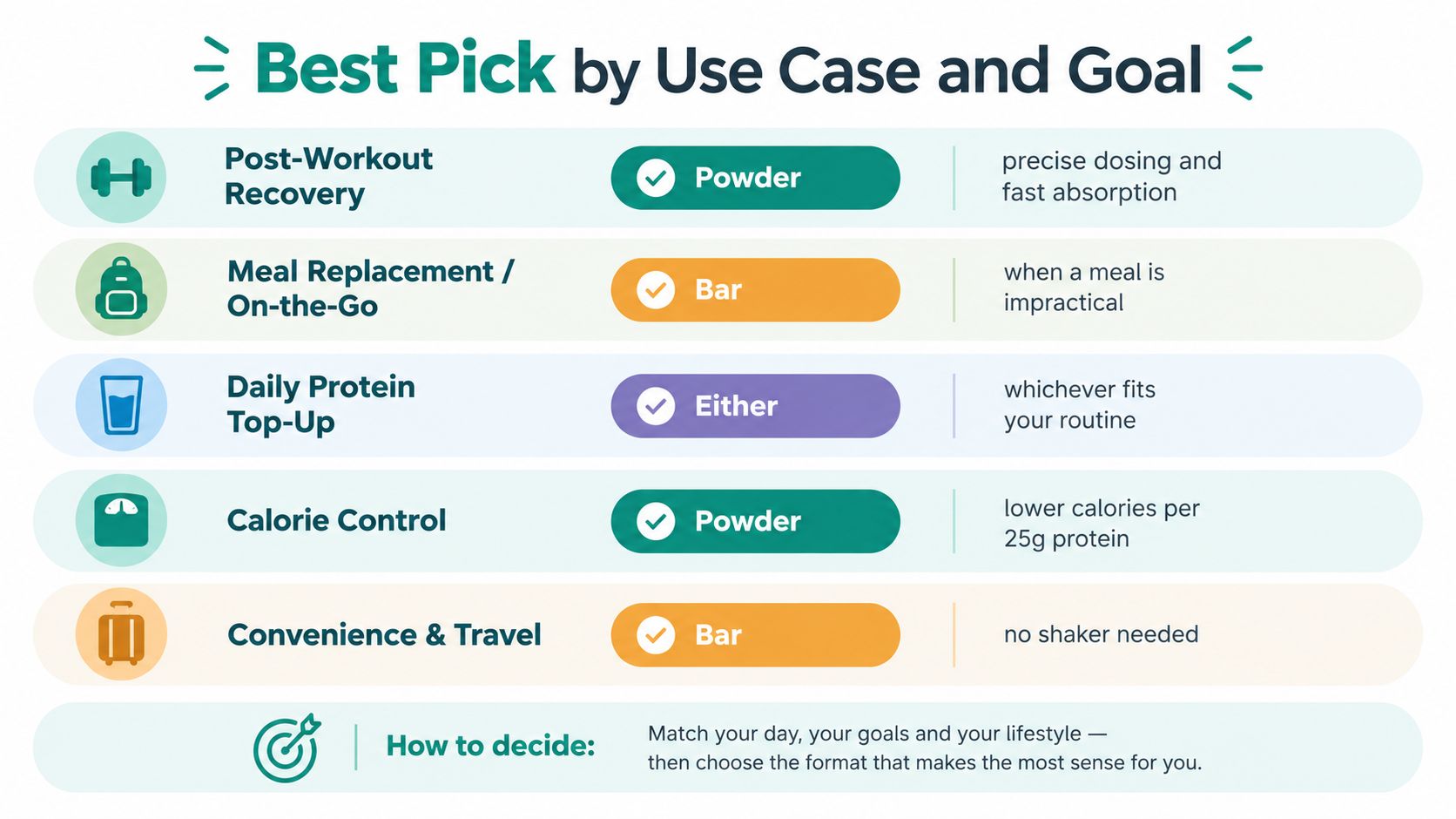
A sensible mixed setup is simple: powder for planned servings at home, bars for unplanned gaps, and certified products when competition rules apply. The format follows the situation. The label and testing standard remain essential.
How to Choose With the Right Tools
Make the decision with a short buying process, not a scroll through front-of-pack claims.
- Check per-serve pricing. Start with the product page, then compare the serving count, protein grams and cost per serving. This prevents a large pack from appearing cheaper just because its total price is lower.
- Normalise to 25 g of protein. Use the cost per serving and protein grams to calculate a like-for-like number. Powder often wins here, but the calculation should decide the purchase.
- Read the label closely. Verify serving size, protein per serve, energy, carbohydrate, sugars, fat, saturated fat, sodium and added ingredients. A bar with a strong protein headline can still be a poor comparison if its serving is small or its wider nutrition profile doesn't fit your routine.
- Filter tested standards if you compete. Use Informed Sport, Informed Choice, NSF Certified for Sport or HASTA filters where relevant. Don't rely on vague assurances about manufacturing quality.
- Pick the format you'll use. Buy powder for value and dosing control. Buy bars for portability. If both jobs occur in your week, use the comparison tool to place a powder and bar side by side, then use the bundle builder to create a combined stack.
For product selection, NZ Supps provides per-serve pricing, ingredient callouts, product comparison, a Tested for Sport filter and a bundle-building tool. That gives you a practical way to compare a powder and a bar without relying on pack design.
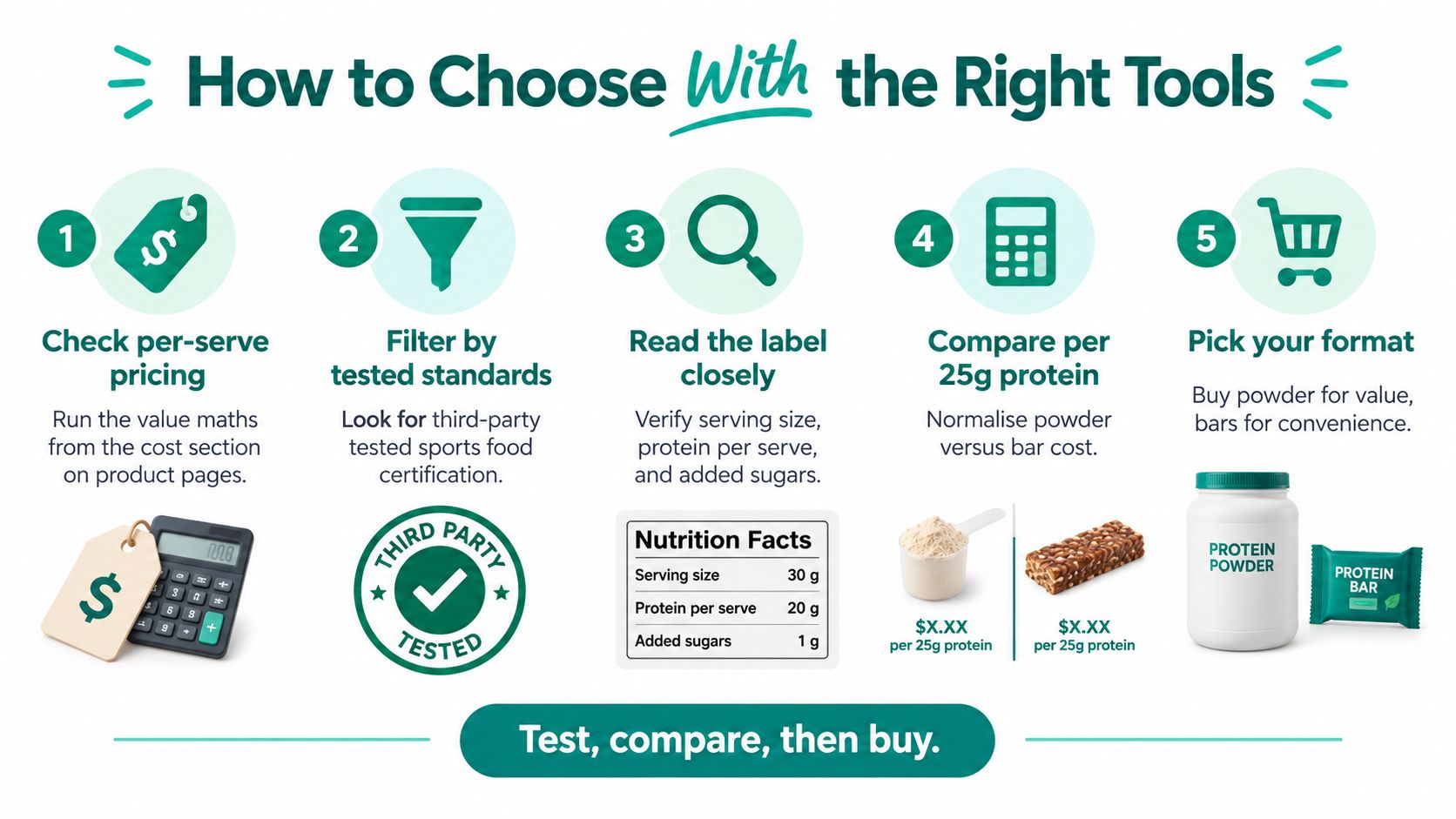
Before you buy, check four things:
- Protein per serve: Is the amount clear and meaningful for your use?
- Price per 25 g: Have you compared the actual protein value?
- Disclosed ingredients: Can you see the full formula and serving basis?
- Certification: Does the product carry the tested standard you need?
Start with protein options for New Zealand shoppers, then compare them with protein bars in New Zealand. Powder is the default for value, bars are the tool for convenience, and the right purchase is the one that matches the job.
NZ Supps offers powders, bars and tested-sport options with ingredient callouts, per-serve pricing and comparison tools for New Zealand shoppers. Visit NZ Supps, run the cost-per-25-g calculation, and choose the format that fits your training, travel and label requirements.