SHOP NOW, PAY LATER










 Informed Sport
 Informed Choice
 NSF Certified for Sport
 HASTA Certified

Most advice on electrolyte tablets vs powder starts with the wrong question. The format matters less than the sodium per litre, carbohydrate content, and the final drink strength you pour into the bottle.
| Format | Serve size | Water volume | Sodium per litre | Carb per serve | Price per serve |
|---|---|---|---|---|---|
| Hydralyte sachet | 4.9 g sachet | 200 mL | 1,025 mg per litre | 2.9 g glucose | Price not provided |
| Hydralyte effervescent tablet | 1 tablet | Depends on how much water you use | Depends on dilution | 1.62 g anhydrous glucose per tablet | Price not provided |
If you want a clean answer, here it is. Powder wins when you need control over concentration, tablets win when you need portability and consistency, but neither format is automatically better. The true test is whether the prepared drink matches the session.
Table of Contents
- Why format is the wrong question to lead with
- What NZ hydration guidance asks of a product
- Side-by-side comparison of tablets and powders
- Where each format earns its place in training
- Cost, shelf life, allergens and batch testing
- A quick decision framework for NZ shoppers
- Practical picks and how to buy in NZ
Why format is the wrong question to lead with
New Zealand electrolyte products sit inside a label and composition framework, not a packaging contest. Under the Australia New Zealand Food Standards Code, electrolyte drinks and electrolyte drink bases must contain at least 10 mmol of sodium per litre and 20 g to 100 g per litre of specified sugars, and the label has to state the recommended volume and frequency of use (New Zealand Gazette notice). The bottle and the mixed drink matter more than the tablet or scoop on the shelf.
Read the label, not the marketing line
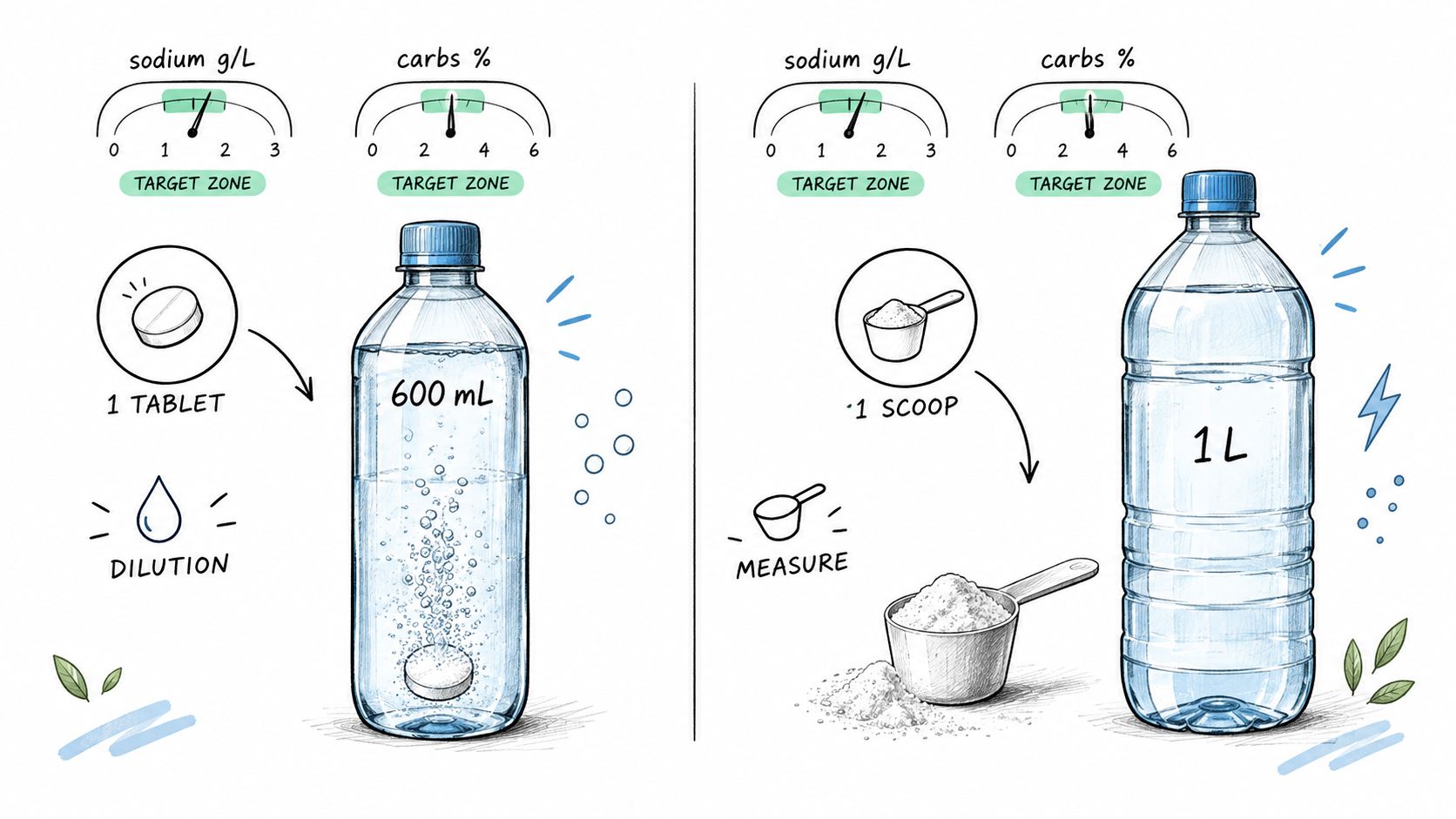
A tablet is compressed ingredients until you dissolve it. A powder is loose ingredients until you mix it. The only questions that matter are the finished drink's sodium concentration, carbohydrate concentration, and osmolality.
Practical rule: compare the prepared drink per litre, not the container per unit.
That is where shoppers go wrong. A tablet can make a weak drink if you dilute it too far. A powder can make an overly strong drink if you guess the serving or fill the bottle by habit instead of measuring it.
The Massey University meta-analysis on hydration during prolonged exercise found that concentration and composition drove the useful response, not format alone, with hypotonic carbohydrate-electrolyte drinks generally performing best on average (Massey University, Sports Medicine, 2022). That is the right lens. Form matters less than what the drink becomes after mixing.
What NZ hydration guidance asks of a product
For sessions lasting 90 minutes or more, New Zealand Ministry of Health guidance points shoppers toward roughly 0.5 to 0.7 g of sodium per litre, plus 4% to 8% glucose or glucose-containing carbohydrate for fluid replacement (Ministry of Health guidance). That is the benchmark. If the mixed drink in your bottle misses it, the format does not matter.
What that means in plain English
A tablet works when the dose and dilution match the job. A powder can be easier to dial in because it usually gives you more control over the prepared litre and the carbohydrate range. For shorter sessions, or for normal day-to-day hydration, plain water is usually enough and a high-sodium product is unnecessary.
People overbuy here. They use an electrolyte product for every session, then reach for it in situations where the body does not need that level of replacement. For ordinary hydration on normal days, water and a normal diet do the job.
The rule is simple. Longer sessions and heavier sweating justify electrolyte use. Short sessions usually don't. Sweat rate varies, so one athlete may need a stronger mix than another. Start with the finished drink, not the packet. If you want the nutrition logic behind that label reading, Why your body needs electrolytes explains the basics clearly.
Side-by-side comparison of tablets and powders
The cleanest way to compare electrolyte tablets vs powder is to stop comparing the package and start comparing the finished drink. That means serve size, water volume, sodium per prepared litre, carbohydrate per serve, and what you pay for each serve. If you skip those, you're just guessing.
| Format | Serve size | Water volume | Sodium per litre | Carb per serve | Price per serve |
|---|---|---|---|---|---|
| Hydralyte sachet | 4.9 g | 200 mL | 1,025 mg | 2.9 g glucose | Not stated in the source listing |
| Hydralyte effervescent tablet | 1 tablet | User set | Depends on dilution | 1.62 g anhydrous glucose | Not stated in the source listing |
The sachet example is easy to read because the water volume is fixed. One 4.9 g sachet mixed with 200 mL gives 205 mg sodium, 159 mg potassium, and 2.9 g glucose (Kenpharm Hydralyte sachets). The tablet example lists 87.5 mg sodium chloride, 149 mg potassium chloride, 378 mg sodium bicarbonate, 672 mg citric acid, and 1.62 g glucose per tablet, with concentration depending on how much water you use (Kenpharm Hydralyte effervescent tablets).
What the table doesn't show
First, shaking and dissolving effort matters. Tablets are tidy, but some people hate waiting for them to fizz out. Powders usually mix faster if the scoop and water volume are clear.
Second, dilution flexibility matters. A powder can be adjusted more easily if you want a stronger or lighter bottle. A tablet is more fixed by design, which is useful when you want repeatability.
Third, carbs and electrolytes don't have to travel together. Some sessions want both in the bottle. Others want sodium from the drink and energy from food or another source. That's why the finished label matters more than the format name.
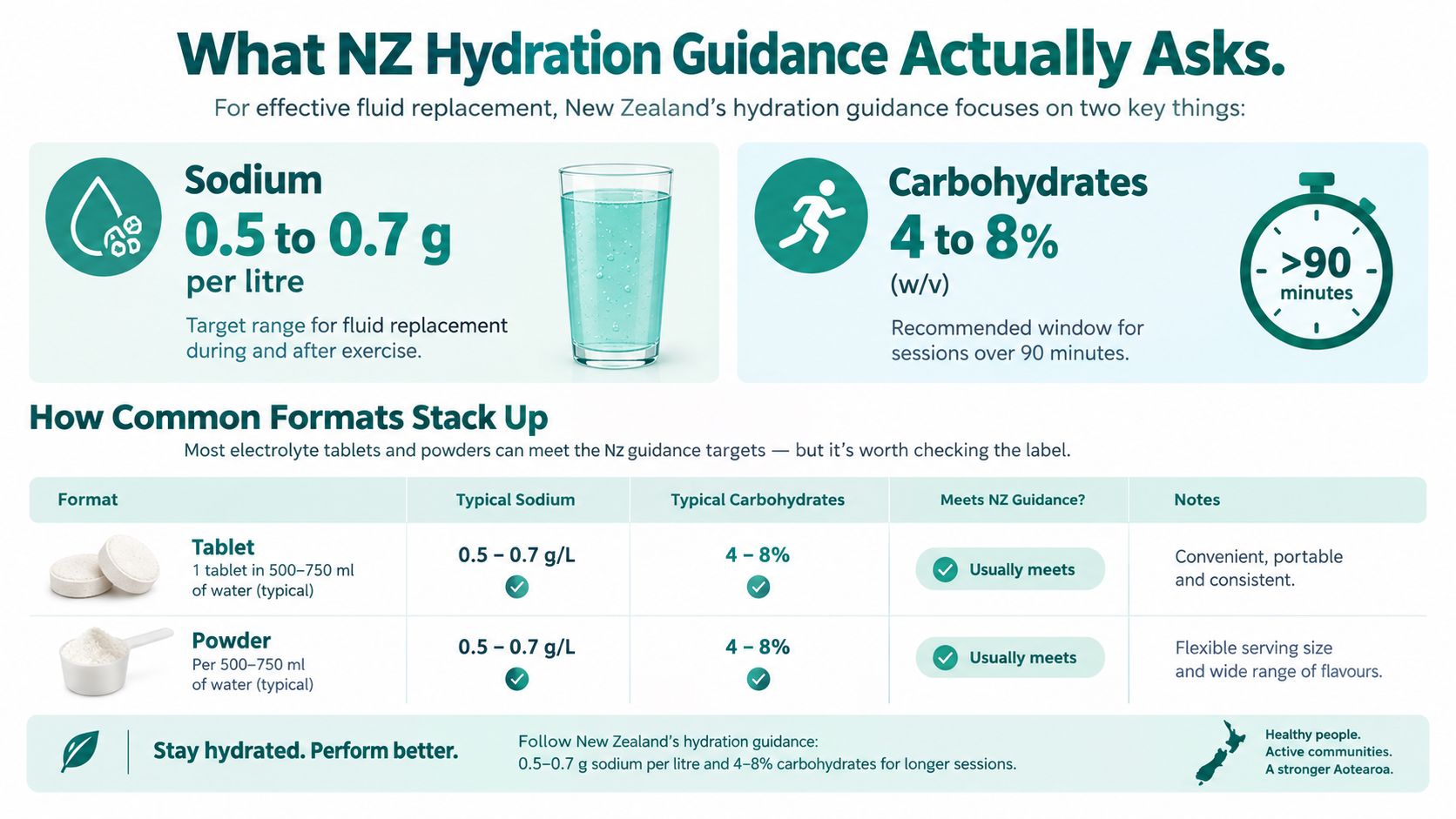
Bottom line: if you can't tell the sodium per litre from the mixing instructions, you don't yet know whether the product fits the job.
Where each format earns its place in training
Forget the format label first. The key question is how much sodium ends up in the bottle per litre, and how predictable the mix stays once water, sweat rate, and session length start to change. Powder usually wins for that job because you can build a drink to a known litre target and adjust carbohydrate alongside sodium without guessing. The AUT palatability study backs up the broader point that taste and drink acceptance affect whether athletes finish what they pour (AUT open repository).
Gym sessions, travel, and hot desks
For a standard gym lift, a tablet is often the better fit. Drop it into a 750 mL bottle, drink it, move on. You are not trying to fine-tune race fuel in a short weights session, and you do not need a custom bottle for every workout.
Travel is where tablets look tidy and practical. They pack easily, are simpler to ration, and do not leave powder in the bottom of a bag. If you are already filling a bottle from the tap, a tablet can make plain water more useful without carrying a tub around all day.
Taste still decides the outcome. In the AUT study, after 60 minutes in 30 to 35°C conditions, participants rated sports drink and flavoured water higher than oral rehydration solution for sweetness, saltiness, thirst-quenching ability, and overall liking, and average body mass had fallen by 1.36% with a 0.39% standard deviation (AUT open repository). If the drink tastes off, people leave it behind.
If the bottle does not get finished, the label is irrelevant.
The best practical read
For endurance and team sport in heat, powder makes more sense because you can set the sodium per litre and keep the mix consistent. For commuting, gym bags, office drawers, and quick top-ups, tablets earn their place because they are compact and easy to use. Pick the format that matches the bottle and the session, not the other way around.
Cost, shelf life, allergens and batch testing
Price matters, but price per serve can fool you if you don't also check what the serve delivers. A tablet may look neat on the shelf and feel cheap per unit, but if the finished drink is under-dosed or needs multiple tablets, the usable value can slip fast. A powder often gives more room to match the intended concentration without turning the bottle into a science experiment.
Shelf life is practical, not theoretical. A sealed tub of powder stays tidy on the shelf, while tablets travel well in a gym bag or glovebox and don't spill as easily. If you're buying for consistency, storage format matters as much as the ingredient panel.
What drug-tested athletes should check
For tested athletes, don't assume format tells you anything about contamination control. Check the batch-testing status separately and look for the relevant certification standard on the label or product page. NZ Supps' batch-tested electrolytes for endurance NZ guide is the right place to start if you're filtering for compliant options.
Also read the rest of the label properly. Allergens, sweeteners, and vegan suitability sit on the pack, not in the marketing copy. If a product is a formulated supplementary sports food, the label must identify it as such, say it's not a sole source of nutrition, and include the quantity, frequency, and maximum daily intake (Food Standards Australia New Zealand).
Practical rule: ignore claims on the front panel until you've checked the serving definition and the Nutrition Information Panel.
That's where buyers trip up. The smart move is to compare what you'll consume, not what the container says in isolation. For athletes who need confidence around tested products, the safe approach is simple, look for batch-testing first, then compare the label second.
A quick decision framework for NZ shoppers
Start with the session, not the supplement aisle. If you're exercising for less than 90 minutes and you're not sweating heavily, plain water and normal food are usually enough. If the session is longer, hotter, or much sweatier, then electrolytes start to matter.
Next, estimate your sweat loss from a simple before-and-after weigh-in. That won't give you a laboratory number, but it will tell you whether your current bottle is too light or too strong for your own body. Then read the label for sodium per litre at the water volume you will use.
A fast way to choose
- Check session length. If it's short, keep it simple. If it's long, build around the drink.
- Check weather and sweat. Heat and heavy sweating push you towards electrolyte replacement more than a mild indoor session does.
- Check the prepared drink. Read the sodium and carbohydrate in the mixed bottle, not just the front-of-pack promise.
- Pick the format that hits the target cleanly. Tablet for portability and fixed dosing. Powder for easier concentration control.
The University of Auckland guidance on post-exercise replacement also points to replacing roughly 150% of fluid lost over four hours and adding sodium after exercise lasting more than two hours, while avoiding excessively rapid fluid replacement because of hyponatraemia risk (Healthy.co.nz summary of NZ guidance). That makes precision matter.
Practical picks and how to buy in NZ
Buy the label, not the format. For training days, the right product is the one that gives you the reconstituted sodium per litre you want, at the bottle size you use, with osmolality that fits the session. Tablets suit people who want fixed dosing and easy carry. Powders suit people who need tighter control over concentration.
For a straightforward tablet option, the fast dehydration relief variety pack is worth comparing for its consistent dosing and lemon-lime flavour profile. For a powder-style option, compare it with electrolyte powder no sugar and read the mixed-bottle label, not the scoop on the front. NZ Supps also stocks hydration options in its broader electrolytes range, which makes it easier to compare serve size and label facts in one place.
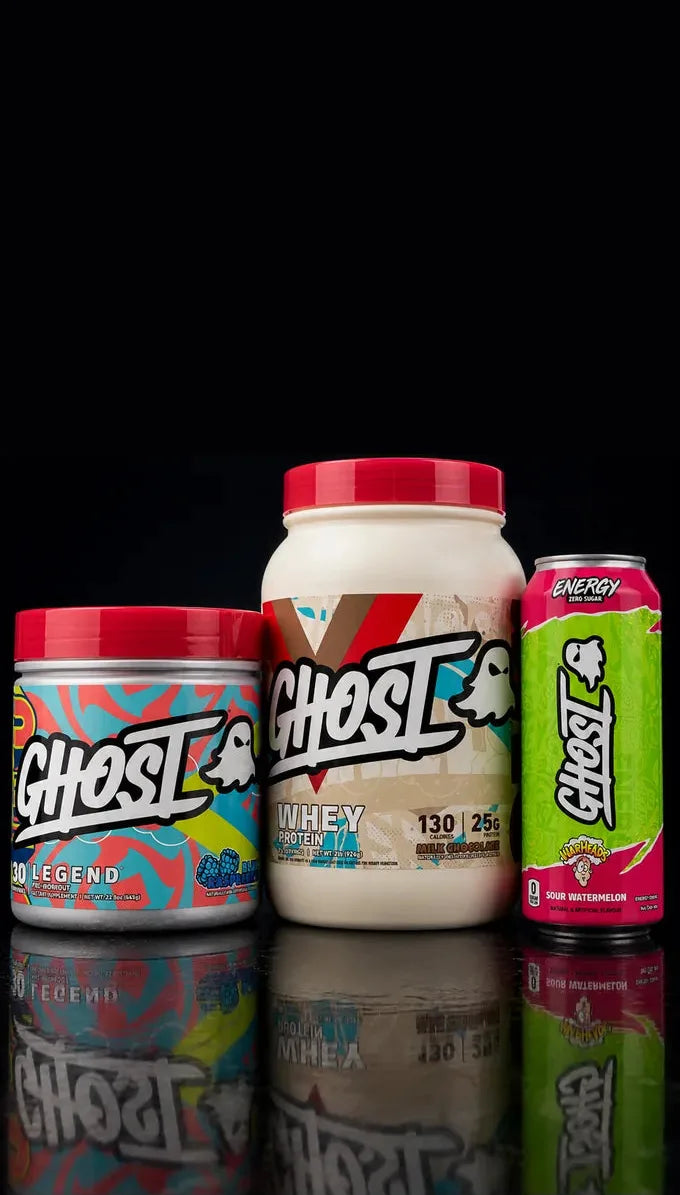
Ghost Hydration is another product worth checking if flavour and serve structure matter to you. Keep the decision simple. If you sweat heavily, train long, or need a drink mixed to a specific strength, powder usually gives you more control. If you want something compact for the gym bag, tablets are easier to keep on hand.