SHOP NOW, PAY LATER










 Informed Sport
 Informed Choice
 NSF Certified for Sport
 HASTA Certified

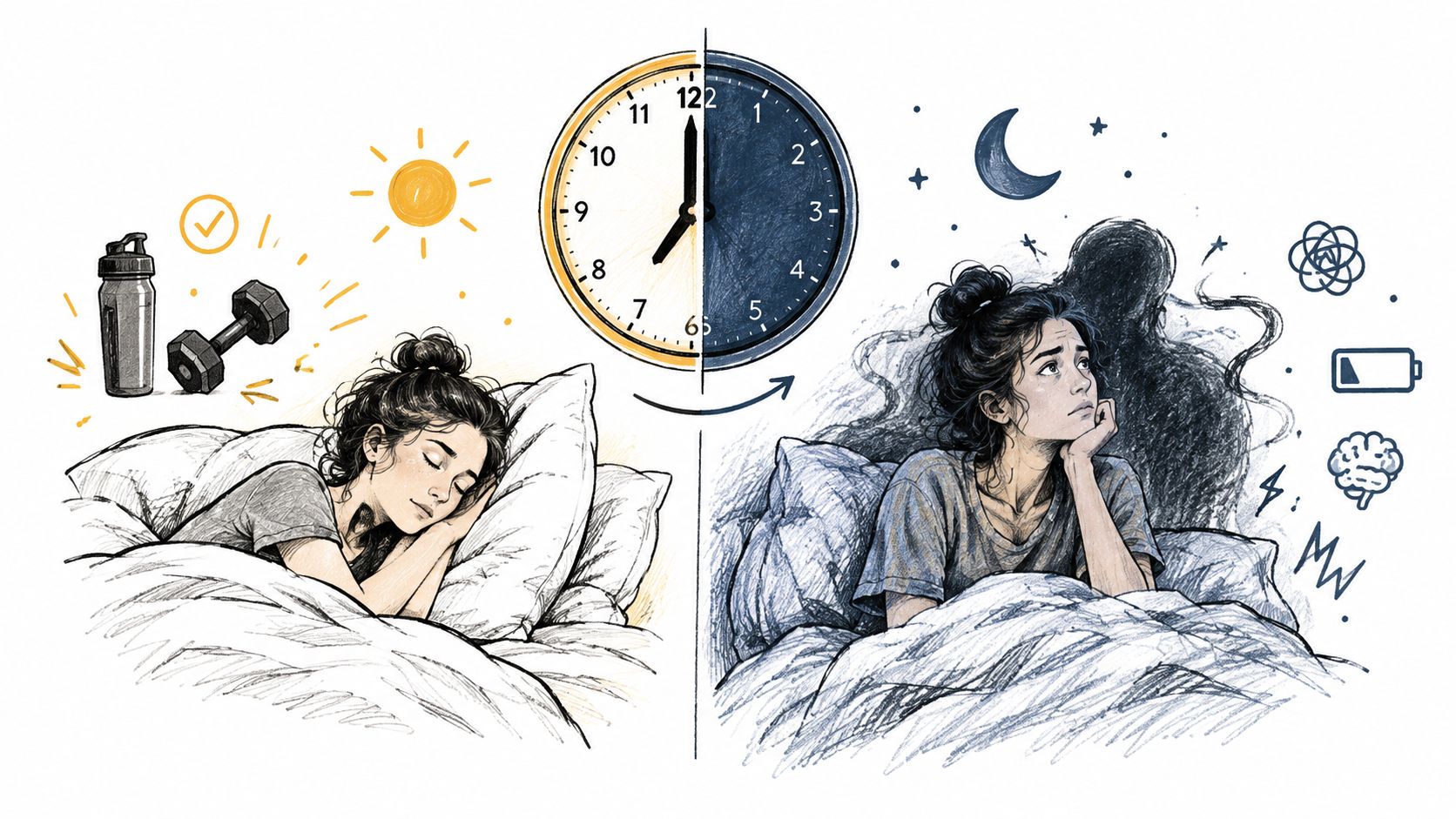
Most pre-workout effects peak within 30 to 60 minutes, and the acute performance window lasts roughly two hours, although caffeine stays in your system for much longer. A dose taken in the late afternoon can feel finished before bedtime while still leaving enough stimulant in circulation to affect sleep.
You've probably felt the mismatch yourself. You take a scoop before an evening gym session, train hard, and feel normal by the time you leave. Then bedtime arrives and your mind is still active. The answer to how long does pre workout last depends on whether you mean the noticeable training effect, or how long its ingredients remain active in your body.
For most stimulant formulas, the useful workout effect is relatively short. The caffeine tail is longer, and that tail matters more than the initial buzz if you train after work, compete in drug-tested sport, or already drink coffee and energy drinks during the day.
Table of Contents
- Understanding Pre Workout Duration
- The Caffeine Half Life Factor
- Ingredient By Ingredient Timelines
- Choosing High Low and Non Stim Options
- Timing Your Dose for Sleep Safety
- FAQs About Pre Workout Duration
Understanding Pre Workout Duration
At 6.30 pm, a lifter mixes a full serve before heading to the gym. By 7 pm, the focus and energy are noticeable. The session runs for about an hour, and by 8.30 pm the obvious pre-workout feeling has faded. That doesn't mean the caffeine has disappeared.
The practical answer is that a standard pre-workout usually starts feeling active within 20 to 30 minutes, with the strongest acute training effect generally fitting inside a window of roughly one to three hours. Caffeine's half-life is much longer, so the substance can remain in the body for several hours after the perceived performance boost has gone. Medsafe explains caffeine timing and its approximate five to six hour half-life.
The useful effect versus the stimulant tail
Think of a pre-workout as having two timelines:
- Performance window: the period when energy, alertness and training drive feel most noticeable.
- Stimulant tail: the longer period when caffeine is still being processed, whether or not you feel a strong buzz.
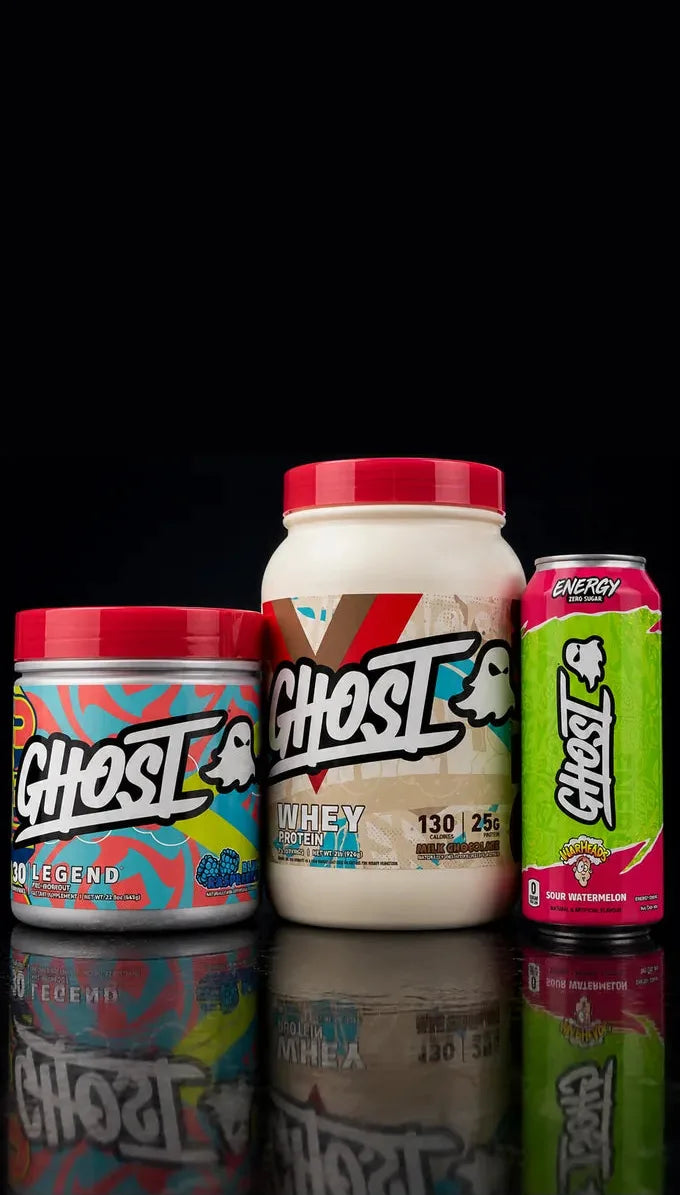
Those timelines overlap, but they aren't identical. A product such as Ghost Legend pre-workout or a CBUM formula may feel finished by the end of a session, yet a late dose can still work against your normal sleep routine.
Food Standards Australia New Zealand notes that acute caffeine performance benefits have been observed at doses ranging from 1.25 to 3 mg per kilogram, as well as at 6 mg per kilogram, with 200 mg also effective in some time-trial settings. The FSANZ review outlines the evidence and New Zealand regulatory context. The point isn't to copy a study dose. It's that caffeine-based pre-workout is designed around a targeted training session, not all-day energy.
Practical rule: Judge a pre-workout by both the session it supports and the hours that follow it.
A morning trainee can usually place the dose comfortably before training and allow plenty of time before bed. An evening trainee needs to look at the label first, then decide whether stimulant-free or lower-stimulant support makes more sense.
The Caffeine Half Life Factor
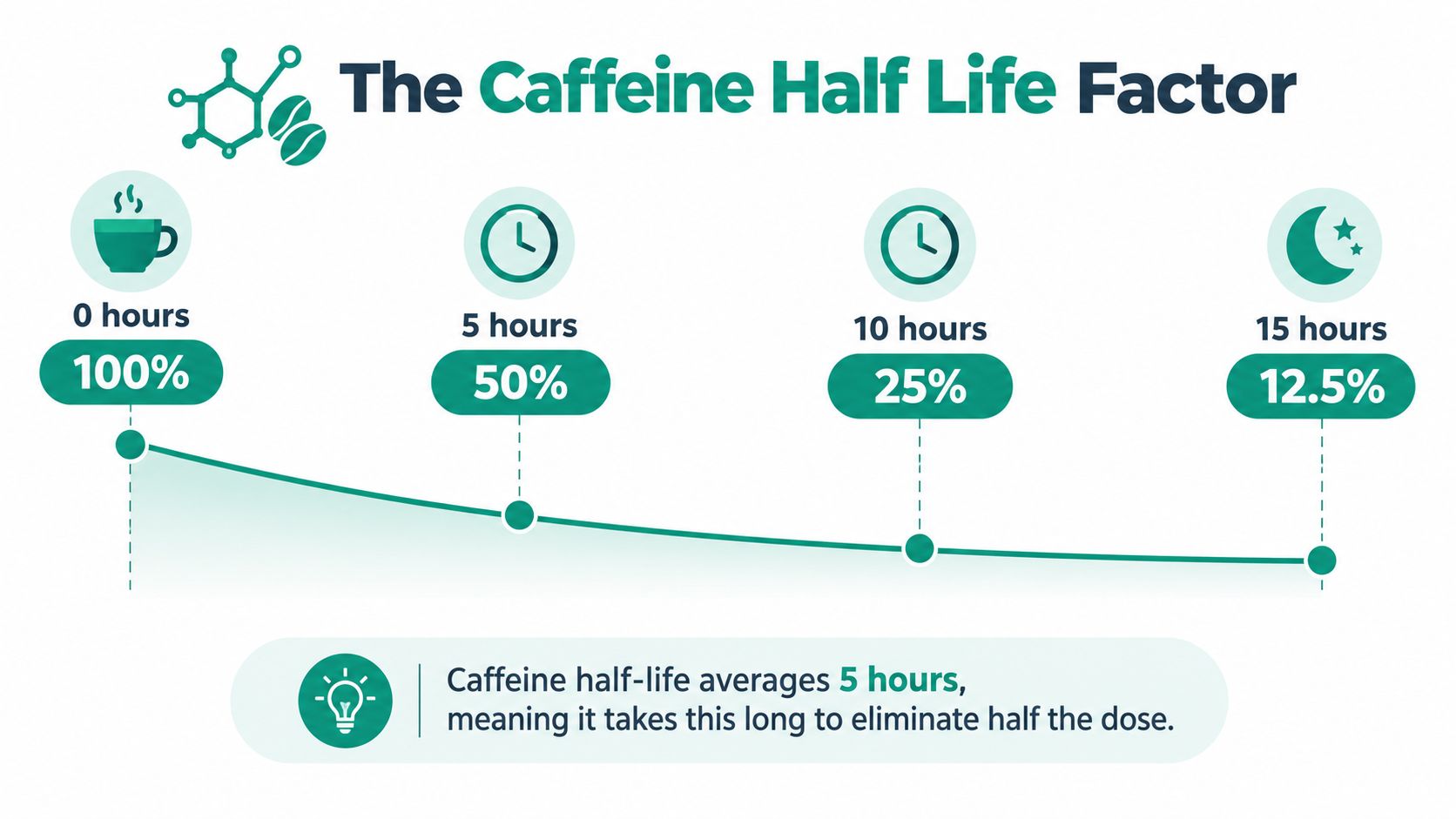
Caffeine half-life means the time required for the body to reduce the amount of caffeine in circulation by half. For most adults, that period is about five to six hours, although individual clearance can vary. Medsafe's guidance provides the New Zealand reference point for caffeine's half-life.
Take the example of a pre-workout serving containing 250 mg of caffeine at 5 pm. Around 10 or 11 pm, approximately 125 mg may still be in circulation. That doesn't mean the person will feel the same energy they felt before training. It means the body is still dealing with a substantial portion of the original dose.
Why the feeling fades first
The first stage is the noticeable lift in alertness and drive. Once the training stimulus, music and movement take over, the same caffeine level may feel less obvious. You can leave the gym believing the product has worn off, even though caffeine remains pharmacologically active.
That's why evening dosing can affect sleep without producing obvious jitters. Some people notice difficulty settling, lighter sleep or an unusually active mind. Others don't feel awake but still find that their normal sleep pattern is less reliable. Personal sensitivity, regular caffeine intake and the amount in the serve all matter.
A helpful way to think about the timeline is:
- Before training: caffeine begins moving into circulation.
- During the session: focus and perceived effort may be affected while the acute performance window is active.
- After training: the obvious feeling declines, but caffeine clearance continues.
- At bedtime: the remaining caffeine may still interfere with rest, especially after a late or large serve.
For people trying to protect sleep, timing caffeine for better rest provides useful background on the difference between perceived alertness and caffeine's longer presence.
The same principle applies when comparing products. Check total caffeine per serve, not just the product name or the sensation it promises. A mild-feeling formula can still contain a meaningful stimulant dose, while a strong-feeling formula may combine caffeine with other stimulating ingredients.
For a closer look at how caffeine is presented and used in supplement products, see this guide to caffeine bands explained. It's a useful label-reading habit, particularly if you use coffee, tea or energy drinks alongside pre-workout.
Ingredient By Ingredient Timelines
Caffeine gets most of the attention because it creates the clearest sensation. Pre-workout formulas are mixtures, though, and the other ingredients don't all begin or finish working on the same schedule.
A formula may contain beta-alanine, citrulline, creatine, electrolytes and focus ingredients alongside caffeine. Each has a different role. Treating the whole tub as one single-duration product leads to poor timing decisions.
Fast sensations and slower support
Beta-alanine can produce a tingling sensation relatively soon after ingestion. That feeling is not a reliable measure of how effective the whole product is, and it isn't the same thing as stimulation. Its contribution is better understood as something associated with repeated use and muscular endurance support, rather than a simple energy burst that switches on and off during one workout.
Citrulline malate is usually included for session support related to blood flow and training feel. It may become more noticeable as the workout progresses, particularly when the formula is taken before training rather than halfway through it. The key distinction is that a pump-oriented effect can feel different from caffeine's mental lift, and it may not leave the same sleep-related tail.
Creatine belongs in a different category again. It isn't generally an ingredient that creates a dramatic pre-training sensation. Its value comes from consistent intake and gradual storage in muscle, so taking it in a pre-workout doesn't turn it into an immediate stimulant.
What hydration changes, and what it doesn't
Fluids and electrolytes can make a long or sweaty session feel more manageable, but water doesn't remove caffeine from the body on demand. If you feel flat because you arrived dehydrated, better fluid intake may improve the training experience. It won't shorten caffeine's half-life.
A sensible ingredient timeline looks like this:
- Caffeine: noticeable onset before training, an acute session effect, then a longer clearance period.
- Beta-alanine: possible tingling soon after a serve, with useful support linked more closely to regular intake.
- Citrulline malate: session-focused support that may build into the workout rather than behaving like a stimulant.
- Creatine: a consistency ingredient, not a short-lived energy hit.
- Electrolytes: useful when fluid and mineral replacement fits the session, climate and sweat demands.
A tingling sensation tells you that beta-alanine is noticeable. It doesn't tell you that the stimulant effect is still strong.
The practical mistake is choosing a formula for an evening workout based only on its non-stimulant ingredients, then overlooking the caffeine listed elsewhere on the panel. Read the full serving information. If you want training support without the caffeine tail, compare pre-workouts in NZ by ingredient profile rather than by flavour or marketing language.
Choosing High Low and Non Stim Options
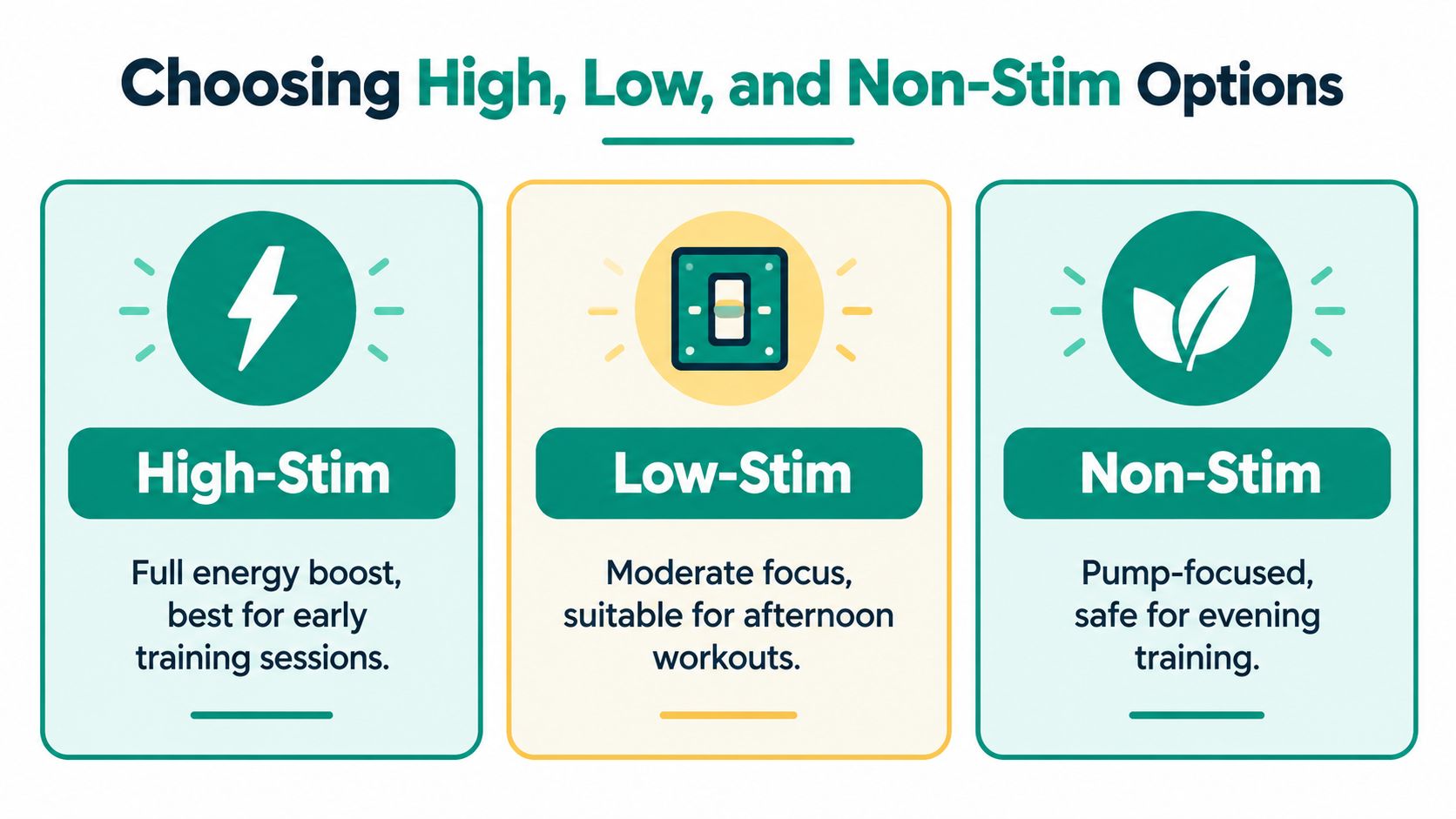
The right category depends on training time, caffeine sensitivity and competition requirements. A high-stim formula can suit an early session, but it can be a poor choice for a late workout. A low-stim product may offer enough focus for an afternoon lift, while a non-stim option avoids caffeine altogether.
Compare the category before you compare the flavour
| Type | Caffeine per serve | Ideal training time | Best for |
|---|---|---|---|
| High-stim | Check the current product label | Morning or early daytime | Experienced users who want a stronger stimulant effect and have plenty of time before bed |
| Low-stim | Check the current product label | Morning or afternoon | People who want moderate focus without choosing a full-strength formula |
| Non-stim | No caffeine listed in the formula, confirm the current label | Evening | Pump-focused training, caffeine-sensitive users and people avoiding stimulants |
The table uses label checks deliberately. Products change, serving sizes differ and some formulas combine caffeine with other stimulants. The figure on the front of the tub isn't enough. Look for caffeine per serving, serving size, recommended use and any additional stimulant ingredients.
Three practical buying decisions
Choose high-stim for an early start. This category is more suited to someone training in the morning who already understands their response to caffeine. Starting with the smallest labelled serving is sensible, particularly if the product is new to you.
Choose low-stim for a middle-ground lift. A lower-caffeine formula can be a better fit for afternoon training, especially when you've already had caffeine from coffee or tea. It won't erase the stimulant tail, but it can reduce the total amount compared with a high-stim serve.
Choose non-stim when sleep or testing takes priority. A pump-only formula removes caffeine from the equation, which makes it easier to train later without adding a stimulant dose. Drug-tested athletes should still check every ingredient, certification and batch-testing detail. Non-stim doesn't automatically mean every product is suitable for a particular competition rulebook.
For another perspective on selecting formulas around ingredients and training needs, this overview of science-backed pre-workout options is useful background. It shouldn't replace the label of the product you're buying.
A comparison between stim-free pre-workout options in NZ can also help if your main issue is evening training rather than a lack of motivation. The product range includes options such as CBUM Essential pre-workout and Pillar Performance Pre-Workout, but check the live product pages for current serving details, ingredients and price per serve before ordering.
How to compare value properly
Price per tub can make one product appear cheaper while hiding a different serving size. Divide the current product price by the number of labelled serves, then compare the active ingredients per serve. Don't compare one full scoop with another product's half serve.
A useful product comparison record should include:
| Product | Serve size | Key ingredient amounts | Price per serve |
|---|---|---|---|
| Ghost Legend | Check current label | Check current product panel | Calculate from current price and labelled serves |
| CBUM Essential | Check current label | Check current product panel | Calculate from current price and labelled serves |
| Pillar Performance Pre-Workout | Check current label | Check current product panel | Calculate from current price and labelled serves |
This approach keeps the comparison accurate when stock, flavours, pricing or formulations change.
Timing Your Dose for Sleep Safety
Start with the time you plan to go to bed, not the time you plan to enter the gym. A pre-workout taken before a 7 pm session may still be active in your system when you want to sleep at 10 pm, even if the workout sensation has disappeared.
Match the dose to the clock
Morning training: A standard stimulant formula may fit comfortably before an early session, provided the serving agrees with your tolerance and your total daily caffeine intake. Take it according to the product label, usually with enough time for the pre-workout to begin working before your warm-up.
Afternoon training: Count coffee, tea and energy drinks as part of the same daily picture. A low-stim serve may be more appropriate than automatically using a high-stim formula, especially if you train later in the afternoon or have a history of restless sleep.
Evening training: Use a non-stim or pump-focused product when sleep is a priority. If you choose caffeine, reduce the risk of poor timing by checking the exact amount per serve and allowing a longer gap before bed. There isn't one cut-off that suits every person because caffeine sensitivity varies.
The New Zealand gym guide from Inception Gym recommends taking pre-workout around 20 to 45 minutes before training and notes that caffeine can peak around 60 minutes after ingestion. Its pre-workout guide is a useful local reference for planning the start of a session.
Check the full stimulant load
Read the label before combining pre-workout with coffee or an energy drink. Record the caffeine amount in each product rather than relying on how strong it feels. A product can feel smooth and still contribute to a large total intake.
New Zealand supplemented foods containing caffeine above the amount needed for a technological function must carry an advisory statement for children, pregnant or lactating women, and people sensitive to caffeine. The panel must also state the average caffeine quantity per serve and per 100 ml or 100 g, as applicable. MPI's guidance explains the relevant label requirements.
If you're drug-tested, choose products with transparent ingredient panels and appropriate independent batch-testing information. No supplement label can remove the need to check the rules of your sport or governing body.
For more practical discussion about late training and rest, see whether pre-workout can ruin your sleep.
This video gives a visual explanation of how pre-workout timing can fit around a training schedule.
FAQs About Pre Workout Duration
Can you build a tolerance to pre-workout?
You can become less aware of caffeine's noticeable effect with regular use. That doesn't mean the caffeine has stopped being active, and increasing the scoop size can make the sleep tail longer without restoring the original feeling in a reliable way.
Use the labelled serving as your reference point. If the product no longer feels useful, consider whether you need a stimulant at that training time rather than automatically taking more.
Does drinking more water make pre-workout wear off faster?
No. Water can support normal hydration, but it doesn't make caffeine leave your body immediately. Keep drinking according to thirst, training conditions and your normal routine, and don't use excessive fluids as a way to cancel a late stimulant dose.
What should you do after taking it too late?
Don't add more caffeine to chase the feeling, and don't try to counter it with another supplement. Keep the rest of the evening simple, avoid making the dose larger next time and switch to a non-stim formula for late sessions if sleep is being affected.
Recovery also includes habits beyond supplements. For broader post-training ideas, including heat therapy for recovery, consider how your cool-down, food, fluids and evening routine work together.
How should NZ shoppers read a pre-workout label?
Start with caffeine per serve, then check the serving size and all other stimulant ingredients. Confirm the advisory statements required for caffeinated supplemented foods, and check whether the product has independent batch-testing information if you're a tested athlete. Medsafe states that dietary supplements in New Zealand sit under the Dietary Supplements Regulations 1985, within the Food Act framework, so local product labelling and category context matter. Medsafe outlines the New Zealand dietary supplement regulatory framework.
The practical answer to how long does pre workout last is therefore simple: the workout effect is short, but caffeine can stay relevant for much longer. Choose based on your training time, read the current label and compare the cost per labelled serve before you buy.
NZ Supps offers high-stim, low-stim and non-stim pre-workout options, with product pages that make serving information and ingredient panels easier to compare. Visit NZ Supps to choose a formula that fits your training time, caffeine tolerance and sleep routine.