SHOP NOW, PAY LATER












 Informed Sport
 Informed Choice
 NSF Certified for Sport
 HASTA Certified

Mass gainers commonly cause digestive discomfort like bloating and gas, and they can lead to unwanted fat gain if you consume more calories than you burn. Some people also notice acne or blood sugar swings tied to whey protein and added sugars. Start with a smaller serving, read the label closely, and talk to a clinician first if you have kidney, liver, or other ongoing health conditions.
TL;DR:
- Consuming large servings of mass gainers, especially without adjusting overall diet, can lead to unwanted fat gain, digestive discomfort, and blood sugar swings.
- People with kidney, liver, or dairy allergies, or those on medication, should consult a healthcare professional before use to avoid serious health risks.
- Excessive intake of high-calorie powders with fillers and added sugars significantly increases the likelihood of bloating, gas, and skin breakouts such as acne.
- Choosing products with transparent labeling, batch testing, and full ingredient disclosure helps reduce risks associated with contamination and undeclared ingredients.
- Using a mass gainer consistently without proper training or dietary support can foster psychological dependency and hinder long-term healthy eating habits.
Table of Contents
- Reported side effects: digestive upset, weight gain, and skin changes
- Who is at higher risk from mass gainer use
- Why side effects happen: ingredients, portion size, and contamination
- How to use a mass gainer without wrecking your gut
- When to stop and when to get medical help
- Checking a product before you trust it
- Long-term risks of using mass gainers for months or years
- Psychological dependency and misuse risks
- Weighing the real risk against the real benefit
- Browse batch-tested mass gainer options
- FAQ
- Sources
Reported side effects: digestive upset, weight gain, and skin changes
The most common complaints about mass gainers are gastrointestinal. A single serving can pack up to 1,250 calories, and that much sugar, protein, and powder hitting your gut at once often triggers symptoms before your body adjusts.
- Bloating, gas, and stomach cramping, frequently tied to lactose content or oversized servings
- Diarrhea or loose stools, especially in people with lactose intolerance
- Constipation in some users, depending on the fiber and fat content of the formula
- Nausea, particularly when a shake is consumed too quickly or on an empty stomach
Mass gainers can deliver close to 1,250 calories per serving, which is more than many people eat in an entire meal. Drinking that in one sitting, every day, without adjusting your food intake elsewhere is a fast route to gaining fat rather than muscle.
Skin reactions are less talked about but well documented. Research on whey protein points to a connection between whey consumption and acne in people who are already prone to breakouts, likely through hormonal pathways related to insulin-like growth factor. If you notice new or worsening acne after starting a gainer, the protein source is a reasonable first thing to question.
Metabolic effects round out the picture. Many gainers lean on maltodextrin and other fast-digesting carbohydrates to hit their calorie targets cheaply. These ingredients can spike blood sugar quickly, and the crash that follows can leave you tired, irritable, or craving more food within an hour or two of drinking a shake.
Who is at higher risk from mass gainer use
Not everyone reacts to mass gainers the same way, and some groups should treat them with more caution than others.
- People with kidney or liver disease should talk to a doctor before adding a high-protein, high-calorie supplement, since whey protein warrants extra caution in those with renal or hepatic impairment.
- Anyone on regular medication should check for interactions, since calcium and other minerals in gainers can interfere with how certain antibiotics are absorbed.
- People with dairy intolerance or a milk allergy are prone to digestive symptoms or allergic reactions from whey-based formulas.
- Sedentary users and teenagers may be more likely to end up with unwanted fat gain or acne, since their calorie needs and hormonal sensitivity differ from an active adult’s.
- Competitive athletes subject to drug testing need batch-tested products, since contamination risk is a real concern in this category.
If you fall into any of these groups, the safest move is a conversation with a doctor or dietitian before you start, not after symptoms show up.
Why side effects happen: ingredients, portion size, and contamination
Most side effects trace back to three things: how much you are drinking, what is in the powder, and whether the product is what the label claims.
- Calorie math. A large scoop or two of gainer can add a very high number of calories to your day. If that is on top of your normal meals rather than replacing part of them, the surplus turns into fat, not muscle.
- Fillers and sweeteners. Maltodextrin, added sugars, and artificial sweeteners are common ways manufacturers cheaply bulk up calorie counts, and they are frequent triggers for bloating, gas, and blood sugar swings.
- Hormonal responses to whey. Whey protein and branched-chain amino acids can influence IGF-1 activity, which some research links to acne in susceptible people, though the long-term effects of chronic high-dose use remain understudied.
- Undeclared ingredients. The supplement industry has a documented problem with spiking and contamination. Medsafe has warned that unapproved products can contain harmful undisclosed ingredients, be of poor manufacturing quality, and in some cases cause serious adverse reactions.
Pro Tip: Buy from suppliers who publish batch-testing results or certificates of analysis, and treat any “research only” or unlabeled product as a red flag.
Reputable brands test their products and disclose exactly what is in them. Products without that transparency carry a risk that goes well beyond an upset stomach.
How to use a mass gainer without wrecking your gut
A few practical habits cut most side effects down to almost nothing.
- Start with half a serving for the first few days and track how your digestion responds before working up to a full dose.
- Check the label for added sugar content, the presence of digestive enzymes, and a full breakdown of ingredients rather than a vague “proprietary blend.”
- Favor batch-tested products with transparent labeling, and compare serving size and calorie counts across options before choosing one.
- Spread your extra calories across the day instead of drinking one giant shake, and pair the gainer with resistance training so the surplus builds muscle instead of just fat.
- Consider a whole-food calorie-dense shake, blending oats, nut butter, and milk, as a gentler alternative that also supplies micronutrients a powder alone will not.
If bloating or gas becomes a recurring problem, slowing your carbohydrate intake and supporting gut health with probiotics or added fiber can help your digestive system adjust.
Pro Tip: Mix your gainer with more water than the label suggests. A diluted shake digests more gently and causes less gas and cramping than a thick, concentrated one.

A structured, evidence-backed approach to dosing and timing can also help you integrate a gainer into a training plan without the trial-and-error guesswork.
When to stop and when to get medical help
Most mass gainer side effects are mild and resolve once you adjust your serving size or switch formulas. Some symptoms, however, call for prompt medical attention rather than a wait-and-see approach.
- Jaundice, or yellowing of the skin or eyes
- Severe or persistent abdominal pain
- Dark urine or a noticeable drop in how much you are urinating
- Vomiting that does not stop after a day
- Rapid, unexplained weight change in either direction
A clinician evaluating these symptoms may order liver enzyme tests (ALT and AST), a serum creatinine or eGFR check for kidney function, a urine analysis, or an allergy workup if a reaction seems likely. If you suspect a product itself is the problem, particularly an unapproved or unusually cheap one, Medsafe’s consumer advisory explains how to report adverse events, and competitive athletes should verify batch testing before using any new product.
Checking a product before you trust it
Supplement labels vary enormously in what they actually disclose, and a transparent ingredient list is one of the clearest signs you are dealing with a reputable product.
- Confirm the full nutrition panel lists exact calories, protein, carbohydrates, and fat per serving, not rounded estimates.
- Check declared sugar content specifically, since this is where cheap fillers hide.
- Look for digestive enzymes or added probiotics, which can reduce bloating for sensitive users.
- Verify batch testing or third-party certificates of analysis are available on request.
- Do the serving-size math yourself: multiply the per-scoop calories by how many scoops you plan to use daily.
Ingredient transparency is the baseline every supplement buyer should expect, and product pages that show full breakdowns by serving size make that comparison straightforward. For readers who want to go a step further, a practical guide to verifying batch testing walks through what compliance documentation should look like.
Long-term risks of using mass gainers for months or years
Short-term side effects are well documented, but the picture gets murkier the longer someone stays on high-dose supplementation. Research confirms that protein supplements increase fat-free mass when paired with resistance training, yet the same review notes that evidence on the long-term effects of chronic high-protein supplement use is limited.
That gap matters because mass gainers are often used for extended stretches, not just a few weeks. Years of surplus calories without matching activity can lead to persistent weight gain that is harder to reverse than a short-term bulk. Chronic reliance on a powder instead of whole food also risks crowding out the fiber, vitamins, and minerals that come from a varied diet, since a gainer is built to deliver calories and protein efficiently, not balanced nutrition.
For people with any underlying kidney or liver vulnerability, sustained high protein and calorie intake over years, rather than a single high dose, is the more relevant concern, and it is exactly the scenario where individualized medical guidance matters most. The honest position, based on current evidence, is that mass gainers are reasonably well understood in the short term but not well studied over years of continuous use, which is itself a reason to treat them as a temporary tool rather than a permanent fixture in your diet.
Psychological dependency and misuse risks
Mass gainers are a tool, but like any tool tied to body image and performance, they can become a crutch. Some users fall into a pattern of relying on shakes to hit calorie targets instead of building sustainable eating habits, which can make it harder to eat enough through regular meals once the supplement is removed.
There is also a subtler risk among people chasing rapid size gains: using progressively larger servings or stacking multiple products without medical or nutritional guidance, chasing a number on the scale rather than steady, trainable progress. This pattern shows up most in younger lifters and those newer to training, who may equate a bigger scoop with faster results.
If you notice you feel anxious about missing a shake, or you are using a gainer to compensate for skipped meals rather than to supplement a solid diet, that is worth examining. A mass gainer should support a training and nutrition plan, not replace the discipline of eating consistently.

Weighing the real risk against the real benefit
Mass gainers earn their place for a specific kind of person: someone who trains hard, eats consistently, and still struggles to get enough calories from food alone. For that hard gainer, a well-chosen product paired with resistance training is a practical shortcut. For most other people, whole food gets you there with fewer side effects and better micronutrients.
My honest view is that gainers are a conservative-dose, short-term tool, not a daily staple, and anyone with kidney, liver, or metabolic concerns should talk to a doctor before starting. Vetting a product’s ingredient list before buying matters just as much as the decision to use one at all.
— Blake
Browse batch-tested mass gainer options
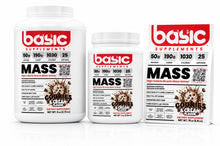
Basic Supplements Mass Gainer is available in multiple sizes and flavors, with a full ingredient breakdown and serving-size calorie count published on product pages to help you compare options.
- Compare chocolate, vanilla, and cookies and cream options on the mass gainer category page
- Review ingredient lists and per-serving calories directly on the Basic Supplements Mass Gainer, 6.8kg product page
- Try a smaller commitment first with the 2.72kg size before buying a full tub
- Check our guide to verifying batch testing if contamination or compliance is a concern
If you have questions about which formula suits your goals, customer service teams can assist you in choosing the right fit.
This article is general information, not a substitute for advice from a qualified doctor. Consult a qualified healthcare professional about your own circumstances before acting on anything here.
FAQ
Is it safe to take mass gainer every day?
Daily use is common and generally tolerated once you adjust to the serving size, though gradual introduction helps avoid digestive symptoms. People with kidney, liver, or metabolic conditions should check with a clinician before making it a daily habit.
Is a mass gainer good for you?
A mass gainer can help you meet calorie and protein targets when food alone falls short, and protein supplements combined with resistance training increase fat-free mass. Whether it is “good for you” depends on your training, your existing diet, and any health conditions that call for caution.
What happens if I drink mass gainer without working out?
Without matching activity, the extra calories a gainer provides are stored as fat rather than used to build muscle. Since a single serving can reach about 1,250 calories, drinking one daily without training can add up to significant weight gain over time.
What happens when you stop taking mass gainers?
Your calorie intake drops once you remove the shake, so weight gain typically slows or reverses unless you replace those calories with food. Any digestive symptoms tied to the product, like bloating or gas, usually resolve within days of stopping.
Sources
- Is It Good to Take Mass Gainers? Dosage and Side Effects - MedicineNet
- Investigating the Health Implications of Whey Protein Consumption: A Narrative Review - PMC
- Protein supplements and their relation with nutrition, microbiota composition and health - PMC
- Consumer advisory: Unapproved peptide products health warning - Medsafe