SHOP NOW, PAY LATER











 Informed Sport
 Informed Choice
 NSF Certified for Sport
 HASTA Certified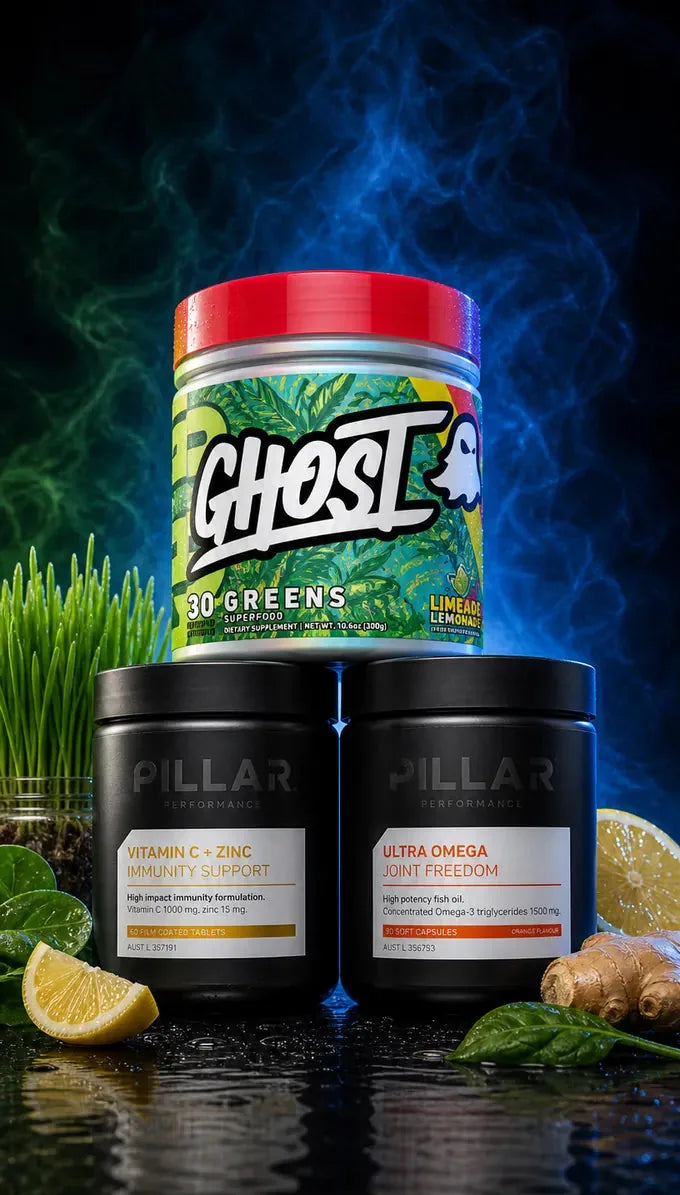

Neither gels nor chews is categorically better. Pick based on your hourly carbohydrate target, your gut’s tolerance, and how easily you can carry and swallow the product at race pace. Most runners need 30 to 60 grams of carbohydrate per hour for efforts past 60 minutes, so test both formats in training, track caffeine and sodium totals, and let your gut decide.
TL;DR:
- Most runners need 30 to 60 grams of carbohydrate per hour during efforts longer than an hour, with doses depending on how much they can tolerate and carry.
- Gels are more convenient for quick consumption and precise dosing, especially during climbs or surges, while chews are better suited for flatter, easier sections.
- Individual gut response varies; testing different products in training can reduce gastrointestinal discomfort during races.
- For races under two hours, fueling with two to three gels spaced evenly is sufficient, while longer races require mixing formats and strategic timing.
- Caffeine intake should be planned across the race, as multiple caffeinated products can lead to excessive consumption and GI issues.
Table of Contents
- Gels and chews side by side: strengths, weaknesses, and best use cases
- How much carbohydrate you actually need, and what that means in gels or chews
- Why your gut matters more than the fuel label
- Matching your fuel plan to the distance you are racing
- Choosing and testing a gel or chew before race day
- What years of fueling trial and error actually teach you
- Building a fueling kit that matches your training plan
- FAQ
- Sources
Gels and chews side by side: strengths, weaknesses, and best use cases
Gels and chews solve the same problem in different ways, and the differences matter most when you are tired, breathing hard, and still a few kilometers from the finish.
A gel is a single-use sachet of concentrated carbohydrate, usually 20 to 30 grams per serving, designed to be torn open and swallowed in one or two gulps. A chew packet holds multiple pieces, often four to six, each contributing a smaller dose that you build up to your target by eating two or three at once. That structural difference drives almost everything else.
Portability and packaging. Gels pack flat and tear open with one hand, which matters when you are also holding a water bottle or gripping trekking poles on a climb. Chews come in resealable pouches that are bulkier and require you to shake pieces into your palm, which is harder to do one-handed at pace.
Ease of ingestion under hard breathing. Swallowing a gel takes a few seconds. Chewing and swallowing solid pieces while your breathing rate is elevated can feel awkward, and some runners find it genuinely difficult to chew and breathe hard at the same time.
Dosing convenience. A gel’s carbohydrate content is fixed per sachet, so counting gels is a reliable way to hit a target. Chew packets vary by brand and flavor, and hitting an exact dose means counting individual pieces rather than whole units.
Caffeine and sodium. Many gels and some chews are sold in caffeinated versions, and it is easy to lose track of total caffeine intake when you are rotating through several sachets over a long race. Sodium content also varies widely between brands, so reading labels matters more than assuming either format is automatically better dosed.
Here is how the choice tends to shake out in practice:
- Short, hard efforts (under an hour): neither format is usually necessary; fuel from your last meal is enough.
- Steady efforts of 90 minutes to 2 hours: gels tend to win for convenience, especially if you are also managing water or electrolyte intake.
- Long, lower-intensity efforts (marathon and beyond): chews often work well during flatter, easier sections where chewing is less disruptive, while gels cover climbs or surges when you need fuel fast.
How much carbohydrate you actually need, and what that means in gels or chews
The core guideline from sports nutrition practice is straightforward: for exercise lasting longer than 60 minutes, aim for 30 to 60 grams of carbohydrate per hour, with some highly trained athletes tolerating up to 90 to 100 grams per hour when using multiple transportable carbohydrate sources. That range is not arbitrary. It reflects how fast your gut can absorb and your muscles can oxidize incoming sugar without triggering distress.
Translating that into products is simple arithmetic. A standard gel carries roughly 20 to 30 grams of carbohydrate, and a chew packet’s full serving (typically four to six pieces) often lands in a similar range, though this varies by brand.
- At 30 grams per hour: about one gel per hour, or roughly half a chew packet.
- At 45 grams per hour: one and a half gels, or close to a full chew packet depending on per-piece carbohydrate.
- At 60 grams per hour: two gels, or one full chew packet plus a few extra pieces.
For a 90-minute steady run, that might mean one and a half to two gels total, spaced roughly every 30 to 45 minutes. For a 2-hour tempo session, plan on three to four gels or the chew equivalent, sipping fluids alongside rather than relying on fuel alone for hydration. For a 3 to 4 hour marathon or early ultra effort, many runners mix formats: a chew or two on flatter sections, a gel before a climb, and carbohydrate drink mix to top up between solid feedings.
Statistic: For events over 60 minutes, 30 to 60 grams of carbohydrate per hour is the standard target, a range wide enough to accommodate both gels and chews depending on which you tolerate and can carry comfortably.
One practical warning: caffeine adds up fast across multiple caffeinated gels or chews. If you are using several caffeinated products over a long race, plan your total caffeine intake in advance rather than discovering the cumulative dose mid-race.

Why your gut matters more than the fuel label
Format superiority is not universal. The research on carbohydrate hydrogels, a newer category built on alginate and pectin to control how fast sugar leaves the stomach, shows that benefits are context-dependent rather than consistent across every runner and every effort. Hydrogels appear most useful when athletes need very high carbohydrate intakes or face heavy mechanical stress, not as a universal upgrade over standard gels or chews.
One controlled trial found that a glucose-fructose hydrogel increased exogenous carbohydrate oxidation and produced a slightly faster time trial compared with a standard carbohydrate solution, with different gastrointestinal symptom patterns between conditions. That is a meaningful data point, not a verdict that one format always beats another.
Separate research on gels at race-like intensities found average gastrointestinal symptom scores were generally low, but a meaningful subset of runners, roughly 10 to 20%, experienced serious GI problems during testing. That spread is exactly why individualization matters more than brand loyalty.
A progressive gut-training protocol reduces that risk for most runners:
- Start with a low carbohydrate dose in an easy session, well below your eventual target.
- Repeat the same product at race pace once tolerated, not just on easy days.
- Increase carbohydrate per hour gradually across several weeks rather than jumping straight to 60 grams.
- Test caffeinated versions separately from non-caffeinated ones, since caffeine can affect gut comfort independently of the sugar load.
Timing, fluid pairing, heat, and mechanical jostling on technical terrain all interact with how your gut handles fuel. If symptoms appear, the fix is often to reduce dose or switch format before abandoning fueling altogether.
Pro Tip: Keep a simple fueling log across long runs, noting product, dose, timing, and any stomach symptoms, so you can spot patterns before race day instead of guessing.

Matching your fuel plan to the distance you are racing
Fueling needs scale with duration, and the biggest mistake is overfueling a short race or underfueling a long one.
- 5K and 10K: most runners do not need supplemental gels or chews for these distances because muscle glycogen stores are sufficient. Focus instead on a carbohydrate-rich pre-race meal a few hours out.
- A 2-hour run: this is where fueling becomes worthwhile. Targeting 30 to 60 grams per hour typically means two to three gels across the two hours, or the equivalent in chews, and you can add a caffeinated option in the second hour if you want an alertness boost.
- Marathons: plan a mix across the distance. Many runners use drink mix early, switch to gels on climbs or during surges, and bring chews for flatter middle miles when chewing is less disruptive. Aid stations can supplement your own supply, but test any on-course product in training first.
- Ultras and hot or hilly courses: variety matters more here. Heat increases fluid needs and can reduce appetite for sweet gels, so having chews, drink mix, and even savory options gives flexibility when your palate changes late in a race.
Packing and carriage deserve as much thought as dosing. A running vest with front pockets keeps gels within easy reach without breaking stride. Race belts work well for shorter efforts where you need fewer items. Some runners tape individual gel sachets to a race belt or vest strap in the order they plan to eat them, which removes the fumbling of digging through a pocket mid-race. For longer events, pre-staging extra fuel in a drop bag at a aid station or crew point means you are not carrying your entire race nutrition from the start line.
Choosing and testing a gel or chew before race day
Reading a label tells you more than a flavor description ever will. Check the carbohydrate grams per serving, the sugar blend (glucose-to-fructose ratios affect absorption and gut comfort), sodium content, caffeine per serve, and any allergens or artificial sweeteners that might not sit well with you.
A simple testing checklist avoids race-day surprises:
- Buy a trial-sized pack rather than a full box of an untested product.
- Test it during a run at your actual race pace, not an easy jog.
- Record any gastrointestinal symptoms and roughly how you felt in the final stretch of the session.
- Repeat with a second product if the first did not sit well, rather than assuming all gels or all chews behave the same.
Oral health is a smaller but real consideration. Concentrated carbohydrate products, including hydration mixes like GAT Sport Nitraflex Hydration Lemon Lime, carry some acidity, and frequent exposure over a long race can contribute to enamel wear over time. Rinsing with water after a gel or chew, when you have the chance, is a simple habit worth building.
Statistic: With the recommended target sitting at 30 to 60 grams of carbohydrate per hour, and roughly 10 to 20% of runners reporting serious gastrointestinal symptoms during gel testing, the practical takeaway is to test early and adjust often rather than trust a label alone.
What years of fueling trial and error actually teach you
The biggest misconception about gels versus chews is that one format is the “correct” answer runners are missing. It is not. The real skill is pattern recognition: knowing your own gut well enough to predict how it will behave under race stress, not chasing whichever product has the loudest marketing.
Three things consistently separate runners who fuel well from those who do not. First, they test everything in training at race pace, never for the first time on race morning. Second, they treat caffeine as a budget to manage across the whole race, not a per-sachet decision. Third, they build a small trial kit well before their target race so they are comparing products on their own terms, not scrambling the week before.
If you are building that kit, start small and build confidence gradually rather than buying a season’s supply of one unproven product.
— Blake
Building a fueling kit that matches your training plan
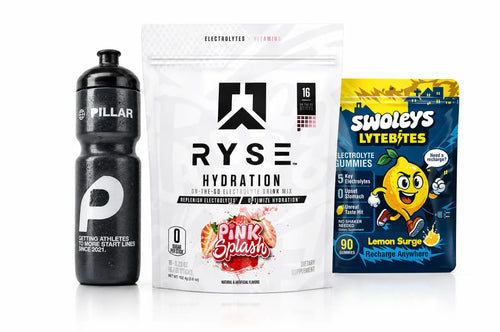
Hydration mixes, electrolytes, and fueling accessories make testing gels, chews, and drinks against each other straightforward, with options sourced and stored locally so you do not have to wait weeks for a trial pack to arrive.
A sensible trial kit does not need to be large. Start with one hydration mix, one electrolyte option, and a carbohydrate source you have not tried, then rotate them through your long runs over a few weeks.
- Ghost Hydration - Lemon Crush pairs well with gels or chews on long runs when you need fluid and electrolytes without adding more carbohydrate than planned.
- GAT Sport Essential cyclic dextrin offers a different carbohydrate source worth testing against standard gels if you are chasing higher hourly totals.
- A Granavitalis isotonic energy drink gives another fructose-blend option for runners who want to compare absorption and comfort against gels alone.
| Product type | Best tested during | What to track |
|---|---|---|
| Hydration mix | Long steady runs | Taste tolerance, bloating |
| Electrolyte capsules or powder | Hot or long sessions | Cramping, sodium needs |
| Carbohydrate drink mix | Tempo or marathon-pace runs | GI comfort at higher CHO/hr |
Browse our full range of hydration, electrolyte, and fueling categories to put together a kit before your next big training block.
FAQ
Do I need gels for a 10km run?
Most runners do not need supplemental gels or chews for a 10K because muscle glycogen stores are sufficient for efforts under 60 to 90 minutes. A pre-race carbohydrate-rich meal is usually enough for this distance.
What are the downsides of using energy gels?
Gels can be hard on the gut when taken too concentrated or without enough fluid, and caffeinated versions can push total caffeine intake higher than planned across a race. Research on gels at race intensity shows most runners tolerate them well, though a subset experiences notable gastrointestinal symptoms, which is why testing in training matters.
Do you need gels for a 5k?
No. A 5K is short enough that stored glycogen covers the effort, and adding a gel beforehand is more likely to cause stomach discomfort than provide any benefit.
How many gels for a 2 hour run?
Targeting the standard 30 to 60 grams of carbohydrate per hour for a 2-hour run typically works out to two to three gels per hour depending on the carbohydrate content per serving. Spacing them every 30 to 45 minutes, alongside fluid, tends to work better than front-loading them early in the run.
Sources
- Industry presented webinar Q&A | The endurance athlete: opportunities and limits
- Active
- Plant-derived alginate polysaccharide hydrogels in sport and exercise nutrition — Frontiers in Nutrition
- Glucose and fructose hydrogel enhances running — Medicine & Science in Sports & Exercise