SHOP NOW, PAY LATER

















 Informed Sport
 Informed Choice
 NSF Certified for Sport
 HASTA Certified

A creatine loading phase speeds up muscle saturation, typically 20 to 25 grams per day for 5 to 7 days, so it’s useful when you want faster results. It’s optional for most people, who can use 3 to 5 grams per day and reach the same saturation point over about four weeks. Both routes are safe for healthy adults; anyone with diagnosed kidney disease should check with a clinician first.
TL;DR:
- Loading creatine speeds muscle saturation by about 20% within a week, making it ideal for tight timelines like competitions or new training cycles.
- Using 20 to 25 grams daily for 5 to 7 days split into smaller servings reduces gastrointestinal issues and improves absorption compared to taking it all at once.
- Skipping loading results in the same muscle saturation but takes approximately four weeks with daily maintenance doses of 3 to 5 grams.
- There is no evidence linking creatine to kidney damage in healthy adults, but those with kidney issues should consult a clinician before use.
- Pairing creatine doses with meals containing carbohydrates and protein enhances retention and minimizes side effects such as bloating or water retention.
Table of Contents
- What happens during a creatine loading phase
- Exact loading and maintenance protocols
- Who actually benefits from loading, and who can skip it
- Side effects and what the kidney research actually shows
- What changes in week one, and what to expect by week four
- Practical dosing tips that reduce side effects
- What transparent sourcing looks like in practice
- The loading debate is mostly about impatience, not biology
- Choosing a creatine product you can trust
- FAQ
- Sources
What happens during a creatine loading phase
Creatine raises the amount of phosphocreatine stored in muscle, which your body taps to regenerate ATP during short, intense efforts like a heavy set or a sprint. More stored creatine means more fuel available for those bursts, which is the whole appeal of supplementing with it in the first place, as the publisher’s explainer on how creatine affects your gains lays out.
Loading and maintenance-only dosing reach the same endpoint: full muscle creatine stores. The difference is how fast you get there.
- Loading (20 to 25 grams a day): muscle creatine rises by roughly 20% in about a week, according to the classic loading study.
- Maintenance only (3 grams a day): the same 20% increase shows up, just stretched out over about 28 days.
Neither path gives you more total creatine long-term. Loading just gets you to peak stores before your first big lift.
Exact loading and maintenance protocols
The most common protocol, echoed across mainstream sports nutrition guidance, is simple:
- Loading phase: 20 to 25 grams per day for 5 to 7 days, split into 4 to 5 servings of about 5 grams each.
- Maintenance phase: 3 to 5 grams per day, taken as a single dose, indefinitely.
- Timing: space loading doses through the day, with one dose around your workout and others with meals.
Loading dose, sourced and confirmed: 20 to 25 grams daily for 5 to 7 days raises muscle creatine faster than maintenance-only dosing, with splitting into smaller servings cutting down on stomach upset.
If you’d rather scale by body weight, the Australian Institute of Sport’s nutrition guidance recommends about 0.3 grams per kilogram per day during loading, then 0.03 grams per kilogram per day for maintenance. For someone weighing 80 kilograms, that works out to 24 grams a day while loading and 2.4 grams a day after.
Taking creatine with a meal that includes carbohydrate and protein appears to improve retention compared with taking it on an empty stomach, so pairing doses with breakfast, lunch, dinner, and a post-workout shake is a practical way to hit your numbers without extra planning.

Who actually benefits from loading, and who can skip it
Loading earns its place when timing matters. If you’re a few weeks out from a competition, starting a new strength block, or otherwise need peak performance sooner rather than later, the faster saturation curve is worth the minor hassle.
- Load if: you have a hard deadline, like a meet or a new training cycle starting soon.
- Skip loading if: you’re a casual gym-goer with no timeline pressure, or you want to avoid the early water-weight bump that sometimes comes with higher early doses.
- Go slow if: you have a sensitive stomach, since smaller maintenance-only doses are gentler from day one.
People with diagnosed kidney disease should talk to a doctor before starting any creatine protocol, loading or otherwise. The research on renal safety applies to healthy adults, not to people managing existing kidney conditions.
Pro Tip: If you’re undecided, start with maintenance dosing (3 to 5 grams daily) for a week and see how your stomach handles it before deciding whether loading is worth the faster timeline.
Side effects and what the kidney research actually shows

The most commonly reported issues with creatine loading are water retention, mild bloating, and occasional GI upset, all tied to the higher gram amounts hitting your system at once rather than to any toxic effect. Splitting the daily total into smaller servings, taking each dose with food, and drinking water consistently through the day address most of this.
On the kidney question specifically, a recent meta-analysis of creatine and renal function found no statistical link between creatine supplementation and impaired kidney function in healthy adults, across the trials reviewed. A randomized controlled trial measuring sensitive kidney biomarkers in young, healthy subjects reported values within normal ranges despite small, expected rises in serum creatinine, a side effect of increased creatine turnover rather than a sign of damage. For a deeper look, the publisher’s own piece on whether creatine damages kidneys walks through the evidence in plain terms.
Clinical evidence shows no statistical correlation between creatine and renal impairment across the meta-analyses reviewed.
Anyone with pre-existing kidney disease should stop and consult a clinician rather than self-manage symptoms.
What changes in week one, and what to expect by week four
The first week is mostly about muscle saturation, not visible results. Expect:
- Muscle creatine stores rising toward their peak within 5 to 7 days of loading, per the original loading research.
- A small bump in body weight, often attributed to water pulled into muscle tissue alongside the creatine.
- Strength and power gains building gradually over the following weeks of training, even though saturation itself happens fast.
Stores decline slowly once you stop, and a short break, a week or two, doesn’t require reloading. It takes roughly three to four weeks of no supplementation to drift back toward baseline levels, so only a longer gap makes a reload worth considering.
Practical dosing tips that reduce side effects
A few habits make loading, or maintenance dosing, easier to stick with:
- Calculate by body weight if you want precision: multiply your weight in kilograms by 0.3 for a loading dose, or by 0.03 for maintenance.
- Pair doses with meals: a meal containing carbohydrate and protein appears to improve creatine retention compared with taking it alone, without needing a large sugar load.
- Avoid stacking creatine with high-fiber foods in the same sitting, since fiber can slow absorption and contribute to GI discomfort.
The publisher’s guide on timing creatine around workouts and its hydration guidance both cover this ground in more detail if you want to fine-tune your routine.
Pro Tip: Track your weight and how your stomach feels for the first week; most of what people call “creatine bloat” settles once your body adjusts to the new intake.
What transparent sourcing looks like in practice
There are online retailers built around nutritional supplements and fitness products meant to support athletic performance and general well-being. The company curates its range from trusted brands and lists ingredients transparently, so you can see exactly what’s in a tub before you buy it, rather than guessing at a proprietary blend.
For readers who want to go deeper on the safety side, the kidney evidence, water intake, and dose timing are all covered in the publisher’s own explainers linked throughout this guide. Anyone with diagnosed kidney disease should still check with a clinician before starting either protocol.
The loading debate is mostly about impatience, not biology
Most of the anxiety around creatine loading is misplaced. The science is settled enough that the real question isn’t “is loading safe,” it’s “do you actually need the extra week.” For most lifters without a competition date or a new program starting Monday, skipping the loading phase and dosing 3 to 5 grams daily is the less fussy choice, and it gets you to the exact same saturation point.
Where conventional advice oversells things is the idea that loading is somehow more effective long-term. It isn’t. It’s a shortcut to the same destination, useful for people on a timeline and unnecessary for everyone else. The side effects people fear, bloating, water weight, stomach upset, are almost always dose-timing problems, not safety problems, and they disappear with basic habits like splitting servings and eating alongside them.
If you take one thing from this: decide your timeline first, then pick your protocol. The dose numbers are not the hard part.
— Blake
Choosing a creatine product you can trust
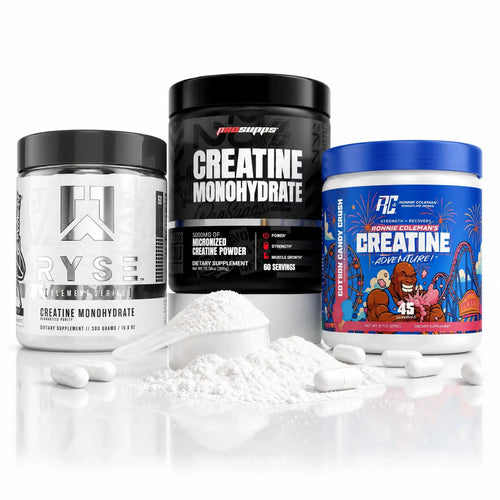
Monohydrate is the form backed by the most research and the one worth defaulting to, whether you load or not. When you’re comparing products, check that ingredient lists are fully disclosed and that the brand discloses batch testing, details that matter more than flavor or packaging.

Some retailers store products within New Zealand and provide fast shipping and ingredient transparency on product listings. You can browse a creatine monohydrate option directly, or see the full creatine and supplement range to compare formats. As always, check with a clinician first if you have pre-existing kidney disease or are pregnant or breastfeeding.
FAQ
What is a good creatine loading phase?
A good loading phase is 20 to 25 grams per day for 5 to 7 days, split into 4 to 5 servings of about 5 grams each, followed by a maintenance dose of 3 to 5 grams daily. This matches the protocol used in the original loading research and in current mainstream guidance.
Can I take 20 grams of creatine at once?
Taking a full 20 gram dose in one sitting is more likely to cause stomach upset than splitting it into smaller servings through the day. Most guidance recommends dividing loading doses into 4 to 5 servings of roughly 5 grams, taken with meals.
What happens if I skip the loading phase of creatine?
Skipping loading just means a slower path to the same destination: taking 3 to 5 grams daily reaches full muscle saturation in about four weeks instead of one, based on research comparing the two approaches. You lose speed, not the end result.
What happens after one week of creatine?
After about a week of loading, muscle creatine stores rise by roughly 20%, and some people notice a small increase in body weight from water retention. Visible strength or power gains tend to build gradually over the following weeks rather than appearing immediately.
Sources
- Creatine supplementation and renal function: an updated meta-analysis
- Muscle creatine loading in men
- What to Know About the Creatine Loading Phase
- Creatine (AIS / Ausport guidance)