SHOP NOW, PAY LATER












 Informed Sport
 Informed Choice
 NSF Certified for Sport
 HASTA Certified

A foam roller is the better default for broad muscle stiffness, warm-up prep, and general mobility work, while a massage gun wins when you need fast, localized relief or a quick pre-event flexibility boost in a specific muscle. Neither replaces the other, and most people who train seriously often use both for different jobs rather than picking a side.
TL;DR:
- Foam rollers are better suited for broad muscle mobility and warm-up routines, while massage guns focus on targeted, short-term relief in specific muscles.
- Foam rolling helps reduce muscle stiffness over 24 to 72 hours, whereas massage guns provide immediate range-of-motion improvements within minutes.
- A foam roller covers large areas and is generally easier for beginners, while massage guns allow precise pressure adjustments and faster localized treatment.
- Both tools deliver modest pain relief and flexibility gains, but neither outperforms rest significantly for soreness, and results vary based on individual use.
- For optimal recovery, foam rolling should precede training for broad effects, with massage guns used on persistent tight spots afterward.
Table of Contents
- How Foam Rollers and Massage Guns Actually Work
- Benefits and Limitations Side by Side
- Choosing a Foam Roller, a Massage Gun, or Both
- Safe, Effective Ways to Use Each Tool
- What the Research Actually Shows About Recovery
- What to Look for Before You Buy Either Tool
- How Fitness Professionals Actually Use Both Tools
- Another Option Worth Considering for Recovery
- Sources
- FAQ
How Foam Rollers and Massage Guns Actually Work
The two tools apply pressure in completely different ways, which explains why their effects don’t overlap as much as marketing suggests.
A foam roller relies on your body weight to create sustained pressure and shear force across a muscle as you roll back and forth. That slow, broad compression is thought to encourage fascial sliding between muscle layers, and it tends to affect stiffness, tone, and range of motion over the following 24 to 72 hours rather than instantly. A 2025 randomized controlled trial found that foam rolling significantly reduced muscle tone and stiffness at 48 hours after exercise-induced soreness compared with rest.
A massage gun works differently. It delivers rapid, repeated impulses into a small area, which appears to trigger local increases in blood flow and some degree of neural modulation of pain signals. That mechanism produces effects fast: within minutes, not days. Research on percussive devices has found meaningful acute range-of-motion gains in specific muscles, even when broader performance measures don’t move.
What both tools share is inconsistency on pain itself. Realistic expectations look like this:
- Mobility and perceived tightness often improve after either tool, sometimes within a single session.
- Muscle soreness ratings can drop modestly, but the effect is usually small and short-lived.
- Neither tool has reliably beaten simple rest for pain relief in controlled comparisons, which is worth knowing before you expect a foam roller or massage gun to erase soreness on its own.
Benefits and Limitations Side by Side
Choosing between the two often comes down to what you’re targeting and how much time you have.
Targeting. A massage gun is built for precision: you can park the head directly on a knot in the upper trap or a tight spot in the calf. A foam roller compresses a whole muscle belly at once, which is less precise but covers more ground per pass, useful for quads, lats, or the IT band.
Depth and intensity. Massage guns let you dial intensity up or down through speed settings, so a sore beginner and a seasoned lifter can use the same device differently. A foam roller’s intensity is fixed by your body weight and the roller’s density, though switching from a soft to a firm roller changes the pressure meaningfully.
Comfort and tolerance. New users often find foam rolling uncomfortable on bony areas or very tight spots, and starting with a softer roller reduces bruising risk. Massage guns feel intense at first for some people, particularly on lean muscle with little padding, so starting on a lower speed setting is the safer entry point.
Time and convenience. A foam roller session covering several muscle groups can take 10 to 15 minutes. A massage gun gets similar localized relief in 1 to 2 minutes per spot, which matters when you’re prepping for an event or squeezing recovery into a tight schedule.

Cost and durability. Foam rollers are cheap and close to maintenance-free, while massage guns cost more upfront, need charging, and have motors that can wear out over years of use. Attachments, longer battery life, and quieter motors typically push the price up.
Pro Tip: If you’re deciding between the two for the first time, start with a foam roller. It’s cheaper, harder to misuse, and gives you a feel for how your body responds to pressure before you invest in a powered device.
Choosing a Foam Roller, a Massage Gun, or Both
Match the tool to the job rather than asking which one is generally “better.”
- Choose a foam roller when the goal is broad mobility work, a pre-workout warm-up across multiple muscle groups, or general stiffness after a heavy training week.
- Choose a massage gun when you need to hit one specific tight spot fast, such as a knotted calf before a race or a stiff shoulder between training blocks.
- Use both when you’re managing a demanding training schedule: roll broadly first, then spend a minute or two with the gun on the area that’s still bothering you.
For runners, a foam roller across the calves and quads before a long run pairs well with a quick massage gun pass on the IT band if it’s flaring up. Lifters often reach for the roller post-session across the whole lower body, then use a gun on a specific muscle that’s been nagging for days. Team-sport athletes tend to favor the gun courtside or on the sideline because it’s fast and needs no floor space.
Both tools have clear limits. Skip either one over a suspected fracture, active inflammation, a possible deep vein thrombosis, or uncontrolled use of blood thinners, and get clinical advice instead of self-treating through it.
Safe, Effective Ways to Use Each Tool
Getting the sequence and intensity right matters more than which tool you own.
- Warm-up goal: Use the foam roller first for 30 to 60 seconds per muscle group at light to moderate pressure, focusing on quads, calves, and glutes, then move into dynamic movement rather than static stretching.
- Recovery goal: After training, spend 60 to 90 seconds per muscle group on the roller, or 30 to 60 seconds per spot with a massage gun on the lowest comfortable speed that still feels effective.
- Trigger-point goal: Hold the massage gun on a specific tight spot for 15 to 30 seconds at a time, moving slightly rather than pressing hard into one point, and never lingering directly over a joint or bone.
- Progression: Increase pressure or speed gradually over weeks, not sessions, and back off immediately if a spot feels sharp rather than achy.
Red flags that mean stop and get it checked: numbness, tingling, sharp localized pain, unexplained swelling, or bruising that spreads rather than fades.
Pro Tip: Never roll or run a massage gun directly over a joint, the spine, or a varicose vein. Both tools are meant for muscle bellies, not bone or joint structures.

What the Research Actually Shows About Recovery
The evidence for both tools is real but modest, and it points in a more specific direction than most product marketing suggests.
The 2025 RCT of 60 participants found that foam rolling significantly reduced muscle tone and stiffness at 48 hours, while percussive massage did not significantly change tone or stiffness in the same trial, and neither beat passive rest for pain relief. A separate 2025 crossover pilot study found percussive massage produced better immediate hamstring flexibility than foam rolling, though neither tool improved explosive strength or endurance. A 2019 meta-analysis of 21 studies on foam rolling found small, task-dependent benefits: modest sprint and flexibility gains with small effect sizes, and slight reductions in perceived muscle pain.
| Study | Design | Key finding |
|---|---|---|
| 2025 RCT (n=60) | Randomized controlled trial | Foam rolling cut stiffness and tone at 48 hours; neither tool beat rest on pain |
| 2025 crossover pilot study | Crossover pilot | Percussive massage beat foam rolling for immediate hamstring flexibility |
| 2019 meta-analysis (21 studies) | Meta-analysis | Foam rolling gave small flexibility and sprint gains, modest pain reduction |
A few caveats matter before treating any of this as gospel:
- Sample sizes in the individual trials were small, which limits how far the findings generalize.
- Follow-up periods were short, so long-term effects on injury risk or chronic tightness remain unclear.
- Devices and protocols varied across studies, meaning results from one massage gun or roller may not transfer exactly to another.
What to Look for Before You Buy Either Tool
Picking a product that fits your body and budget matters more than chasing a brand name.
- Foam roller basics: choose density based on tolerance (soft for beginners or sensitive areas, firm for experienced users), and pick a longer roller for the back or a shorter one for travel.
- Texture: smooth rollers suit general use, while textured or ridged surfaces target trigger points more aggressively and suit people already comfortable with pressure.
- Massage gun basics: prioritize a quieter brushless motor, several speed settings, a stroke length suited to deep muscle rather than surface skin, and a battery that lasts a full session without recharging.
- Attachments and ergonomics: a rounded head suits large muscles, a bullet head suits trigger points, and a lighter, well-balanced handle matters more than it seems once you’re holding it for ten minutes.
- Price bands: entry-level foam rollers are inexpensive and nearly maintenance-free, while entry massage guns cost more but include basic attachments; higher-end guns add quieter motors, longer battery life, and app-based controls. Check the warranty and return window before buying either tool, since motor issues in massage guns typically surface after months of use rather than immediately.
How Fitness Professionals Actually Use Both Tools
Coaches tend to reach for the roller when the goal is broad mobility and the gun when it’s spot work on one stubborn muscle, cycling between them rather than committing to one. The most common mistake is pressing too hard, too fast, on a muscle that’s simply weak rather than tight, which a few sessions of targeted strength work fixes faster than any tool. Used this way, both are useful maintenance habits, not substitutes for addressing what’s actually causing the tightness.
— Blake
Another Option Worth Considering for Recovery
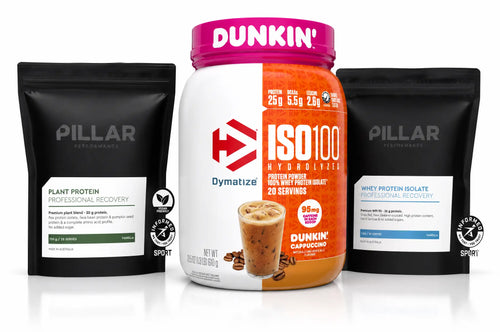
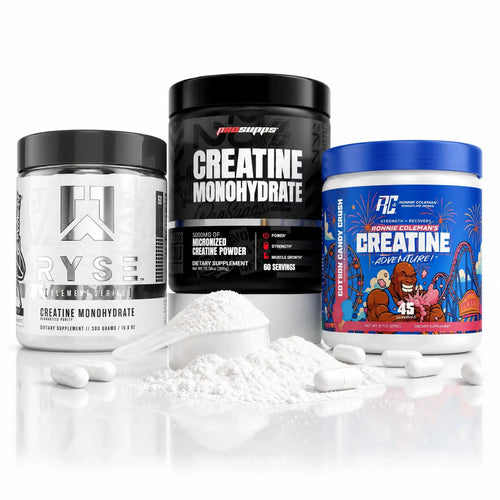
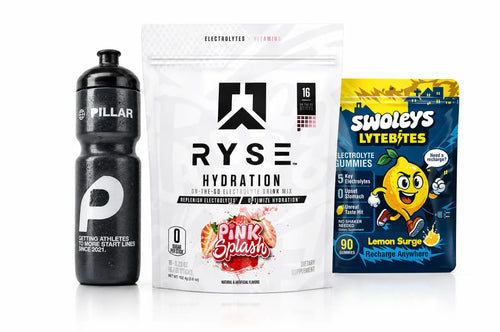
Foam rollers and massage guns work on the tissue itself, but recovery also depends on what you put back into your body between sessions. 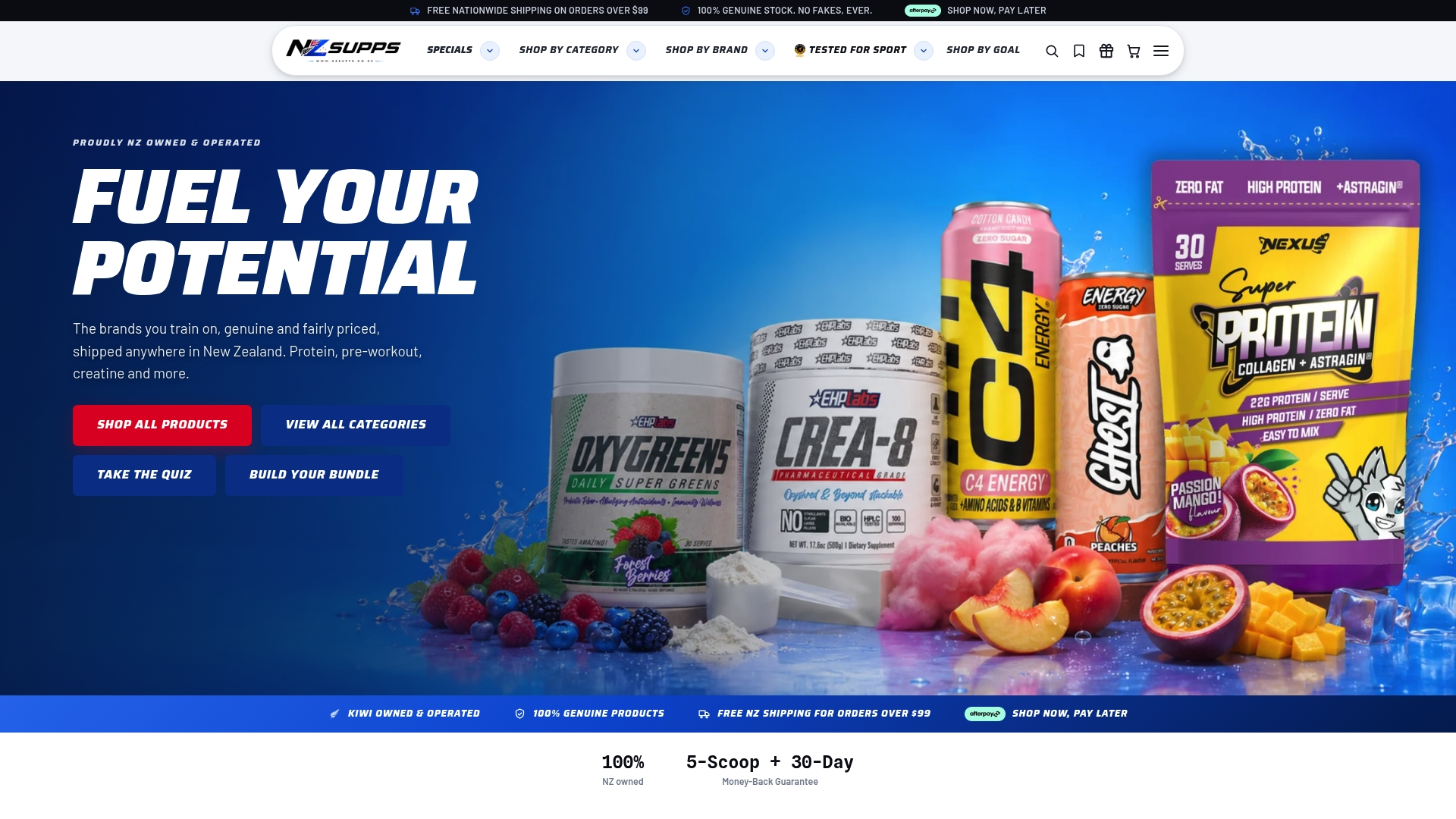 Protein supports the muscle repair that follows a hard session, electrolytes help replace what you sweat out, and creatine and BCAAs are common additions for people training frequently. These are adjuncts, not substitutes for the tissue work above, but if you want to round out a recovery routine, NZ Supps’ protein, pre-workout, creatine and more is worth a look.
- Protein: supports muscle repair after training.
- Electrolytes: help replace what’s lost through sweat.
- Creatine and BCAAs: common choices for frequent training schedules.
Sources
- Foam rolling or percussive massage for muscle recovery (2025 RCT)
- Acute effect of percussion and foam roller massage on flexibility (2025 pilot study)
- A meta-analysis of the effects of foam rolling on performance and recovery (2019)
- Are massage guns for percussive therapy worth it? — Cleveland Clinic (2023)
FAQ
Do physiotherapists recommend massage guns?
Physiotherapists generally see massage guns as useful for short-term relief of tightness and localized soreness, not as a replacement for structured rehab. Cleveland Clinic guidance notes they can increase blood flow and mobility short-term, though evidence for improving speed or power is limited.
Do massage guns break up knots?
Massage guns don’t break up knots in a literal sense, but the rapid percussion can reduce the sensation of tightness and improve local blood flow in the area. Relief is often temporary, and a knot caused by weakness or overuse tends to return without addressing its underlying cause.
Should I use a massage gun or foam roller first?
For a warm-up, most people use a foam roller first across larger muscle groups, then a massage gun on any specific spot that still feels tight. For post-workout recovery, either order works, since the 2025 RCT found both tools produced different, not sequential, effects.
Do doctors recommend massage guns?
Doctors and clinical resources tend to frame massage guns as a reasonable option for temporary tightness and mobility, while cautioning that they don’t replace medical evaluation for injuries or persistent pain. Cleveland Clinic advises seeking professional care rather than relying on a massage gun when symptoms are severe or worsening.