SHOP NOW, PAY LATER










 Informed Sport
 Informed Choice
 NSF Certified for Sport
 HASTA Certified

“Natural” and “artificial” describe where a flavor molecule came from, not how safe it is. Regulators like the Food Standards Australia New Zealand assess safety by looking at the specific substance, the dose you’re exposed to, and its permitted use level, never the marketing term on the front of the pack. The practical move is to skip the flavor claim entirely and read the full ingredient list and Nutrition Information Panel instead, and to contact the manufacturer directly if you have allergies or dietary restrictions that depend on exact sourcing.
TL;DR:
- Flavor safety assessments focus on chemical identity and dose, not whether the flavor is natural or artificial, and both types can be chemically identical.
- Manufacturing methods like extraction, fermentation, and chemical synthesis determine flavor composition, often making natural and artificial flavors indistinguishable chemically.
- Ingredient labels can hide complex blends under “natural flavor,” requiring direct manufacturer contact for sourcing and allergen information.
- Flavor origin does not influence nutrition; sensory additives are used in tiny amounts and do not impact calorie or nutrient content.
- For allergen management and dietary restrictions, it is essential to scrutinize ingredient panels and consult manufacturers, rather than rely solely on front-label claims.
Table of Contents
- Natural Flavors vs Artificial: The Chemistry Behind the Label
- How FSANZ, the FDA, and JECFA Actually Judge Flavor Safety
- What “Flavour” on the Ingredient List Might Be Hiding
- Flavor Origin Tells You Nothing About Nutrition
- An Allergy and Dietary Checklist for Reading Flavor Labels
- Natural Flavors vs Artificial in Supplements and Sports Nutrition
- How Nzsupps Handles Flavor Transparency
- An Editorial Take on Reading Flavor Labels
- Choosing Between Flavored and Unflavoured Supplements at Nzsupps
- Where to Verify This Yourself
- Sources
- FAQ
Natural Flavors vs Artificial: The Chemistry Behind the Label
A natural flavor comes from a plant, animal, or microbial source through extraction, distillation, or fermentation. An artificial flavor is built from scratch in a lab, often to mimic that same natural compound using cheaper, more consistent raw materials. Here’s the part most shoppers never hear: the two versions can be chemically identical. Vanillin, the primary flavor compound in vanilla, can be extracted from vanilla beans or synthesized from lignin or guaiacol. Your body processes both forms exactly the same way, according to FDA guidance on food ingredients, which notes that the human body cannot distinguish a naturally occurring chemical from the identical chemical added during processing.
This is where “natural flavors explained” gets interesting, because the manufacturing route matters more than the origin story. A peer-reviewed review of natural food flavors in the bakery industry breaks down how flavor houses actually produce these ingredients:
- Extraction and distillation: pulling aromatic compounds directly from fruit, bark, leaves, or seeds using solvents, cold pressing, or steam.
- Fermentation: using yeast, bacteria, or enzymes to convert a natural precursor into a flavor compound, the same basic process behind cheese, beer, and soy sauce.
- Chemical synthesis: building a flavor molecule from petrochemical or other industrial starting materials, engineered to match a specific taste profile.
- Biotransformation: a hybrid approach where microbes convert a cheap natural starting material into a flavor compound too expensive to extract directly.
Strawberry flavor is a good example of how blurry this gets. A “natural” strawberry flavor might be built from dozens of different compounds sourced from corn, dairy, or even wood pulp byproducts, none of which ever touched an actual strawberry. Meanwhile, an “artificial” grape flavor might use a single synthesized ester that never appears in nature at meaningful concentrations, which is part of why it tastes more like candy than actual grapes. The manufacturing method, not the natural or synthetic label, is what actually determines what’s in the bottle.
How FSANZ, the FDA, and JECFA Actually Judge Flavor Safety
Every flavor ingredient permitted for sale, natural or synthetic, has already passed a formal safety review. FSANZ evaluates food additives using an acceptable daily intake model: toxicological studies establish a safe exposure threshold, then FSANZ estimates how much of that substance an average person would realistically consume across their whole diet before setting a permitted use level. Origin never enters that calculation. What matters is the substance’s chemical identity and how much of it ends up in your body.
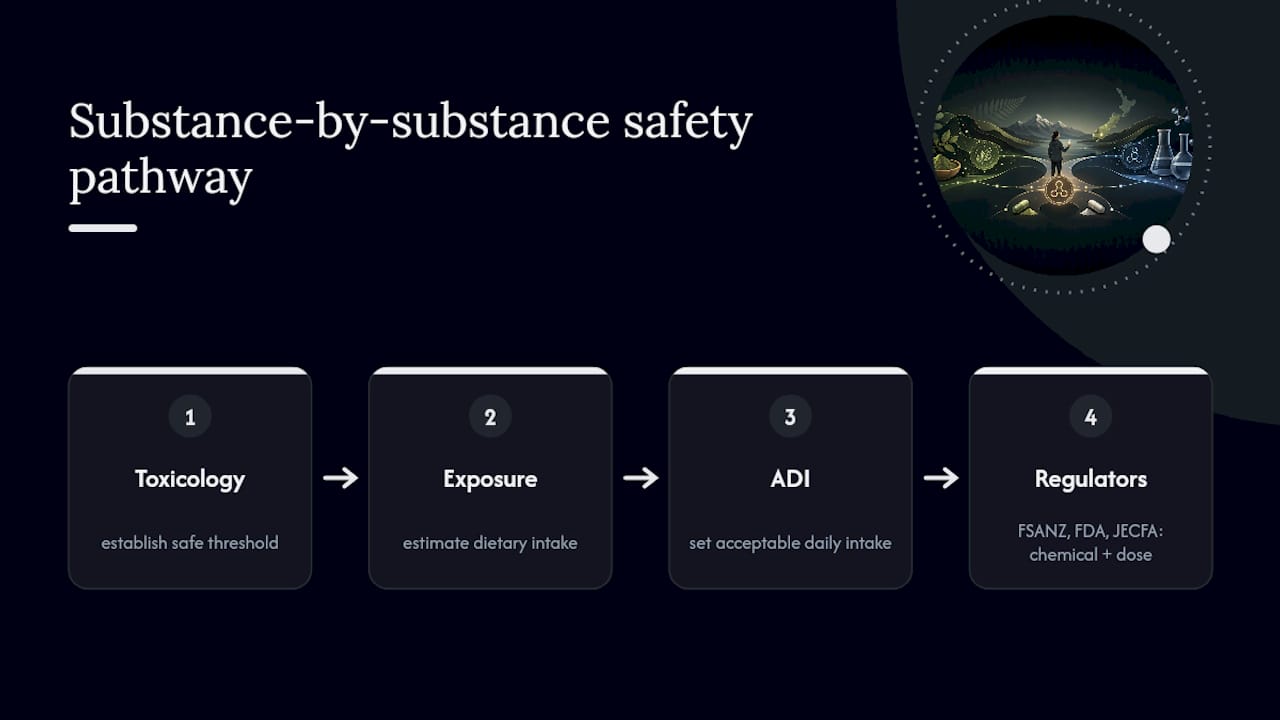
Quick fact: JECFA, the Joint FAO/WHO Expert Committee on Food Additives, evaluates flavoring agents one substance at a time and regularly revises its safety specifications as new toxicological or exposure data becomes available. That’s an ongoing global review process, not a one-time approval decades ago that nobody revisits.
The FDA runs a parallel system in the United States. Its position is direct: ingredients must meet the same safety standard whether they’re naturally or artificially derived. There’s no separate, looser bar for synthetic additives and no automatic pass for anything labeled natural. FSANZ backs this up on the additive side too, noting that adverse reactions can occur with either source, so a natural additive isn’t inherently gentler on a sensitive system than a synthetic one.
For consumers asking whether artificial flavors are safe, this is the honest answer: safety isn’t a yes or no question about the category. It’s a substance-by-substance, dose-by-dose determination made by people who have already done that math before the product reached the shelf. Are natural flavors safe by default? Not automatically, for the same reason. The label tells you the source. The regulatory file tells you the safety profile, and those are two different documents.
What “Flavour” on the Ingredient List Might Be Hiding
Ingredient labels don’t have to spell out every component of a flavor system. Under FDA rules, manufacturers can declare flavors collectively as simply “natural flavor” or “artificial flavor” rather than listing each individual compound, as long as the flavor mixture doesn’t itself contain an allergen that needs separate disclosure under labeling law. That single line on the pack can represent one compound or a blend of dozens.
Here’s what commonly sits behind that generic wording:
- The flavor compound itself, which might be one molecule or a complex blend of several dozen.
- Carrier agents, like propylene glycol or vegetable oil, used to dissolve and stabilize the flavor so it mixes evenly into the final product.
- Solvents used during extraction or processing, some of which are food-grade but still worth knowing about if you’re managing a sensitivity.
- Processing aids that help the flavor blend, stay stable in the package, or survive high heat during manufacturing.
- The species of origin for natural extracts, which is rarely stated on the front of the pack even though it can matter for religious, ethical, or allergy reasons.
If any of that matters to you, the collective “flavour” declaration is a dead end on its own. The next step is contacting the manufacturer directly and asking for the carrier system, the source species behind any natural extract, and whether the product runs through shared equipment with known allergens. Most reputable brands have a customer service line built for exactly this question, and a company that stonewalls a straightforward sourcing question is telling you something too.
Flavor Origin Tells You Nothing About Nutrition
A flavor’s job is sensory, not nutritional. Whether vanilla flavor comes from a bean or a lab, it’s added in tiny quantities specifically to hit your tongue and nose, not to contribute meaningful calories, protein, or micronutrients. Judging a product’s healthfulness by whether its flavor is natural or artificial misses where the actual nutrition trade-offs live.
Compare two hypothetical drinks side by side:
- Drink A lists “natural flavors” on the front, sounds wholesome, and carries 28 grams of added sugar per serving.
- Drink B lists “artificial flavors,” sounds synthetic and suspicious, and carries zero grams of added sugar because it uses a non-nutritive sweetener instead.
By the “natural sounds better” logic, most shoppers grab Drink A. Nutritionally, Drink B is the better call for anyone managing sugar intake, and the flavor descriptor told you nothing useful about that difference. The Nutrition Information Panel and full ingredient list are where the real signal lives, covering sugar, sodium, saturated fat, fiber, and protein, none of which the flavor claim touches.
Pro Tip: Flip the product over before you make a decision from the front label. If “natural flavors” or a green leaf icon is doing the selling on the front of the pack, check whether the sugar or sodium line on the back tells a different story.
An Allergy and Dietary Checklist for Reading Flavor Labels
Because flavors can legally hide behind a generic declaration, allergy management and dietary compliance both come down to asking the right questions in the right order rather than trusting the front label. A “natural flavour” derived from shellfish, dairy, or tree nuts can trigger a reaction even when none of those words appear anywhere on the pack, since the flavor compound itself may fall outside the major allergens that labeling law requires you to name.
Work through it in this sequence:
- Locate the flavor entry in the ingredient list, natural or artificial, and note that it exists.
- Scan the allergen statement separately, since a shellfish-derived or nut-derived flavor compound may not trigger a mandatory allergen callout if it falls outside the legally defined major allergen categories.
- Check for relevant certifications on the pack, like kosher, halal, or vegan marks, which can shortcut a lot of guesswork for ethical or religious dietary rules.
- Contact the manufacturer directly if the source species, carrier oil, or solvent isn’t clear, and ask specifically about cross-contact procedures if you’re managing a severe allergy.
- Get the answer in writing when the stakes are high, an anaphylactic allergy or a strict religious dietary requirement isn’t something to manage on a verbal assurance from a call center.
This is slower than glancing at a front-of-pack claim, and it’s the only method that actually closes the gap the collective “flavour” declaration leaves open.
Natural Flavors vs Artificial in Supplements and Sports Nutrition
Flavor origin has zero effect on active ingredient dosages or performance outcomes in a supplement. A creatine monohydrate scoop delivers the same 5 grams of creatine whether it’s unflavoured or dressed up in a fruit punch blend, and a protein powder’s amino acid profile doesn’t shift because the flavor system is natural instead of synthetic. The flavor sits on top of the formula; it doesn’t change what the formula does.
When you’re comparing flavored sports nutrition products, run through this checklist instead of judging by the flavor claim:
- Active dosages: confirm the creatine, protein, or amino acid amounts per serving match what you’re actually trying to achieve.
- Sweeteners: check whether the product uses sugar, stevia, sucralose, or another sweetener, since this affects both taste and your daily sugar or carb count.
- Stimulant content: caffeine and other stimulants in flavored pre-workout products need checking regardless of whether the flavor is natural or artificial.
- Allergen statements: flavored protein and gainers often carry dairy, soy, or egg declarations that unflavoured versions of the same product line might not.
- Batch testing claims: verify the brand’s testing and quality claims independently rather than assuming a “natural” flavor system implies a cleaner overall product.
Unflavoured products remain the simplest option if you want maximum control over additives, fewer carrier ingredients in the mix, or an easier allergen-management routine, since you’re removing an entire category of hidden components from the equation.
How Nzsupps Handles Flavor Transparency
The retailer stocks both flavored and unflavoured options to address flavor preference and flavor risk management, and lists ingredients transparently on every product page to help customers understand what sits behind a “natural flavor” line. If you’re managing allergies or just prefer to add your own flavor through whole foods, the unflavoured supplement range strips out the carrier systems and flavor compounds entirely.
For shoppers who do want flavor, the practical move is the same one this article has repeated throughout: check the full ingredient panel on the product page before checkout, not just the flavor name on the front. Nzsupps’ taste-testing breakdown of protein powders shows how flavor systems vary even within the same product category, and it’s worth reading alongside the ingredient list rather than instead of it. When buying from any online retailer, cross-check the label against what’s shown on the page, and consider contacting customer support if a sourcing detail isn’t listed.
An Editorial Take on Reading Flavor Labels
The instinct to treat “natural” as a health seal is understandable and mostly wrong. Origin tells you where a molecule was harvested or built, not what it does in your body, and the regulatory agencies that actually gatekeep safety, FSANZ, the FDA, JECFA, all evaluate substances the same way regardless of that label. If you take one habit from this, make it this: read the Nutrition Information Panel before the flavor claim, every time.
Where the label genuinely matters is allergies, ethical sourcing, and religious dietary rules, and that’s precisely where a generic “flavour” declaration falls short. That’s not a reason to panic about every product on the shelf. It’s a reason to know when a two-minute email to a manufacturer is worth sending, and when your personal taste preference is the only thing actually at stake.
— Blake
Choosing Between Flavored and Unflavoured Supplements at Nzsupps
If you’ve read this far, you already know that “natural flavor” on a label isn’t a safety guarantee, and that the only way to get real certainty on sourcing is to check the ingredient panel yourself. The retailer stores products locally with no grey imports and lists ingredients transparently on each product page, so customers can check the listed panel rather than piecing together sourcing details from a manufacturer overseas.
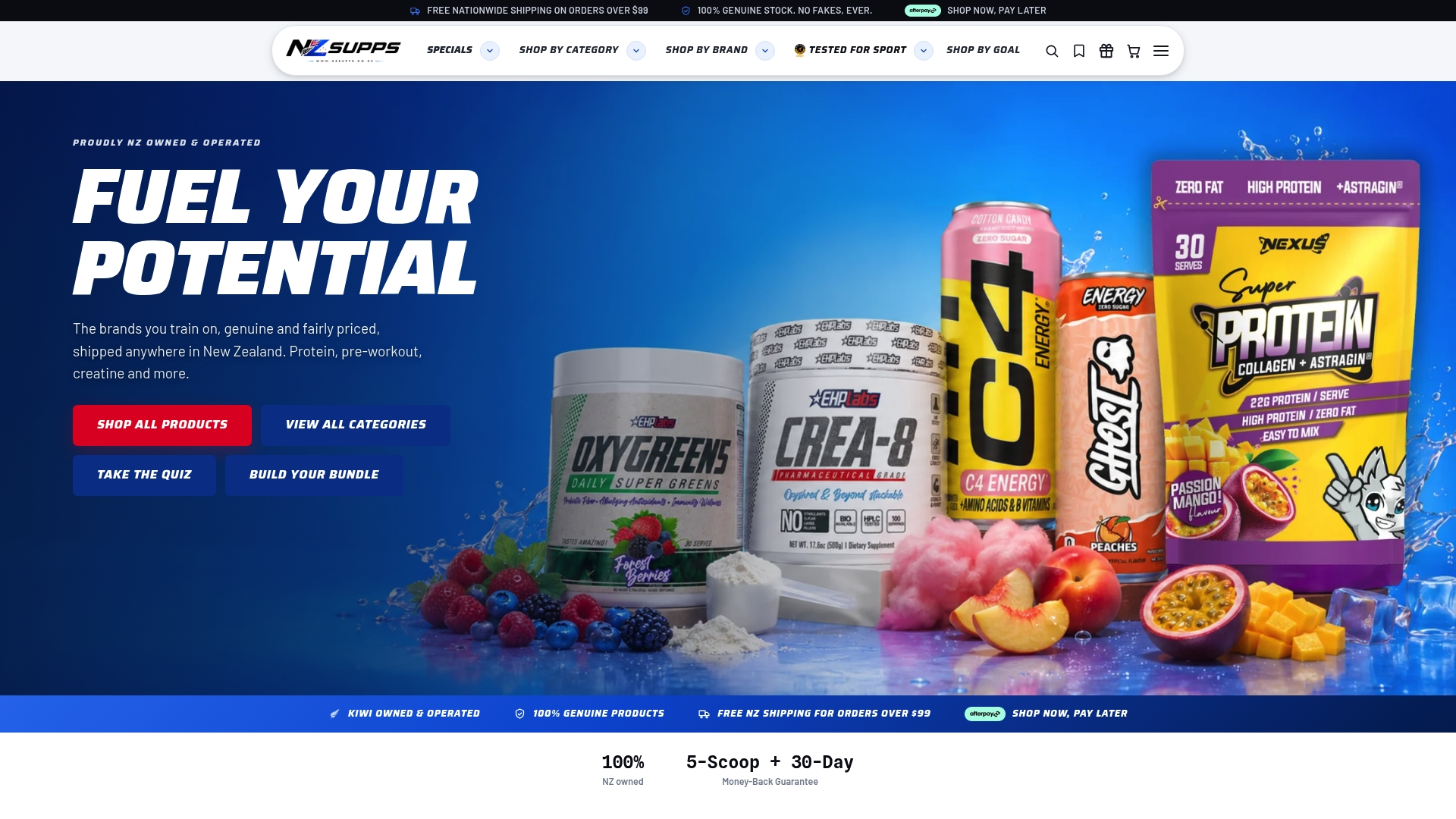
Prefer total control over what’s going into your shaker? The Athletech Purest Creatine Monohydrate Unflavoured skips flavor systems and carriers entirely, which makes allergen management and mixing with whole-food smoothies straightforward. If you want to browse flavored and unflavoured protein, creatine, aminos, and pre-workout side by side, the shop-by-category page is the fastest way to compare ingredient panels before you buy. Genuine Kiwi customer service is there if a sourcing question isn’t answered on the page itself.
Where to Verify This Yourself
For readers who want to check these claims against the primary sources rather than take a summary on faith:
- Food Standards Australia New Zealand for additive safety assessments and permitted use levels.
- The FDA’s food labeling guidance for U.S. rules on flavor declarations and ingredient safety standards.
- WHO/JECFA evaluation reports for substance-by-substance flavoring agent reviews.
- The PMC review on natural food flavors for manufacturing and compositional detail.
Sources
- Food Standards Australia New Zealand
- U.S. Food and Drug Administration
- Additives | Food Standards Australia New Zealand
- Natural food flavours: a healthier alternative for bakery industry — a review (PMC)
FAQ
Are Natural Flavors Better Than Artificial Flavors?
Not inherently. Both must meet the same safety standard before they reach the market, according to the FDA, so “better” comes down to your own priorities around sourcing, ethics, or allergen risk rather than an automatic safety or nutrition advantage for either category.
Why Do Some People Avoid Natural Flavors?
Some shoppers avoid natural flavors because the term hides the actual source, which could include animal-derived carriers, allergenic plant extracts, or solvents that aren’t separately disclosed on the label. Others avoid them for ethical or religious reasons tied to unclear species of origin, which is why contacting the manufacturer for sourcing details matters more than the word “natural” itself.
Is Coca-Cola Artificially Flavored?
Coca-Cola’s ingredient labeling in most markets lists “natural flavors” rather than artificial ones, though the exact flavor blend, often referred to informally as “Merchandise 7X,” is a proprietary mixture the company doesn’t fully disclose. As with any product, checking the current label on the specific bottle you’re buying is more reliable than a general assumption.
What Is Hidden Under “Natural Flavors” on a Label?
A generic “natural flavors” line can represent a single compound or a complex blend of dozens, plus carrier oils, solvents, and processing aids that don’t get separately itemized. Labeling rules allow this collective declaration as long as no major allergen requires separate disclosure, which is why anyone with a specific allergy or dietary restriction should contact the manufacturer for the full breakdown.
Do Artificial Flavors Taste Better Than Natural Ones?
Neither category is inherently better tasting. Artificial flavors are often engineered for a stronger, more consistent punch, like a grape or blue raspberry candy flavor that doesn’t closely resemble the actual fruit, while natural flavor systems can vary batch to batch depending on the source crop. Taste preference here is subjective, not a function of origin.