SHOP NOW, PAY LATER










 Informed Sport
 Informed Choice
 NSF Certified for Sport
 HASTA Certified

Most pre-workout side effects trace back to dose, not the product itself: too much caffeine, too much beta-alanine, or an undisclosed stimulant hiding behind a proprietary blend. The common complaints, jitteriness, sleep disruption, tingling, stomach upset, and headaches, are predictable and largely avoidable. Before your next scoop, check your total daily caffeine, start with half a serving, and stop immediately if you notice chest pain, fainting, or a racing heartbeat that does not settle.
TL;DR:
- Most side effects are caused by excessive doses of caffeine, beta-alanine, niacin, or undisclosed stimulants, not the products themselves.
- Limiting total daily caffeine intake to under 400 milligrams helps reduce jitteriness, heart racing, and sleep issues when using pre-workout.
- Proprietary blends often hide high stimulant levels, increasing risks, especially when combined with other caffeine sources or undisclosed substances.
- Serious reactions like irregular heartbeat or chest pain require immediate medical attention, particularly for those with pre-existing health conditions.
- Choosing fully transparent products, starting with half a scoop, and timing doses to avoid late-evening intake can substantially improve safety.
Table of Contents
- 1. The most common side effects and how to manage each one
- 2. Which ingredients cause side effects, and at what dose
- 3. What the research says about heart risks and other serious reactions
- 4. Medsafe alerts and how to check if a product has been flagged
- 5. A practical checklist for choosing and using pre-workout safely
- 6. Should you use pre-workout, and who is better off skipping it
- 7. Why dose and transparency matter more than the ingredient list
- 8. Our take on transparent labeling and safer sourcing
- Where to find clearly labeled pre-workout options
- FAQ
- Sources
1. The most common side effects and how to manage each one
Pre-workout supplements combine several active ingredients, and each one tends to produce its own signature complaint. Knowing which ingredient is responsible makes it much easier to adjust your dose instead of giving up on the category entirely.
Jitteriness and a racing heart are almost always a caffeine story. Pre-workout servings often contain 150 to 300 milligrams of caffeine or more in a single scoop, and for most healthy adults, 400 milligrams a day is considered a reasonable upper limit. If you are also drinking coffee, energy drinks, or taking other caffeinated supplements, those milligrams stack up fast, and sensitivity varies a lot between individuals based on genetics and tolerance.
Insomnia shows up when the dosing window is wrong rather than the ingredient itself. Caffeine has a half-life of several hours, so a scoop taken in the late afternoon or evening can still be circulating in your system at bedtime. Training later in the day calls for either a smaller dose or a stimulant-free formula.
Tingling or prickling skin, often on the face, neck, or hands, is a near-universal response to beta-alanine. It is harmless but can feel alarming the first few times.
Niacin flush, a warm, reddish flushing of the skin, shows up when a product contains a meaningful dose of niacin (vitamin B3). It typically passes within an hour.
Gastrointestinal upset, bloating, cramping, or diarrhea, usually comes from sugar alcohols or artificial sweeteners, high doses of magnesium, or simply mixing the powder too strong and drinking it too fast on an empty stomach.
Headaches and heart palpitations deserve closer attention. A mild headache after a strong dose is common and usually resolves with hydration, but palpitations that feel irregular, pronounced, or accompanied by chest discomfort are a signal to stop and get checked rather than push through a workout.
- Jitteriness: reduce total caffeine, switch to a lower-stimulant formula, or split your dose.
- Insomnia: finish any stimulant pre-workout at least four to six hours before bed.
- Tingling: this is expected with beta-alanine and fades within 30 to 60 minutes; lower the dose if it bothers you.
- Niacin flush: drink water and wait it out; recurring flushing at the same dose suggests switching products.
- GI upset: mix with more water, sip rather than gulp, and check the sweetener list.
- Headaches/palpitations: hydrate first; if palpitations persist or worsen, stop and seek medical advice.
Pro Tip: Keep a simple log of what you took, how much, and how you felt for your first few sessions with any new pre-workout. It takes two minutes and makes cause-and-effect obvious.
If sleep disruption is your main concern, our guide on whether pre-workout ruins your sleep walks through timing strategies in more detail. For the tingling sensation specifically, see our breakdown of why pre-workout makes you tingle.

2. Which ingredients cause side effects, and at what dose
Four ingredient categories account for nearly every side effect reported with pre-workout: caffeine, beta-alanine, niacin, and, in rarer but more serious cases, undisclosed stimulants slipped into “proprietary blends.”
Caffeine is the main driver of jitteriness, elevated heart rate, and sleep disruption. A typical serving delivers 150 to 300 milligrams or more, and the Heart Foundation notes that 400 milligrams a day is a reasonable ceiling for most healthy adults, with an estimated acute lethal dose of 10 to 14 grams of pure caffeine. One analysis of commercial multi-ingredient pre-workout supplements found that caffeine content per serving frequently approaches levels close to a typical daily recommended maximum, meaning a single scoop can use up a large portion of the day’s safe allowance.
Beta-alanine is responsible for the tingling sensation known as paresthesia. According to the Office of Dietary Supplements at the NIH, doses above roughly 800 milligrams (or above about 10 milligrams per kilogram of body weight) commonly trigger this effect, which is uncomfortable but not dangerous.
Niacin (vitamin B3) causes the warm flushing sensation some users notice. The same NIH ingredient guidance points to a flush threshold around 500 milligrams, well above what most food sources provide but within range of some fortified pre-workout formulas.
Undisclosed stimulants are the most serious ingredient risk, and they are not theoretical. New Zealand’s medicines regulator has flagged multiple “coffee” and wellness products that turned out to contain controlled or banned stimulants, sometimes marketed in ways that obscured what was actually inside the tin.

Proprietary blends amplify all of the above risks because they list a combined weight for a group of ingredients without breaking down individual amounts. You can see “amino blend: 5 g” without knowing whether that is mostly a cheap filler or a stimulant-heavy mix.
One analysis of commercial pre-workout products found that average creatine content sat around 2.1 grams per serving, below the typically effective dose, while caffeine often approached levels close to a full day’s safe intake in a single scoop. That mismatch, under-dosed performance ingredients paired with a full stimulant load, is common in blended formulas and tends to increase side-effect risk relative to the benefit delivered.
- Caffeine: 150 to 300+ mg per serving; stay under 400 mg per day from all sources combined.
- Beta-alanine: tingling typically starts above about 800 mg.
- Niacin: flushing typically starts around 500 mg.
- Adulterants: stimulants like DMAA or phenethylamine have no legitimate place in a supplement and carry amphetamine-like risks.
- Proprietary blends: undisclosed amounts make it impossible to judge your real stimulant intake.
3. What the research says about heart risks and other serious reactions
An integrative review of pre-workout supplements and cardiovascular health examined 24 studies and found a mixed picture: most research did not find meaningful cardiovascular harm from typical multi-ingredient formulas in healthy users. At the same time, the same review flagged case reports linking certain stimulants, specifically synephrine, DMAA, and phenethylamine, to serious adverse events in susceptible individuals, including irregular heart rhythms and, in rare cases, more severe cardiac events.
The takeaway is not that pre-workout is broadly dangerous for healthy adults in typical doses. It is that the risk concentrates heavily around specific banned or borderline stimulants and around people who already have an underlying vulnerability.
Case reports and ingredient-specific signals, particularly involving synephrine, DMAA, and phenethylamine, have been linked to serious adverse cardiovascular events in susceptible users, even as most studied formulas showed minimal cardiovascular change overall.
Pre-Workout Supplements and Their Effects on Cardiovascular Health: An Integrative Review
Certain symptoms should never be worked through. Chest pain, fainting, a heartbeat that feels markedly irregular or pounding, or shortness of breath during or after taking a pre-workout warrant stopping immediately and seeking urgent medical attention rather than waiting to see if it passes.
People with existing heart disease, high blood pressure, or anyone taking medication that affects heart rate or blood pressure face higher stakes with any stimulant supplement. Pregnant women fall into this same higher-caution group, given how little controlled data exists on stimulant exposure during pregnancy.
4. Medsafe alerts and how to check if a product has been flagged
Regulator action in this category is not hypothetical. Medsafe tested Elevacity Elevate Smart Coffee (Version 3) and found phenethylamine (PEA), estimated at roughly 20 milligrams per gram, a controlled substance with amphetamine-like effects that has no place in a coffee or wellness product. Medsafe advised consumers not to use the product and to seek medical advice if they felt unwell after taking it.
In a separate alert, Medsafe found methylhexanamine (DMAA) and phenethylamine in Valentus SlimROAST Optimum Dark Roast Coffee, with scoop-level estimates reaching up to around 140 milligrams of DMAA per 3.5-gram serving in some samples. Both substances carry serious stimulant-related health risks, and the regulator advised returning or safely disposing of the product rather than consuming it.
These two alerts illustrate a pattern Medsafe has flagged repeatedly: products marketed as simple herbal coffee or wellness blends can contain undeclared, controlled stimulants that mimic amphetamines. Adulteration like this is exactly why label trust alone is not enough.
Before buying any stimulant-based supplement, run these checks:
- Search the product name directly on the Medsafe alerts page to see if it has ever been flagged.
- Look for a full ingredient panel with actual milligram amounts, not just a blend name and total weight.
- Favor products that disclose third-party testing rather than relying on marketing claims alone.
- Treat extraordinary promises, rapid fat loss, extreme energy, “metabolism-boosting coffee”, as a warning sign rather than a selling point.
5. A practical checklist for choosing and using pre-workout safely
Most side effects are preventable with a few consistent habits applied before you buy and every time you dose.
- Add up your total daily caffeine from coffee, tea, energy drinks, and any other supplements, then keep the combined total under the commonly cited 400 milligram benchmark for healthy adults.
- Start with half a scoop the first few times you try a new product, and wait to see how you respond before moving to a full serving.
- Never dry-scoop. Taking powder directly without mixing it in water concentrates the stimulant dose and can trigger a far more intense reaction than the same amount properly diluted.
- Choose full-disclosure labels that list exact milligram amounts for each active ingredient rather than relying on proprietary blends, and prefer brands that mention third-party testing.
- Time your dose at least four to six hours before bed if you are sensitive to stimulants, and avoid combining pre-workout with other stimulant medications, alcohol, or additional caffeinated products on the same day.
- Stop immediately if something feels wrong, and if a reaction is severe, note the exact product name and batch if visible, since that detail matters if you need to report it or seek medical care.
Pro Tip: If you are not sure how a product will sit with you, buy the smallest size available first rather than a bulk tub. It costs a little more per serving but saves you from being stuck with a container you cannot finish.
If you are deciding between stimulant intensity levels, our comparison of pre-workouts ranked by intensity tier can help you match a product to your actual tolerance rather than guessing.
6. Should you use pre-workout, and who is better off skipping it
Pre-workout earns its place for specific situations: a short, intense training block where you genuinely need a boost in focus or output, early-morning sessions after poor sleep, or endurance work where a measured dose of caffeine has a real, well-tolerated effect on performance. If you already handle caffeine well and stick to one dose a day, the category can be a reasonable tool.
It makes far less sense for people in higher-risk categories. Pregnant women, anyone with diagnosed heart disease or high blood pressure, people taking stimulant medications or certain antidepressants, and adolescents are better off avoiding stimulant pre-workout entirely or discussing it with a doctor first, given how little controlled safety data exists for these groups.
For everyone else, lower-risk alternatives often deliver most of the benefit:
- A cup of coffee paired with a small carbohydrate snack covers the caffeine and energy angle for a fraction of the stimulant load.
- Proper hydration and consistent sleep frequently matter more for performance than any supplement.
- Timing your existing caffeine intake around your workout, rather than adding a new product, is often enough.
- A stimulant-free pre-workout formula gives you ingredients like citrulline malate without the caffeine-related risks.
7. Why dose and transparency matter more than the ingredient list
The conventional advice about pre-workout treats it like a single category you either trust or avoid, and that framing misses the point. The ingredients themselves, caffeine, beta-alanine, citrulline malate, are well studied and generally safe at sensible doses. What actually causes harm is almost always a dosing or disclosure problem: a proprietary blend that hides how much caffeine you are really getting, a product that stacks on top of the three coffees you already had, or, in the worst cases, a supplement that was never honest about what it contained in the first place.
That means the real decision is not “pre-workout: yes or no.” It is “do I know exactly what is in this and how much.” A fully disclosed, modestly dosed formula used sensibly is a different product from an opaque blend pushed with exaggerated marketing claims, even if they sit on the same shelf. Readers who treat every pre-workout as equally risky end up either avoiding a genuinely useful tool or, worse, assuming all labels are trustworthy once they have decided the category itself is fine. Neither assumption holds up once you look at what has actually gone wrong with flagged products.
— Blake
8. Our take on transparent labeling and safer sourcing
We believe in supplements based on the principle this article keeps coming back to: you should know exactly what you are putting in your body. It’s important to buy products with a clear supply history and transparent ingredient listings rather than from vague blend names.
Many consumers want to know the exact caffeine content, the exact beta-alanine dose, and whether a product has been tested by a third party. That is the standard that many supplement ranges aim to meet.
If you want to go deeper before you buy, our guide on whether pre-workout is actually dangerous covers the safety fundamentals in more detail, and our breakdown of caffeine content across pre-workout products is a useful reference when you are comparing labels side by side.
Where to find clearly labeled pre-workout options
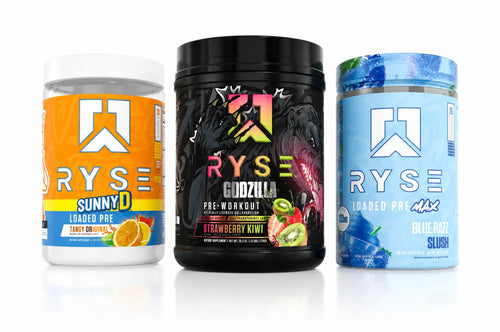
We keep our pre-workout and related supplement categories stocked with brands that disclose full ingredient amounts rather than burying them in a blend, so you can match a product to your actual caffeine tolerance before you buy.
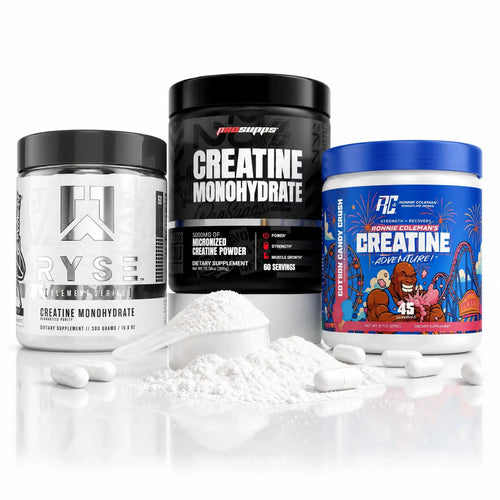
If stimulants are not for you right now, a clean single-ingredient option like Athletech Purest Creatine Monohydrate or a non-stimulant amino blend such as Ghost BCAA V2 gives you a supported, lower-risk way to support training.
| What you want | Where to start |
|---|---|
| Full pre-workout and supplement range | Shop by category |
| Stimulant-free performance support | Athletech Purest Creatine Monohydrate |
| Recovery without added stimulants | Ghost BCAA V2, Lemon Crush |
Pro Tip: Check the label for exact milligram amounts before you check out, not after. It takes thirty seconds and tells you more than any marketing claim on the tub.
This article is general information, not a substitute for advice from a qualified doctor. Consult a qualified healthcare professional about your own circumstances before acting on anything here.
FAQ
Is daily pre-workout safe?
Daily use depends almost entirely on your total caffeine intake across everything you consume, not the pre-workout alone. Staying under the commonly cited 400 milligram daily caffeine benchmark from all sources combined is the main safety guardrail for most healthy adults using it every day.
Is pre-workout safe for kidneys?
There is no strong evidence that typical doses of standard pre-workout ingredients like caffeine, beta-alanine, or citrulline malate cause kidney damage in healthy people. Anyone with existing kidney disease should still check with a doctor first, since high caffeine or supplement loads add a burden that an already compromised kidney may not handle as well.
How long does pre-workout sickness last?
Mild nausea or stomach upset from pre-workout, usually tied to sweeteners, magnesium, or a dose taken too fast, typically resolves within an hour or two once digestion catches up. Caffeine-related symptoms like headache or jitteriness tend to fade within a few hours as the stimulant clears your system.
Is it better to avoid pre-workout?
Pre-workout is not inherently risky for most healthy adults who check their caffeine total and start with a modest dose, but it is not necessary either. People with heart conditions, high blood pressure, pregnancy, or stimulant medication use are generally better off avoiding it or choosing a stimulant-free formula instead.
Sources
- Office of Dietary Supplements (NIH) — Exercise and Athletic Performance (ingredient data)
- Medsafe — Safety alert: Elevacity Elevate Smart Coffee (Version 3)