SHOP NOW, PAY LATER









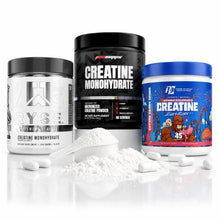







 Informed Sport
 Informed Choice
 NSF Certified for Sport
 HASTA Certified

Yes, a structured break restores the kick most people lose after weeks of daily caffeine or pre-workout use. For moderate users, a short several-day stop followed by a low-dose retest usually does the job. Heavier users do better with a gradual taper over one to two weeks, which lowers withdrawal risk while still resetting sensitivity. The step-by-step versions of both plans are below.
TL;DR:
- Daily caffeine use can weaken performance benefits over 15 to 20 days, although studies still find small to moderate effects beyond that period.
- Heavy daily users can cut intake by about a quarter every few days for one to two weeks, while abrupt stopping raises withdrawal risk.
- Withdrawal symptoms, including headaches, fatigue, and poor concentration, usually peak within a few days and may take several days to two weeks to resolve.
- Restart with a reduced serving and increase gradually; people who are pregnant, have heart conditions, or take interacting drugs should consult a clinician first.
Table of Contents
- How caffeine tolerance builds up in your body
- Step-by-step plans: tapering versus going cold turkey
- Getting through withdrawal without wrecking your training
- Restarting caffeine or pre-workout without overshooting
- Reading labels and choosing the right pre-workout for your break
- Why tracking beats guessing during a break
- Finding lower-caffeine and stimulant-free options to support your break
- FAQ
- Sources
- Authoritative sources and further reading
How caffeine tolerance builds up in your body
Caffeine works by blocking adenosine receptors in the brain, which is what keeps you feeling alert instead of sleepy. With daily use, your body responds by producing more adenosine receptors, so the same dose has less to block and delivers a weaker effect over time. How fast you metabolize caffeine also matters: the CYP1A2 enzyme breaks it down, and genetic variation in that enzyme explains why some people feel wired off one coffee while others shrug off a full scoop of pre-workout.

Randomized trials tracking daily caffeine intake found that tolerance to its performance benefits builds progressively over about 15 to 20 days of continued use, though the effect does not always vanish completely. A time-course study found the same pattern: the biggest boost comes on day one, with a gradual decline across the following weeks, though small to moderate benefits can still show up even after 20 days of daily use.
A few things speed up or slow down how quickly tolerance sets in:
- Habitual dose: higher daily intake builds tolerance faster than light, occasional use.
- Training status: trained athletes sometimes respond differently to acute caffeine than untrained individuals.
- Genetics: fast versus slow caffeine metabolizers experience different intensities and durations of effect.
- Consistency: daily use accelerates adaptation compared with caffeine taken only a few times a week.
Many users regain a clearer training boost after a short break or taper, according to research on habitual caffeine use and training status, though how much comes back depends on your training background and how much caffeine you were taking before.
Step-by-step plans: tapering versus going cold turkey
Which plan fits you depends on how much caffeine you take daily and how soon you need peak performance.
- Gradual taper (best for heavy daily users): cut your total daily caffeine by about a quarter every few days over one to two weeks. This pacing lines up with clinical guidance on reducing withdrawal severity, which recommends trimming intake by about a quarter to a half every few days rather than stopping abruptly.
- Short abstinence (best for moderate users): stop caffeine entirely for several days. This resensitizes the adenosine system for many people, though it carries a higher chance of headaches and fatigue than a taper since the drop is sudden.
- Medium abstinence (best for heavier users wanting a fuller reset): stay off caffeine for a couple of weeks. This gives the most complete reset of receptor sensitivity but asks more of your training schedule, since energy and focus during workouts may dip for the first several days.
If a competition or key training block is coming up, lean toward the taper. It avoids the sharp performance dip that abrupt cessation can cause in the days before an event. If your schedule is flexible and you want the fastest reset, a short or medium abstinence period gets you there with fewer moving parts to track.
Pro Tip: Keep your taper math simple by cutting one standard serving size at a time rather than estimating milligrams on the fly.

Getting through withdrawal without wrecking your training
Stopping or cutting caffeine triggers real withdrawal symptoms in most regular users. According to StatPearls’ clinical overview of caffeine withdrawal, symptoms typically peak within a few days after your last dose and include headache, fatigue, irritability, and trouble concentrating. Most of these resolve within several days to about two weeks.
A few tactics make the break more tolerable:
- Taper instead of quitting outright when you can, since gradual reduction consistently produces milder withdrawal.
- Use a standard OTC pain reliever for caffeine-withdrawal headaches if needed.
- Protect your sleep and hydration, both of which blunt fatigue and irritability during the adjustment period.
- Schedule lighter training sessions for the first few days of a break, saving demanding workouts for once symptoms settle.
Non-stimulant supports can also carry you through. Creatine, beta-alanine, and adequate carbohydrate and protein intake all support training output without touching the adenosine system, and a caffeine-free pre-workout formula can preserve the ritual of “taking something” before you train while you wait out the reset.
Restarting caffeine or pre-workout without overshooting
Once your break or taper is done, resist the urge to jump straight back to your old serving size. Start small and build up only if your body asks for more.
- Test with a small dose of caffeine, such as a moderate fraction of a typical serving, or a reduced scoop of your usual pre-workout, in a single session before judging anything.
- Watch for jitteriness, a racing heart, or poor sleep that night, all signs the dose is too high for where your tolerance currently sits.
- Increase gradually over subsequent sessions only once you confirm the lower dose gives you the energy and focus you’re after.
- Stay under a commonly cited moderate daily ceiling of caffeine intake, which the FDA notes is not generally associated with negative effects in most healthy adults, though individual sensitivity varies widely.
If you have a heart condition, are pregnant, or take medications that interact with stimulants, talk to a health professional before restarting rather than guessing at a safe dose.
Reading labels and choosing the right pre-workout for your break
Checking labels carefully saves you from guessing during a taper or restart. Look for total milligrams of caffeine per serving, whether the caffeine comes from a natural source like coffee bean extract or a synthetic one, and whether the formula hides additional stimulants under a proprietary blend. Our breakdown of caffeine content across common pre-workouts walks through typical serving sizes if you need a reference point for your taper math, and our explainer on how caffeine powers your workout covers the mechanism in more depth.
During the break itself, a stimulant-free pre-workout keeps your pump and focus ingredients (citrulline, beta-alanine, creatine) in play without touching your adenosine receptors. For readers who want a broader primer on reading pre-workout labels, our starter guide for beginners covers ingredient basics worth knowing before your next purchase.
- Check total caffeine per serving, not just per scoop, since some labels list a 2-scoop serving.
- Confirm the caffeine source to understand whether it hits fast (anhydrous) or releases more slowly.
- Scan for hidden stimulants like synephrine or high-dose yohimbine stacked alongside caffeine.
Why tracking beats guessing during a break
The honest answer is that nobody can tell you exactly how long your personal reset will take. Genetics, habitual dose, and training load all shift the timeline, which is why a two-week log tracking caffeine milligrams, sleep hours, workout RPE, and how strong the “hit” from your pre-workout feels is worth more than following someone else’s exact schedule. Favor gradual changes over dramatic ones: a slow taper rarely backfires, while quitting cold turkey sometimes does. If withdrawal symptoms feel severe, or you have a heart condition, are pregnant, or take medications that interact with stimulants, loop in a doctor rather than pushing through alone.
— Blake
Finding lower-caffeine and stimulant-free options to support your break
We source products directly and provide clear information, so you have confidence in sourcing without waiting on imports while tapering carefully. Our shop by category page lets you browse Pre-Workout, Creatine, Electrolytes, and Amino & BCAA options side by side, which makes it easier to swap a high-stim formula for a gentler one without losing momentum in your training.
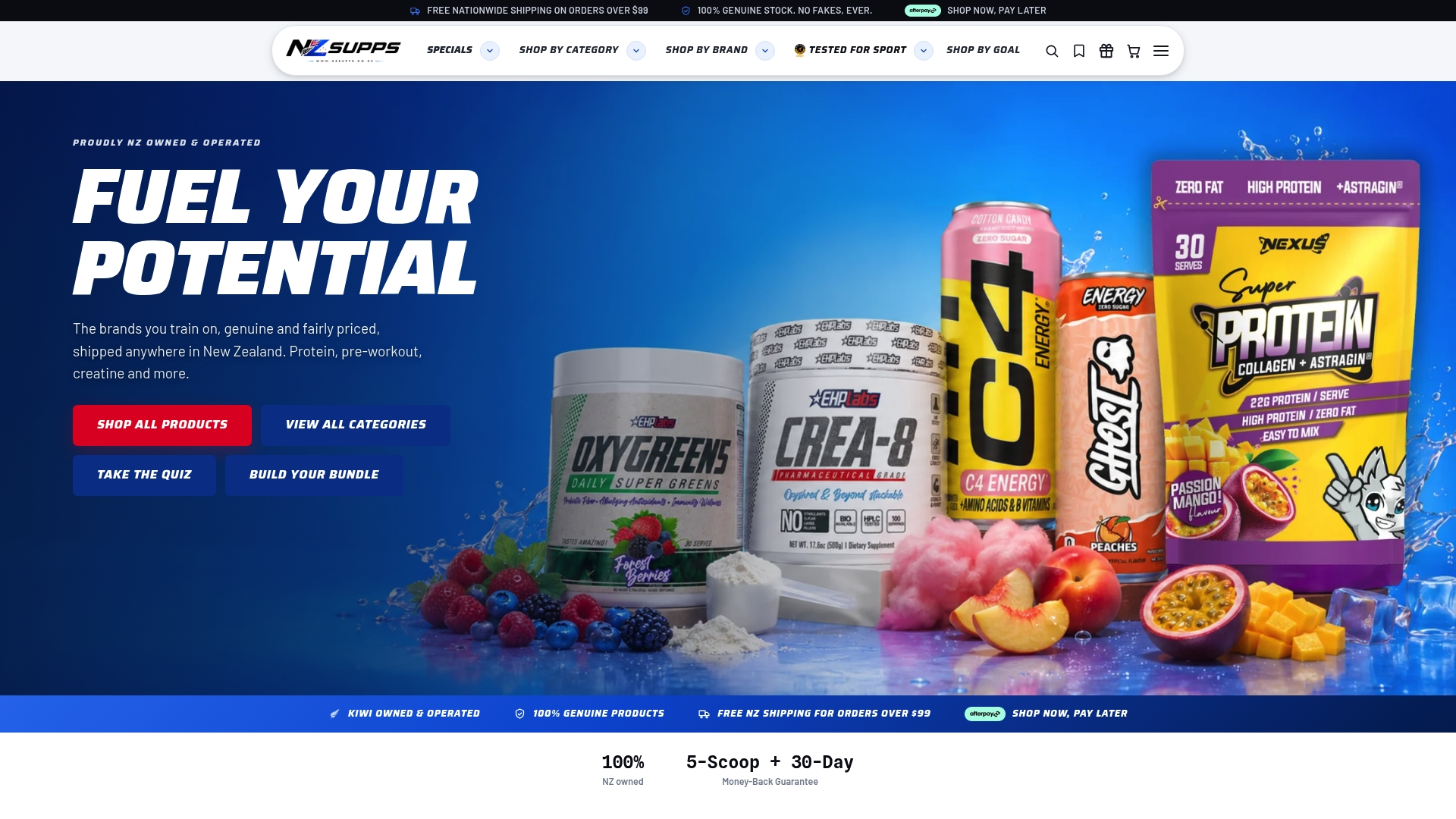
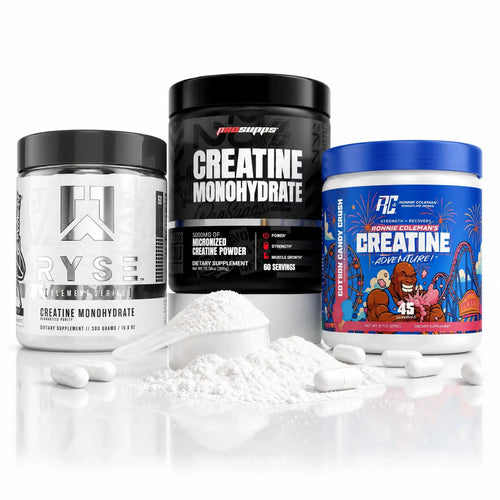
If you’re tapering down, creatine is one of the simplest ways to keep strength and power output steady while caffeine takes a back seat. Our Athletech Purest Creatine Monohydrate is unflavored and straightforward to dose alongside whatever else is in your routine, and electrolytes from the same category page help offset the fatigue that often shows up in the first few days of a taper.
- Browse stimulant-free and lower-caffeine pre-workouts to bridge the gap during your break.
- Add creatine to maintain training output while caffeine intake drops.
For a non-caffeine route to focus, some readers look into ingredients like L-theanine and L-tyrosine, which work through different pathways than caffeine entirely.
This article is general information, not a substitute for advice from a qualified doctor. Consult a qualified healthcare professional about your own circumstances before acting on anything here.
FAQ
What is the 3-3-3 rule in gym?
The “3-3-3 rule” isn’t a recognized clinical or sports-science standard, and definitions vary depending on where you encounter it. Some use it loosely to describe cycling caffeine for 3 days on, 3 days off, but no peer-reviewed source backs a specific protocol by that name, so treat any version you see as informal rather than established guidance.
How long does pre-workout stay in your system?
Caffeine, the main active ingredient in most pre-workouts, is absorbed quickly with peak blood levels reached within 15 to 120 minutes, and it has an average half-life of about 5 hours, though this ranges from 1.5 to 9.5 hours depending on the person, according to StatPearls. That means a dose taken in the afternoon can still affect your sleep that night. Our guide on pre-workout and sleep covers timing in more detail.
Can pre-workout break you out?
Some people report skin breakouts after starting a new pre-workout, though this isn’t something the clinical sources on caffeine tolerance and withdrawal address directly. If you notice a pattern, check the ingredient list for anything new you introduced at the same time, since the cause is more often a specific additive than caffeine itself.
Can you develop a tolerance to pre-workout?
Yes. Daily use leads to measurable tolerance to the performance-boosting effects of caffeine, the primary active ingredient in most pre-workout formulas, with trials showing a progressive decline over roughly 15 to 20 days of continued use. The decline is often partial rather than total, which is why a short break or taper, rather than permanently quitting, tends to restore most of the lost effect.
Sources
- Spilling the beans: how much caffeine is too much? | FDA
- Caffeine withdrawal - StatPearls - NCBI Bookshelf
- Habitual caffeine consumption and training status affect the ergogenicity of acute caffeine intake on exercise performance (PubMed)
Authoritative sources and further reading
These clinical and research sources back the figures and guidance above. For personal medical questions, talk to a qualified health professional.