SHOP NOW, PAY LATER












 Informed Sport
 Informed Choice
 NSF Certified for Sport
 HASTA Certified

If your goal is lower calories and faster digestion, mix your protein with water. If you want extra calories, more protein, and a creamier texture, use milk. The real driver of muscle growth is your total daily protein dose, not the liquid you pick, so choose based on your calorie goals, digestion, and taste. Below we break down the numbers, the research, and quick templates for common goals.
TL;DR:
- A cup of whole milk adds about 149 calories, 8 grams of protein, and 11 to 12 grams of carbohydrates; water adds none.
- A trial lasting 12 weeks found similar muscle and strength gains when participants took about 20 grams of milk protein or whey twice daily.
- Lactose intolerance may cause bloating, gas, or cramps, while a milk protein allergy requires avoiding dairy entirely, including milk without lactose.
- For whey or casein, start with 8 to 10 ounces of liquid; plant powders often need 10 to 12 ounces to avoid a gritty texture.
- Soy milk provides about 8 to 9 grams of protein per cup, while almond and oat milk usually contribute little unless fortified.
Table of Contents
- How milk vs water changes calories, macros, and nutrients
- Does the mixing medium change your muscle-building results?
- Digestion, tolerance, and timing: when water wins
- Taste, texture, and mixability: getting it right every time
- Which to choose: a quick decision guide by goal
- Author and brand perspective on choosing a mixing medium
- Cost comparison: mixing with water vs milk over time
- How milk type affects protein effectiveness and taste
- Allergen considerations beyond lactose intolerance
- Environmental and dietary preference factors
- A personal take on balancing convenience and nutrition
- How NZ Supps can help you build the right shake
- FAQ
- Sources
How milk vs water changes calories, macros, and nutrients
The liquid you choose changes your shake’s nutrition profile more than people expect. Water adds zero calories, protein, or carbs, while a cup of whole cow’s milk brings roughly 149 calories, 8 grams of protein, and 11 to 12 grams of carbs to the mix, according to consumer health guidance. A typical 25 to 30 gram scoop of whey mixed with 8 to 12 ounces of water gives a lean shake with relatively low calories. Using a cup of whole milk increases calories and protein content significantly, providing a much creamier and more nutrient-dense shake.
- Whole milk: about 149 calories, 8 grams protein, 11 to 12 grams carbs per cup.
- Water: 0 calories, 0 grams protein, 0 grams carbs.
- Plant milks vary widely in protein, with soy milk closer to dairy and almond or oat milk usually much lower unless fortified.
Milk’s carbs also help refill muscle glycogen after training and add satiety, which matters if you are using the shake as a meal replacement rather than a quick top-up. For more mixing examples, our guide on protein shakes with water or milk walks through additional combinations.
Does the mixing medium change your muscle-building results?
Not meaningfully, as long as your total protein intake is already on target. A 12-week randomized controlled trial comparing milk-based protein supplementation to native whey, with both groups getting two daily servings of about 20 grams of protein, found no significant difference in muscle mass or strength gains between the two groups.
Twenty grams of milk protein triggers a similar rise in muscle protein synthesis as 20 grams of whey protein, according to a controlled study in middle-aged men measuring muscle protein synthesis after ingestion of each. This lines up with the leucine threshold theory: your body needs a certain concentration of leucine, one of the amino acids in protein, to switch on muscle protein synthesis, and most whey and milk-based proteins clear that bar at a 20 to 30 gram dose.
The practical takeaway is to prioritize hitting your protein target consistently. Mixing medium only matters when you need the extra calories from milk or the slower digestion that comes with casein. For more on how dose and timing interact, see our breakdown of protein timing.
Digestion, tolerance, and timing: when water wins
Lactose intolerance is the main reason people switch from milk to water. Symptoms like bloating, gas, and stomach cramps show up because the body cannot fully break down lactose, the natural sugar in milk, and dietitian commentary recommends water or lactose-free alternatives for anyone prone to these issues.
Digestion speed also matters for timing. Whey digests fast, making it a solid pick right after training when you want amino acids in your bloodstream quickly. Casein, the dominant protein in milk, digests slowly, which is why a milk-based shake before bed can provide a steady release of amino acids overnight.
- If you bloat after dairy, switch to a whey isolate, which contains less lactose than concentrate.
- Try an unsweetened plant milk like soy if you want creaminess without dairy.
- Use plain water any time you are unsure how your stomach will react.
Pro Tip: If a shake leaves you gassy, test water first before blaming the protein powder itself: it is often the lactose, not the protein, causing the problem.
Taste, texture, and mixability: getting it right every time
Plant-based proteins often need more liquid than whey or casein to avoid a gritty texture, so start with a slightly larger volume and adjust from there. Temperature matters too: a cold liquid blunts the chalky aftertaste some powders have, while a blender breaks up clumps better than a shaker for thicker plant blends.
- Start with 8 to 10 ounces of liquid for whey or casein, and 10 to 12 ounces for plant-based powders.
- Add the liquid to your shaker or blender first, then the powder, to cut down on clumping.
- Blend in frozen banana, cocoa powder, or a pinch of salt for flavor and a thicker texture.
- Chill your shaker bottle beforehand if you like a colder, smoother drink.
- Shake or blend for a full 20 to 30 seconds rather than a quick swirl.
Which to choose: a quick decision guide by goal
Match your mixing liquid to what you are actually trying to achieve that day.
- Cutting or watching calories: mix with water to keep your shake lean, typically 110 to 140 calories for a standard scoop.
- Bulking or meal replacement: mix with whole milk to add roughly 150 calories and 8 grams of extra protein per cup.
- Lactose sensitivity: use water or a fortified plant milk like soy to avoid digestive discomfort.
- On-the-go or post-workout: water works fastest for mixing and digesting when you need a quick recovery drink.
Adjust your scoop size up or down depending on how close your meals already get you to your daily protein target.
Author and brand perspective on choosing a mixing medium
Blake, the author of this guide, built these decision rules around matching protein dose to calorie goals rather than chasing marginal differences in muscle protein synthesis. We offer a range of protein forms including isolates, concentrates, and plant-based powders to fit different needs: isolates for lower-calorie shakes, concentrates or higher-calorie blends for bulking, and plant options for those managing lactose sensitivity. Our lactose intolerance guide covers specific product picks in more detail.
Cost comparison: mixing with water vs milk over time
Water is free, which makes it the cheaper mixing choice by default, especially for anyone drinking two or three shakes a day. Milk adds a recurring grocery cost on top of your protein powder budget, and that cost compounds fast if you are using a cup or more per shake multiple times daily. For someone buying a gallon of milk every few days just for shakes, that expense can rival the cost of the protein powder itself over a month.
The tradeoff is nutritional value per dollar. A milk-based shake delivers extra protein and calories for that added cost, which can work out cheaper than buying a larger tub of protein powder or a separate mass gainer if your main goal is more calories. If your goal is simply hitting a protein target as cheaply as possible, water keeps your shake cost down to just the price of the powder itself. Choosing a plant milk sits in between: fortified soy milk costs more than water but less than the convenience of flavored dairy milk, and it stretches further if bought in bulk. The cheapest long-term approach is usually to pick your base liquid by goal first, then let cost confirm the choice rather than drive it, since the calorie and protein differences matter more for most training goals than the few cents saved per shake.

How milk type affects protein effectiveness and taste
Not all milks are equal once they hit your shaker. Whole cow’s milk brings the most calories, fat, and natural protein of the common options, along with a creamy texture that masks a chalky protein powder well. Low-fat and skim versions cut calories while keeping most of the protein content, making them a middle ground between water and whole milk.
Among plant-based options, soy milk comes closest to dairy in protein content, typically landing around 8 to 9 grams per cup, according to nutrition summaries of plant milks. Almond and oat milk are usually much lower in protein unless fortified, so they add taste and creaminess without contributing much to your total protein count. None of these plant milks change how well your protein powder itself gets absorbed. They simply shift the calorie, carb, and protein math of the final shake, so pick based on what you want to add on top of your powder rather than expecting a plant milk to boost the protein’s effectiveness.

Allergen considerations beyond lactose intolerance
Lactose intolerance gets most of the attention, but milk protein allergy is a separate and more serious issue. A true milk allergy is an immune reaction to the proteins in milk, casein or whey, rather than a digestive issue with lactose sugar, and it can trigger symptoms ranging from hives to more severe reactions. Anyone with a diagnosed milk protein allergy needs to avoid dairy-based protein powders and dairy milk entirely, not just switch to a lactose-free version, since lactose-free milk still contains the same proteins.
Plant-based protein powders and plant milks sidestep this issue, but they introduce their own allergen considerations. Soy is a common allergen, and some plant protein blends include tree nuts or other allergenic ingredients. Anyone managing a diagnosed allergy should check the full ingredient list on both the powder and the mixing liquid, not just assume “dairy-free” covers every risk.
Environmental and dietary preference factors
Beyond nutrition and tolerance, some people choose their mixing liquid based on broader dietary preferences. Vegans and strict plant-based eaters rule out dairy milk entirely, regardless of tolerance, and rely on water or fortified plant milks to hit their protein and calorie targets. Others choose plant milks for environmental reasons tied to land and water use associated with dairy farming, even if they tolerate dairy fine.
Water remains the simplest choice for anyone optimizing for both cost and environmental footprint, since it requires no separate production or packaging. For a broader look at how plant and whey proteins compare on these fronts, this comparison of plant and whey protein covers the tradeoffs in more depth. Whatever you land on, the choice is personal and does not change the core protein math covered earlier in this guide.
A personal take on balancing convenience and nutrition
On gym days, I lean toward milk for the extra calories and the way it smooths out a plain protein powder. On travel days, water wins every time because it is simpler and I do not want to carry a cooler. The bigger lesson is that consistency beats perfection: pick one template, stick with it for two weeks, and track how you feel and perform before tweaking anything.
— Blake
How NZ Supps can help you build the right shake
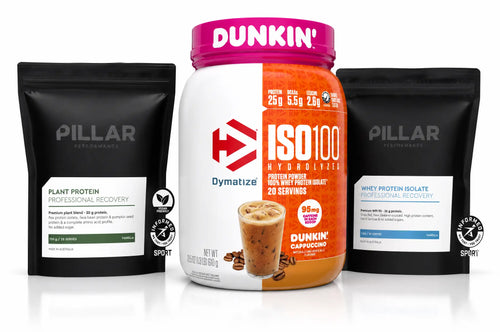
Whatever template fits your goal, we carry the protein forms to match it. Our protein, pre-workout, and creatine category stocks isolates for lean, low-calorie shakes, concentrates and higher-calorie blends for bulking, and plant-based options for anyone avoiding dairy.
- Reach for an isolate when you want a fast-digesting, low-calorie shake mixed with water.
- Pick a concentrate or higher-calorie blend when milk-based meal replacement is the goal.
- Try our Nexus Super Protein, Tasteless when you want a neutral powder that works equally well in water or milk.
FAQ
Is it better to take protein powder with water or milk?
It depends on your goal: water keeps calories lower and digests faster, while milk adds calories, protein, and a creamier texture. Choose water if you are cutting or sensitive to dairy, and milk if you want extra calories or are using the shake as a meal replacement.
Is good protein better with water or milk?
Protein quality itself does not change based on the liquid you use. Research shows matched protein doses from milk and whey produce similar increases in muscle protein synthesis, so the liquid affects calories and texture, not protein effectiveness.
Is it best to use milk or water for protein shakes?
Neither is universally best. Use water for a lighter, faster shake and milk when you want more calories, protein, and glycogen-replenishing carbs, especially around meal replacement or bulking goals.
Why do doctors say no to protein powder?
Health guidance typically does not advise against protein powder broadly, but it does flag specific concerns like excessive intake beyond what your diet requires or reactions in people with milk protein allergies. For most healthy adults hitting reasonable protein targets, powder mixed with water or milk is a normal part of a balanced diet, though anyone with allergies or health conditions should check with a healthcare provider first.
What is the ideal protein dose per shake?
Most research points to roughly 20 to 30 grams of protein per serving to meaningfully trigger muscle protein synthesis. Going well beyond that amount in one sitting does not appear to add proportional extra benefit for muscle building.