SHOP NOW, PAY LATER













 Informed Sport
 Informed Choice
 NSF Certified for Sport
 HASTA Certified

Whey wins when you need amino acids fast, which makes it the better call right after training or as a quick top-up between meals. Casein wins when you need a slow, steady drip of amino acids, which is why it shines before bed or ahead of a long stretch without food. The catch is that once your total daily protein and training are dialed in, the long-term muscle and strength differences between them are small. Timing and texture preference usually decide the winner rather than raw superiority.
TL;DR:
- Most studies find little to no long-term difference in muscle gain between whey and casein when total daily protein intake and training volume are matched.
- Whey provides a rapid amino acid spike within 60 to 90 minutes, making it ideal immediately post-workout or between meals, while casein releases amino acids slowly over 4 to 7 hours.
- Consuming about 25 grams of whey or 30 to 35 grams of casein typically meets the leucine threshold needed to stimulate muscle protein synthesis effectively.
- Pre-sleep casein supplementation can increase overnight muscle protein synthesis and support long-term gains, but it is not significantly superior to whey when daily intake is adequate.
- Tolerance, preference, and specific timing needs should guide protein choice, with food sources like Greek yogurt and cottage cheese as good whole-food alternatives.
Table of Contents
- What Are Whey and Casein, and What Forms Do They Come In?
- Why Is Whey Fast and Casein Slow? The Digestion Science
- Does the Evidence Show a Real Difference in Muscle Growth?
- When Should You Take Whey vs. Casein, and How Much?
- How Do Satiety, Weight Loss, and Tolerability Compare?
- How Do You Choose Between Whey and Casein for Your Goal?
- An Editorial Take on the Whey vs Casein Debate
- Buying Whey or Casein? Start With the Right Category
- Sources
- FAQ
What Are Whey and Casein, and What Forms Do They Come In?
Both come from milk, but they’re not the same protein and they don’t behave the same way once you drink them. Casein curdles in the stomach’s acidic environment and forms a gel, which slows digestion. Whey stays liquid and clears the stomach quickly.
Supplement shelves break each one into a few standard forms:
- Whey concentrate: cheaper, slightly higher lactose, around 70-80% protein by weight.
- Whey isolate: filtered further, lower lactose, often 90%+ protein.
- Whey hydrolysate: pre-broken into smaller peptides for faster uptake.
- Micellar casein: the slow-release form most people mean when they say “casein.”
- Calcium caseinate: a cheaper, faster-digesting casein variant, less common in serious training products.
If lactose is a concern, whey isolate is the lower-lactose whey option. Athletes in tested sports should also check for third-party batch testing, since contamination risk varies by brand and manufacturing standard.
Why Is Whey Fast and Casein Slow? The Digestion Science
The difference comes down to how each protein behaves once it hits stomach acid. Whey remains soluble and moves through digestion quickly. Casein clumps into a gel-like curd, which slows gastric emptying and stretches out amino acid release for hours.
Tracer studies going back to Boirie’s original work, and replicated in later research, show a consistent pattern: whey produces a rapid plasma amino acid peak around 60 to 90 minutes after ingestion, while casein sustains elevated amino acid levels for roughly 4 to 7 hours.
Leucine content matters here too. Leucine is the amino acid that triggers muscle protein synthesis (MPS) most directly, and whey carries more of it. Whey runs about 11 to 12% leucine by weight, while casein sits closer to 8%. Hitting the leucine threshold generally accepted for triggering a strong MPS response, around 2.5 to 3 grams, takes less whey than casein:
- About 25 grams of whey typically delivers 2.7 to 3.0 grams of leucine, clearing the threshold in one serving.
- Casein usually needs 30 to 35 grams to reach a similar leucine dose.
In practice, this gap shrinks once food enters the picture. A mixed meal with carbs and fat slows gastric emptying regardless of protein source, which is one reason some comparisons note the fast/slow marketing gap matters less at the dinner table than in a lab than the numbers above suggest on their own.
Does the Evidence Show a Real Difference in Muscle Growth?
Acute studies favor whey for triggering a fast MPS spike, and casein for keeping amino acids available longer. But acute response and long-term outcome are two different questions, and the second one is the one that actually matters for building muscle over months.
An 8-week randomized double-blind trial in NCAA Division III female basketball players gave one group whey and another casein around training, 24 grams per dose, and found no significant group by time interaction effects for performance or body composition. Both groups improved at a similar rate.
That result isn’t an outlier. Broader clinical evidence points the same direction:
- Multiple 8-week resistance training trials comparing whey and casein report no significant differences in lean mass or strength gains when daily protein intake is adequate.
- Meta-analyses and systematic reviews consistently find only small or non-significant hypertrophy differences between high-quality protein sources once total protein and training volume are matched.
The one place casein pulls ahead on its own merit is pre-sleep dosing. Studies giving 30 to 40 grams of casein before bed show increased overnight whole-body protein synthesis compared with placebo, with some trials reporting added long-term gains over a training block. That’s casein beating nothing, though, not casein beating whey. The head-to-head pre-sleep gap between the two proteins is smaller and depends heavily on total daily intake.
When Should You Take Whey vs. Casein, and How Much?
Match the protein to the gap you’re filling, not the label on the tub. Use this as a working guide:
- Post-workout: 20 to 30 grams of whey clears the leucine threshold and delivers amino acids while your muscles are primed to use them.
- Between meals: whey works well here too, since you want a quick top-up rather than a slow trickle.
- Before bed or a long fast: 30 to 40 grams of casein sustains amino acid availability through the night, which is where the evidence against placebo is strongest.
- No shaker on hand: cottage cheese and Greek yogurt are casein-rich whole foods that do a similar job to a casein supplement.
Older adults generally need a higher per-serving protein dose to trigger the same MPS response as younger lifters, since aging reduces sensitivity to a given amino acid dose. Bumping servings toward the higher end of these ranges is a reasonable adjustment.
Pro Tip: If you train in the evening and eat dinner within an hour of your session, a casein shake right after may double as both your post-workout protein and your overnight dose, saving you a serving.
How Do Satiety, Weight Loss, and Tolerability Compare?
Casein has a real, if modest, edge on fullness. Its slower gastric emptying means it produces greater satiety than some other protein types in controlled appetite trials. If you’re cutting calories and hunger is your main obstacle, a casein shake before bed can help more than the same calories from whey.

That said, don’t overweight this factor. Total daily protein intake influences appetite and fat loss far more than which milk protein delivers it.
On tolerability:
- Whey isolate contains very little lactose, generally under 1%, and most people with lactose intolerance handle it fine.
- A true milk protein allergy requires avoiding both whey and casein, since the allergy targets milk protein broadly, not just one fraction.
- Some lifters report skin breakouts on whey, but the evidence for a whey-acne link is inconsistent at best. Try switching forms or dropping the dose before assuming it’s the cause.
- If dairy is off the table entirely, a pea or soy protein blend is a reasonable substitute, though you’ll want a slightly larger serving to match the leucine content.
How Do You Choose Between Whey and Casein for Your Goal?
Run through this before you buy:
- Identify your gap. Training in the morning and need a fast recovery shake? Whey. Fasting overnight or between long gaps in eating? Casein.
- Check your total daily protein first. If you’re already hitting your target, the whey vs casein choice is about convenience and texture, not outcome.
- Consider tolerance. Lactose-sensitive? Lean toward whey isolate. Milk allergy? Both are off-limits.
- Factor in competition status. Tested athletes should prioritize third-party batch testing over price.
- Weigh your budget. Whey concentrate and calcium caseinate are the cheaper entry points in each category.
Red flags worth stopping for: any milk protein allergy, unexplained GI discomfort after switching forms, or a supplement with no batch testing disclosed if you compete.
An Editorial Take on the Whey vs Casein Debate

The fast-versus-slow framing gets marketed as if it’s the whole story, but the 8-week trials tell a quieter truth: once total protein and training are locked in, your body doesn’t care much which milk protein filled the gap. That’s not a reason to ignore timing. It’s a reason to stop treating it as the main lever.
What actually moves the needle is consistency: hitting your daily protein number every day, choosing a form you’ll actually drink without dreading it, and picking a product where the label matches what’s in the tub. Nzsupps built its catalog around that last point, listing ingredients plainly so you’re not guessing what you’re paying for.
— Blake
Buying Whey or Casein? Start With the Right Category
The protein range is stored locally, reducing concerns over grey-market imports, and customers can find guidance on concentrate versus isolate options.
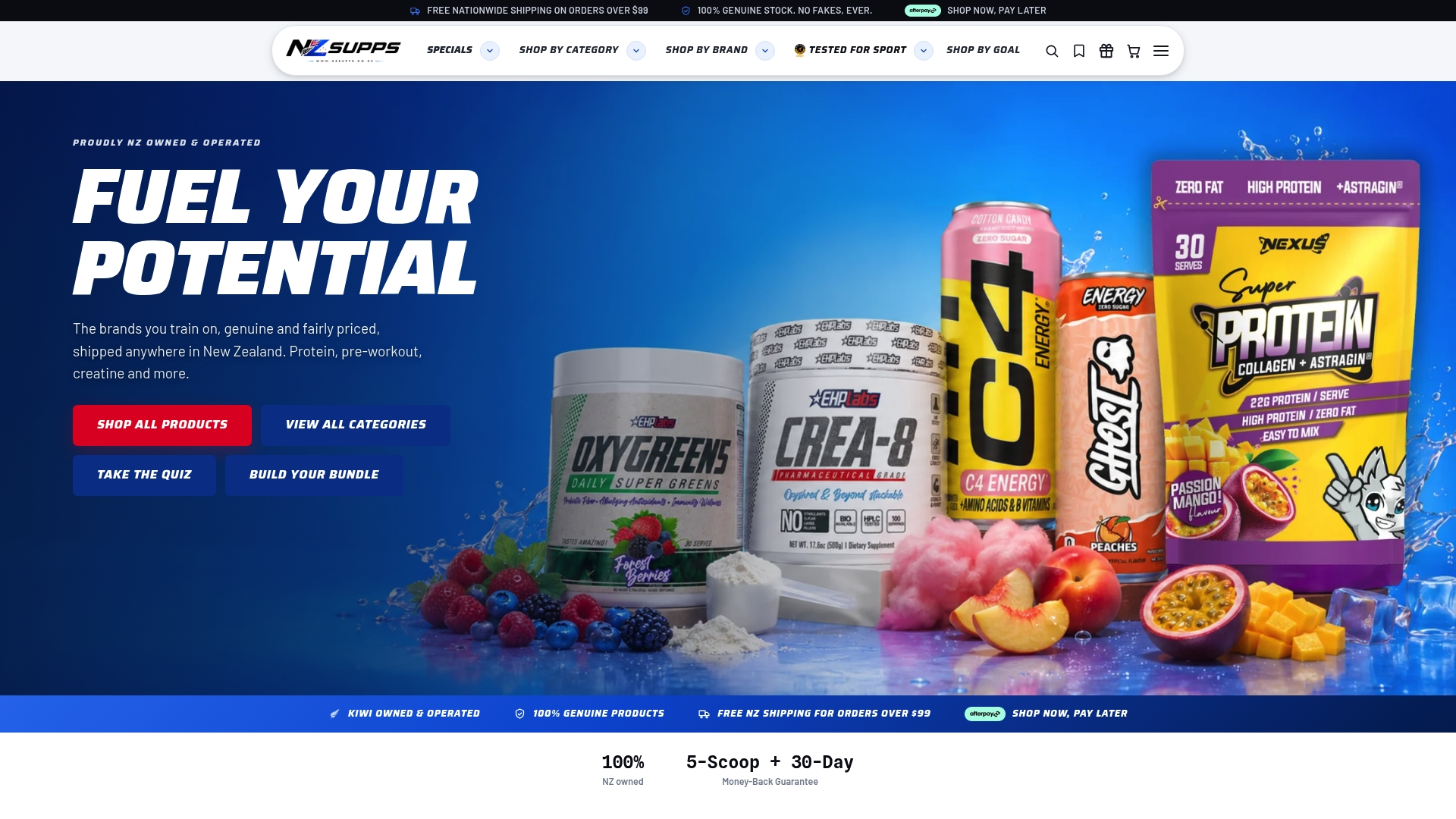
The shop-by-category page is the fastest way to compare whey isolate against micellar casein side by side. Before you add to cart, run through a short checklist: confirm the protein type matches your goal (fast for post-workout, slow for overnight), check the lactose content if you’re sensitive, look for third-party testing if you compete, and match the serving size to the leucine targets covered above. If you’re stacking a mass gainer or BCAA into your routine alongside your protein, the same category page has both, with full ingredient disclosure on every listing.
This article is general information, not a substitute for advice from a qualified doctor. Consult a qualified healthcare professional about your own circumstances before acting on anything here.
Sources
- Clinical 8-week trials: whey vs casein (DOI entry)
- Kinetic studies of milk proteins and MPS responses
FAQ
Which Is Healthier, Whey or Casein?
Neither is inherently healthier; both are complete, high-quality milk proteins with similar amino acid profiles. The real difference is digestion speed, so the “healthier” choice depends on when you’re taking it and what you need it to do.
What Are the Disadvantages of Casein?
Casein digests slowly, so it’s a poor choice right after training when you want a fast amino acid spike. It also needs a larger serving, around 30 to 35 grams, to hit the same leucine dose that 25 grams of whey provides, and its thick texture doesn’t mix as easily as whey.
Does Greek Yogurt Have Casein?
Yes, Greek yogurt is naturally rich in casein, since casein makes up roughly 80% of the protein in milk. It’s a reasonable whole-food substitute for a casein supplement before bed, though check the label since straining removes some whey along with the liquid.
Why Do Some People Avoid Whey Protein?
The main reasons are lactose intolerance, a true milk protein allergy, or reported digestive discomfort at high doses. Whey isolate solves the lactose issue for most people since it contains less than 1% lactose, but a genuine milk allergy rules out both whey and casein.
Where Can I Find Batch-Tested Whey and Casein Products?
A range of whey and casein products is available on the protein category page, stored and sourced domestically with pricing details provided online.