SHOP NOW, PAY LATER











 Informed Sport
 Informed Choice
 NSF Certified for Sport
 HASTA Certified


A carb mouth rinse means swishing a carbohydrate drink around your mouth for about 10 to 20 seconds, then spitting it out. You don’t swallow it. Research suggests it may help in some demanding or low-fuel sessions, but the effect is modest and inconsistent, and it never replaces eating or drinking carbohydrate when your body needs fuel. This guide covers how it works, how studies run it, what it means for lifters, and what it does to your teeth.
TL;DR
- A carb rinse sends a signal to the brain through receptors in the mouth. It doesn’t feed your muscles, and it doesn’t restore glycogen.
- Most studies used a 6 to 6.6% maltodextrin solution, rinsed for roughly 10 to 20 seconds. Treat that as a protocol to test, not a proven dose.
- Evidence is stronger for endurance work and for low-load, high-volume lifting when glycogen is low. It is weak for heavy singles and pure strength.
- It can’t replace post-workout carbohydrate and protein, and frequent sugary exposure carries a dental cost.
- For most Kiwi sessions, water is the sensible default. Use a rinse as a deliberate experiment, not a habit.
Table of Contents
- What a carb mouth rinse actually is
- What the research shows
- Who might get something out of it
- How to try it properly
- A rinse is not recovery fuel
- Your teeth pay for frequent sugar
- Water first, for most sessions
- Our view on carb rinsing
- Where our range fits
- FAQ
- Sources
What a carb mouth rinse actually is
The technique is simple. You take a measured sip of a carbohydrate solution, hold it in your mouth for several seconds, and spit it out. A 2022 systematic review and meta-analysis describes it as carbohydrate exposure in the mouth without swallowing. The studies it covers commonly used about 6 to 6.4% maltodextrin during moderate- to high-intensity exercise lasting 30 to 75 minutes.
Why bother? Swallowed carbohydrate can upset the stomach during hard efforts. A rinse offers a taste of sweetness with no gut load. The idea is that oral carbohydrate receptors can respond before any carbohydrate is digested, which may change how hard the effort feels and how the brain drives movement.
That is the key point. The proposed benefit comes from brain reward and motor-control signaling, not from digestion or a meaningful rise in blood glucose. The same literature says the exact mechanism is still unresolved.
What the research shows
The results are mixed, and that matters more than any single headline study. The evidence is heterogeneous: outcomes shift with exercise type, whether the athlete is fed or fasted, concentration, temperature and rinse duration.
Endurance and team sport
The meta-analysis above is the best place to start for endurance. Among its moderators were rinse protocol, exercise type and fasting. Not every trial finds an effect. A 2024 paper on cycling is among those that reached a more skeptical conclusion, and the ranking pages for this topic show the same split between positive and null results. We didn’t use that paper for any claim here beyond saying the findings are not unanimous.
In team sport, a randomized, double-blind crossover trial in 32 adolescent soccer players found similar performance improvements across intermittent and continuous small-sided games, with differences in perceived exertion and enjoyment. Those were teenagers playing soccer, so it tells an adult lifter very little.
Resistance training
This is the part bodybuilders ask about. Two small studies point in a useful direction, with clear limits.
- Romanian deadlifts. In a 2024 randomized crossover study, 20 healthy men rinsed 6.6% maltodextrin for 20 seconds before five sets of six inertial Romanian deadlift repetitions. Concentric peak power, eccentric peak power and total work were significantly higher than with mineral water. The effect sizes (Cohen’s d) were 0.46, 0.56 and 0.51. That is a small, acute study in healthy men using one protocol. It doesn’t promise the same result in every session.
- Low-load work after glycogen depletion. In a 2020 study of 12 resistance-trained men, participants did low-load bench press and squat work after exercise that lowered glycogen. A 6% carbohydrate rinse raised total volume to 9,354 ± 2,051 kg versus 8,525 ± 1,911 kg with placebo, and squat repetitions rose. Bench press repetitions did not increase significantly.
Neither study says a rinse raises your one-repetition max. The 2020 result applies to glycogen-lowered, low-load muscular-endurance training. The authors themselves describe the effect on resistance exercise as equivocal and possibly moderated by carbohydrate availability.
Adding caffeine
Combining carbohydrate and caffeine in one rinse sounds tempting. A 2024 systematic review of nine randomized crossover studies found one significant lower-body muscular-endurance result. Most other physical outcomes, including upper-body strength and endurance, cycling and intermittent running, were not significantly improved. It reported preliminary cognitive benefits and advised caution. A sweet, pleasant taste is not evidence of an ergogenic effect, so keep any claim here modest.
Who might get something out of it
Putting the studies together, a rinse is most plausible when:
- The session is long or demanding, and you can’t comfortably swallow carbohydrate.
- You are training fasted or with low glycogen, for example a second session in a day.
- The work is high-volume and low-to-moderate load rather than heavy singles.
- You are curious enough to run a fair test on yourself.
It is least plausible after a proper meal, in a short session, or when you are chasing a true max. In those cases you are adding sugar exposure for a tiny chance of benefit.
How to try it properly
If you want to experiment, treat it like a small trial rather than a ritual. The numbers below come from the protocols in the research above, not from a guaranteed dose.
The usual protocol
- Concentration: about 6 to 6.6% carbohydrate, typically maltodextrin.
- Duration: roughly 10 to 20 seconds per rinse.
- Timing: before the session or work set, and in some endurance studies at intervals during exercise.
- Spit it out: every study counts on the carbohydrate not being swallowed.
Making it at home
A 6% solution means 6 g of carbohydrate per 100 mL of water. So 60 g of maltodextrin goes into 1 liter, or 3 g into a 50 mL rinse. Stir until it dissolves and keep it cold if you prefer the taste. A plain unflavored maltodextrin keeps the variables low. A regular sports drink is usually in a similar range, but check the label, because carbohydrate content varies between products and flavors.
Run a fair test
- Pick one session type, such as a high-volume leg day.
- Do it twice, a week or two apart, with the same food, sleep and warm-up beforehand.
- Use a carb rinse once and a plain water rinse the other time. Ideally have a training partner mix the cups so you don’t know which is which. Placebo effects are real and sweetness alone can change how a session feels.
- Record total volume and how hard it felt. If you can’t see a difference, drop it.
One session each is a weak test, so don’t read much into small differences. It is still better than guessing.
A rinse is not recovery fuel
The most common mistake is treating the rinse as a smaller version of carbohydrate intake. It isn’t. Nothing is swallowed, so nothing reaches your muscles.
NZ Defence performance guidance recommends about 0.8 to 1.2 g/kg of carbohydrate after training when you need to restore glycogen quickly, plus up to 40 g of protein depending on the session. For a 70 kg athlete, that is 56 to 84 g of carbohydrate. A mouth rinse supplies neither that carbohydrate nor any recovery protein. It also notes that during a workout under 90 minutes you may not need to take on fuel, and water is likely fine.

So the order of priorities is simple. Get the basics right first: meals, post-session carbohydrate and protein, sleep. A rinse sits at the very end of the list. If recovery is your actual problem, the climbing-focused piece on why recovery boosts performance makes the same case from another sport, and our own guide to recovery supplements in NZ covers what is worth buying.
Your teeth pay for frequent sugar
The overlooked trade-off is dental. Sports-dentistry guidance published in the British Journal of Sports Medicine in 2018 identifies frequent carbohydrate-containing sports drinks and supplements as oral-health risks, especially alongside dehydration and reduced saliva. Hard training dries the mouth, so the risk rises exactly when you would be rinsing.
Practical steps from that guidance:
- Reduce unnecessary exposure. Don’t rinse in every session just because you can.
- Don’t hold the solution in your mouth longer than the protocol needs.
- Follow with water.
- Use an effective fluoride toothpaste. The guidance recommends at least 2,800 ppm fluoride where appropriate, or at least 1,350 ppm if a higher-strength paste isn’t available.
- Keep up regular dental checks.
Which toothpaste suits you is a question for your New Zealand dentist or dental therapist, especially if you have had cavities or enamel wear. Don’t self-prescribe a high-fluoride product.
Water first, for most sessions
New Zealand public-health advice is blunt. HealthEd’s sports drinks leaflet says most people don’t exercise enough to burn the energy in a sports drink or to need replacement electrolytes, and that water is the best choice before, during and after most activity. It also notes sugary sports drinks can contribute to weight gain and tooth decay.
That puts a carb rinse in context. It is a targeted experiment for demanding sessions, not a routine drink for a 45-minute gym visit. Hydration is a separate question from the rinse, and it depends on session length, sweat rate and conditions. If you want to work out whether you need sodium, our guides on hydration tablets versus powder by session length and electrolytes for cold-weather training go through it. If you avoid sugar, the no-sugar electrolyte powder buyer guide is the better place to start.
Our view on carb rinsing
We sell supplements, so you might expect us to tell you a rinse is a must-have. We won’t. The research doesn’t support that, and our staff who train themselves know the difference between an interesting study and a result you can feel under a bar.

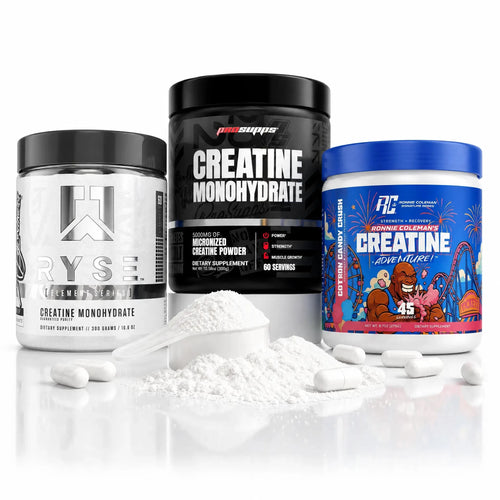
Here is how we’d put it. A rinse is cheap, and for some people it is a harmless experiment in specific sessions. For most lifters, the gains come from boring things: enough total carbohydrate across the day, protein after training, creatine if it suits you, and proper sleep. We would rather you spend money on a product that does a job than one that tastes like it might.
If you do try it, be honest in your testing, keep it to the sessions where the research says it could matter, and look after your teeth. If you’re not sure what fits your training, ask us. We’d rather give a straight answer than a sale.
— Blake
Where our range fits
If your real goal is training output and recovery, the swallowed products matter more than a rinse. Our shop by category page covers protein, pre-workout, creatine, amino and BCAA, mass gainers, electrolytes, accessories and health and wellness. All our products are sourced direct and stored in New Zealand, with ingredient listings you can read before you buy, and we don’t deal in grey imports.
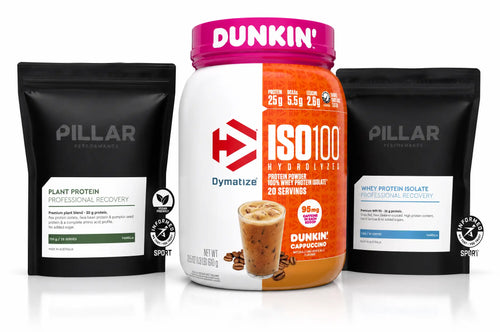
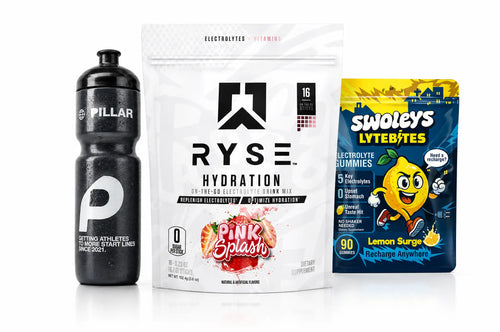
For a no-sugar option during long sessions, there is Ghost Hydration sugar-free electrolytes. For after training, browse protein and our RTD protein shakes to cover the protein side of recovery. Pair it with real carbohydrate food, as the NZ Defence guidance above suggests.
FAQ
Does carb mouth rinsing actually work?
Sometimes, in specific situations. Studies report benefits for some endurance efforts and for low-load, high-volume resistance work when glycogen is low, but results are mixed and the mechanism is not settled. For maximal strength and sprint work the evidence is weaker.
How do I make a carb mouth rinse at home?
Most research uses about 6 to 6.6% maltodextrin, which is roughly 6 g per 100 mL of water. Rinse for 10 to 20 seconds and spit it out. This is a protocol researchers tested, not a guaranteed dose, so check your results against a plain-water rinse.
Is carbohydrate digested in the mouth?
Not meaningfully for this purpose. The proposed benefit comes from receptors in the mouth signaling the brain, before any carbohydrate is digested. That is why the rinse doesn’t raise blood glucose in a meaningful way or restore muscle glycogen.
Can a carb rinse replace my post-workout carbs and protein?
No. You need to swallow carbohydrate and, where indicated, protein to recover. NZ Defence guidance suggests about 0.8 to 1.2 g/kg of carbohydrate after training when rapid glycogen restoration matters, plus up to 40 g of protein depending on the session.
Is it bad for my teeth?
Frequent sugar exposure raises oral-health risk, particularly when you are dehydrated and producing less saliva. Spit the rinse out, follow with water, use fluoride toothpaste and ask your dentist what strength suits you.
Sources
- Maltodextrin-based carbohydrate oral rinsing and exercise performance: systematic review and meta-analysis (PMC)
- A narrative review of current concerns and future perspectives of the carbohydrate mouth rinse effects on exercise performance
- Carbohydrate mouth rinses before exercise improve performance of Romanian deadlift exercise
- Carbohydrate mouth rinse improves resistance exercise capacity in the glycogen-lowered state
- Carbohydrate mouth rinse in intermittent and continuous small-sided games in adolescent soccer players
- Carbohydrate-caffeine combined mouth rinse: a systematic review
- Nutrition for performance, Defence Health Hub (NZ Defence Force)
- Nutrition and oral health in sport: time for action
- Sports drinks, HealthEd (NZ)
- Carbohydrate oral rinsing, cycling performance (PMC, 2024)