SHOP NOW, PAY LATER











 Informed Sport
 Informed Choice
 NSF Certified for Sport
 HASTA Certified

You do not need an electrolyte drink just because you train in winter, and cold weather does not remove the possibility of meaningful sweat losses. Base the decision on the session, clothing, your own losses and what you eat and drink around it. Temperature is one part of the plan, not the verdict.
A cold start can become a sweaty session
Standing beside the car in a southerly feels different from climbing a hill in a waterproof jacket. Record what the session is like once you are moving. The weather app cannot tell you what is happening under several layers.
Indoor winter training deserves its own assessment. A hard session in a warm gym or on an indoor bike is not made low-sweat by the temperature outside. Label your training notes with the actual environment.
For an ordinary short session followed by normal food, an electrolyte product may add little practical value. For a long or repeated session with substantial sweat losses, a more deliberate plan may be useful. The Sports Dietitians Australia: fluids in sport emphasises individual conditions rather than one fixed fluid rule.
Why thirst can feel different in the cold
A small laboratory study by Kenefick and colleagues found lower thirst during cold exposure than temperate conditions in male participants, including during moderate exercise. See Kenefick and colleagues: thirst during cold exposure. It helps explain why feeling less thirsty does not always mean losses disappeared.
The study was not a test of every winter sport or every athlete, and it did not show that everyone needs an electrolyte supplement. It is a reason to pay attention to your routine, not to force fluid on a schedule regardless of comfort.
Use several pieces of information: duration, clothing, opportunities to drink and patterns from comparable sessions. Avoid turning one signal, whether thirst or a damp shirt, into a diagnosis.
Separate fluid, sodium and fuel
A drink can supply water, minerals, carbohydrate or a combination. Those jobs overlap, but they are not interchangeable. Read the prepared serving rather than judging from words such as "hydration" or "performance".
A sugar-free electrolyte drink may contribute minerals without contributing meaningful carbohydrate. If your long run also needs fuel, that remains a separate decision. Equally, a carbohydrate food does not tell you how much fluid you have consumed.
Our comparison of sugar and sugar-free electrolytes explains this distinction. Keep the winter question focused: what needs replacing or supplying in this particular session?
Do not add a second mineral product simply because the first does not contain carbohydrate. Check the nutrition panel and use a suitable food or fuel option when that is the missing piece.
Use these winter scenarios as a starting check
| Session | Useful question | Practical next step |
|---|---|---|
| Short easy run near home | Will normal drinks and food cover the session? | Do not make a supplement automatic |
| Long trail outing in layers | How much am I sweating, and where can I refill? | Plan access and rehearse what you carry |
| Hard indoor bike session | What are the actual room conditions? | Use indoor training observations, not outdoor temperature |
| Several games across a day | What will I eat and drink between efforts? | Consider the whole day and recovery gaps |
| Easy session with little sweat | Am I using a summer plan out of habit? | Reassess rather than forcing the same volume |
These are prompts for planning, not a diagnosis from duration alone. A session that lasts longer because of stops may create different demands from continuous hard exercise. Note the work you actually do.
Make the bottle accessible
Winter drinking problems can be practical. The bottle may be buried in a pack, the lid difficult with gloves or the next refill stop uncertain. Fix those barriers before assuming you need a stronger powder.
Trial your kit on a normal training route. Can you reach the bottle without unpacking everything? Does the pocket hold it securely? Can you read its volume marks? A drink left untouched because it is awkward to reach is not helping your plan.
Prepare products according to their labels. Do not concentrate a mix to save bottle space unless that preparation is supported by the directions and your individual plan. Powder and fluid amounts both matter.
If you use a different bottle in winter, check the capacity. Habitually adding the same scoop to a smaller container changes the prepared concentration. Write the water amount on your packing checklist if it is easy to forget.
Do not carry a summer drinking target into every run
If you have measured fluid losses in summer, treat those readings as summer observations. Repeat the assessment in representative winter sessions if you need a more detailed plan. Different layers and intensity may matter as much as the season.
Avoid forcing large volumes because you are worried about missing thirst cues. Excessive drinking remains a concern in cool conditions. Electrolytes do not make unlimited fluid intake safe.
The National Athletic Trainers' Association fluid-replacement position statement discusses both insufficient and excessive replacement and the value of individual plans. Use professional help for long events or recurring problems rather than assuming more water and more salt are always the answer.
A headache, cramp or a tired finish does not by itself identify an electrolyte deficit. Several problems can feel similar. Sudden confusion, collapse or repeated vomiting during exercise requires urgent assessment rather than experimenting with another serving.
Include the food and recovery window
Look beyond the bottle. A meal after training can contribute fluid, carbohydrate and minerals. If you have a normal meal soon after a modest session, the shopping decision may be different from a long outing followed by hours of travel.
For repeated sessions, plan what happens between them. Write down the available food and time, not just the products in your bag. It is easy to buy an electrolyte tub while overlooking that lunch will be unavailable.
Our general electrolyte guide covers the broader reasons for using these products. The winter adjustment is to check the conditions again rather than choosing from the calendar.
Where NZ Supps fits
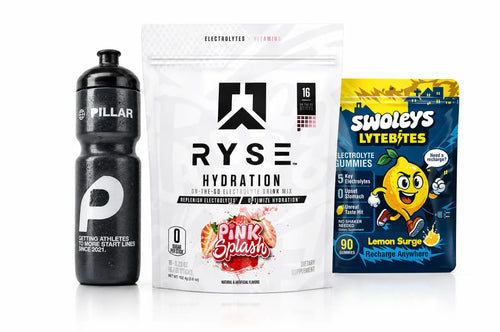
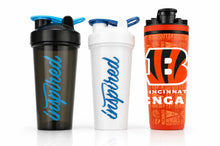
Compare the electrolyte collection when you have a clear use for a prepared mineral drink. Look at sodium, other ingredients, carbohydrate and water directions together. The bottle and shaker range can help with carrying a measured drink, but a bottle you already own may be entirely adequate. Buy for the practical gap you have identified.
Frequently asked questions
Can I sweat a lot when the air is cold?
Yes, a hard session or insulating clothing can still leave you sweating. Consider the conditions while moving, not only how cold you felt before starting.
Does feeling less thirsty mean I need less fluid?
Not always. Cold exposure can change thirst, but that is not a reason to force drinks. Consider your session, usual losses, comfort and access together.
Do electrolytes stop me getting cold?
They are not a substitute for suitable clothing, shelter or sensible decisions about conditions. A hydration product should not be treated as protection from cold exposure.
Should I use the same amount as in summer?
Do not assume the same plan fits. Reassess the actual workload, environment and clothing, especially when your summer plan was based on different sweat losses.
Is a sugar-free electrolyte drink enough for a long winter run?
It may fit a mineral-replacement role but may supply little carbohydrate. Fuel is a separate question that depends on the run and your rehearsed nutrition plan.
Can I drink too much even if the drink has electrolytes?
Yes. Adding minerals does not remove the risk of excessive fluid intake. Avoid forcing drinks beyond your needs and seek individual advice for demanding events.