SHOP NOW, PAY LATER















 Informed Sport
 Informed Choice
 NSF Certified for Sport
 HASTA Certified


Good triathlon nutrition comes down to three habits. Eat enough carbohydrate to match each day’s training. Drink and take in salt so you finish the race close to your starting weight. Practise your exact race-day plan until your gut stops arguing with it. Supplements can fill specific gaps, but real food does most of the work. This guide covers what that looks like for a sprint, Olympic distance or 70.3 in New Zealand, including the local race rules that catch people out.
TL;DR
- Match carbohydrate to the session: more on long and hard days, less on easy ones. On the bike, aim for the 60 to 90 g per hour range once an event runs past about two hours.
- Start hydrated and try to lose less than 2% of your body mass in fluid during exercise. Replace sodium on hot or long days.
- Never try something new on race day. Train your gut with the same gels, drink and timing you plan to use.
- Food first. Use supplements for a clear purpose, and check batch-tested products against official anti-doping guidance, because batch testing lowers risk but never removes it.
- Read your race’s athlete guide. IRONMAN 70.3 NZ, for example, caps bike hydration volumes and penalises littering.
Table of Contents
- Why triathlon fuelling is harder than single-sport fuelling
- Daily nutrition: fuel the session you are doing
- Fuelling during the race: how many carbs per hour?
- Hydration and electrolytes
- Race rules that affect your nutrition in NZ
- Gut training: the part most athletes skip
- Perspective: what we see from the New Zealand side
- Supplements: when they help and how to stay safe
- Where our range fits into a triathlon plan
- Getting professional help in New Zealand
- A simple race-week checklist
- FAQ
- Sources
Why triathlon fuelling is harder than single-sport fuelling
A triathlete trains three disciplines, often twice a day, and then has to eat on a bike and a run in the same race. Swimming makes eating nearly impossible. Cycling is where you can take in the most fuel. Running shakes your stomach, so what felt fine at 30 km/h on the bike can feel awful ten minutes into the run.
That is why most good plans treat the bike as the fuelling leg. You load calories and fluid there so the run has something to draw on. The rest of the plan is built around that idea.
Daily nutrition: fuel the session you are doing
The old approach was to eat the same high-carb diet every day. The current consensus is more flexible. The 2019 IAAF consensus statement on nutrition for athletics recommends adjusting carbohydrate to the demands of each session, rather than holding a static, restrictive diet. The same document notes that high-fat, low-carb diets can impair performance in segments run above roughly 80 to 85% of VO2peak, which is exactly the effort a race puts you at.
In practice, a training week looks something like this:
| Session type | Carbohydrate approach | Example meal |
|---|---|---|
| Easy swim or recovery spin | Moderate, built around normal meals | Eggs on toast, fruit, yoghurt |
| Threshold bike or track run | Higher carbs before and after | Porridge with banana before, rice and chicken after |
| Long brick (bike then run) | High, with fuel during | Rice or pasta the night before, gels or chews on course |
| Rest day | Lower carb, protein and veg steady | Fish, vegetables, kumara |
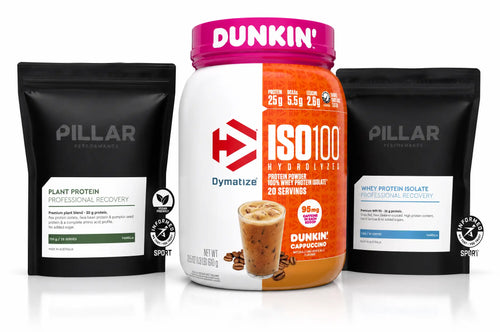
Protein matters for recovery across all of these. Spread it over the day in meals rather than one big hit. Our protein range sits under the shop by category page if you want a convenient post-session option, but a glass of milk, a tub of yoghurt or a chicken wrap does the same job.
Carb loading, kept simple
You don’t need a week of pasta. Race-day carbohydrate loading for events of an hour or two is rarely needed, and for a 70.3 or longer a day or two of higher carbohydrate intake is the usual approach. Pick familiar, low-fibre foods in the final 24 hours, such as white rice, bread, pasta, bananas and potatoes. Eat dinner you already know sits well. A new restaurant the night before a race is a gamble you don’t need.
Fuelling during the race: how many carbs per hour?
The numbers depend on how long you are out there.
- Under about 60 minutes (sprint distance): a mouth rinse or small amount of carbohydrate is usually enough. Many sprint athletes simply start well fuelled and hydrated.
- Roughly 1 to 2.5 hours (Olympic distance): around 30 to 60 g per hour is a common starting point.
- Longer than 2 hours (70.3 and Ironman): the IAAF statement says athletes benefit from intakes up to 90 g per hour from mixed carbohydrate sources. “Mixed sources” means glucose plus fructose, which uses two absorption routes in the gut.
That 90 g figure is a ceiling that suits some athletes, not a target for everyone. A smaller athlete who has never trained above 40 g an hour will struggle if they jump to 90 on race day. Build up in steps, and see the gut-training section below.
A worked example for a 70.3
Say you expect about 2 hours 45 minutes on the bike and a 1 hour 45 minute run. A realistic plan might be:
- 15 to 30 minutes before the swim: a small top-up, such as half a gel or a few chews, if you are eating early.
- Bike, first 15 minutes: settle in, drink to thirst.
- Bike, remainder: a steady mix of carbohydrate drink and a gel or chews every 20 to 30 minutes to reach your target hourly carbs.
- Run: gels or chews at aid stations, with water, and small sips rather than big gulps.
Gels and chews each have their place. Our guide to gels vs chews for hitting 30 to 60 g of carbohydrate per hour goes through the trade-offs, which are as relevant on a triathlon bike leg as on a road run.
Hydration and electrolytes
Sweat rates vary a lot between athletes, and a humid day in the Bay of Plenty is a different problem from a cool Wellington morning. A useful target comes from the IAAF’s fluid guidance for athletes: dehydration beyond 2% of body mass impairs both physical and mental performance.
A simple way to find your own number:
- Weigh yourself nude before and after a one-hour session, in conditions like your target race.
- Add the weight of any fluid you drank during the session.
- Subtract your after weight from your before weight, plus the fluid, to estimate sweat loss per hour.
- Repeat in hot and cool weather. Your number will change.
If you lose more than 2% of body weight on a regular basis, you are probably under-drinking for the conditions. A 70 kg athlete is at that line at 1.4 kg lost. Drinking to thirst works for many athletes, though hot long events benefit from a plan.
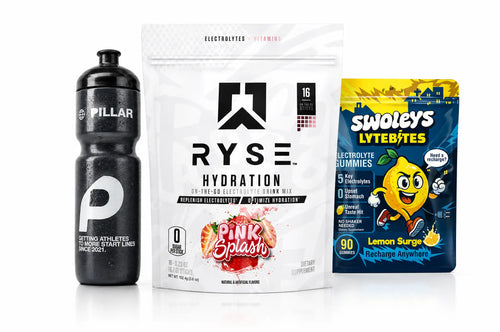
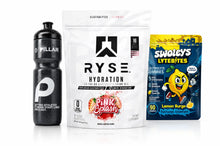
Sodium is the other half. Sweat contains salt, and plain water on a long hot day does not replace it. Electrolyte drinks and tablets cover this. If you want a choice that suits your session length, our guide to hydration tablets vs powder breaks it down by duration, and our no-sugar electrolyte powder buyer guide is useful if you are separating your carbohydrate from your electrolytes so you can control each one. Fluid needs also come up in other heat-heavy sports, and these hydration tips from a hot yoga studio are a reasonable read on pre-loading fluids before a hot session.
Race rules that affect your nutrition in NZ
If you are racing a long-course IRONMAN event in New Zealand, your nutrition has to fit the rulebook. The 2026 IRONMAN 70.3 NZ athlete information guide limits hydration systems on the bike: front-mounted systems are capped at 2 L, and rear-mounted bottles at 1 L each. The same guide treats littering as a serious infringement, so gel wrappers belong in your pocket or tri suit until a designated aid station.
Two practical tips follow from this:
- Rehearse opening gels one-handed and stowing the wrapper while riding. It sounds silly until you try it at 35 km/h.
- Check the athlete guide for your specific event every year. Rules and aid station locations change, and the guide is the final word.
For non-IRONMAN races, Triathlon New Zealand and your event organiser publish their own rules. Read them before you pack your bike bag.
Gut training: the part most athletes skip
Your gut adapts to carbohydrate, within limits. If you want to take in 60 to 90 g an hour on race day, you need to practise taking it during hard training sessions. Start with what you tolerate, then increase by 10 to 15 g an hour over several weeks of long rides and brick sessions.

Our article on gut training for runners lays out the approach in detail, and it transfers directly to the run leg of a triathlon. The principle that every plan agrees on is simple: don’t test your nutrition on race day. Whatever you plan to eat, drink and take, you should have used at least several times in training at race effort.
Keep a short log after each long session: what you ate, how much, how your stomach felt, and how the last 30 minutes went. Patterns show up quickly.
Perspective: what we see from the New Zealand side
We sell supplements, so you might expect us to tell you to buy more of them. We won’t. Most triathletes we speak to would improve their results more by fixing their daily food and rehearsing their race plan than by adding another tub to the cupboard.
Our view is that supplements work best as convenient tools around a solid diet. A carbohydrate drink mix is easier than carrying bananas on a bike. An electrolyte tablet is easier than measuring salt. A protein powder is a quick option when you’ve got a second session in four hours. None of these replace real meals.

That matches what sports dietitians in New Zealand are doing. Dr Kathryn Beck of Massey University has described a shift toward practical, coached cooking classes for athletes, where they learn to make simple, nutrient-dense foods rather than relying only on packaged products. We agree with that direction.
What we do care about is where a product comes from. Our products are sourced direct and stored in New Zealand, so there are no grey imports, and ingredient lists are transparent so you can see what is in the tub. Our staff train themselves, so when you ask whether a pre-workout will sit badly before a brick session, you get an answer from someone who has done one.
— Blake
Supplements: when they help and how to stay safe
The IAAF consensus takes a food-first position. Supplements with evidence behind them, such as caffeine, bicarbonate and beta-alanine, are best used to meet a specific physiological goal, ideally under professional guidance, and with an eye on the risk of contamination with prohibited substances.
There is also a lot of noise. The Australian Institute of Sport describes the evidence for ketone supplements as limited, which is a good reason to put money into proven carbohydrate fuelling first.
If you compete under anti-doping rules
This applies if you race in events that test, or you hold a national or age-group representative position. Athletes are responsible for everything in their system, a principle known as strict liability. Batch-tested products lower the risk but do not remove it, so cross-check any product against the Australian Institute of Sport guidance and the Sport Integrity Australia app before using it.
In New Zealand, Drug Free Sport NZ and High Performance Sport NZ released a supplement decision-making guide after a number of athletes tested positive for prohibited substances. They state that they don’t approve or endorse any supplements. If you are in a testing pool, talk to Drug Free Sport NZ or a sports dietitian before you take anything new.
For general timing and dosing questions, our supplement timing and dosing buying guides are a starting point. If you have a medical condition or take prescription medication, check with your GP or a dietitian first.
Where our range fits into a triathlon plan
These are the product types most triathletes find useful, in rough order of importance:
- Electrolytes for long, hot or sweaty sessions. Browse the electrolytes category.
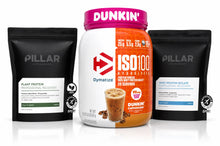
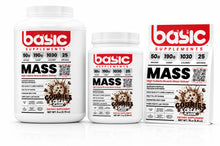
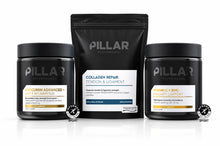
- Protein for recovery between sessions, such as our Pillar Performance protein range or MusclePharm protein.
- Amino acids for those who want an added recovery option: see our EAA collection.
- Pre-workout, from stim-free to high-stim, for hard morning sessions. Our pre-workout collection shows the range. Test caffeine in training long before a race.
All of it is on the shop by category page. You can buy once or set up a recurring order for the staples you use every week. Our site also lists batch-tested ranges for competitive athletes, and the caution above still applies to them.
Getting professional help in New Zealand
If you have a complicated situation, such as recurring stomach trouble, a history of low iron, or a big goal like Ironman New Zealand, a registered dietitian is worth the money. New Zealand has a solid training pipeline for them. The University of Otago teaches a 30-point Sports Nutrition paper (SPME703), and the University of Auckland runs a two-year full-time postgraduate programme covering clinical and sport nutrition. Those programmes train the practitioners you may end up seeing, so look for a registered dietitian with sport experience, and ask about triathlon specifically.
A simple race-week checklist
- Three to four days out: keep training food normal, add carbohydrate at each meal, don’t add fibre-heavy new foods.
- Day before: familiar high-carb meals, steady sipping of fluids, pack everything you need for the bike and run.
- Race morning: eat your tested breakfast two to four hours out, then sip fluids.
- Bike: start fuelling in the first 15 to 20 minutes, set a watch timer, and follow your plan even if you feel good.
- Run: small, frequent intake at aid stations, with water and electrolytes if it is hot.
- Afterwards: carbohydrate and protein within a couple of hours, and fluids until your urine is pale again.
FAQ
What is the best nutrition for triathletes?
There is no single product. The best approach is enough carbohydrate to fuel your sessions, adequate protein spread across the day, and a hydration and sodium plan tested in training. Food should be the base, with gels, drinks and electrolytes as race tools.
How many carbs should I eat per hour in a triathlon?
For events longer than two hours, research supports intakes up to 90 g per hour from mixed carbohydrate sources. For shorter races, 30 to 60 g per hour is a more common range. Build up gradually in training so your gut can handle it.
Can I take supplements if I race under anti-doping rules?
You can, but you are responsible for everything you take. Batch testing reduces risk without eliminating it. Check products against official anti-doping guidance and talk to Drug Free Sport NZ or a sports dietitian before using anything new.
Where can I find sports nutrition expertise in New Zealand?
Look for a registered dietitian with sports experience. Universities including Otago, Auckland and Massey train practitioners in sports nutrition, and your triathlon club or coach can often recommend someone local.
Sources
- 2019 IAAF Consensus Statement: Nutrition for Athletics
- Fluid Needs for Training, Competition, and Recovery in Track-and-Field Athletes
- 2026 IRONMAN 70.3 NZ Athlete Information Guide
- Ketone Supplements Infographic, Australian Institute of Sport
- Australian Institute of Sport
- Supplement decision making guide, HPSNZ and DFSNZ
- Ways to educate aspiring sports dietitians, PINES
- SPME703 Sports Nutrition, University of Otago
- Postgraduate study in Nutrition, University of Auckland
- Optimize Your Hot Yoga Sessions with Smart Hydration Tips