SHOP NOW, PAY LATER















 Informed Sport
 Informed Choice
 NSF Certified for Sport
 HASTA Certified

Before a half marathon, choose a familiar carbohydrate-rich breakfast or snack that leaves you comfortable when running. Work backwards from your start time, allow for travel and practise the same meal before a suitable training run. A dependable breakfast beats an elaborate race-morning experiment.
Start with your normal pre-run routine
Think about the last long run that felt comfortable. What did you eat, how much did you have and how long before leaving? That is a useful starting point. A breakfast from someone else's race report has not been tested in your stomach.
Sports Dietitians Australia recommends familiar, easy-to-digest pre-event food with carbohydrate and appropriate fluid. Its pre-event food guide explains the principles. You can apply them with ordinary food rather than a special race product.
Toast with a familiar topping, a bagel, a suitable cereal or another breakfast you already tolerate can all be candidates. These are options to rehearse, not a ranked list. You do not need to eat every item or force a larger meal because the event feels important.
Build the morning backwards
Write down the start time, then subtract the time for bag drop, toilet queues, travel and getting dressed. The result tells you when breakfast can realistically happen. Do this before deciding whether your usual meal fits.
For an illustrative 8am start, a runner might choose to eat at home around 5.30am, travel at 6.15am and arrive with time for the event requirements. That is a planning example, not a universal instruction to eat two and a half hours before running.
A later start gives different choices. If your race begins near lunchtime, think about breakfast and whether a familiar smaller top-up fits later. Do not turn the whole morning into an unplanned stream of snacks while waiting.
Check the event information for your actual wave, not only the first gun. A large event can have a meaningful gap between arrival and your start. Rehearse a comparable interval if practical.
Choose portions by rehearsal, not nerves
Keep the first trial simple enough to repeat. Record the food, approximate portion, drink and finish-eating time. Use the same bowl or number of slices so the next trial is comparable.
If you normally eat a substantial breakfast but feel heavy when running soon afterwards, test a smaller portion or a different timing on another training day. Change one factor at a time. That gives you something useful to learn from.
If your usual breakfast is very high in fibre or fat, it may not be the most comfortable choice close to running. You can trial a familiar lower-fibre or lower-fat option without treating those nutrients as bad in your everyday diet.
Do not chase exact carbohydrate totals from an internet checklist while ignoring tolerance. Runners differ in body size, race duration and what they ate previously. A sports dietitian can set amounts if you need a detailed race plan.
Solve the practical breakfast problems
| Morning problem | Plan to test beforehand |
|---|---|
| Very early departure | Prepare a familiar portable breakfast the night before |
| Hotel breakfast starts too late | Bring food you can store and prepare safely in the room |
| Nerves reduce appetite | Trial a smaller familiar portion or a tolerated drink option |
| Start is delayed | Carry a practised backup snack; reassess the new timing |
| No kitchen equipment | Choose food that does not depend on a toaster or microwave |
| Different start wave | Base the schedule on your wave and check it again before race day |
If you are travelling, confirm what the accommodation supplies. "Breakfast included" does not tell you when it opens or whether the food suits your routine. Pack a spoon if your plan requires one and check access to drinking water.
Keep the backup familiar too. A free sample in the race pack may be interesting after the event, but it does not become a suitable pre-race breakfast just because it is handed out by the organiser.
If solid food is difficult before an early start
Some runners find a smaller snack or familiar liquid option easier than a full breakfast. Sports Dietitians Australia: distance running discusses this practical issue and the value of testing pre-event meals in training.
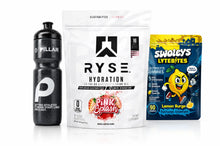
Read what a drink actually supplies. A protein shake, sugar-free electrolyte drink and carbohydrate-containing sports drink have different roles. If the aim is pre-run fuel, the protein claim on the front is not the key number.
Do not force a new drink because it looks convenient. Rehearse its preparation, portion and timing just as you would toast or cereal. If difficulty eating is persistent, get individual help rather than accepting an increasingly narrow set of foods.
Keep breakfast and in-race fuel as separate decisions
A comfortable breakfast does not settle what you will eat or drink during the half marathon. How long you expect to be running, course access and your rehearsed plan all matter. Pack the race supplies separately so breakfast does not use up something you intended to carry.
Our carbohydrate during exercise guide covers that separate question. Avoid changing both breakfast and the during-run plan immediately before the race, because you will have no clear idea which change helped or caused trouble.
Likewise, do not assume an electrolyte drink is a meal. The sugar versus sugar-free hydration guide explains why the carbohydrate line matters. A zero-sugar drink can have a purpose without supplying much running fuel.
Make the rehearsal useful
Use a training run that already fits your programme. Match the likely wake-up time and meal timing where sensible, then note comfort during the early kilometres and later in the run. Include sleep, weather and effort so one difficult trial is not blamed entirely on breakfast.
Keep the version that works reasonably well. You do not need to optimise indefinitely or copy what a faster runner eats. The final pre-race week is a poor time for a complete menu overhaul.
Write the chosen breakfast into a short race-morning checklist. Include preparation, water, departure and the food you will carry. A simple written routine frees you from making avoidable decisions while nervous.
Where NZ Supps fits
If a prepared sports product has a place in your rehearsed routine, inspect the exact carbohydrate and preparation details in the intra-workout range. Compare the electrolyte range separately for hydration needs. Ordinary breakfast food remains a sensible first choice; buying a supplement is not a prerequisite for finishing 21.1km.
Frequently asked questions
What is the best breakfast before a half marathon?
The best practical choice is a familiar carbohydrate-rich meal or snack you tolerate before running. There is no single menu that fits every runner or start time.
How early should I eat?
Allow enough time for your chosen portion to feel comfortable, and rehearse that interval. Work backwards from your own start wave, travel and warm-up rather than copying a fixed time.
Can I have coffee?
If coffee is part of a routine you have already tested, account for it in the plan. Do not add extra caffeine or combine unfamiliar caffeinated products simply because it is race day.
Is porridge a bad choice?
Not automatically. Portion size, timing and your tolerance matter. If it works before your long runs, race morning is not a reason to discard it; if it feels heavy, trial another option earlier.
What if hotel breakfast is not available?
Bring a familiar option you can prepare and store safely without the hotel kitchen. Confirm water and equipment access before travelling.
Does a big breakfast mean I can skip fuel during the race?
Do not assume so. Breakfast and in-race nutrition are separate parts of the plan. Base the latter on expected duration, access and what you have rehearsed.