SHOP NOW, PAY LATER










 Informed Sport
 Informed Choice
 NSF Certified for Sport
 HASTA Certified

A long Saturday run is done, your shoes are by the door, and breakfast still feels a long way off. The best protein powder for runners in New Zealand is usually a transparent whey isolate for dairy-tolerant athletes, or a clearly labelled plant blend for vegan runners, used to fill a genuine food gap rather than replace meals.
For drug-tested runners, the safest choice is the product with the clearest batch evidence and simplest ingredient list, not necessarily the powder with the biggest marketing claims. New Zealand runners also need to look beyond protein alone, because recovery depends on adequate carbohydrate, fluids and total daily energy as well.
Table of Contents
- Why Runners Need a Smarter Protein Strategy
- How Much Protein Do Runners Need?
- Whey, Isolate, or Plant: Which Is Best?
- The Safety Issue - What Drug-Tested Athletes Must Know
- Using NZ Supps Tools to Find Your Perfect Match
- Final Thoughts Making the Right Choice for Your Runs
Why Runners Need a Smarter Protein Strategy

You finish a coastal long run in cool wind, arrive home hungry, and reach for the easiest option. That could be toast, fruit, yoghurt, leftovers or a shake. The decision matters because protein supports tissue repair, while carbohydrate helps restore the fuel used during running. A powder can assist with that recovery, but it cannot compensate for an otherwise inadequate meal.
Running participation is broad in Aotearoa. Sport New Zealand recorded 17% of adults taking part in running or jogging during a typical week in 2023, while the same source reported that 71% of New Zealanders participated in walking, running or training alone during the four weeks covered by the 2016 New Zealand General Social Survey. The figures represent casual runners, club athletes, trail runners, marathoners and people combining running with gym work. They do not describe one standard diet or one universal supplement need. (Sport New Zealand participation data)
Protein is only one part of recovery
A protein shake has a practical role when a full meal feels unappealing, travel interrupts your routine, or breakfast is delayed after an early session. It still leaves gaps. A powder may provide plenty of protein with little carbohydrate, so it will not replace bread, oats, fruit, rice, potatoes or other carbohydrate-rich foods that support the rest of recovery.
Pair protein with carbohydrate after demanding or lengthy sessions, then eat a normal meal when appetite returns. The shake should solve a timing or convenience problem rather than become the meal itself.
Practical rule: Use powder to cover a genuine convenience problem or dietary gap. Keep nourishing meals in your routine.
New Zealand's Ministry of Health recommends getting protein from a varied selection of foods, including legumes, nuts, seeds, seafood, eggs, poultry, lean meat and dairy. Its adult eating guidance also includes vegetables, fruit, whole grains and other carbohydrate foods within an overall eating pattern. (New Zealand adult eating and activity guidance)
What this looks like after a run
An easy short run may require no supplement at all if a normal meal follows. A long run before work, a hard interval session followed by a rushed commute, or two sessions in one day creates a stronger case for a shake while you organise proper food.
Digestive comfort matters. A powder that sits heavily after a hard session is a poor practical choice, regardless of how impressive its label appears. For training in warmer conditions, this practical summer workout guide can help with fluid and session decisions.
Drug-tested athletes also need tighter product scrutiny because strict liability applies to prohibited substances found in a sample. Clear batch information and a short ingredient list therefore matter alongside protein content, particularly when a supplement is used regularly.
How Much Protein Do Runners Need?
Start with body weight and training demand, not the size of the scoop. Sport New Zealand gives endurance athletes a protein activity factor of 1.2 to 1.6 grams per kilogram of body weight per day. That is a daily range, not a single post-run target. (Sport New Zealand protein guidance)
Multiply your body weight in kilograms by 1.2 for the lower end and by 1.6 for the higher end. A recreational runner with modest training may sit near the lower end, while an athlete handling frequent, hard, or long sessions has more reason to check the upper end with a qualified sports nutrition professional.
Daily Protein Targets by Body Weight
The ranges below use the Sport New Zealand activity factor of 1.2 to 1.6 g/kg/day.
| Body Weight (kg) | Low End (1.2g/kg) | High End (1.6g/kg) |
|---|---|---|
| 50 | 60 g/day | 80 g/day |
| 60 | 72 g/day | 96 g/day |
| 70 | 84 g/day | 112 g/day |
| 80 | 96 g/day | 128 g/day |
| 90 | 108 g/day | 144 g/day |
The worked example in the same Sport New Zealand module uses a 75 kg male triathlete, which gives a daily range of 90 to 120 g when the activity factor is applied. That example matters because it shows how quickly a runner's target can be covered through ordinary meals plus one well-chosen supplement, rather than by stacking multiple large shakes.
Check the food gap before buying
New Zealand Ministry of Health survey data gives a useful local baseline. Median usual protein intake was 102 g per day for males and 71 g per day for females, while estimated inadequate intake was 2.0% overall, including 1.7% for males and 2.3% for females. Protein supplied an average of 16.4% of energy for males and 16.5% for females, within the stated acceptable range of 15% to 25%. These are population figures, not a runner prescription. (Ministry of Health nutrition survey data)
That context changes the buying decision. Many runners do not need more protein just because they run. They may need a convenient option because appetite, work, travel, or training timing makes food intake uneven.
The Ministry's methodology lists estimated average adult protein requirements of 52 g per day for males aged 19 to 70 and 37 g for females in that age range, with higher reference values for people aged 71 and over. Those are general population reference values, not endurance targets, so runners should use the activity-specific guidance above when assessing training needs. (Ministry of Health nutrition methodology)
For a more detailed way to assess your intake, use this New Zealand protein intake guide. Then compare the result with your body weight, training load, and normal meals.
Whey, Isolate, or Plant: Which Is Best?
The right protein type depends on dairy tolerance, dietary preference, digestion, and what you want the powder to do. Whey concentrate is a sensible everyday option, whey isolate is usually easier to use in a lower-lactose routine, and a plant blend suits runners who avoid dairy or animal products.
For a New Zealand baseline, food choice still matters more than powder choice. National guidance on adult eating patterns supports a mixed diet, and Ministry of Health data shows bread, poultry, milk, beef, and veal all contribute meaningful protein in ordinary meals. Protein powder should sit alongside that pattern, not replace it. (Ministry of Health dietary protein sources)
Protein Type Comparison for Runners
| Type | Absorption Speed | Best For | Common Issues |
|---|---|---|---|
| Whey concentrate | Generally quick | Runners wanting a versatile, everyday dairy protein | Can contain more lactose and dairy components than isolate |
| Whey isolate | Generally quick | Post-run convenience and runners who want a higher protein density | Usually costs more and still is not suitable for people avoiding dairy |
| Plant blend | Varies by formulation | Vegan runners and athletes avoiding dairy | Single-source products may provide less complete amino-acid coverage, so check the blend and label |
Whey is a complete dairy protein and is usually easy to mix after training. Concentrate often gives better everyday value, but runners who notice bloating or stomach upset may do better with isolate. Filtration usually increases protein density while reducing lactose and fat, although the exact nutrition still depends on the product. For a closer look at the trade-offs, see this guide to whey isolate and whey concentrate.
The word “fast” does not make a powder better by itself. If it causes bloating, tastes bad, or is awkward to prepare, it will not stay in regular use.
Plant choices need a careful label check
A plant-based runner should look for a blend that discloses its protein sources, such as complementary pea and rice proteins, rather than assuming every vegan powder has the same amino-acid profile. Compare the total protein per serve, not just the number of scoops or the size of the bag.
Check the full ingredient panel for sweeteners, gums, flavourings, and added blends you do not need. Simpler is easier to assess, especially if you compete under anti-doping rules or have a sensitive stomach.
A useful purchasing benchmark from New Zealand adult guidance is roughly 20 to 30 g of protein per serving, alongside transparent ingredients and no unnecessary stimulant blend. That gives you a practical label check before you decide whether the formula suits your training routine.
The Safety Issue - What Drug-Tested Athletes Must Know
For a drug-tested runner, “best” does not mean the highest protein number or the lowest price. It means a product you can identify, verify, and document, with the understanding that certification lowers risk rather than removing it.
Sport Integrity Commission Te Kahu Raunui states that athletes remain strictly liable for substances found in their samples. Its supplement guidance also notes that a 2022 Consumer NZ investigation found illegal drugs in six supplements purchased from New Zealand stores. (Sport Integrity Commission supplement guidance)
That makes the usual shortcut, “it says tested on the website, so I'm covered,” unsafe. Batch testing can provide useful evidence, but no supplement can be guaranteed completely free of banned substances. The exact product, flavour, batch, and certification details matter.
A practical verification routine
- Identify the exact product. Record the full product name, flavour, size, and batch number. Do not rely on a brand-level statement if the certification applies only to selected products or batches.
- Find the batch evidence. Look for a current certificate or certification record that matches the batch in your possession. A logo alone is not the same as checking the underlying evidence.
- Keep the packaging. Save the tub, label, receipt, and any certificate or product record. If a question comes up later, you want an organised paper trail.
- Declare supplement use. Record supplements on doping-control paperwork when required and keep your own list updated. Ask your sport's anti-doping contact if you are unsure about the process.
Safety first: A simple, batch-documented whey isolate may be a better decision for a tested athlete than a complex recovery formula with extra ingredients.
The Commission recommends a food-first approach while acknowledging that athletes may still choose supplements. That is a sensible position for runners. If food can cover the recovery need, it avoids one layer of supplement risk. If a powder solves a genuine travel or post-run problem, choose the most transparent option you can verify.
For more NZ-specific guidance, read this explanation of Informed Sport protein powder in New Zealand.
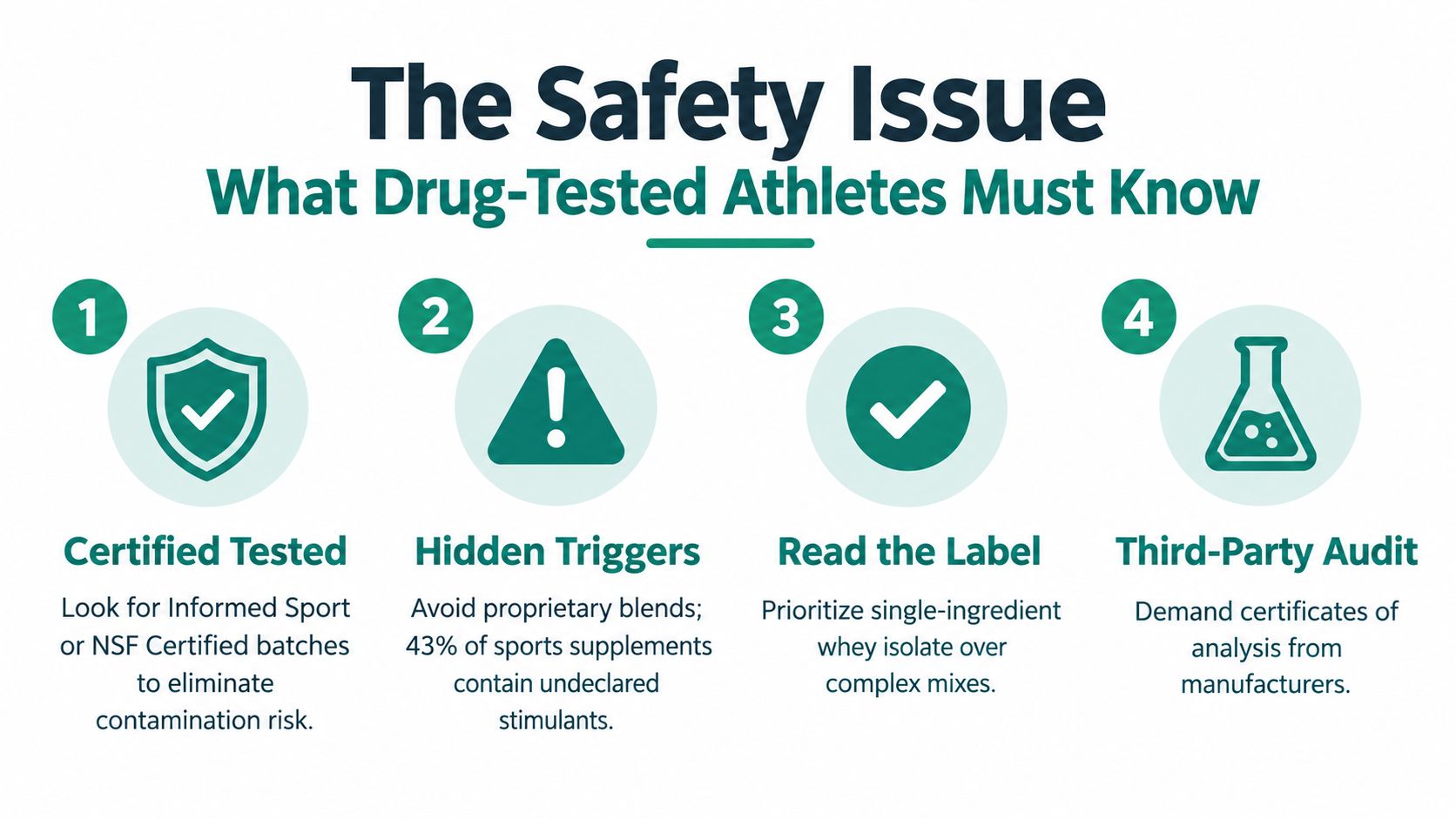
A short visual reminder can help when you are checking a label and batch record:
Using NZ Supps Tools to Find Your Perfect Match
NZ Supps provides product comparison features, per-serve pricing, ingredient displays and a Tested for Sport filter across its protein range. Its catalogue includes whey, whey isolate and plant-based options, so start with the certification standard you need and the protein type you tolerate. Compare products on the same basis, using the live listing for current availability, label details and pricing.
Use a like-for-like shortlist
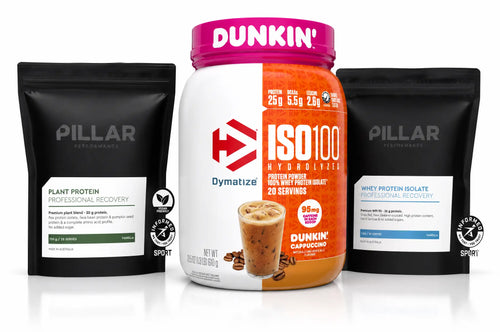
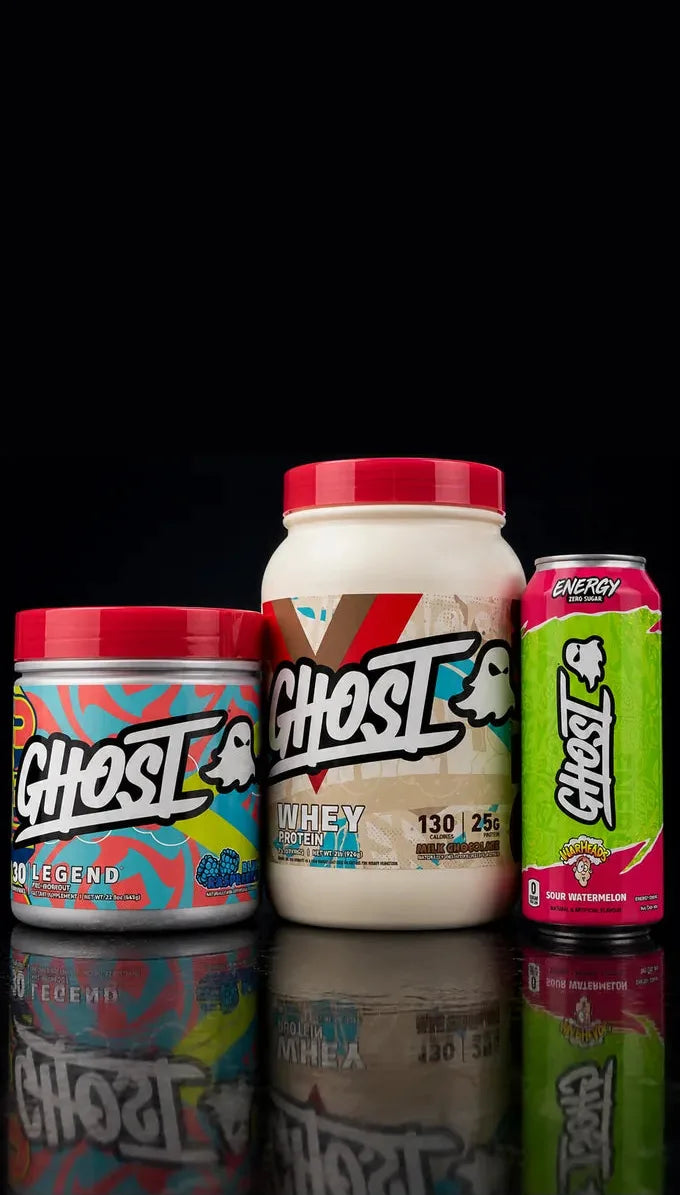
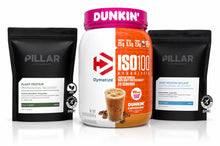
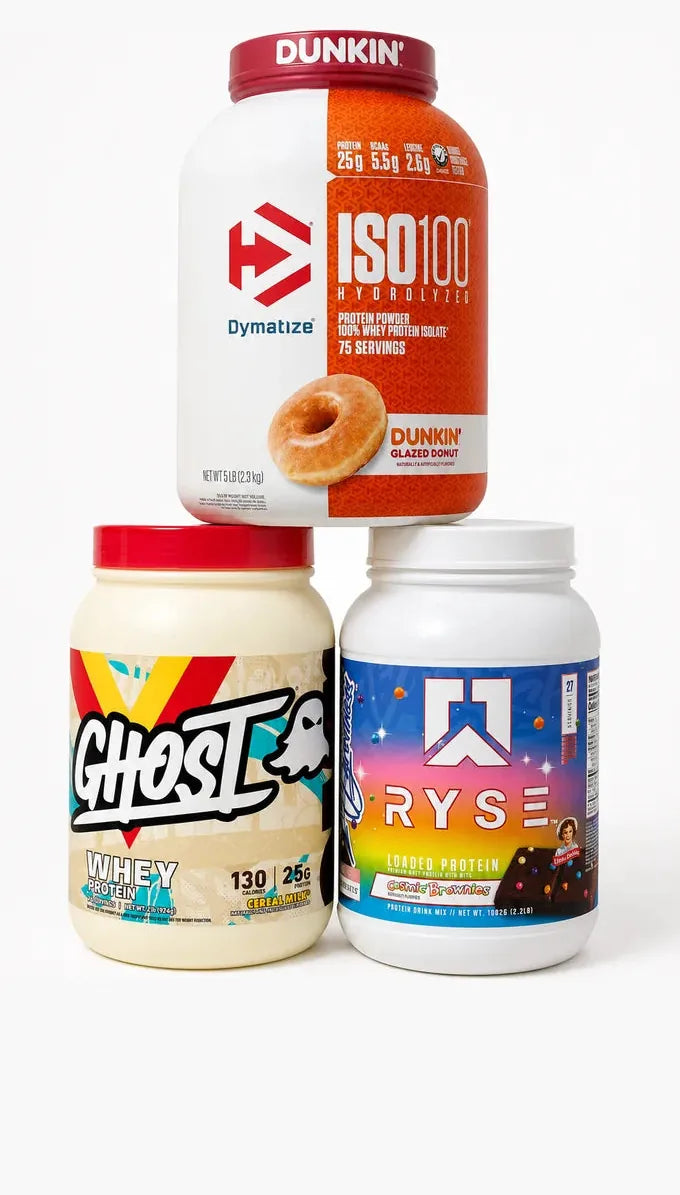
Ghost Whey and Dymatize ISO100 give you a practical comparison between a standard whey product and a whey isolate. Both list 25 g of protein per serving, while the wider nutrition panel, sweeteners, flavour ingredients and certification details still need checking on the product page.
| Product | Serve size | Key ingredient amounts | Price per serve |
|---|---|---|---|
| Ghost Whey | 1 labelled serving | 25 g protein. Check carbohydrate, fat and ingredient details on the live label | Confirm the current NZ$ tub price and divide by the labelled number of serves |
| Dymatize ISO100 | 1 labelled serving | 25 g protein. Check carbohydrate, fat, sweeteners and certification details on the live label | Confirm the current NZ$ tub price and divide by the labelled number of serves |
Prices and label information can change, so confirm both figures before ordering. The comparison still matters because a large tub can offer poorer value than a smaller one once serving counts are included. Focus on protein per serve, total calories, carbohydrate, sodium, ingredients and price per serve.
Filter for the actual requirement
If you're drug-tested, apply the Tested for Sport filter first. Then check that the certification information and product details match the specific product you intend to buy. The filter narrows the search, while your own verification addresses the strict liability risk discussed earlier.
If you avoid dairy, use the plant-based filter and check whether the formula combines complementary protein sources. For an occasional post-run option, a modest serving and short ingredient list may suit you better than a formula loaded with added extras.
The Build Your Bundle tool can organise regular orders, but a bigger supplement stack does not automatically improve recovery. A runner who needs convenient protein may have no use for pre-workout, amino acids or several recovery products alongside a well-planned diet. Compare relevant protein formats first, then assess delivery and serving value.
NZ Supps is a New Zealand-owned online supplement retailer with stock held in Palmerston North, and it lists genuine sealed products, local dispatch and product comparison tools. Check the live listing for current availability, ingredients, certification information and price before purchasing.
Final Thoughts Making the Right Choice for Your Runs
The best protein powder for runners in New Zealand is the one that fits three tests.
First, it must solve a real nutrition problem. Work from your daily protein target, count what your meals already provide, and use powder when appetite, travel or timing creates a gap. Keep carbohydrate-rich foods in the recovery plan, particularly after demanding sessions.
Second, it must suit your body and diet. Choose whey concentrate if you tolerate it and want a practical everyday dairy option. Choose whey isolate if you prefer a higher protein density or lower lactose load. Choose a clearly labelled plant blend if you avoid dairy or follow a vegan diet.
Third, it must match your risk level. A recreational runner may prioritise taste and price per serve. A club, school, marathon or elite athlete subject to testing should prioritise batch evidence, a simple ingredient panel and careful records. Strict liability makes supplement selection part of your competition preparation.
Don't buy by tub size, influencer claims or the promise of an advanced formula. Compare the label, protein per serving, carbohydrate, sodium, ingredients, certification and price per serve. Then ask whether the powder will be used after your next run.
For most runners, a transparent product delivering roughly 20 to 30 g of protein per serving is a reasonable comparison point, provided it fits the rest of the day's food and the athlete's own needs. (New Zealand adult eating and activity guidance)
NZ Supps offers whey, whey isolate and plant-based protein options, with product labels, per-serve comparisons and a Tested for Sport filter to help NZ runners shop more carefully. Visit NZ Supps to compare current products, verify the live serving information and choose a powder that supports your training without complicating it.