SHOP NOW, PAY LATER









 Informed Sport
 Informed Choice
 NSF Certified for Sport
 HASTA Certified

The best tasting pre-workout in NZ is the one you'll finish every session, whether its label gives you 30 serves at NZ$39.95 or 50 serves at NZ$69.00. Taste depends on how well manufacturers mask bitter actives such as citrulline and beta-alanine, so the most reliable choices combine clear labels, fair caffeine levels and effective flavour systems rather than just using the strongest sugar-style flavour.
You're probably looking at a tub after work, wondering whether Blue Raspberry, fruit punch or a sour flavour will still be enjoyable once the novelty wears off. A pre-workout can taste excellent on the first try and become cloying, sharp or chalky after repeated sessions, especially when you train late or the formula contains a heavy stimulant load.
For New Zealand shoppers, best tasting should mean more than the flavour name. It should mix reliably, hide the rough edges of useful performance ingredients, suit the time you train and offer enough label detail to judge what you're drinking. NZ Supps carries high-stim, low-stim and non-stim options across established brands, so the sensible comparison includes taste, transparency, stimulant timing and price per serve.
Table of Contents
- What Best Tasting Means for Kiwi Gym-Goers
- How Pre Workout Flavour Systems Actually Work
- High-Stim, Low-Stim and Non-Stim Taste Differences
- Reading Labels for Real Flavour and Real Doses
- Practical Mixing, Tasting and Selection Tips
- Why Repeat-Use Taste Beats One-Off Sweetness
- How to Pick Your Best-Tasting Pre Workout in NZ
What Best Tasting Means for Kiwi Gym-Goers
You finish work, mix a scoop before training and expect the flavour to carry you through another session. A drink that tastes excellent once may become cloying, sharp or gritty after repeated use. The test that matters comes when you have used the same flavour through several training sessions, mixed it in ordinary water and taken it at the time your schedule allows.
If the drink leaves a harsh aftertaste, coats your mouth or becomes difficult to finish, it has failed as a daily option. Palatability, mixability and practical timing matter more than an attention-grabbing flavour name. A mildly tart drink with a clean finish can suit regular training better than an intensely sweet formula that starts tasting like syrup after a few sessions.
Repeat-use tolerance is the useful measure. It helps separate a flavour that performs well in a tasting sample from one you can drink consistently without forcing it down.
Taste has to fit the training window
A strong flavour cannot compensate for a stimulant choice that clashes with your routine. NZ retailers list high-stim, low-stim, non-stim and pump formulas, reflecting different training needs rather than one universal winner. These local pre-workout listings show the category's different serve counts, prices and use cases.
Timing also affects whether a product is practical. Many formulas are directed for use 20 to 30 minutes before training, as shown in this pre-workout timing guidance and formula examples. An evening lifter may get more use from a smooth low-stim or non-stim drink than from a delicious high-stim formula that keeps them alert at bedtime.
A label still matters
Flavour is one part of the purchase decision. Sport Integrity NZ supplement guidance warns that contamination can occur in supplements sold in New Zealand, that WADA does not approve supplements and that batch testing is the only way to confirm a specific container. Drug-tested athletes should treat pleasant taste as a bonus, not proof of ingredient certainty.
A useful standard is straightforward: the best flavour is clean enough to drink often, transparent enough to evaluate and appropriate for the time you train. That approach cuts through flavour-name hype and leaves room for the formula, label and training schedule to decide.
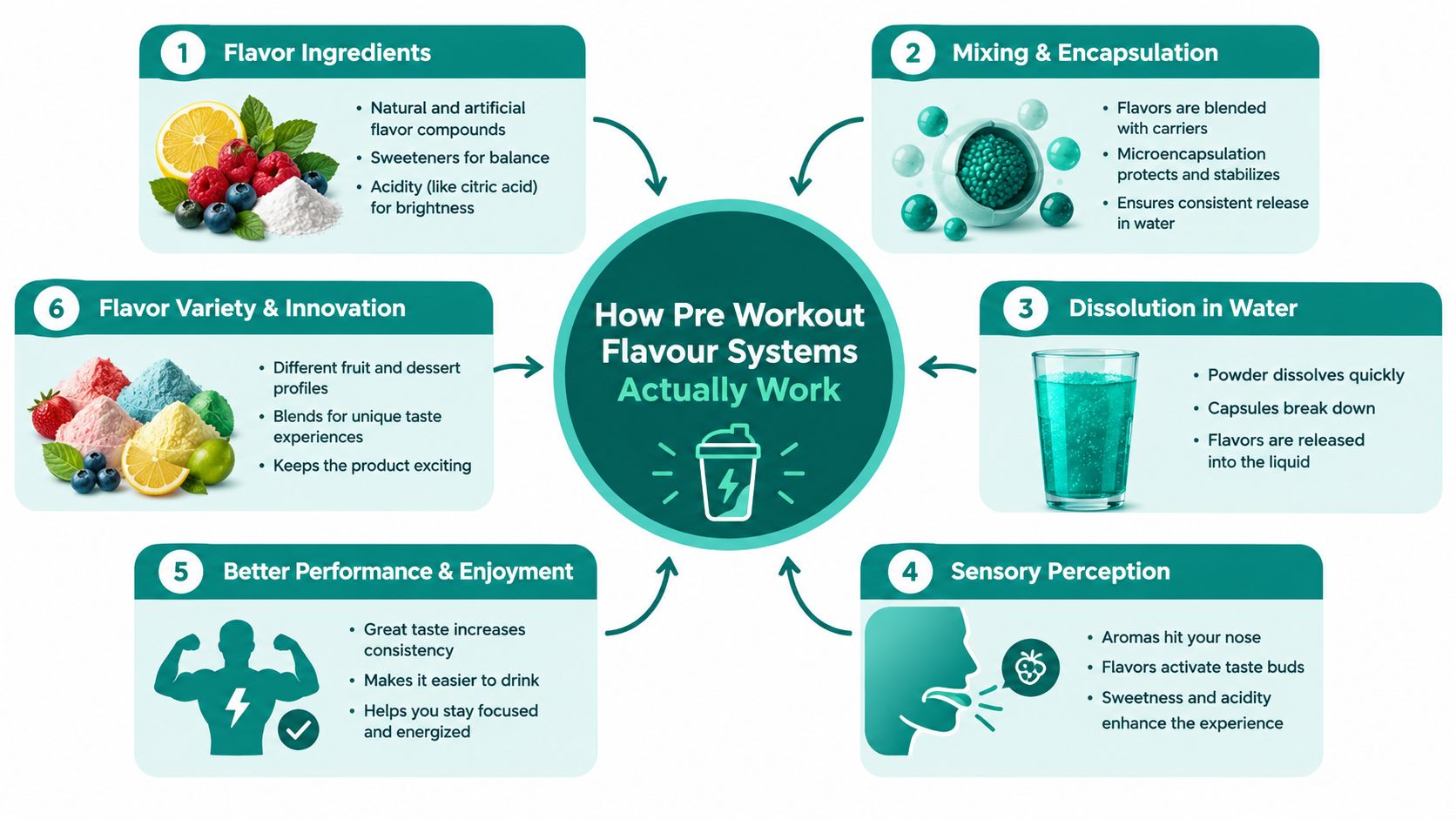
How Pre Workout Flavour Systems Actually Work
Pre-workout taste is difficult because the ingredients that give a formula its purpose can also make it unpleasant. A typical NZ-listed matrix may combine citrulline, beta-alanine, caffeine, taurine, sweeteners and flavouring acids in one serving (NZ pre-workout ingredient examples).
Start with the active ingredients. Beta-alanine can create a persistent tingling sensation, while citrulline and arginine can contribute bitterness. Caffeine often brings a dry, bitter edge, and acidic systems can make the finish feel sharper. The result isn't always a bad formula, but it gives the flavour developer a difficult set of off-notes to cover.
Why fruit flavours dominate
Fruit profiles give manufacturers several ways to balance those rough edges. Citric and malic acid can add brightness, while sweeteners such as sucralose or stevia soften bitterness and make the drink seem more complete. A berry or citrus profile can therefore hide a difficult ingredient matrix more effectively than a delicate flavour that leaves every bitter note exposed.
The balance still matters. Too much acid makes the drink aggressive, and too much sweetener creates a lingering, artificial finish. The best formulas usually have a clear first note, enough acidity to prevent flatness and a finish that doesn't coat your mouth.
You can also learn more about the choice between natural and artificial flavours in supplements, but don't assume one approach automatically tastes better. The final result depends on the complete flavour system, the active doses and how the powder dissolves.
Mixability changes the flavour
A powder that doesn't dissolve properly can taste chalky even when the flavouring is well designed. Larger performance doses may leave sediment or a heavy mouthfeel, particularly when you use too little water. That texture can make a formula seem sweeter and harsher because the powder stays on your tongue instead of dispersing through the drink.
Read the ingredient panel with the flavour panel. A transparent formula that clearly lists the active ingredients lets you predict the likely experience. Citrulline, beta-alanine, caffeine and acidulants suggest a sharper performance drink, while a non-stim pump formula may have fewer bitter stimulant notes to cover. Neither is automatically superior. They create different taste challenges.
High-Stim, Low-Stim and Non-Stim Taste Differences
High-stim formulas often taste more forceful because they have more bitterness to manage. Caffeine adds a recognisable bitter note, while an acidic fruit system may be used to push through it. That can produce a vivid sour berry or citrus drink that feels refreshing at first but aggressive when you sip it repeatedly.
A high-stim option can suit an early or demanding session if its label and your tolerance fit, but it isn't the default answer to the best tasting pre-workout in NZ. Independent NZ-oriented coverage notes that caffeine can support performance while also bringing downsides such as jitteriness, sleep disruption and a raised heart rate for some users (NZ sports-nutrition discussion of stimulant trade-offs).
Lower stimulation gives flavour more room
Low-stim products can feel smoother because the flavour system has less caffeine bitterness to hide. That doesn't mean they're always mild. Some still use strong acids and sweeteners, but dessert-style, creamy or softer fruit profiles are easier to balance when the stimulant edge is reduced.
Non-stim pump formulas offer another taste experience. Without caffeine, the manufacturer can focus on citrulline, flavour and texture rather than covering a pronounced bitter stimulant note. These products may suit late sessions or people who already get enough caffeine elsewhere, although you still need to assess the complete label and your own response.
Match the drink to the clock
A flavour you love at midday may not be the right choice for a late workout if the formula's stimulant load affects your sleep. The drink can taste excellent and still be poorly matched to your schedule. Training time should narrow the category before flavour decides the tub.
Practical rule: Choose the stimulant category first, then choose the flavour you'll happily drink within it.
That approach also prevents a common mistake, choosing the strongest-tasting product because it feels more exciting. Taste intensity and suitability aren't the same thing.
Reading Labels for Real Flavour and Real Doses
Flavour names tell you what a manufacturer wants you to imagine. The supplement facts panel tells you whether the product deserves a place in your routine. Look for familiar performance ingredients, disclosed amounts and a formula that doesn't rely on a loud flavour to distract from a thin active profile.
NZ-focused guidance commonly uses roughly 6 to 8 g of citrulline and around 3.2 g of beta-alanine as reference points for transparent performance formulations (NZ pre-workout caffeine and label discussion). These figures aren't a guarantee that a product will suit you, but they help distinguish a fully disclosed performance formula from a lightly dosed stimulant drink.
A formula example listed in the NZ market combines 200 mg of caffeine, 6 g of citrulline and 3.2 g of beta-alanine per serve (NZ product ingredient example). Those active amounts also explain why flavour masking matters. More functional ingredients can mean more bitterness, tingling or powdery texture for the flavour system to manage.
Compare the useful numbers
Local listings show why price per serve deserves attention. One example is a 30-serve product priced at NZ$39.95, while another is a 50-serve product priced at NZ$69.00 (NZ pre-workout serve and price examples). Price alone doesn't tell you which one tastes better, but it lets you compare the cost of a flavour you expect to use regularly.
| Formula type | Caffeine per serve | Serves | Price range NZD | Taste profile |
|---|---|---|---|---|
| High-stim example | 200 mg example | 30 serves | NZ$39.95 example | Sharper fruit, more bitterness to mask |
| Higher-serve example | Not stated in the example | 50 serves | NZ$69.00 example | Depends on the acid and sweetener balance |
| Low-stim | Not stated | Not stated | Not stated | Usually less caffeine bitterness |
| Non-stim pump | Caffeine-free category | Not stated | Not stated | More room for softer or cleaner flavours |
The table uses only the available NZ listing examples, not a product ranking. Treat any missing amount as a reason to inspect the current label rather than guess.
Check what the product claims
New Zealand supplements are regulated under the Dietary Supplements Regulations 1985, administered by Medsafe. Labels must include the common name or a true-nature description, a consumer information panel and the recommended daily dosage for adults (MPI information on supplemented-food labelling).
Marketing also has boundaries. NZ dietary supplement law bans therapeutic-style claims about treating, preventing, diagnosing, curing or alleviating disease or other conditions (MPI dietary supplement guidance). A trustworthy pre-workout comparison should stay focused on flavour, ingredients, serving directions and intended use.
Caffeine deserves particular care because NZ standards don't restrict the amount added to a supplemented food, and a 2019 Australia and New Zealand report identified 15 pre-workout products with one product reaching a highest average concentration of 4,253 mg per 100 g (Food Standards Australia New Zealand caffeine report). That makes a clear per-serve caffeine declaration more useful than a vague “extreme energy” label.
Practical Mixing, Tasting and Selection Tips
Start with the mixing method, not the flavour ranking. Use enough water to stop the powder becoming concentrated and syrupy, then shake thoroughly and give the drink a moment before judging it. Too little liquid magnifies bitterness, acidity and sweetener harshness, while poor shaking leaves the actives sitting at the bottom.
Cold water often makes a sweet or sour drink feel cleaner, but temperature isn't a substitute for a balanced formula. If the powder remains gritty after proper shaking, the issue may be solubility rather than flavour. Record how it tastes at the concentration you'll realistically use, not at a diluted ratio that makes the drink seem better than it will be in practice.
Test one variable at a time
A practical tasting check looks like this:
- Mix consistently: Use the same shaker, water volume and shaking routine each time.
- Taste before training: Note the first flavour, acidity, sweetness and aftertaste before exertion changes your perception.
- Check the finish: A good repeat-use drink shouldn't leave a thick sweetener coating or persistent bitterness.
- Review the session timing: A flavour isn't a good fit if the stimulant level regularly clashes with your training schedule.
- Reassess after several uses: Decide based on repeat tolerance, not the excitement of a first serving.
A half scoop can be useful when you're assessing tolerance, but it also changes the amount of every other ingredient in the formula. Follow the product directions and use the guidance in this half-scoop pre-workout explanation before treating a reduced serving as a permanent plan.
A short demonstration can help you think about preparation and texture before you compare tubs.
Use comparison tools properly
NZ Supps offers a pre-workout collection with high-stim, low-stim and non-stim choices, alongside comparison features, a stack builder and a Tested for Sport filter. Use those tools to narrow the stimulant category and certification needs first, then compare flavour, active amounts and per-serve cost instead of selecting the loudest label.
Drug-tested athletes should check the relevant batch-testing information for the exact product and container. Sport Integrity NZ makes clear that batch testing is the way to establish safety for a specific container, so a general brand reputation isn't enough (Sport Integrity NZ supplement safety advice).
Why Repeat-Use Taste Beats One-Off Sweetness
The sweetest pre-workout often wins a first sip because sweetness is immediate and easy to notice. That doesn't mean it will remain pleasant. Syrupy flavours can become tiring, while an aggressively sour drink may feel harsh once the initial novelty disappears.
Repeat-use taste is a better standard for people who train regularly. You want a formula that remains acceptable when you're tired, when your mouth is dry and when you're drinking it before the same familiar workout. Clean finish beats dramatic first impression if you're choosing one tub for an extended training block.
Score the full experience
A simple personal test can separate flavour from marketing:
- First serving: Does the opening flavour match the description?
- Later servings: Does the sweetness or acidity start to feel excessive?
- Mixing: Does the drink remain smooth with your normal water amount?
- Timing: Does the stimulant level suit the session without compromising your evening routine?
- Label confidence: Can you identify the active ingredients and their amounts?
Don't confuse a bold flavour with credible dosing. A product can taste like confectionery and still provide little useful information about its formula. Conversely, a transparent product may have more challenging flavour notes because it contains substantial amounts of ingredients that require serious masking.
The most reliable compromise is usually a drink with moderate sweetness, controlled acidity and enough flavour to cover the active ingredients without becoming syrupy. You don't need the most exciting profile. You need one that remains drinkable when the tub is no longer new.
A good pre-workout should disappear into your routine, not become the main event of it.
That principle also protects your decision from influencer rankings. A flavour ranking records someone's preference at a particular time. Your training schedule, water ratio, stimulant tolerance and repeat-use habits determine whether the product works for you.
How to Pick Your Best-Tasting Pre Workout in NZ
Start by matching the formula to your training time. Early sessions can leave room for a caffeinated option, while late sessions may favour low-stim or non-stim choices. Once that decision is made, inspect the label for transparent active amounts, sensible serving directions and a flavour system capable of covering bitterness without excessive sweetness.
Then compare the practical value. A 30-serve tub at NZ$39.95 and a 50-serve tub at NZ$69.00 have different upfront prices and serve counts, so calculate what each serving costs before deciding whether a flavour is worth trying (NZ listings with local serve and price examples). Price per serve matters more when you expect to use the product consistently.
A straightforward buying checklist
- Choose the stimulant category: High-stim, low-stim or non-stim should reflect your training schedule.
- Read the full formula: Look for disclosed citrulline, beta-alanine, caffeine and supporting ingredients.
- Assess the taste system: Acidulants and sweeteners should balance the actives, not overwhelm them.
- Check the serving value: Compare serve count, price and the amount of each key ingredient.
- Consider testing needs: Drug-tested athletes should look for independently batch-tested products and verify the exact container.
- Trial before committing: Use comparison tools, sample or return policies where available, and judge the flavour over repeated sessions.
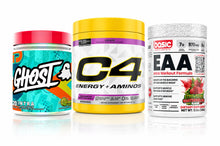
You can compare pre workouts in NZ by flavour, stimulant category and label information rather than relying on a flavour name alone. Specific options available through NZ Supps include Ghost Legend pre-workout, Cellucor C4 pre-workout and CBUM Essential pre-workout, subject to current stock and product-page details.
The best tasting pre-workout in NZ is the one with a clean enough flavour, credible dosing and stimulant level that fits your actual week. Choose for the sessions you repeat, not the first sip you remember.
NZ Supps stocks established pre-workout options across high-stim, low-stim and non-stim categories, with label details, comparison tools and Tested for Sport filters to help you narrow the choice. Visit NZ Supps and compare flavour, serving value and stimulant timing before choosing the tub you'll want to finish.