SHOP NOW, PAY LATER









 Informed Sport
 Informed Choice
 NSF Certified for Sport
 HASTA Certified

For most lifters worried about allergies and gut comfort, pea protein is the safer daily pick. For anyone chasing the strongest population-level heart-health evidence, soy wins outright, backed by an actual FDA-recognized health claim. For building muscle, the two are close enough that training volume and total daily protein matter more than which bag you scoop from.
Here’s the evidence behind that verdict:
- Protein quality: soy protein isolate scores at or near the top of the PDCAAS and DIAAS scales, while pea protein concentrate scores lower on paper but performs well in real-world resistance-training trials.
- Heart health: the FDA permits a heart-health claim on soy protein tied to roughly 25 grams of soy protein per day, a claim no plant protein isolate, including pea, currently carries.
If you have a diagnosed soy allergy or a touchy gut, choose pea. If cholesterol management is your priority and soy sits fine with you, choose soy. If you want the most complete amino-acid coverage without thinking about it, a pea-rice or pea-soy blend solves both proteins’ weak spots at once.
Key Takeaways
Pea protein is the safer default for allergy and digestive sensitivity, soy carries the strongest heart-health evidence and the most complete amino acid profile, and total daily protein intake matters more than the source for muscle growth in either case.
| Point | Details |
|---|---|
| Allergy and gut sensitivity | Choose pea protein since soy sits on the FDA’s major allergen list and can trigger reactions in sensitive individuals. |
| Heart health priority | Choose soy protein and target roughly 25 grams daily to align with the FDA-recognized cholesterol claim. |
| Muscle building | Pea and soy perform comparably to whey in matched trials, so training volume and total protein intake matter more than source. |
| Amino acid completeness | Soy is naturally complete; pea needs pairing with rice or hemp protein to cover its methionine gap. |
| Ready-to-buy option | Nzsupps stocks isolate and beef protein options with full label transparency for readers comparing plant and animal choices. |
Table of Contents
- Pea Vs Soy Protein: How Each Powder Is Made
- Nutrition Comparison: Protein, Amino Acids, and Digestibility
- Does Pea or Soy Protein Build Muscle Better?
- Is Soy Protein Safe? Cholesterol, Hormones, and Allergies Explained
- How to Choose Between Pea and Soy Protein
- What the Strongest Research Actually Shows
- How Nzsupps Evaluates Plant Protein Products
- Where to Buy a Quality Protein Powder
- Sources
Pea Vs Soy Protein: How Each Powder Is Made
The manufacturing process explains almost everything about why these two powders taste, mix, and digest differently, and it’s worth understanding before you compare a single gram of protein.
Soy starts as whole soybeans, which get dehulled and defatted, usually with a solvent, to produce soy flour. Pea protein starts differently: yellow split peas get milled into flour, then the protein is separated out using a wet extraction process that dissolves it in water, spins out the starch and fiber, then dries the remaining protein into a powder. Neither process involves heavy heat treatment the way whey processing sometimes does, which helps both plant powders retain more of their native amino acid structure.
- Concentrate vs isolate matters on the label. Isolate means more protein per scoop and less residual fat, carbs, or fiber. Concentrate means a slightly lower protein percentage but sometimes more of the plant’s original fiber and phytonutrients intact.
- Isoflavones survive processing to varying degrees. Soy isolate generally has fewer isoflavones per gram than whole soy foods like tempeh or edamame, since processing removes some along with the fat and fiber.
- Pea protein has no equivalent “hormonal” compound to strip out, which is part of why it draws less scrutiny in that specific conversation.
- Both can carry allergen cross-contamination risk if manufactured on shared equipment, something the industry has flagged as a real quality-control gap for supplement users with sensitivities.
Pro Tip: Flip the tub around before you buy. If “isolate” isn’t in the first ingredient line, you’re likely getting a cheaper concentrate blend with more filler carbs per scoop. Also scan for “may contain” allergen statements. A soy-free pea powder made on shared lines with soy still carries trace risk for a true soy allergy.
Nutrition Comparison: Protein, Amino Acids, and Digestibility
A typical 30-gram scoop of either powder delivers 20 to 24 grams of usable protein, but the amino acid math underneath tells the real story.
Soy is one of the few plant proteins classified as “complete,” meaning it supplies all nine essential amino acids in ratios close to what the body needs, which is why it consistently outscores pea protein on PDCAAS and DIAAS, the two standard metrics for protein digestibility and amino acid adequacy. Pea protein is technically incomplete, running low on methionine, but the gap is modest and easily closed by literally anything else in a normal day’s eating: a slice of bread, an egg, a handful of rice. Digestibility research using amino acid absorption data backs this up: neither powder is a bottleneck if your overall diet isn’t threadbare.
Leucine deserves its own callout, since it’s the amino acid that actually triggers muscle protein synthesis at the cellular level. Most researchers put the threshold for a strong MPS response around 2 to 3 grams of leucine per meal. A single 30-gram scoop of either pea or soy isolate lands just under or right at that mark, meaning a full scoop, not half, is usually the meaningful dose.
One caution worth repeating: these numbers shift by brand. A concentrate-based pea powder can carry noticeably less protein and more carbs per scoop than an isolate, so check the actual Nutrition Facts panel rather than assuming every “pea protein” tub on a shelf is nutritionally identical.
Does Pea or Soy Protein Build Muscle Better?
At matched doses and matched training volume, pea and soy protein both support muscle growth at rates close to whey, and the differences between them are smaller than most marketing suggests.
A well-cited resistance-training trial found that pea protein performed comparably to whey for increases in muscle thickness over a 12-week training block, when both groups trained identically and consumed similar total daily protein. That result surprised a lot of people who assumed whey’s superior amino acid profile would translate into a clear hypertrophy advantage. It didn’t, at least not at the doses and training intensities tested.
- Pea vs whey, 12-week resistance training: comparable gains in muscle thickness when protein intake and training load were matched.
- Soy vs whey, multiple shorter trials: similar acute muscle protein synthesis response per gram of protein, with soy’s complete amino acid profile helping close most of the gap researchers expected to see against animal protein.
- Practical takeaway across both bodies of research: total daily protein and progressive overload in training explain far more of the outcome than the specific protein source.
The insight worth internalizing here is that “best protein for muscle” framing often overstates what a single source can do. When researchers control for total protein intake and training stimulus, pea and soy converge on similar outcomes. Neither wins by a wide margin.
For dosing, aim for 1.6 to 2.2 grams of protein per kilogram of body weight daily if you’re training seriously, split across three to four meals to hit that 2 to 3 gram leucine target repeatedly through the day. Timing around the workout matters less than total daily intake, though a scoop within a couple hours of training is a reasonable habit. For a deeper breakdown of daily protein targets by goal, it’s worth mapping your intake against your specific training load rather than a generic number. Athletes and coaches focused on structured programming often lean on more detailed protein dosing guidance for resistance training to fine-tune per-meal targets.
Is Soy Protein Safe? Cholesterol, Hormones, and Allergies Explained
Does soy protein help cholesterol? Yes, under specific conditions. Does soy mess with hormones? For the vast majority of people, no. Is pea protein easier to digest? Generally, yes, and it’s the safer default for anyone with a soy allergy.
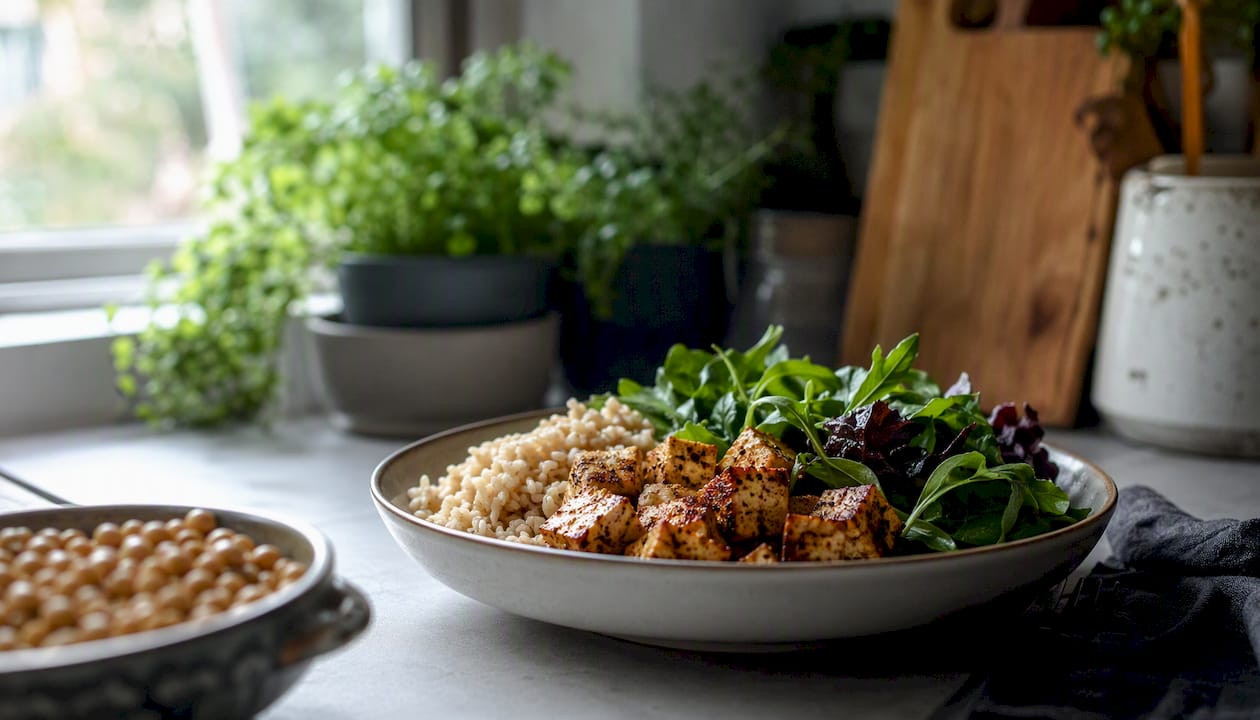
On cholesterol, the evidence is genuinely strong. A 1995 meta-analysis found that replacing animal protein with a substantial daily amount of soy protein produced a significant reduction in LDL cholesterol. That finding, refined by later research, is why the FDA allows food and supplement labels to state that 25 grams of soy protein per day, as part of a diet low in saturated fat, may reduce heart disease risk. No pea protein product carries an equivalent claim, because the research base simply doesn’t exist for pea the way it does for soy.
On hormones, the isoflavone worry is mostly a holdover from early rodent studies that don’t translate cleanly to humans. Isoflavones are phytoestrogens, plant compounds that weakly bind estrogen receptors, and decades of population research on men and women who eat soy regularly show neutral or beneficial effects on hormone-sensitive outcomes, not the feminizing effect that circulated in gym folklore for years. Men eating typical dietary amounts of soy, including several servings a day, don’t show meaningful drops in testosterone in controlled studies. The distinction that matters more: whole soy foods like tempeh and edamame carry a stronger long-term observational track record than isolated soy protein powder, which has had less of its isoflavone content processed out but also less direct long-term study specifically on the powder form.
On allergies, soy sits on the FDA’s list of major food allergens, alongside peanuts, tree nuts, and shellfish, and reactions range from mild digestive upset to genuine anaphylaxis in sensitized individuals. Pea protein doesn’t carry that classification, which is why it’s frequently recommended for people managing food sensitivities or building a lower-allergen supplement stack. That said, pea protein isn’t allergen-free in absolute terms. Legume cross-reactivity exists for some people who react to peanuts or lentils, so a known legume allergy warrants caution regardless of which specific pea product you’re eyeing.
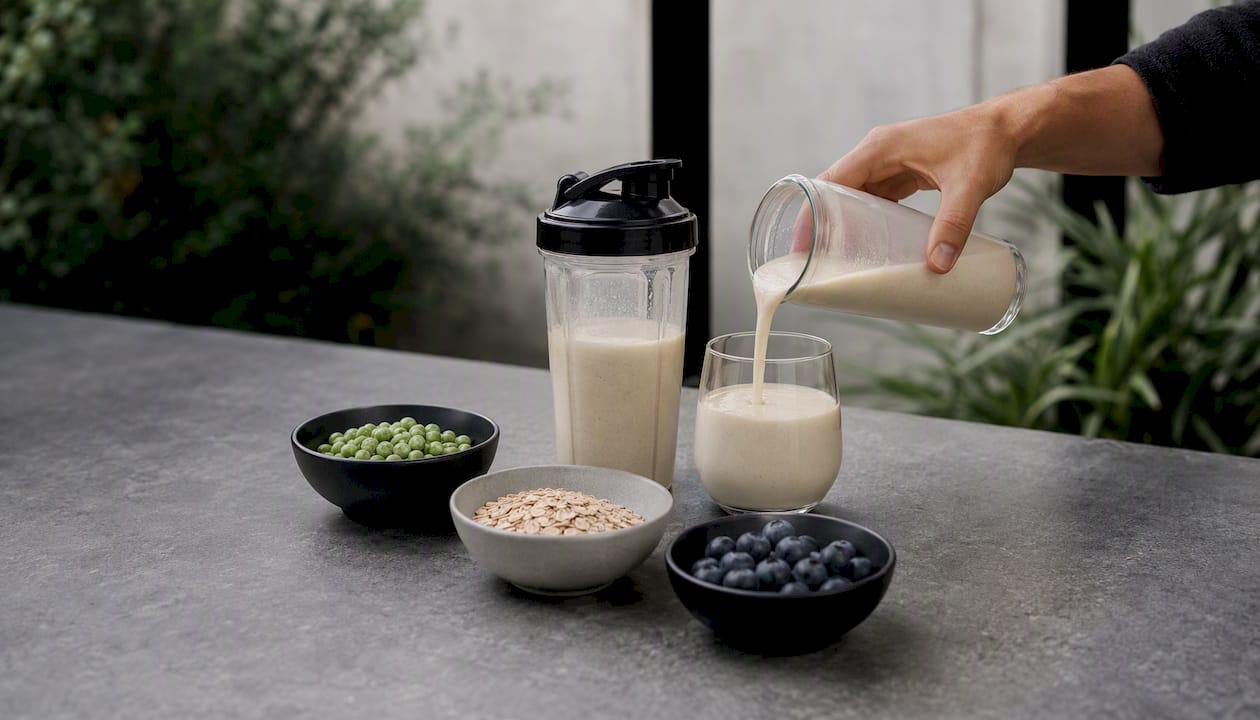
Pro Tip: If you’ve got a sensitive gut, skip flavored blends loaded with sugar alcohols and look for an enzyme-treated or unflavored isolate instead. Sweeteners like sorbitol and maltitol are frequent culprits behind the bloating people blame on the protein itself, and an unflavored, minimally processed option removes that variable entirely.
How to Choose Between Pea and Soy Protein
Run through these questions before you buy, because your answer to the first one usually settles the whole decision.
- Do you have a diagnosed soy allergy or soy sensitivity? Choose pea protein. This isn’t close.
- Are you specifically targeting cholesterol reduction as a health goal? Choose soy protein and aim for that 25-gram daily benchmark the FDA claim is built around.
- Do you want a complete amino acid profile without tracking methionine or lysine separately? Soy gets you there in one ingredient; pea requires pairing with rice, hemp, or a varied diet.
- Is digestive comfort your main complaint with plant proteins? Pea protein tends to sit easier for people who report bloating on soy, though individual tolerance varies.
- Is taste and mixability a dealbreaker? Pea protein has historically had a grittier, earthier profile than soy, though newer processing has narrowed that gap considerably; testing a small size before committing to a large tub is smart either way. For a fun flavour option, Macro Mike x Kellogg's plant protein uses almond and faba bean protein.
For quick reference, here’s how the common profiles shake out:
- Vegan athlete chasing muscle: either works; prioritize total daily protein and training consistency over source.
- Allergic or soy-sensitive: pea protein, full stop.
- Heart-health focused: soy protein, hitting the 25-gram daily target.
- Budget shopper: compare cost per gram of actual protein, not tub size. Concentrates often look cheaper but deliver less protein per scoop.
When comparing labels side by side, check: protein grams per scoop, leucine content if listed, isolate versus concentrate wording, added carbs or fiber, and the sweetener list. A scoop-to-gram conversion reference makes this comparison much faster when brands use different scoop sizes.
Pro Tip: If you want the amino acid completeness of soy without the soy itself, blend pea protein with rice protein at roughly a 2-to-1 or 1-to-1 ratio. Rice protein is naturally higher in methionine, pea’s limiting amino acid, and pea is higher in lysine, rice’s limiting amino acid. Together they approximate a complete profile without any tracking required. Pea plus hemp works similarly, though hemp brings a lower overall protein percentage per scoop.
What the Strongest Research Actually Shows
Strip away the marketing and the trend line is consistent: soy protein has the deepest, longest-running evidence base of any plant protein, largely because of its cardiovascular research history, while pea protein’s evidence base is newer but increasingly solid on the muscle-building side specifically.
| Study/Review | Focus | Key Finding |
|---|---|---|
| 1995 meta-analysis (soy protein) | Cholesterol | 12.9% LDL reduction with ~50 g/day soy protein replacing animal protein |
| FDA soy health claim review | Heart health | Recognized claim tied to 25 g/day soy protein intake |
| Pea vs whey resistance training trial | Muscle/hypertrophy | Comparable muscle thickness gains over 12 weeks at matched protein and training |
| Frontiers in Nutrition protein quality review | Digestibility | Soy isolate scores higher on PDCAAS/DIAAS; pea performs well on real-world outcomes |
The Harvard Nutrition Source review makes a point worth sitting with: soy’s isoflavone reputation has outpaced the actual clinical picture for years, and the population data on regular soy consumers doesn’t support the alarm that circulated in fitness culture through the 2000s and 2010s.
The honest limitation across this entire body of research is heterogeneity. Trials differ in dose, training protocol, participant age, and whether they’re testing whole foods versus isolated powders, which makes clean apples-to-apples comparisons harder than headlines suggest. Whole soy foods and soy protein isolate aren’t nutritionally interchangeable, despite sharing a name, and most muscle-building trials on pea protein remain smaller in scale than the equivalent whey literature. More head-to-head, long-duration trials comparing pea and soy directly, rather than each against whey separately, would settle several open questions.
How Nzsupps Evaluates Plant Protein Products
Nzsupps looks at ingredient transparency first: a plant protein label should tell you plainly whether you’re getting an isolate or a concentrate, list the actual protein grams per scoop rather than a rounded marketing number, and disclose allergen cross-contamination risk honestly rather than burying it.
Beyond transparency, a few practical features separate a genuinely useful plant protein from a filler-heavy one:
- Protein percentage that matches the label claim, not inflated by nitrogen-based testing quirks common in cheaper plant powders.
- Minimal added fillers or gums, since plant proteins already tend to be grittier than whey and don’t need extra thickening agents stacked on top.
- Leucine content disclosed or reasonably inferable from the amino acid profile, not hidden behind a vague “proprietary blend.”
- Clear allergen labeling, including cross-contamination disclosures for shared manufacturing lines.
- Third-party testing where available, particularly relevant for competitive athletes subject to banned-substance screening.
As an online retailer, Nzsupps curates its supplement range around these standards rather than manufacturing products in-house, which means every listing on the site discloses full ingredients so you can check a product against your own criteria before buying.
Where to Buy a Quality Protein Powder
If you’ve read this far and want a straightforward next step rather than more comparison shopping, Nzsupps carries protein options built around the same transparency standards covered above.
For lifters who want a clean, high-protein option without the plant-protein learning curve, the Basic Supplements Isolate in Chocolate delivers a full 2.27kg tub across 72 serves, with straightforward labeling on protein content per scoop, the same standard we’d want to see on any pea or soy product you’re evaluating. It’s a practical pick for anyone prioritizing protein density and mixability over experimenting with plant blends. If you’re specifically avoiding dairy and want a non-plant alternative to compare against pea or soy, Nzsupps also stocks beef isolate options that sidestep both soy and lactose concerns entirely.
Every product listing on the site includes full ingredient disclosure, so you can check leucine content, sweetener choices, and allergen statements before adding anything to your cart. Head to the Nzsupps product range to compare options against the checklist covered above and find the one that matches your specific goal, whether that’s muscle, heart health, or a sensitive gut.
Compare the plant protein range, then check the label for the flavour you choose.
Sources
- PMC6662348
- Soy: MedlinePlus Medical Encyclopedia
- Straight Talk About Soy • The Nutrition Source
- PMC6160175
FAQ
Is pea protein better than soy for building muscle? Neither has a clear muscle-building edge over the other. Matched-dose trials show comparable hypertrophy outcomes for both, close to whey, when total daily protein and training volume are controlled.
Does soy protein really lower cholesterol? Yes, under specific conditions. Research supporting the FDA’s heart-health claim links roughly 25 to 50 grams of soy protein daily, replacing animal protein, to meaningful LDL reductions.
Will soy protein affect testosterone or hormones? For most people consuming typical dietary amounts, no. Population and clinical research generally shows neutral or beneficial hormonal effects, despite persistent gym folklore suggesting otherwise.
Is pea protein hypoallergenic? It’s not classified as a major allergen the way soy is, making it a common choice for allergy-conscious buyers, but legume cross-reactivity is possible for people allergic to peanuts or lentils.
Should I mix pea and soy protein together? You can, though pairing pea with rice or hemp protein is more common since it directly complements pea’s limiting amino acid without introducing a second allergen category into your stack.
This is general nutrition information, not individualized medical advice. Anyone managing a diagnosed allergy, heart condition, or hormonal disorder should confirm supplement choices with a doctor or registered dietitian familiar with their history.
This article is general information, not a substitute for advice from a qualified doctor. Consult a qualified healthcare professional about your own circumstances before acting on anything here.
Recommended
- Creatine vs Protein Powder: Which First? NZSupps
- Best Vegan Protein Powder NZ: What to Look For, NZSupps
- Protein Water vs Protein Powder: Which Is Better? NZSupps
- Protein Bars vs Shakes: Which Is Better Value? NZSupps
Take the pea and soy comparison into your next shop by browsing protein powder NZ. Check the protein source and allergen information on each product page, then choose the format and flavour that suit you.