SHOP NOW, PAY LATER









 Informed Sport
 Informed Choice
 NSF Certified for Sport
 HASTA Certified

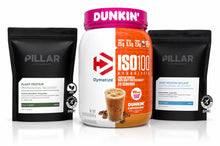
The best protein powder for weight loss in NZ is a lean one you enjoy enough to use daily: usually a whey isolate mixed with water, or a light plant protein if dairy is out. No powder burns fat. What protein does on a diet is protect your muscle, blunt your hunger and cost you fewer calories per 25g serve than almost any food source, and the difference between tubs is mostly how many extra calories hitch a ride with each scoop.
Search results for this topic are full of powders sold as fat-loss products at fat-loss prices. Save the money. The mechanism is simple: on a calorie deficit, higher protein keeps you fuller and tells your body to burn fat rather than muscle. Any lean protein delivers that. The premium "diet blend" mostly delivers marketing.
Here is how to pick the right tub for a cut, and which stocked options fit.
What matters in a weight-loss protein
| Check | Why it matters on a cut |
|---|---|
| Protein per 100 calories | The real metric: you want maximum protein for minimum calorie spend |
| Isolate vs concentrate | Isolates carry less fat and carbohydrate around each protein gram |
| Flavour you can stand in water | Milk adds ~150 calories a glass; water keeps the serve lean |
| Serve honesty | Some scoops are 30g, some are 46g; compare per serve, not per scoop vibe |
| Price per serve | Cuts run for months; a $1 per-serve difference is $90 a quarter |
A typical whey isolate delivers around 25g of protein in a 110 to 120 calorie serve mixed with water, which is a ratio no chicken sandwich can match. The isolate vs concentrate guide explains why the extra filtration matters more on a cut than at any other time.
Why protein earns its place on a diet
Three reasons, all boring and all real. Protein protects lean mass while calories drop, which is the difference between looking lean and looking deflated; the cutting explainer covers the mechanism. Protein is the most filling macronutrient per calorie, which makes the deficit less miserable. And a shake gives you portion-perfect protein for around $2.36 to $3.30 a serve at current prices, with zero cooking when willpower is thin.
Aim high while cutting: about 1.8 to 2.2g per kilogram of body weight daily. The daily protein guide runs the worked examples, including the female-specific numbers this search often comes from. For a 65kg woman, that is roughly 117 to 143g a day, which is meals plus one to two shakes.
The picks by situation
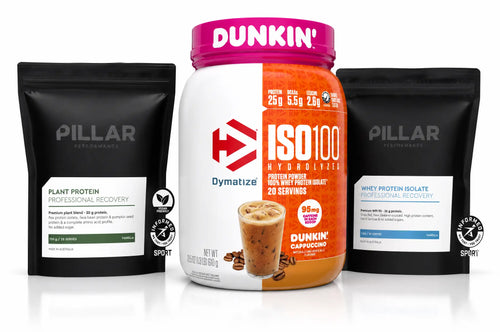
- Default cut: a whey isolate from the whey range, mixed with water. Leanest calories per 25g, mixes thin, no dessert heaviness.
- Budget cut: a standard whey concentrate still works fine; the calorie difference per serve is modest. Spend the savings on food you actually chew. The whey value guide ranks per-serve costs.
- Dairy-free or vegan cut: a light plant protein; check protein per serve clears about 20g. The vegan guide covers the label checks.
- Hate creamy shakes: a juice-style clear whey, covered in the clear whey explainer, feels like cordial and skips the milkshake fatigue that kills diet adherence.
- Bars instead of shakes: fine as a snack swap, pricier per gram; the bars vs shakes maths keeps it honest.
The traps that waste your deficit
Milk by default. Two milk shakes a day quietly add about 300 calories, which is most of a small deficit. Water for daily shakes, milk when the calories are planned.
"Weight loss" blends with added burners. You pay thermogenic prices for a sprinkle of green tea extract on ordinary protein. If you want caffeine, buy it where it is measured and honest; the fat burner caffeine guide covers that category with the scepticism it deserves. The same goes for carnitine, so here is the evidence on L-carnitine.
Double-scooping a dessert flavour because one scoop tastes like half a treat. The flavour strategy in the taste guide exists for exactly this failure mode: pick flavours you like, not flavours you binge.
Cutting starts Monday? Pick an isolate from the whey range or a light option from the plant range, commit to water as the default mixer, and set your daily protein target from the guide. The powder's job is to make the deficit survivable; the deficit does the rest.
Which protein powder is best for losing belly fat?
None target belly fat, because no food can direct where fat loss happens. A calorie deficit plus high daily protein reduces fat overall, and where it leaves first is genetics. Any lean protein supports that process equally well.
Is whey or plant protein better for weight loss?
Calorie for calorie they perform the same job. Whey isolates are typically leaner per 25g serve; well-built plant blends run close. Pick by dietary needs and which one you will drink daily, because adherence beats a 15-calorie difference.
Should you drink protein shakes on rest days while cutting?
Yes, if they help you hit your daily protein target. The target is daily, not training-days-only. A rest-day shake replaces a snack; it does not need a workout to justify it.
Are meal replacement shakes better than protein powder for weight loss?
They are different tools. Meal replacements add carbs, fats and micronutrients at a higher price; protein powder adds protein and lets food do the rest. Most people cutting do better with real meals plus a protein top-up.
Sources and health note
- ISSN position stand: protein and exercise
- Systematic review: higher-protein diets and appetite, weight management
This is general information, not a personalised weight-loss plan or medical advice. Anyone with an eating-disorder history, a medical condition, or pregnancy should get individual clinical guidance before dieting. Prices referenced were checked 6 August 2026.
Use the label comparisons in this guide when browsing protein powder NZ. Check the serving size and nutrition panel for your chosen flavour, and account for anything you add when you make the shake.