SHOP NOW, PAY LATER









 Informed Sport
 Informed Choice
 NSF Certified for Sport
 HASTA Certified

Quick answer
The best protein powder for lactose intolerance is usually either a clearly labelled low-lactose whey isolate or a dairy-free plant protein. Choose isolate if you tolerate small amounts of lactose and still want whey. Choose plant protein if even low-lactose dairy causes symptoms, you want to avoid milk ingredients, or a clinician has told you to do so.
Do not stop at the word "isolate." Extra filtration usually removes more lactose than you get in whey concentrate, but that does not make every isolate lactose-free. Flavours, added milk ingredients, and manufacturing differences can change the finished product, the chocolate version of a tub can carry milk solids its vanilla twin does not. Read the current label on the exact flavour and size you plan to buy.
Pick by how much lactose you tolerate. Prices are per 25 g of protein, using the in-stock tub with the most protein per dollar on 24 September 2026.
Some lactose is fine: whey isolate
- Basic Supplements Isolate: 26 g protein a serve, $3.04 per 25 g in the 2.27 kg tub
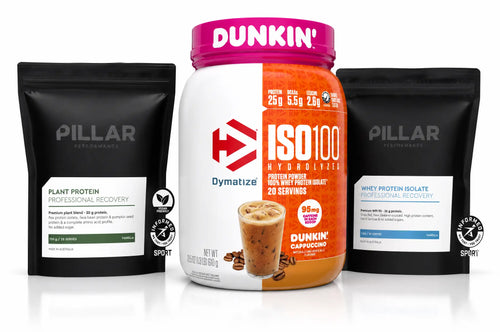
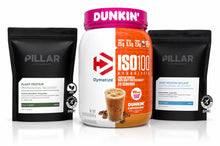
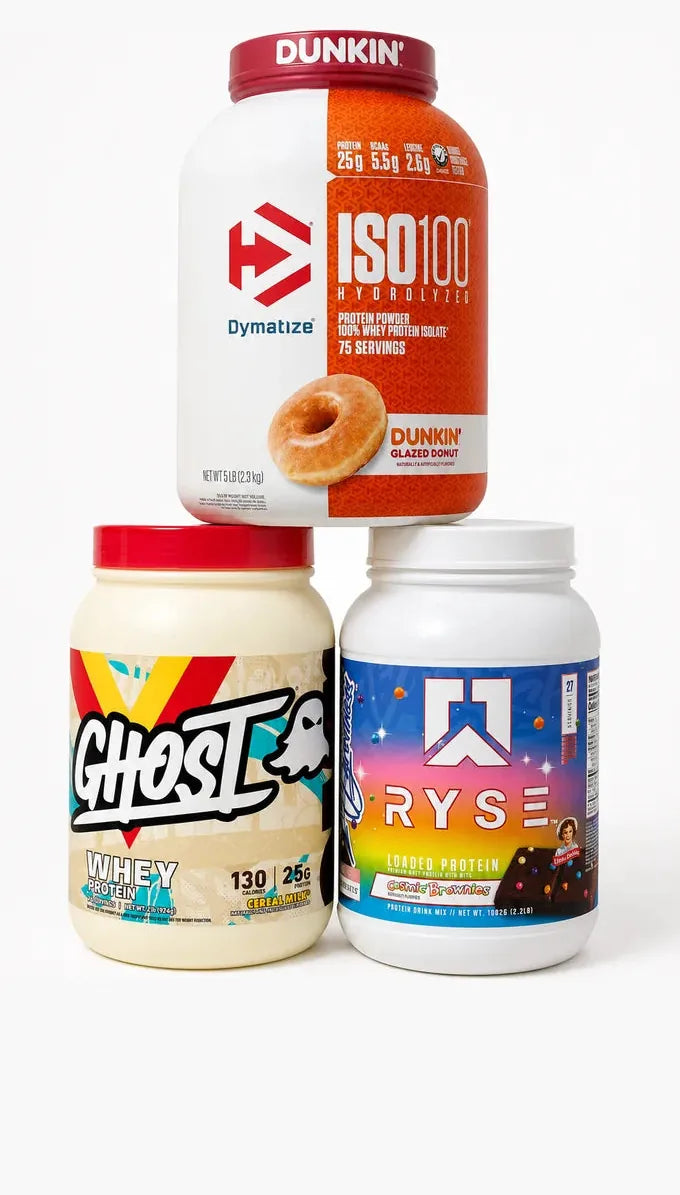
- Dymatize Iso 100: 25 g protein a serve, $3.58 per 25 g in the 2.27 kg tub
- Lower in lactose, not lactose-free
Juice-style drink: clear whey, still milk
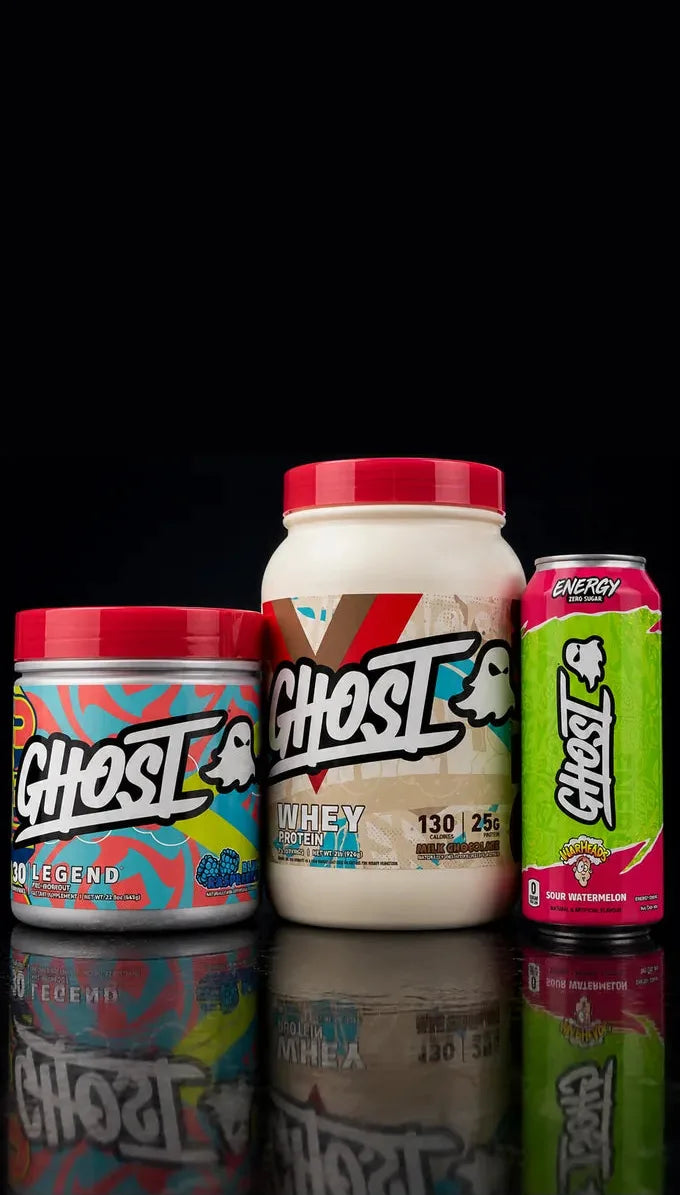
- Ghost Clear Whey Isolate: 25 g protein and 1 g carbohydrate a serve on the label
- Still milk protein, so not for a milk allergy
No milk protein: beef isolate or plant
- Basic Supplements Beef Isolate: 27 g protein a serve, $2.11 per 25 g in the 1.81 kg tub
- Ghost Vegan Protein: 20 g protein a serve, $3.66 per 25 g in the 896 g tub
- Check plant labels for added milk and cross-contact
Choosing protein powder for lactose intolerance starts with the diagnosis
Lactose intolerance is a digestive problem. Your small intestine does not make enough lactase to digest lactose, the sugar in milk. Symptoms can include bloating, wind, stomach pain, nausea, and diarrhoea. People tolerate different amounts, and many can handle some lactose without symptoms.
A cow's-milk allergy is an immune reaction to milk protein. Whey itself is a milk protein, so a lower-lactose whey powder is not a safe workaround for a milk allergy. Allergy symptoms can involve the skin, breathing, gut, or circulation and may be serious. If you have swelling, hives, wheezing, trouble breathing, or a diagnosed milk allergy, avoid whey and follow your medical plan.
| Protein type | Lactose position | Best fit | Watch for |
|---|---|---|---|
| Whey concentrate | Usually retains more lactose | People who tolerate dairy well and value a lower price | May be rough for lactose-sensitive users |
| Whey isolate | Usually much lower in lactose | People who tolerate small amounts and want whey | Not automatically lactose-free |
| Clear whey | Usually based on whey isolate | People who prefer a lighter drink and tolerate milk protein | Still contains milk unless the label says otherwise |
| Plant protein | No lactose when made without dairy ingredients | People avoiding dairy or following a vegan diet | Check allergens, shared equipment, texture, and amino-acid blend |
Whey isolate is the first option for mild lactose intolerance
Whey isolate goes through more filtration than concentrate. That removes more of the natural lactose, fat, and carbohydrate around the protein. It is why an isolate often sits better for someone who finds a concentrate-heavy shake uncomfortable. Hydrolysed whey goes one step further, and our hydrolysed whey guide covers whether that extra step is worth paying for.
The important word is "lower," not "zero." A protein powder for lactose intolerance needs a clearer label than "low sugar" or "low carbohydrate" because those numbers are not identical to a lactose test. Some brands state a measured lactose amount or make a lactose-free claim. If the label does not state lactose content, contact the manufacturer before assuming.
Total sugars per serve on the label
One flavour per product, the flavour linked, NZ Supps whey range in stock, 24 September 2026. Lactose is a milk sugar, so it sits inside total sugars, and none of these panels list lactose on its own. Values printed as less than 1 g are counted as 1 g.
Blue rows are isolates. Four blends list 1 g too, so a low figure is a hint, not a lactose test. Ghost Clear Whey Isolate's panel does not list sugars, so it has no bar.
If whey is your preferred protein powder for lactose intolerance, the current whey protein collection includes isolates, blends, and concentrates, so use the ingredient list rather than treating the whole page as one type. Look for whey protein isolate near the start of the ingredients and check whether concentrate, milk powder, skim milk, or other dairy ingredients have also been added. If a label also says grass-fed, this guide explains what grass-fed NZ whey means.
The isolate versus concentrate guide explains the filtration difference in plain English. It also shows why an isolate normally costs more even when protein per scoop looks similar.
Clear whey can be lower in lactose, but it is still whey
Clear whey usually starts with whey isolate and mixes into a juice-style drink rather than a creamy shake. The lighter texture can feel easier, and the formula may carry little carbohydrate or sugar. None of that makes it dairy-free.
If the ingredients say whey protein isolate, the product contains milk protein. Someone with lactose intolerance may tolerate it, depending on the residual lactose and serving size. Someone with a milk allergy should not use it unless their allergy clinician has specifically said otherwise.
Do not use taste as a safety test. A clear drink can still contain milk-derived ingredients, and a creamy plant shake can be completely dairy-free. The allergen statement settles the question better than the texture.
The lowest-lactose isolates and clear wheys we actually stock
Here is the short list from the current range, so you are not scrolling 58 in-stock whey products looking for the word isolate. Every one of these is still made from milk unless the row says otherwise, so it is a lower-lactose option rather than a lactose-free one.
None of these brands print a lactose figure in grams per serve on the pack we hold, so the last column repeats the wording on each product page rather than a guessed number. If a measured figure matters to you, ask the brand before you order.
| Product | Protein source | Protein | Per 25 g protein | What the label says |
|---|---|---|---|---|
| Basic Supplements Isolate | Whey isolate, milk | 26 g | $3.04 (2.27 kg) | Low fat, sugar and lactose |
| Dymatize Iso 100 | Whey isolate, milk | 25 g | $3.58 (2.27 kg) | Isolate, no lactose figure printed |
| Pillar Performance Whey Protein Isolate, batch tested | Whey isolate, milk | 26.4 g | $4.19 (990 g) | Isolate, no lactose figure printed |
| Ghost Clear Whey Isolate | Clear whey isolate, milk | 25 g | $5.00 (640 g) | Isolate, no lactose figure printed |
| Basic Supplements Beef Isolate | Beef protein isolate, not dairy | 27 g | $2.11 (1.81 kg) | No milk source |
| Ghost Vegan Protein | Plant protein | 20 g | $3.66 (896 g) | Labelled vegan |
| Pillar Performance Vegan Protein Isolate, in our tested for sport range | Plant protein isolate | 20.5 g | $4.63 (750 g) | Labelled vegan |
The Dymatize Iso 100 line is worth a longer look on the collection page, with 650g and 726g tubs as well as the 2.27kg tubs in the table. Browse them through the Dymatize isolate collection and the whey protein collection, then read the panel on the flavour you want.
The beef isolate row is the interesting outlier. Beef protein isolate is not made from milk at all, so lactose is not part of the conversation, and the flavours are juice-style rather than creamy. If dairy is the problem but you do not want a plant blend, that is a genuine third route.
Plant protein is the cleanest route away from lactose
A protein made from pea, rice, soy, fava bean, hemp, or another plant source does not naturally contain lactose. That makes a genuinely dairy-free plant powder the straightforward option when you do not want to test your tolerance with whey.
Check two things. First, make sure no milk ingredient has been added to the formula or flavour. Second, read the allergen and facility statement if cross-contact matters to you. "Vegan" and "dairy-free" are useful label claims, but the full ingredient and allergen panels still deserve a look.
Plant powders differ in texture and amino-acid profile. A soy isolate can provide a complete protein on its own. Pea and rice are often paired to produce a more balanced blend. The best choice is one that fits your dietary needs, supplies a useful protein serve, and tastes good enough that you will finish the tub.
One label to read carefully in this part of the range: Nexus Super Protein is collagen peptides, not whey and not a plant blend, so it belongs in a bucket of its own when you are comparing protein sources.
Browse the live plant protein range if avoiding dairy ingredients is the priority. If you need help comparing every protein route rather than one category, the protein comparison hub is the broader starting point.
Mixing with water helps, but it does not remove lactose from the powder
If you mix whey with cow's milk, you add the milk's lactose to whatever remains in the powder. Water adds none. A plant drink may be another option, but check that label too because formulations vary.
Switching from milk to water may be enough for someone whose symptoms came from the combined lactose load. It does not turn a whey concentrate into isolate, and it does not make whey safe for a milk allergy. Work out what is in both parts of the shake.
Serving size matters as well. Someone may tolerate one lower-lactose serve but get symptoms from two scoops. NIDDK guidance notes that many people can handle some lactose and that tolerance varies. Start with the labelled serve rather than doubling it on day one.
Use this label checklist before you buy
- Read the protein source. Is it concentrate, isolate, a blend, clear whey isolate, or plant protein?
- Look for an explicit lactose amount or lactose-free claim. Do not substitute "low sugar" for this.
- Check every milk-derived ingredient and the allergen statement.
- Check the exact flavour. Ingredients can change between flavours in the same range.
- Review serving size and protein per serve. A tolerance test should use the labelled serve, not a heaped double scoop.
- Decide what you will mix it with. Cow's milk adds lactose even when the powder is low in it.
Labels and formulations change. Recheck the tub when you reorder, especially if the packaging or flavour name has changed. The protein scoop guide also explains why scoop weight and protein grams are not the same number.
What to do if every shake causes symptoms
Stop trying to solve persistent gut symptoms by buying stronger-flavoured tubs. Lactose intolerance is one possibility, but coeliac disease, irritable bowel syndrome, milk-protein reactions, sweeteners, gums, or another ingredient can produce overlapping symptoms. A doctor or registered dietitian can help identify the cause.
Keep the packaging and note the exact product, flavour, serving size, mixer, timing, and symptoms. That is more useful than saying "protein does not agree with me." Seek prompt medical help for breathing trouble, swelling, faintness, or another possible allergic reaction.
Pick the route that matches your actual tolerance. The right protein powder for lactose intolerance may be a lower-lactose option in the whey range, or you can remove milk ingredients from the decision and shop the plant protein range. Orders over $70 ship free anywhere in New Zealand, so it is worth checking the exact label again before checkout.
FAQ
What protein powder is best for lactose intolerance?
A clearly labelled low-lactose whey isolate is a practical first choice if you tolerate small amounts of dairy. A dairy-free plant protein is the safer route if low-lactose whey still causes symptoms or you want to avoid milk ingredients completely. Individual tolerance varies.
Is whey isolate lactose-free?
Not automatically. Isolate is filtered more than concentrate and normally contains less lactose, but the finished amount varies by product and flavour. Look for a specific lactose-free claim or measured lactose information from the manufacturer.
Can someone with a milk allergy use whey isolate?
Whey isolate is still milk protein, so lower lactose does not make it suitable for a cow's-milk allergy. Follow the allergen label and the plan given by your doctor or allergy specialist. Plant protein must also be checked for milk ingredients and cross-contact warnings.
Is clear whey suitable for lactose intolerance?
Clear whey is usually made from whey isolate and may be low in lactose, so some lactose-intolerant people tolerate it. It still contains milk protein and is not dairy-free. Check the exact product label rather than relying on the clear appearance.
Does mixing protein powder with water reduce lactose?
Water does not remove lactose already in the powder, but it avoids adding the extra lactose you would get from cow's milk. For some people that lower total load is enough to improve tolerance. It does not make whey safe for a milk allergy.
Sources and health note
This article is general information and does not diagnose lactose intolerance or food allergy. Get medical advice if symptoms keep returning, affect your nutrition, include unexplained weight loss or blood in the stool, or might be an allergic reaction. Do not run a home dairy challenge if you have a diagnosed or suspected milk allergy. Range details checked 24 September 2026.
- NIDDK eating and nutrition guidance for lactose intolerance
- NHS lactose intolerance guidance
- NHS explanation of lactose intolerance and milk allergy
- NIAID food-allergy guideline definitions
Use the ingredient and allergen checks in this guide when you browse protein powder NZ. Read the full label for your chosen flavour and compare the protein source before adding a tub to your routine.