SHOP NOW, PAY LATER






 Informed Sport
 Informed Choice
 NSF Certified for Sport
 HASTA Certified

Grass-fed whey. NZ whey. Pasture-raised protein. Protein labels love these phrases, and a lot of them lean on New Zealand's green-paddock image. So what does grass-fed actually mean, and should it change which tub you buy? The honest answer: it tells you how the cows were fed, not how good the protein is. Protein quality is very similar either way.
The short answer
- Grass-fed describes the farm, not the powder. It means the milk came from cows fed mainly on pasture.
- The protein itself is very similar. Whey from grass-fed and grain-fed cows gives you much the same amino acids for building and repairing muscle.
- It can still be worth paying for if sourcing and animal welfare matter to you. That is a values call, not a performance one.
- Check the wording. A clear claim like "100% grass-fed dairy" is more useful than a photo of a paddock.
Why "NZ whey" is a selling point overseas
New Zealand dairy is predominantly pasture-based, according to DairyNZ. In plain terms, most cows here eat grass in paddocks rather than grain rations in barns. That is less common in many large dairy countries.
Because of that, "New Zealand whey" has become shorthand overseas for grass-fed whey. Many overseas brands source NZ whey and put it front and centre on the label. It is a real advantage for our dairy industry, and it is one reason you will see NZ whey mentioned on imported tubs sitting on shelves back here at home.
Keep one thing in mind though. "Predominantly pasture-based" describes the industry as a whole. It does not guarantee every litre of milk from every farm, every season, came from grass alone. That is why a specific claim on the pack matters more than the country name.
What grass-fed can and cannot change
It helps to separate the marketing from the chemistry.
What it can change:
- Farming practice. Grass-fed usually means more time outdoors and a pasture-based diet. If that matters to you ethically, it is a fair reason to choose it.
- Milk fat profile. Pasture-fed milk fat tends to carry a slightly different fatty acid mix. But whey isolate is filtered to remove almost all the fat, so very little of that difference ends up in your scoop.
- Traceability. Brands that make a grass-fed claim often know more about where their whey comes from, which is a good sign in itself.
What it cannot change:
- Protein per scoop. That depends on whether it is a concentrate, isolate or blend, and on the scoop size. Not on what the cows ate.
- Amino acid profile. Whey is whey. The building blocks your muscles use are very similar.
- Your results. Hitting your daily protein target and training consistently matter far more than the farm your whey came from.
If you want to compare whey types on the things that do change results, our guide to the best whey protein in NZ walks through concentrate, isolate and price per serve.
How to check a grass-fed claim
A few quick checks will tell you whether a claim means something:
- Read the exact wording. "100% grass-fed dairy" is a clear statement. "Made with pasture-inspired goodness" is not.
- Separate "made in" from "sourced from". A product can be made in one country using whey from another. Look for which part the label is actually talking about.
- Look for certification. An independent grass-fed certification carries more weight than words on the front of the pack.
- Ask the brand. A company confident in its sourcing will tell you where its whey comes from.
- Do not assume. A green label or a mountain on the tub is design, not a claim.
We follow the same rule on our own site. We only call a product grass-fed when its own label says so.
Grass-fed options we stock
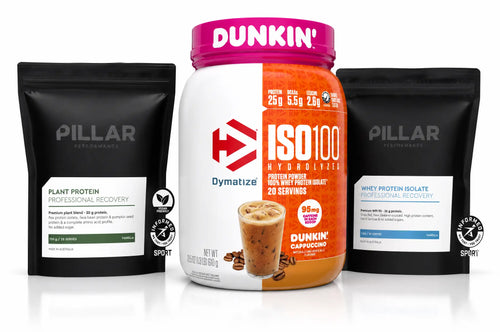
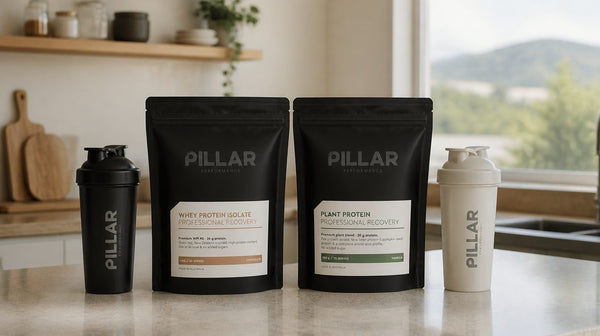
Pillar Whey Protein Isolate. This is our clearest grass-fed pick. Pillar labels it as 100% grass-fed dairy, and each serve gives you around 26g of protein with barely any fat, carbs or lactose. Isolate is whey in its most filtered form, so it mixes thin and tends to suit people who find concentrate heavy. There is also a DigeZyme enzyme blend to help break it down. It comes in Vanilla and Pillar WPI Chocolate. For a closer look at the range, read our comparison of Pillar whey vs plant isolate, or browse all Pillar protein.
Smart Bar. If you want grass-fed protein in a snack, the Smart Bar packs around 20g of grass-fed whey and milk protein isolate into a soft bar with no added sugar and no sugar alcohols. It is made in Australia, so it is a grass-fed choice rather than a New Zealand-made one.
| Product | Format | Protein | Grass-fed claim |
|---|---|---|---|
| Pillar Whey Protein Isolate | Powder | Around 26g a serve | 100% grass-fed dairy on the label |
| Smart Bar Caramel Honey Macadamia | Bar | Around 20g a bar | Grass-fed whey and milk protein isolate |
Where NZ Supps fits
If grass-fed sourcing matters to you, start with Pillar WPI. If it does not, you have a much wider choice, and you can pick purely on protein per serve, taste and price across our whey protein and all protein collections.
Want a broader view? Our protein powder hub covers every format, and our post on NZ protein powder blends looks at what goes into the tubs. If you are unsure where protein fits in your routine, the Find Your Stack quiz takes a couple of minutes.
FAQ
What does grass-fed whey mean? It means the whey came from milk produced by cows that were fed mainly on grass or pasture. It describes how the cows were farmed. It does not describe how the whey was filtered or how much protein is in each scoop.
Is grass-fed whey better than regular whey? For building muscle, not in any way that matters much. Whey protein from grass-fed and grain-fed cows has a very similar amino acid profile. Grass-fed is mainly a farming and sourcing preference, so buy it if that matters to you.
Is all New Zealand whey grass-fed? New Zealand dairy is predominantly pasture-based, which is why NZ whey has a strong reputation overseas. Predominantly is not the same as every farm, every day, so if the claim matters to you, look for it stated clearly on the pack.
How can I tell if a grass-fed claim is real? Look for a specific statement such as 100% grass-fed dairy, rather than vague pasture imagery. Third-party certification carries more weight than front-of-pack wording, and a brand should be able to tell you where its whey is sourced.
Which grass-fed whey products does NZ Supps stock? Pillar Whey Protein Isolate is labelled as 100% grass-fed dairy and comes in Chocolate and Vanilla. The Smart Bar protein bar also uses grass-fed whey and milk protein isolate. We only call a product grass-fed when its own label says so.