SHOP NOW, PAY LATER









 Informed Sport
 Informed Choice
 NSF Certified for Sport
 HASTA Certified

L-citrulline, dietary nitrates and glycerol are the ingredients most reliably tied to a strong muscle pump, while creatine, betaine and taurine support the effect by boosting cell volume and training capacity rather than driving blood flow directly. If you’re choosing a product, favor one with transparent, fully dosed labels over a proprietary blend that hides how much of each active you’re actually getting.
TL;DR:
- Choose products that list each ingredient separately; aim for 6 to 8 grams of citrulline or citrulline malate, not an undisclosed blend.
- Citrulline and nitrates typically peak in 60 to 90 minutes, so take formulas 30 to 60 minutes before training; glycerol also requires adequate water.
- Choose formulas without stimulants for evening sessions or caffeine sensitivity; products that contain synephrine have been linked to palpitations, chest pain, and fainting.
- Ask a clinician before using nitrates or citrulline with blood pressure or angina medication, and check first if kidney disease affects creatine use.
- Creatine supports fullness and high intensity training rather than blood flow; use the standard 3 to 5 gram daily dose if included.
Table of Contents
- Key pump ingredients and what each does
- How nitric oxide and related pathways create a muscle pump
- Stimulant vs stim-free pump formulas: trade-offs and timing
- Safety, side effects, and who should be cautious
- How to read labels and dose pump ingredients effectively
- Our approach to explaining pump products
- Do pump ingredients interact with medications or health conditions
- When the pump kicks in and how long it lasts
- A simple rule for getting a better pump
- Shop transparent, stim-free pump options with us
- FAQ
- Sources
Key pump ingredients and what each does
A pump happens when blood flow and fluid shift into working muscle faster than it can drain out, and a handful of ingredients consistently show up because they act on that process from different angles.
L-citrulline and L-arginine both feed the pathway that produces nitric oxide, but they are not interchangeable. Citrulline is absorbed intact and converted to arginine in the kidneys, so it raises plasma arginine more reliably than taking arginine itself, which is explained in detail in the nitric oxide section below. Most formulas use citrulline malate at doses commonly used in sports nutrition research summarized by the NIH Office of Dietary Supplements.
Dietary nitrates, usually from beetroot extract, take a different route to the same destination. Once converted to nitrite and then nitric oxide in the body, they widen blood vessels and can modestly extend endurance capacity, which is why they tend to benefit aerobic-leaning training more than pure strength work.
Glycerol works through a completely separate mechanism: hyperhydration. It pulls and holds extra water inside and around muscle cells, which is why glycerol-containing pre-workouts tend to produce a fuller, more sustained look and feel rather than a brief flush. Effective use typically means a measured glycerol dose taken with enough fluid, since the hydration effect depends on both.
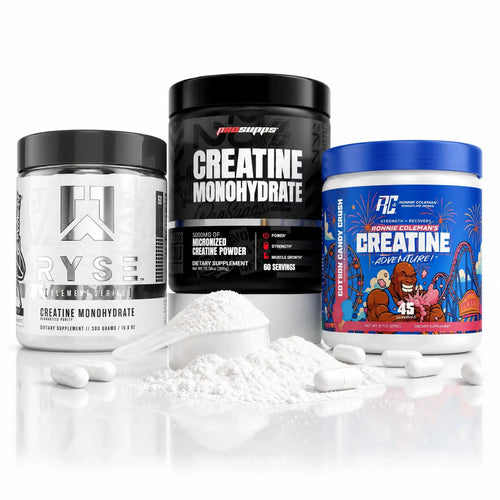
Creatine doesn’t create a pump on its own, but it plays a supporting role. It draws water into muscle cells (cell volumization) and extends your capacity for short, high-intensity efforts, both of which indirectly contribute to a fuller look and more total training volume. Standard dosing sits at 3 to 5 grams per day, a protocol backed by extensive clinical trial data in the NIH fact sheet.
Several other ingredients round out most pump and pre-workout formulas, each doing a narrower job:
- Beta-alanine buffers intramuscular acid to extend high-intensity output, and can cause a harmless tingling sensation (paresthesia) at higher doses.
- Taurine supports cell volume and may assist muscle contraction efficiency during training.
- Betaine supports cellular hydration and has some evidence for strength and power output.
- Agmatine is sometimes included as a secondary nitric oxide pathway ingredient, though the evidence behind it is thinner than for citrulline or nitrates.
- Quercetin is included in some blends as an antioxidant, though high antioxidant doses can blunt training adaptations rather than help them.
- Electrolytes such as sodium and potassium support fluid balance and can enhance how well glycerol and other hydration ingredients perform.
Caffeine and other stimulants don’t create a physical pump. They sharpen focus and perceived energy, which can make a pump feel more intense without actually increasing blood flow or cell volume on their own.
How nitric oxide and related pathways create a muscle pump
Nitric oxide is the signal that tells blood vessels to relax and widen, a process called vasodilation. More nitric oxide means more blood reaching working muscle during a set, which is what you feel as a pump.
The reason citrulline dominates pump formulas over arginine comes down to absorption. Oral arginine passes through the liver and gut first, where much of it gets broken down before reaching circulation, a process called presystemic or splanchnic extraction. Citrulline largely skips that loss. Mechanistic research shows supplemental citrulline increases systemic arginine availability more efficiently than supplemental arginine itself, because citrulline escapes first-pass metabolism and gets converted to arginine later, in the kidneys, as shown in metabolism research published on PMC. That single detail is why citrulline malate largely replaced plain arginine in modern formulas.
Dietary nitrates take a parallel but separate route, converting through nitrite rather than the arginine pathway at all. Because citrulline and nitrates act on nitric oxide production through different steps, stacking the two is a common practical strategy: you get two independent pushes toward the same vasodilation response instead of relying on a single mechanism to do all the work.

Stimulant vs stim-free pump formulas: trade-offs and timing
Pump formulas fall into two broad camps: stimulant-based, built around caffeine or other stimulants alongside pump actives, and stim-free, which rely purely on ingredients like citrulline, nitrates and glycerol. The choice usually comes down to when you train and how sensitive you are to stimulants.
- Stimulant blends tend to suit morning or early-afternoon sessions where alertness is useful and sleep isn’t a concern.
- Stim-free formulas suit evening training, athletes sensitive to caffeine, or anyone training twice a day who wants to limit total stimulant load.
- Stimulants can make a pump feel more intense by sharpening focus and reducing perceived effort, without adding to actual blood flow.
- High-stimulant mixes, particularly those containing synephrine, have been linked in case reports to cardiovascular strain, which is a reason to treat heavily stacked stimulant products with caution.
Pro Tip: If you train in the evening or notice your heart racing on stimulant pre-workouts, switch to a stim-free pump formula and see whether your performance and recovery actually improve.
Safety, side effects, and who should be cautious
Most pump-specific ingredients have a mild side effect profile, but stimulant-heavy formulas carry real cardiovascular signals worth knowing about before you buy.
A review of case reports found that supplements containing synephrine have been associated with adverse cardiovascular events including chest pain, palpitations and syncope, according to published case-report research, though caffeine co-ingestion can make it hard to isolate synephrine’s exact role. Separately, pre-workouts combining caffeine with other stimulants have been tied to reported palpitations, chest pain and dizziness in sensitive individuals, as documented in a broader review of cardiovascular effects linked to pre-workout use.
Ingredient-specific side effects are generally milder:
- Beta-alanine commonly causes temporary skin tingling at higher single doses, which is harmless but can be uncomfortable.
- Citrulline and arginine can cause mild gastrointestinal discomfort, especially at higher doses taken without food.
- High-dose antioxidants like concentrated quercetin may blunt some training adaptations rather than support them, per the NIH fact sheet.
Practical steps that reduce risk: check the total caffeine across everything you’re taking in a day, avoid stacking multiple stimulant-containing products, start any new formula at a partial dose to assess tolerance, and talk to a clinician first if you have a cardiac history. Our own breakdown of pre-workout safety and a closer look at synephrine risk go into more depth on both fronts.
How to read labels and dose pump ingredients effectively
A transparent label lists the exact milligram or gram amount of every ingredient. A proprietary blend lists a single combined weight for several ingredients together, which means you have no way to know if you’re getting an effective dose of anything or mostly filler.
- Check for citrulline or citrulline malate listed individually, ideally in the 6 to 8 gram range rather than buried in a blend.
- Look for a glycerol dose stated on its own, since hyperhydration effects depend on getting a real amount rather than a trace addition.
- Confirm creatine is dosed at 3 to 5 grams if it’s included, which matches standard research-backed protocols.
- Watch for beta-alanine around maintenance ranges used in most studies, and expect mild tingling as a normal, harmless response.
- Add total stimulant content across your day, not just per serving, before judging whether a formula fits your tolerance.
Stacking a nitric oxide precursor like citrulline with glycerol is one of the more sensible combinations in pump formulation, since the two work through separate mechanisms rather than competing for the same effect. Our guide on how citrulline supports a better pump walks through dosing and timing in more detail.
Our approach to explaining pump products
We built our catalog around ingredient transparency: every pump and pre-workout product we stock lists its actual doses, not a combined proprietary total. That matters because it’s the only way to tell whether a 6 gram citrulline claim is real or whether you’re getting a fraction of it hidden in a blend.
Our blog content, including our stim-free pump picks and our comparison of pump versus stimulant pre-workouts, is written to help you compare formulas on dosing rather than marketing claims, so you can match a product to your training schedule and stimulant tolerance before you buy.
Do pump ingredients interact with medications or health conditions
Several pump ingredients deserve a second look if you take regular medication or manage a health condition, since the same pathways that boost blood flow can interact with drugs that do the same thing.
Nitrate-containing products and nitric oxide precursors like citrulline can compound the effect of blood pressure medications or nitrate-based heart medications, potentially causing blood pressure to drop more than intended. Anyone on antihypertensives or medication for angina should talk to a clinician before adding a nitrate or citrulline-heavy product to their routine.
Stimulant-containing formulas carry their own interaction risks. Combining caffeine or synephrine with other stimulant medications, certain antidepressants, or thyroid medication can amplify heart rate and blood pressure effects beyond what either would cause alone, which lines up with the cardiovascular signals already noted in case-report reviews of stimulant pre-workouts.
Creatine is generally considered low-risk for most healthy adults, but anyone with existing kidney disease should check with a doctor first, since creatine increases the kidneys’ workload in processing waste products. Beta-alanine and glycerol have few known drug interactions, though glycerol’s fluid-shifting effect means it warrants caution for anyone managing a condition that affects fluid balance, such as heart failure or kidney disease. When in doubt, bringing your supplement label to a pharmacist or physician is a faster, more reliable check than trying to piece it together yourself.

When the pump kicks in and how long it lasts
Most people start to feel a pump within the first few sets of a workout, once blood flow and fluid have had a few minutes to build up in the working muscle. Ingredients act on slightly different timelines, which is why formulas often combine several.
Citrulline and nitrates typically need 60 to 90 minutes before plasma levels peak, which is why most labels recommend taking a pump product 30 to 60 minutes before training. Glycerol’s hyperhydration effect builds more gradually and depends on adequate water intake alongside it, often producing a more noticeable fullness later in a session rather than in the first few minutes.
During the workout, the pump tends to intensify as you move through sets, especially with shorter rest periods that don’t allow full blood flow to subside between sets. After training ends, the pump fades as blood flow returns to baseline, typically within an hour or two, though glycerol’s water retention effect can leave muscles looking fuller for longer than the vasodilation-driven flush alone. None of this is a performance measure by itself. A strong pump feels good and can indicate good blood flow to the muscle, but it isn’t a direct marker of muscle growth over time.
A simple rule for getting a better pump
If you want a reliable pump, prioritize a real citrulline dose paired with a glycerol or nitrate strategy, skip anything hiding behind a proprietary blend, and dial stimulant intake to your own tolerance rather than the label’s suggested serving. A better pump usually means better blood flow and fluid delivery to the muscle, which supports more total training volume and a more productive session.
— Blake
Shop transparent, stim-free pump options with us
The pump and pre-workout products described are sourced direct and stored locally to avoid grey imports, with labels showing exact ingredient amounts. If you’d rather skip stimulants entirely, our stim-free pump picks make it easy to compare citrulline, glycerol and nitrate doses side by side.
- Browse our full pre-workout and performance category to compare transparent formulas.
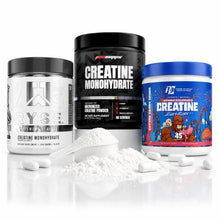
- Pair a pump product with a dosed creatine option like Nexus Creatine Monohydrate for daily cell volumization support.
- Customer service teams are available to assist with matching formulas to training schedules or stimulant tolerances.
Head to our pre-workout and performance category to find a formula that fits your training and your tolerance.
This article is general information, not a substitute for advice from a qualified doctor. Consult a qualified healthcare professional about your own circumstances before acting on anything here.
FAQ
What is the cleanest ingredient for pre-workout?
“Clean” usually means transparently dosed and free of unnecessary fillers or proprietary blends, rather than referring to one specific ingredient. L-citrulline, citrulline malate, and dietary nitrates are generally considered straightforward, well-studied pump actives when clearly labeled with their actual dose.
Do pump pre-workouts work?
Stim-free pump formulas built around citrulline, nitrates and glycerol can reliably increase blood flow and cell fullness during training, based on the mechanisms covered in the NIH Office of Dietary Supplements fact sheet. The effect is most noticeable as fuller-looking, better-perfused muscle during a workout rather than a measurable strength gain on its own.
Can pre-workout cause heart palpitations?
Stimulant-containing pre-workouts, especially those with synephrine or high combined caffeine doses, have been linked to palpitations, chest pain and other cardiovascular events in case reports and reviews, including research on synephrine-containing supplements. Choosing a stim-free pump formula avoids this risk entirely while still supporting blood flow and muscle fullness.
What is the best homemade pre-workout drink for pump?
A simple homemade option combines a measured dose of citrulline malate powder with water and a pinch of salt for electrolyte support, taken 30 to 60 minutes before training. Adding a beetroot juice shot can supplement the nitrate pathway, though getting consistent, research-backed doses is easier with a labeled product than with homemade measuring.
How much caffeine is safe to combine with pump ingredients?
Caffeine dosing for athletic performance is generally studied in the range of 2 to 3 milligrams per kilogram of body weight, according to practical caffeine protocols for athletes. Staying within that range and accounting for caffeine from other sources across the day reduces the chance of overlapping stimulant effects with pump ingredients.
Sources
- Dietary Supplements for Exercise and Athletic Performance - Health Professional Fact Sheet (NIH ODS)
- Supplemental citrulline is more efficient than arginine in increasing systemic arginine availability in mice (PMC)
- Review of case reports on adverse events related to pre-workout supplements containing synephrine