SHOP NOW, PAY LATER













 Informed Sport
 Informed Choice
 NSF Certified for Sport
 HASTA Certified

Bottom line: hit your daily protein target first. Timing is secondary, useful mostly for convenience, appetite control, and a few specific situations. A widely cited meta-analysis found that the small edge from post-workout protein disappeared once researchers accounted for unequal total protein intake between groups. In other words, people who timed their protein well also tended to just eat more of it overall. The International Society of Sports Nutrition backs this up with practical guidance: spread 20 to 40 grams of high-quality protein across meals every 3 to 4 hours, and let your daily total do the heavy lifting.
Here’s what to do today, before you read another paragraph of research:
- Calculate your daily protein target based on your goal (we’ll cover the ranges below).
- Split that total into 4 to 5 servings of 20 to 40 grams each.
- Space those servings roughly every 3 to 4 hours while you’re awake.
- Stop worrying about a tight post-workout window. It doesn’t exist the way old bodybuilding magazines claimed.
Everything past this point is the “why” behind those four bullets, plus the exact numbers and templates you need to apply it.
TL;DR:
- Most research shows that total daily protein intake matters far more than precise timing, especially once daily targets are met.
- Consuming 20 to 40 grams of protein every 3 to 4 hours effectively stimulates muscle protein synthesis, regardless of workout timing.
- Protein timing has minimal impact on results for trained individuals who already consume sufficient daily protein, except during overnight fasting periods.
- Consuming casein protein before bed can modestly enhance overnight muscle recovery, especially for heavy or older lifters.
- Supplements serve as convenient gap fillers rather than essential meal replacements, supporting consistency in hitting daily protein goals.
Table of Contents
- What Does the Research Actually Show About Protein Timing?
- How Should You Actually Structure Your Protein Intake?
- What Should a Day of Eating Look Like?
- When Should You Actually Drink a Protein Shake Around Training?
- Does Protein Before Bed Actually Help Overnight Recovery?
- Is the 30-Minute Protein Window a Myth?
- How Does Nzsupps Apply This to Real Training?
- Key Takeaways
- What the Research Really Tells Lifters to Prioritize
- Sources
What Does the Research Actually Show About Protein Timing?
The anabolic window myth started with real data. Early studies did find that protein consumed shortly after resistance training stimulated muscle protein synthesis more than protein consumed hours later. The mistake was assuming that finding controlled for everything else. It didn’t.
The most influential correction came from Brad Schoenfeld’s team. Their meta-analysis pooled data across multiple trials and found a small benefit to protein within one hour post-exercise, but that benefit vanished once total daily protein intake was matched between groups. The people who saw better results from “good timing” were, more often than not, just eating more protein per day. Once you control for that variable, the timing effect shrinks to nearly nothing for most trained lifters.
A randomized controlled trial tested this directly. Researchers gave trained men matched protein doses either immediately before or immediately after their workouts, then tracked strength and hypertrophy over 10 weeks. The result: no significant difference between groups. When the total dose is equal, the clock matters far less than bodybuilding forums suggest.
More recent work adds nuance rather than overturning the core finding. A 2024 trial comparing different timing strategies within high-protein diets found that outcomes improved regardless of when protein was consumed, as long as total intake stayed high. Timing effects were more likely to show up in specific contexts: when daily protein intake is already inadequate, in older adults with blunted anabolic sensitivity, or after long overnight fasts.
That last point matters. A systematic review on pre-sleep protein found that consuming casein before bed measurably increased overnight muscle protein synthesis rates compared to a placebo. Overnight is the one stretch of the day where “timing” genuinely means something, because it’s the longest gap most people go without eating.
Here’s how the evidence stacks up by strength of finding:
| Evidence type | What it found | Practical weight |
|---|---|---|
| Meta-analysis (Schoenfeld et al.) | Timing benefit disappeared after controlling for total protein | High, but limited by small pooled sample sizes |
| RCT, matched pre vs post doses | No significant difference in strength or hypertrophy over 10 weeks | High for trained lifters specifically |
| 2024 high-protein timing trial | Outcomes improved with high protein regardless of timing | Moderate, newer and single-study |
| Pre-sleep casein review | Increased overnight muscle protein synthesis | Moderate, applies mainly to the overnight fasting window |
The confounder that keeps showing up: unequal total protein intake. Almost every study that seemed to prove timing mattered had a design flaw where the “well-timed” group also ate more protein overall. Once researchers control for that, the timing advantage mostly evaporates for recreational and even competitive lifters who already eat enough protein daily.
None of this means timing is irrelevant. It means the effect size is small enough that it should rank behind total intake, protein quality, and training consistency. If you’re already hitting your daily number, timing becomes a tool for convenience and comfort, not a lever for extra muscle.
How Should You Actually Structure Your Protein Intake?
Once your daily total is locked in, three rules cover almost everything else you need to know.
- Set your daily protein target by goal, not by habit. Strength and hypertrophy goals generally call for higher intakes than pure maintenance, and cutting phases often need even more protein to protect muscle while calories are restricted. Our breakdown of daily protein targets by goal walks through specific ranges so you’re not guessing.
- Aim for 20 to 40 grams per meal, spaced every 3 to 4 hours. This range lines up with ISSN guidance and reflects how much protein most people can use per sitting to stimulate muscle protein synthesis. Heavier lifters and larger athletes sit toward the higher end (around 0.4 g/kg), while smaller or less active people can stay closer to 0.25 g/kg.
- Time protein around workouts for convenience, not because of a magic window. If a shake before training sits better in your stomach, drink it before. If you’d rather train fasted and eat after, that works too. The research doesn’t reward one choice over the other when your daily total is covered.
The “parenthesize the workout” approach solves most of the anxiety around this topic. Just have protein reasonably close to your session, before or after, whichever fits your schedule and digestion. You’re not chasing a 30 minute cutoff. You’re avoiding a six hour gap where you eat nothing at all.
Gastrointestinal comfort should drive your pre-workout choice more than theory does. A dense, high-fat meal an hour before heavy squats is a bad idea for reasons that have nothing to do with protein synthesis. A fast-digesting whey shake sits much easier.
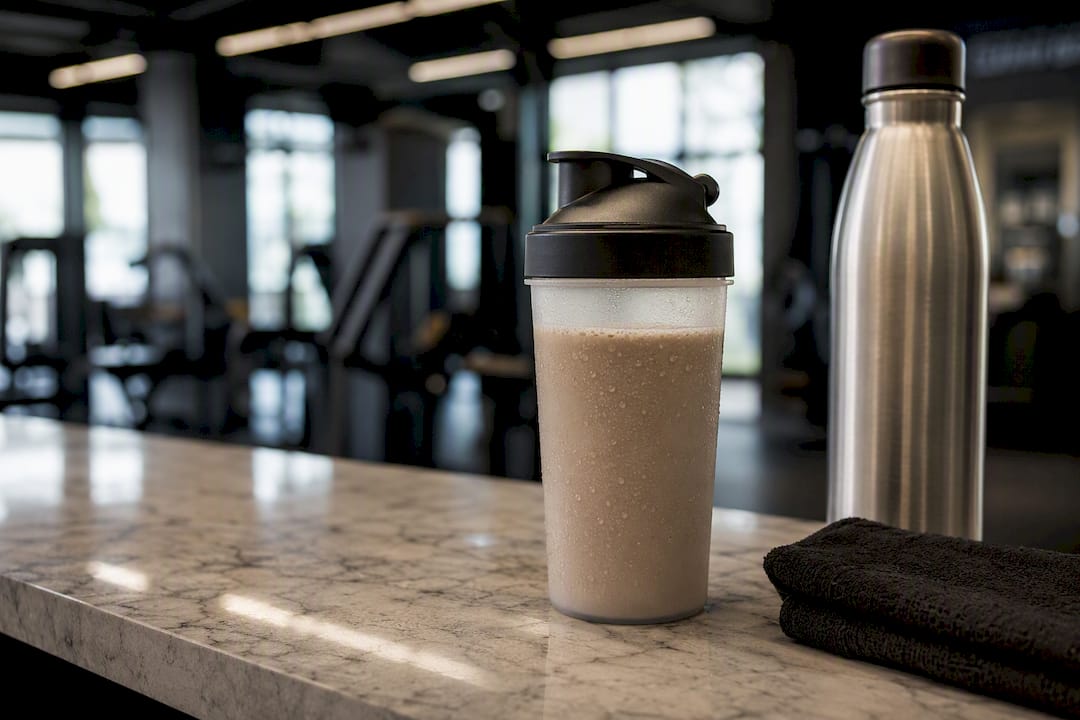
Pro Tip: If you train early in the morning and can’t stomach solid food, a whey isolate shake 20 to 30 minutes beforehand is easier on the gut than whole food and still gets protein into your system before you start lifting.
Supplements earn their place as gap fillers, not meal replacements. Whole food should make up the bulk of your protein intake because it comes with fiber, micronutrients, and satiety that a shake doesn’t provide. But when you’re short on time, traveling, or just not hungry enough to eat a full meal, a scoop of whey isolate closes the gap without much friction. The goal is hitting your number consistently, and supplements exist to make that easier on the days whole food doesn’t fit.
What Should a Day of Eating Look Like?
Numbers on a page mean nothing until they turn into actual meals. Here’s how the math works for a 180 pound (about 82 kg) lifter targeting 160 grams of protein daily, split into four servings of roughly 40 grams each.
- Breakfast: 3 whole eggs plus 4 egg whites (about 32g) with a side of Greek yogurt (about 15g), landing around 45g total.
- Lunch: 6 oz grilled chicken breast (about 50g) over rice and vegetables.
- Post-training: One scoop of whey isolate mixed with water or milk, roughly 25 to 30 grams depending on the product, plus a banana for carbs.
- Dinner: 6 oz salmon or lean beef (about 40 to 45g) with a starch and greens.
- Before bed (optional): 30 to 40 grams of casein or a cottage cheese serving if the daily total needs a top-up.
Scoop math trips people up more than it should. Most whey isolates deliver 24 to 30 grams of protein per scoop depending on the brand and flavor, so two scoops across the day gets a lot of lifters halfway to a 160 gram target without touching a stove. Check the label on your specific tub since serving sizes vary by product.
For a fat loss phase, keep protein high (it protects lean mass while calories drop) and lean more heavily on lower-calorie sources: egg whites, white fish, chicken breast, and a protein shake instead of a calorie-dense whole-food snack when you’re trying to stay in a deficit.
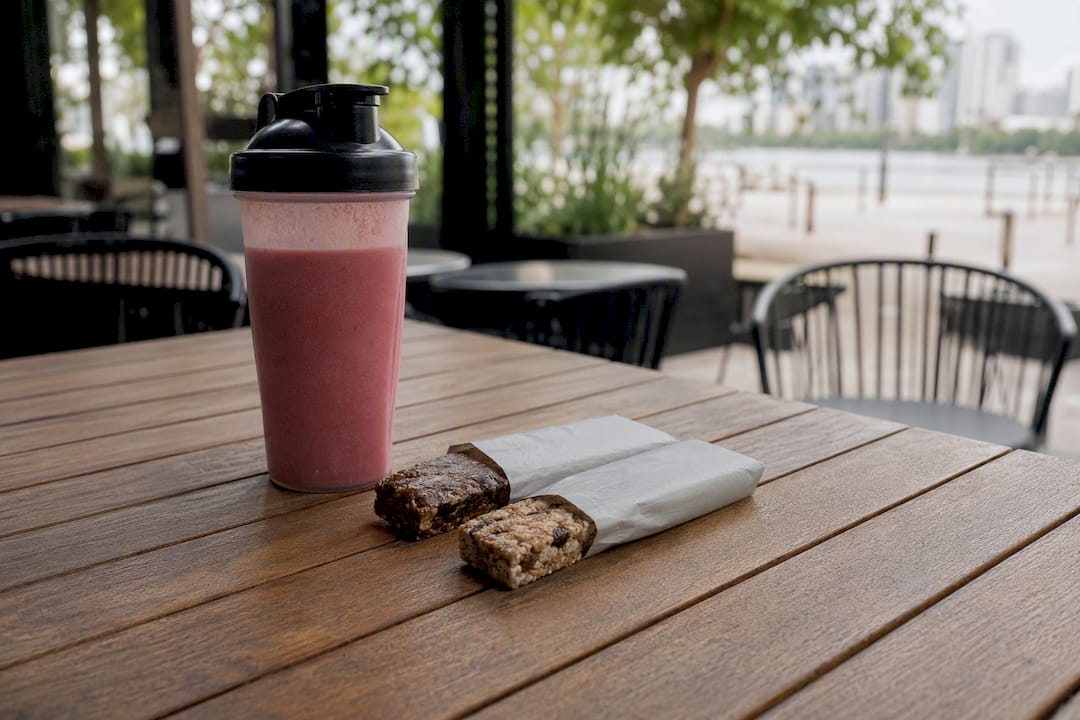
Travel days call for shortcuts. A shaker bottle, a tub of isolate, and a couple of protein bars in your bag cover you through airports and hotel rooms where a proper meal isn’t available. Bars work better for satiety when you’re stuck sitting for hours; shakes work better when you need something fast between meetings.
When Should You Actually Drink a Protein Shake Around Training?
Because matched total intake produces matched outcomes in most of the randomized controlled trials on this topic, the pre versus post workout decision comes down to logistics more than physiology.
- Before training (30 to 60 minutes out): works well if your stomach tolerates it and you haven’t eaten in several hours. Choose something low in fat and fiber to avoid cramping or bloating mid session.
- After training (within a few hours): works just as well if you’d rather train on an empty stomach or don’t like drinking a shake before lifting.
- Long or high-volume sessions: pairing protein with carbohydrates around training supports glycogen replenishment and recovery, particularly for sessions over an hour or endurance-heavy training blocks.
- GI sensitivity: if pre-workout shakes cause discomfort, switch to a lighter, low-fiber formula or move your protein intake to after training instead.
The practical reality is that digestive tolerance decides this far more often than any research paper does. Some people can eat a full meal an hour before deadlifting. Others need an empty stomach or they’ll feel it on every rep.
Pro Tip: If you’re stacking a pre-workout supplement with your protein shake, space them by a few minutes rather than mixing everything into one drink. It reduces the odds of stomach discomfort mid-set.
Does Protein Before Bed Actually Help Overnight Recovery?
Yes, with a specific dose and a specific mechanism behind it. A systematic review on pre-sleep protein ingestion found that consuming casein before bed increased muscle protein synthesis rates during sleep compared to not eating anything overnight. Overnight is the longest fasting stretch most people experience daily, often 7 to 9 hours, which makes it the one window where a slow-digesting protein source has a real physiological edge over doing nothing.
The practical recommendation sitting on top of that research: 30 to 40 grams of casein before bed, or a whole-food equivalent like cottage cheese, if your overnight fast runs long or your daily target still has room left. Whey digests fast and clears your bloodstream within a couple of hours; casein forms a gel in the stomach and releases amino acids gradually across the night, which is exactly what you want during eight hours of sleep.
Who benefits most from this? Heavy lifters training multiple times per week, and older adults, whose muscle tissue responds more sluggishly to protein intake and who benefit disproportionately from an extra dose during the longest fasting window of the day. If your daily total is already dialed in and you’re not chasing extra muscle mass, a bedtime shake is optional rather than essential. But if you’re regularly falling short of your target or training hard enough that recovery is a bottleneck, it’s one of the few timing strategies with real evidence behind it.
Is the 30-Minute Protein Window a Myth?
Mostly, yes. The idea that you have a narrow 30 minute window after training to consume protein or lose your gains came from early, poorly controlled studies and got repeated until it became gym folklore. The meta-analysis evidence and the matched-dose RCT covered earlier both point the same direction: that window is measured in hours, not minutes, and for most people it barely matters at all once daily intake is covered.
A few other myths worth clearing up quickly:
- You don’t need to eat protein every hour. Muscle protein synthesis stays elevated for several hours after a meal; eating every 3 to 4 hours covers this without turning your day into a constant snacking session.
- High protein intake isn’t dangerous for healthy people. Concerns about kidney strain come mostly from populations with pre-existing kidney disease, not healthy athletes eating within normal high-protein ranges.
- Fasted training doesn’t erase gains. Total daily intake, not the fasted state itself, determines whether you’re in a good position to build or maintain muscle.
How Does Nzsupps Apply This to Real Training?
Getting protein timing right in theory is one thing. Making it easy to execute every single day is the harder part, and that’s where a curated product lineup actually earns its keep.
- Nzsupps stocks isolates, blends, and casein options with fully disclosed ingredient panels, so you know exactly what’s in each scoop before you buy it.
- Product pages and blog guides walk through practical questions like whey isolate versus concentrate and bars versus shakes, aimed at helping you choose the right format for your schedule rather than pushing one product as the answer to everything.
- Supplements are positioned as gap fillers for convenience, appetite, or travel, not replacements for whole food as the backbone of your diet.
- For a deeper breakdown of exactly how much protein you need daily based on your goal, the protein per day guide covers specific ranges by training style and body weight.
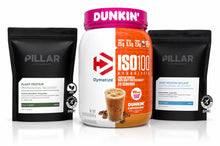
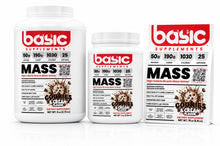
If you’re rebuilding your protein strategy around total intake instead of timing anxiety, a reliable isolate you’ll actually drink consistently matters more than any specific brand claim. Basic Supplements Isolate in Chocolate delivers a straightforward 72 servings for lifters who need a high-volume option to hit daily numbers without overthinking it, and it works equally well as a post-workout shake or a between-meal gap filler. For lifters who want a non-dairy alternative, especially useful for a bedtime serving if dairy doesn’t sit well late at night, the beef isolate in Tropical Orange Mango covers that gap.
Recovery isn’t only about what you eat. Sleep quality, training load management, and general recovery practices interact with protein timing in ways worth understanding, and the recovery guidance from Enhanced Chiropractic offers a useful outside perspective on how nutrition fits into a broader recovery plan.
Key Takeaways
Total daily protein intake drives muscle growth far more than the precise timing of any single meal or shake.
| Point | Details |
|---|---|
| Daily total comes first | Hit your protein target for the day before worrying about exact meal timing. |
| Spread it across meals | Aim for 20 to 40 grams every 3 to 4 hours to keep muscle protein synthesis elevated. |
| Skip the 30-minute panic | Matched-dose trials show no real difference between pre and post-workout protein when totals are equal. |
| Use casein for overnight gaps | 30 to 40 grams before bed supports muscle protein synthesis during the longest daily fast. |
| Supplements fill gaps, not meals | Reach for a shake or bar when whole food isn’t practical, not as a standing replacement for it. |
What the Research Really Tells Lifters to Prioritize
The 30-minute anabolic window deserved to die, but it took the fitness industry almost two decades to bury it properly. What replaced it, unfortunately, is often just as unhelpful: a vague shrug that “timing doesn’t matter at all,” which oversimplifies a body of research that actually has useful, specific guidance buried inside it.
Here’s what gets underweighted: per-meal dosing and spacing. Most lifters obsess over whether they drank a shake before or after training while eating three unevenly sized meals that leave six-hour gaps with no protein at all. That’s a bigger miss than any pre versus post-workout debate. The ISSN’s 20 to 40 gram, every 3 to 4 hour framework deserves far more attention than it gets, because it’s the piece of “timing” advice that’s actually backed by consistent evidence.
My advice: stop treating your workout as the center of the nutritional universe. Build your whole day around even protein distribution, and let convenience decide where your pre or post-workout shake lands.
Blake