SHOP NOW, PAY LATER











 Informed Sport
 Informed Choice
 NSF Certified for Sport
 HASTA Certified

Three methods cover almost every craving and time budget: overnight oats with yogurt and powder (ranging from 25 to 45 grams of protein), quick stovetop oats with powder or blended cottage cheese (commonly providing 20 to 35 grams), and baked or egg-white oats with no powder (offering between 15 and 30 grams). Pick overnight for zero morning effort, stovetop for the creamiest texture fastest, and baked or egg-white if you want a whole-food option or you’re out of protein powder.
TL;DR:
- Using rolled oats ensures smooth texture and quick absorption, making them the best base for most high-protein oatmeal recipes.
- Adding protein powder after cooling the oats prevents clumping and maintains a creamy consistency, especially when combined with liquids like milk or yogurt.
- Combining multiple protein sources such as powder, Greek yogurt, cottage cheese, and egg whites can reach 30 to 45 grams of protein per meal with balanced flavor.
- Batch cooking traditional or baked oats allows for refrigerated or frozen storage, maintaining texture and convenience for weekday breakfasts.
- Pairing oats with sides like eggs, nuts, or fruit can boost total protein intake beyond 40 grams and make a more complete, satisfying meal.
Table of Contents
- What Goes Into a High-Protein Oats Recipe
- Overnight Protein Oats: The No-Cook Recipe
- Quick Stovetop Protein Oatmeal, Done in 10 Minutes
- Baked Oats and Egg-White Oats: High Protein Without the Powder
- Fixing Chalky Oats and Other Common Texture Problems
- How the Macros Stack Up Across Each Recipe
- Storing and Reheating Protein Oats for the Week
- Where a Protein Shake Fits Into the Mix
- Common Mistakes That Ruin Protein Oats
- Which Oats Actually Work Best for Protein Recipes
- Building a Full Meal Around Your Protein Oats
- What I’ve Learned Making These on Repeat
- Grab What You Need to Build These Bowls
- Sources
What Goes Into a High-Protein Oats Recipe
The base is always rolled oats. Steel-cut works, but rolled oats absorb liquid faster and blend smoother with protein powder, which matters more than people expect once you’re trying to avoid a gritty bowl. Beyond that, your protein sources do the heavy lifting.
Here’s what to keep stocked and what each one adds:
- Rolled oats (1/2 cup dry): 5 to 6 grams protein, plus the fiber that slows digestion.
- Protein powder (1 scoop, roughly 30g): 20 to 25 grams protein, depending on the brand and blend.
- Greek yogurt (1/2 cup): 10 to 12 grams protein and a thick, tangy base.
- Cottage cheese (1/3 cup): 12 to 14 grams protein, nearly flavorless when blended.
- Egg whites (1/4 cup, liquid): 6 to 7 grams protein, no fat, no real flavor change.
- Nut butter (3 tbsp): 12 to 15 grams protein along with healthy fat that slows how fast the meal digests.
- Milk (dairy or fortified plant milk): 8 to 10 grams protein per cup, depending on the type.
Combining sources beats relying on one. A scoop of powder plus a spoon of nut butter and a splash of milk pushes past 30 grams without any single ingredient dominating the flavor, and that layered approach tends to keep you full longer than protein powder alone ever manages.
Pro Tip: Choose a finely milled whey or isolate for the smoothest oats. Some plant powders need extra liquid and can turn slightly gritty, so add a bit more milk if you go that route.
Whey isolate mixes cleanest into cold, dairy-based oats. Plant isolates like pea or soy work fine but change texture more, so if you’re building a dairy-free version, check how pea protein compares to soy before committing to a flavor.
Overnight Protein Oats: The No-Cook Recipe
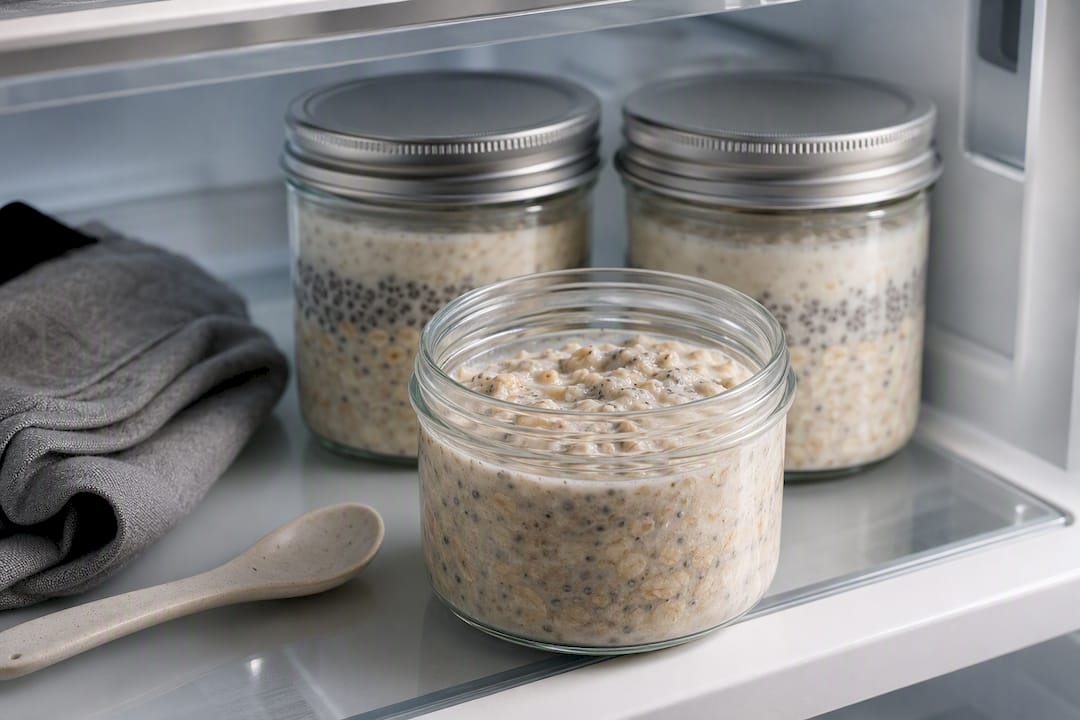
This is the recipe for anyone who hates mornings. Everything happens the night before, and by breakfast you’ve got a cold, creamy jar that can carry 25 to 45 grams of protein depending on how you scale it, a range recipe developers have consistently landed in when combining protein powder, chia, yogurt, and milk.
Ingredients (one serving):
- 1/2 cup rolled oats
- 1/2 cup Greek yogurt
- 1/2 cup milk (dairy or fortified plant milk)
- 1 to 2 scoops protein powder
- 1 tablespoon chia seeds
- Pinch of cinnamon or vanilla extract
Method:
- Add oats, yogurt, milk, protein powder, and chia seeds to a jar.
- Stir until the powder fully dissolves, no dry pockets left.
- Seal the jar and refrigerate for at least 4 to 6 hours, though overnight gives the best texture.
- Stir again before eating, and add toppings.
Berries, sliced banana, or a spoon of nut butter all work without wrecking the protein count. Nut butter adds another 6 to 8 grams per tablespoon but also tacks on fat and calories, so use it if you need the extra energy for a longer workout.
Pro Tip: Chia seeds aren’t optional filler here. They thicken the jar into a pudding-like texture that holds up over multiple days, which plain oats alone won’t do.
Stored sealed in the fridge, this keeps well for 3 to 4 days, so making three jars on Sunday covers most of your week.
Quick Stovetop Protein Oatmeal, Done in 10 Minutes
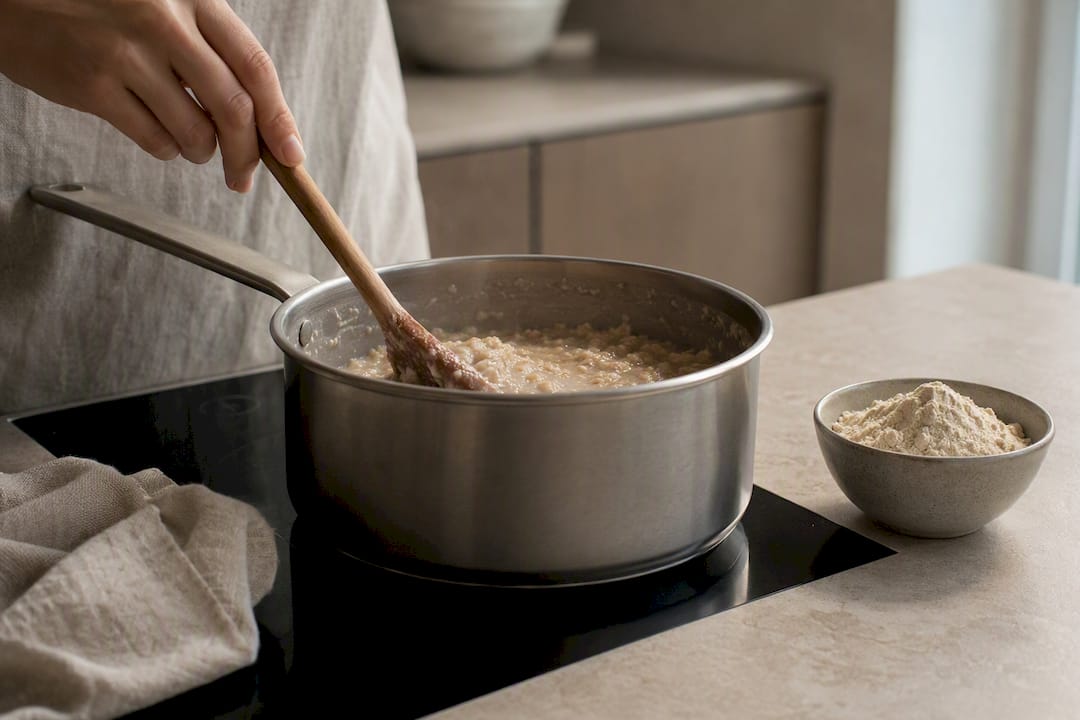
Stovetop oats give you the warmest, creamiest texture, and they come together fast enough for a weekday before work. The trick is timing: add protein powder too early and it clumps or turns rubbery from the heat.
Ingredients (one serving):
- 1 cup milk
- 1/2 cup rolled oats
- 1 scoop protein powder
- 1 tablespoon peanut butter
- Toppings of choice
Method:
- Bring milk to a light simmer in a small pot.
- Stir in oats and cook 5 to 7 minutes, stirring occasionally, until most liquid absorbs.
- Remove from heat and let sit 1 to 2 minutes to cool slightly.
- Stir in protein powder and peanut butter until fully smooth.
- Top and serve immediately.
That exact combination, milk, oats, peanut butter, and one scoop of powder, has been tested at around 32 grams of protein per serving and takes about 15 minutes start to finish. Swap the powder for 1/2 cup Greek yogurt if you want a slightly lighter version, or blend cottage cheese with a splash of milk first if you’d rather skip powder entirely.
Pro Tip: Never dump protein powder into oats still bubbling on the stove. The heat seizes the protein and you get that chalky, clumped texture everyone complains about. Cool it down first, always.
Top with granola, sliced apple, or a drizzle of honey for texture contrast without much added protein.
Baked Oats and Egg-White Oats: High Protein Without the Powder
Not everyone wants powder in every bowl, and you don’t need it. Egg whites and cottage cheese get you most of the way there using whole foods, and baked oats turn the whole thing into a grab-and-go tray.
- Egg-white stovetop oats: cook 1/2 cup oats with 1/2 cup milk as usual, then in the last two minutes stir in 1/3 cup liquid egg whites slowly, stirring constantly so they cook into the oats instead of scrambling. This base lands around 19 grams of protein, and stirring in Greek yogurt afterward can push it past 30 grams.
- Baked oats tray: mix 2 cups oats, 2 eggs, 1 cup milk, 1 scoop or 1/3 cup cottage cheese, mashed banana, and baking powder, then bake at 350°F for 25 to 30 minutes and slice into four portions.
- Texture note: baking dries oats out more than stovetop cooking, so they land closer to a dense cake than a bowl of porridge, which some people prefer for meal prep.
Batch the tray on Sunday and you’ve got four grab-and-go breakfasts already portioned. For a no-cook snack along the same lines, try these Coco Pops protein balls.
Fixing Chalky Oats and Other Common Texture Problems
Chalky, gritty protein oats almost always come down to one mistake: adding powder while the oats are still hot. Letting the pot cool for a minute or two before stirring in powder prevents clumping and keeps the texture creamy, and it’s the single easiest fix in this entire list.
A few more fixes and ideas worth keeping in your back pocket:
- Too thick? Stir in an extra splash of milk before eating, not more oats.
- Too thin? Let it sit 2 minutes off heat; oats keep absorbing liquid as they cool.
- Clumpy powder? Whisk it with a small amount of milk in a separate cup first, then fold it in.
- Want savory instead of sweet? Skip the powder and top cooked oats with a fried egg, smoked salmon, and a drizzle of tahini.
- Need more protein without more calories? Swap whole milk for a high-protein milk alternative, or add egg whites instead of a second scoop of powder.
How the Macros Stack Up Across Each Recipe
Rough numbers help you plan around a workout instead of guessing. Here’s what a standard serving of each recipe looks like:
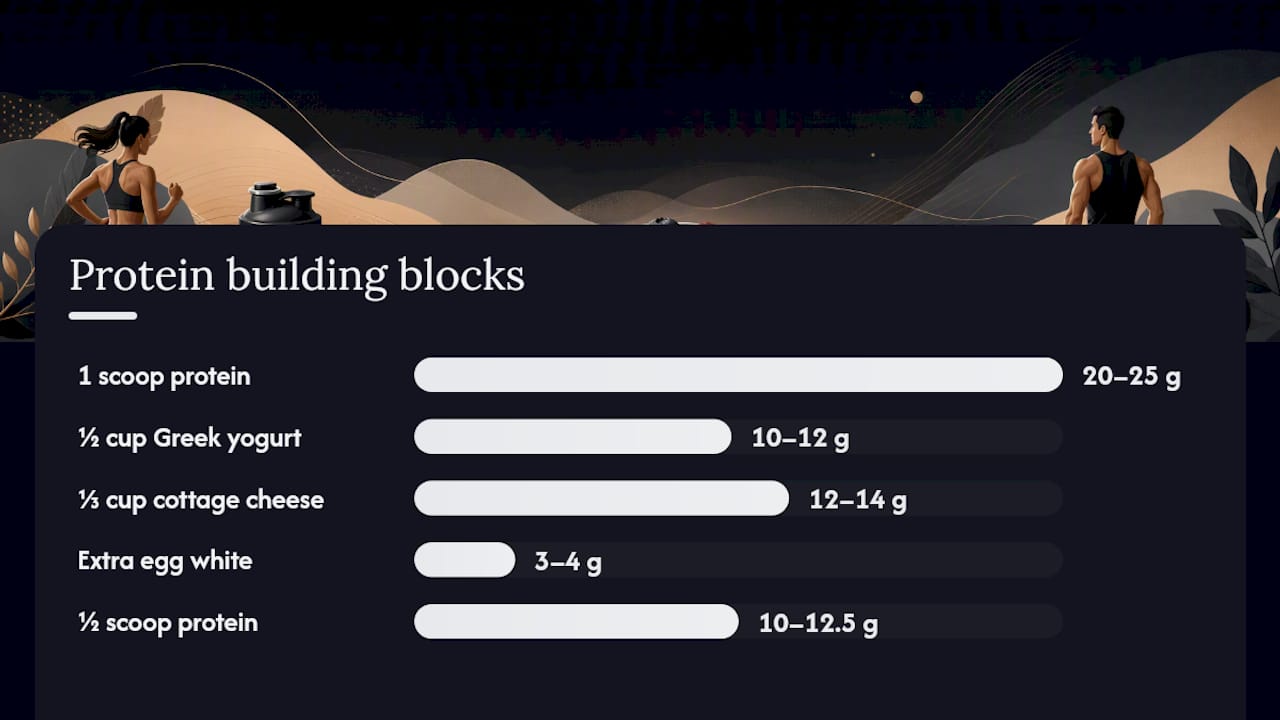
Scaling up is simple math once you know the building blocks: one scoop of protein powder adds roughly 20 to 25 grams, half a cup of Greek yogurt adds 10 to 12 grams, a third cup of cottage cheese adds 12 to 14 grams, and one extra egg white adds 3 to 4 grams. Want a flat 40 grams for a heavy leg day? Start with the stovetop base and add a second half scoop of powder rather than doubling the whole recipe.
For timing, eating a high-protein bowl within an hour or two before training gives you steady energy without the heaviness of a bigger meal, while eating one right after training supports recovery when you’re not planning another meal for a few hours.
Storing and Reheating Protein Oats for the Week
Batch cooking protein oats only works if storage doesn’t wreck the texture. The good news: most versions hold up fine for several days.
- Overnight oats and cooked stovetop oats keep 3 to 4 days refrigerated in a sealed jar or airtight container.
- Baked oats freeze well for up to 2 months if you slice and wrap portions before freezing.
- Use mason jars for overnight oats and shallow airtight containers for stovetop batches so they cool and reheat evenly.
- To reheat, add a splash of milk before microwaving in 30 second bursts. It restores the creaminess that fridge storage tends to dry out.
Where a Protein Shake Fits Into the Mix
If a spoon feels like too much effort some mornings, blending oats into a shake is a fair substitute, not a downgrade. Soaking rolled oats in milk for five minutes before blending smooths out the grit that raw oats usually leave behind, and a frozen banana thickens the shake without watering it down with ice.
That said, a shake digests faster than a bowl of oats, so it’s a better fit right after training than as a meal meant to hold you over for four hours. Pair it with something solid, a handful of nuts or a boiled egg, if you need it to last longer.
Common Mistakes That Ruin Protein Oats
Most bad batches trace back to the same handful of errors, and nearly all of them are avoidable once you know what to watch for.
Adding powder to hot oats. This is the top offender. Heat causes protein to seize up and clump, leaving a chalky mouthful instead of a creamy one. Always let the pot cool for a minute first.
Using too little liquid. Protein powder absorbs moisture. If you don’t add extra milk or water to account for it, your “creamy” oats turn into a dry paste within minutes of sitting.
Skipping the stir. Powder settles fast, especially in overnight jars. Give the jar a real stir before sealing it, then another one in the morning, or you’ll get a protein clump at the bottom and bland oats on top.
Overloading on one protein source. Dumping in three scoops of powder to hit a number sounds efficient, but it usually tastes off and can upset digestion. Split the load across powder, dairy, and seeds instead.
Ignoring the flavor match. A powder that tastes great in water can taste strange in oats. Vanilla and chocolate tend to blend cleanest; fruity flavors can clash with cinnamon or banana.
Forgetting the fat. Protein without any fat or fiber digests fast and leaves you hungry again in an hour. A spoon of nut butter or a sprinkle of seeds fixes that cheaply.
Which Oats Actually Work Best for Protein Recipes
Not all oats behave the same once protein enters the picture, and the type you grab matters more than most recipes let on.
Rolled oats (old-fashioned) are the standard for a reason. They cook fast, absorb liquid evenly, and blend smoothly with both powder and dairy. If you’re making overnight oats, stovetop oats, or a shake, rolled oats are the safest default.
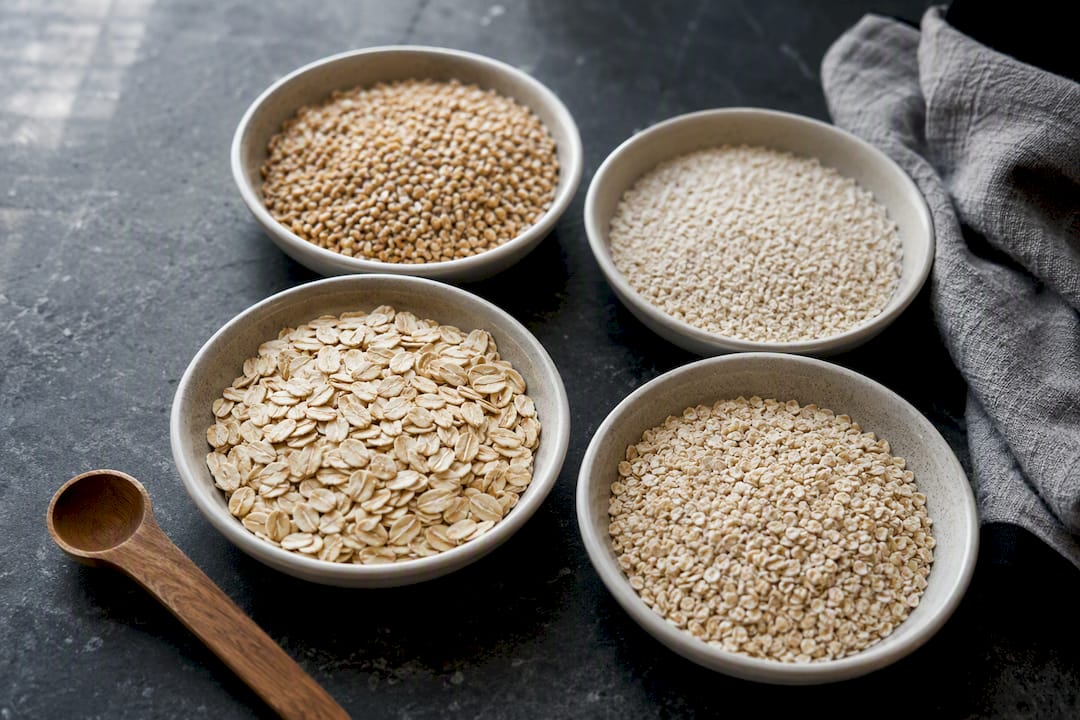
Quick oats work in a pinch but turn mushier and less textured. They’re fine for baked oats where a softer bite doesn’t matter, but they can go gluey in overnight jars.
Steel-cut oats have the most bite and the lowest glycemic impact, but they take 20 to 30 minutes to cook and don’t soften enough overnight without pre-cooking. Save these for a slow weekend batch, not a rushed weekday.
Instant oats are the least ideal choice here. They’re processed thinner and often pre-flavored with added sugar, which fights against the point of a high-protein, controlled-macro breakfast.
For any recipe that leans on protein powder for its main protein boost, rolled oats give you the most reliable texture with the least fuss, which is exactly why nearly every tested recipe in this space defaults to them.
Building a Full Meal Around Your Protein Oats
Protein oats alone can carry you through a morning, but pairing them strategically stretches that satiety even further and rounds out the nutrients a bowl of oats can’t cover alone.
On a training day, pair stovetop oats with two hard-boiled eggs on the side. You’re already at 32 grams of protein from the bowl, and two eggs add another 12 to 14 grams along with choline and healthy fat, pushing the whole meal past 45 grams without much extra effort.
For a lighter pairing, add fresh fruit and a handful of walnuts. The fruit brings fiber and micronutrients the oats don’t fully cover, and walnuts add omega-3 fats that a protein-heavy breakfast often lacks.
If you’re eating oats as a pre-workout snack rather than a full breakfast, cut the portion in half and pair it with a piece of fruit. You get quick carbs plus a moderate protein hit without sitting too heavy before training.
Post-workout, oats pair naturally with a protein shake if the bowl alone doesn’t hit your number. A half portion of baked oats with a small shake on the side is an easy way to reach 40 grams total without repeating the same texture twice in one sitting.
For dinner-adjacent situations, savory egg-white oats topped with smoked salmon pair well with a simple green salad, turning what started as a breakfast recipe into a legitimate any-time meal.
What I’ve Learned Making These on Repeat
Protein oats only work as a habit if they fit your actual morning, not some ideal version of it. On rushed days, I lean on overnight jars because the work happened the night before. On heavier training days, stovetop with peanut butter wins, mostly because a warm bowl feels like more of a meal when you’re genuinely hungry.
— Blake
Grab What You Need to Build These Bowls
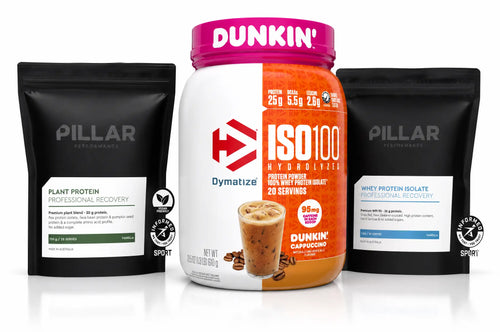
Getting 30 grams of protein into a bowl of oats comes down to what’s in your pantry, and a smooth, well-labeled isolate makes that a lot easier than a gritty tub with a mystery ingredient list. Certain supplement retailers stock flavor options that actually work in oats rather than fighting the recipe.
The Basic Supplements Isolate in Chocolate mixes cleanly into stovetop or overnight oats and pairs naturally with banana and cinnamon. If peanut butter oats are your go to, the Peanut Butter Cookie Isolate skips the extra spoon of nut butter entirely since the flavor’s already built in. For a dairy-free base, the Tropical Orange Mango Beef Isolate gives you an animal-protein option without lactose.
Whichever you pick, check the label for protein per serving and confirm the flavor before committing to a full tub. Browse the full lineup on the Nzsupps store and find the isolate that fits your next bowl.
Sources
- Protein Oatmeal
- Protein Oatmeal Recipe (32g Protein) – Real Life Nutritionist
- Protein Overnight Oats - Over 45g Protein Per Serving!