SHOP NOW, PAY LATER











 Informed Sport
 Informed Choice
 NSF Certified for Sport
 HASTA Certified

Proteases, enzymes like pepsin, trypsin and supplemental bromelain, break proteins into absorbable amino acids. Supplements clearly help when you have a diagnosed exocrine insufficiency or a related clinical condition, but evidence that they boost protein absorption in otherwise healthy people is limited. Check any product label for protease activity units before buying, and talk to a clinician if digestive discomfort is persistent rather than occasional.
TL;DR:
- Prescription pancreatic enzyme replacement therapy improves fat absorption and stool measures in diagnosed conditions such as chronic pancreatitis or cystic fibrosis; clinicians set the dose.
- For otherwise healthy people, blends sold without a prescription have limited evidence for improving protein absorption; any benefit is more likely comfort after meals.
- Choose labels that state protease activity in FCC, USP, or HUT units, identify whether enzymes come from pigs, fungi, or plants, and provide testing details.
- Take enzymes with or immediately before meals containing protein, and keep timing consistent while tracking bloating for one to two weeks.
- Persistent oily stools, foul odors, unexplained weight loss, or digestive symptoms warrant clinical evaluation; never change a prescription dose yourself.
Table of Contents
- Which digestive enzymes break down protein and where they act
- What the evidence shows: when supplements help versus when they probably don’t
- Common protease supplement ingredients and how they differ
- How to choose a digestive enzyme for protein-containing meals
- Foods that contain proteases and the limits of food enzymes
- Safety, interactions and when to see a clinician
- Author and publisher notes on choosing a transparent enzyme or protein retailer
- Differences in enzyme needs based on protein source
- How enzyme supplements interact with other fitness supplements
- When to take protein digestive enzymes relative to meals or workouts
- Potential benefits for fitness enthusiasts and athletes
- PERT versus OTC enzyme supplements: what separates them
- Where to check protein-friendly supplements
- Author perspective: pragmatic advice for people mixing enzymes with protein supplements
- FAQ
- Sources
Which digestive enzymes break down protein and where they act
Proteases are enzymes that catalyze the hydrolysis of peptide bonds, splitting proteins into smaller peptides and eventually free amino acids that your small intestine can absorb. The main human proteases work in sequence: pepsin starts the job in the stomach, and pancreatic proteases, trypsin, chymotrypsin, elastase and carboxypeptidase, finish it once food reaches the small intestine.
These enzymes do not work until they are activated. Your stomach cells release pepsinogen, an inactive precursor, which stomach acid converts into active pepsin. The pancreas similarly releases trypsinogen, which gets converted to active trypsin once it reaches the small intestine. Each enzyme also depends on a specific pH range: pepsin needs the stomach’s acidic environment, while trypsin and chymotrypsin need the more neutral to slightly alkaline conditions found further down the digestive tract.
Supplemental enzymes, whether from a capsule or a food source, work the same basic way: they act locally in the gut lumen on the protein you just ate. They do not get absorbed intact into your bloodstream. Like any other protein, the enzyme itself eventually gets broken down and digested after it has done its work, which is one reason effects are tied closely to timing with meals rather than building up over time.
What the evidence shows: when supplements help versus when they probably don’t
The clearest evidence for enzyme supplementation comes from people who cannot make enough of their own. Systematic review data on pancreatic enzyme replacement therapy shows that randomized trials in chronic pancreatitis, cystic fibrosis and other exocrine pancreatic insufficiency conditions find improved coefficient of fat absorption and reduced fecal fat compared with placebo. These are measurable, lab-confirmed outcomes, not just reported comfort.
Trials of pancreatic enzyme replacement therapy consistently show higher fat absorption and improved stool metrics in patients with diagnosed insufficiency, according to this review, though head-to-head comparisons between different branded PERT products remain limited.
The picture changes for over-the-counter, broad-spectrum enzyme blends marketed to generally healthy people. Johns Hopkins Medicine notes that the enzymes your body already produces are typically sufficient, and that OTC blends are commonly used for symptoms like gas and bloating rather than for any proven improvement in protein absorption. Evidence for these products tends to be mixed, and some of it comes from research funded by the companies selling the products, which is worth factoring into how much weight you give the claims.
The practical takeaway splits cleanly in two. If you have a diagnosed condition affecting enzyme output, pancreatic enzyme supplementation has real, trial-backed benefits for absorption. If you are generally healthy and trying an OTC protease blend for occasional bloating after a protein shake or a heavy meal, you are in trial-and-error territory, supported by limited evidence rather than established clinical proof.

Common protease supplement ingredients and how they differ
Not all proteases in supplements come from the same source, and the source affects potency, formulation and intended use.
Bromelain is a proteolytic enzyme derived from pineapple stems and fruit. It remains active across a fairly wide pH range, with an optimal window around 5.5 to 8, which makes it functional in parts of the digestive tract beyond just the stomach. It has been studied for both digestive support and anti-inflammatory effects, making it one of the more commonly used plant proteases in consumer products.
Papain, extracted from papaya, works similarly as a meat-tenderizing and digestive protease, though like other plant enzymes it is sensitive to heat and stomach acid, which limits how much activity survives digestion.
Pancreatin and pancrelipase are porcine-derived pancreatic extracts containing a mix of protease, lipase and amylase. These are the backbone of prescription PERT products and are manufactured to defined, tested enzyme unit measures, a different standard of potency and quality control than most OTC blends.
Fungal and plant protease blends are common in multi-enzyme consumer supplements, often combined with bromelain or papain to cover a broader range of digestive targets in one capsule.
How to choose a digestive enzyme for protein-containing meals
The ingredient list is only part of the story. Potency, source and manufacturing transparency matter just as much when you are comparing products.
- Look for protease activity listed in standardized units such as FCC, USP or HUT rather than just a milligram amount, since potency does not scale directly with weight.
- Check whether the product uses enteric coating if it is positioned for intestinal, PERT-like delivery, since uncoated enzymes can lose activity to stomach acid before reaching the small intestine.
- Confirm the enzyme source on the label, porcine, fungal or plant, which matters for both effectiveness and personal or religious dietary restrictions.
- Review storage and stability information, since enzyme activity can degrade with poor storage or past expiry.
Dosing varies widely depending on the product and the goal. Lactase supplements, for comparison, are typically dosed in a defined unit range per serving, while PERT dosing is condition-specific and set by a clinician based on the severity of insufficiency, not a generic serving size. Never adjust prescription enzyme doses on your own.
Quality signals worth prioritizing include third-party testing, available certificates of analysis, a transparent ingredient page, and clear expiry and stability claims. ConsumerLab testing has found some commercial enzyme products measure lower activity than their label claims, which is exactly why sourcing from retailers that publish verifiable testing data matters.
Pro Tip: Choose products listing activity in FCC, USP or HUT units rather than milligrams. Weight alone tells you almost nothing about how active an enzyme actually is.
Foods that contain proteases and the limits of food enzymes
Several whole foods carry natural proteases: pineapple contains bromelain, papaya contains papain, and kiwifruit contains a protease called actinidin. These are sometimes used as natural meat tenderizers or added to a meal for mild digestive support.

Cooking tends to denature these enzymes, and stomach acid degrades much of what survives, which is why food-derived proteases are not a substitute for clinical enzyme therapy. They may take the edge off meal-related heaviness or minor bloating for some people, but they are not a treatment for diagnosed malabsorption or exocrine pancreatic insufficiency.
Safety, interactions and when to see a clinician
Most people tolerate digestive enzyme supplements without serious issues. Mild gastrointestinal symptoms, nausea or loose stool, are the most commonly reported side effects. At very high prescription PERT doses, rare but documented cases of dose-related fibrosing colonopathy have appeared in the clinical literature, underscoring why prescription-strength dosing should always be managed by a clinician rather than self-escalated.
A few practical cautions:
- Porcine-derived pancreatin may conflict with religious or dietary restrictions, so check the source before buying.
- Amylase-containing blends can potentially interact with diabetes medications such as acarbose or miglitol, which also act on carbohydrate digestion.
- Anyone pregnant, breastfeeding or managing insulin-dependent diabetes should talk to a clinician before starting or stopping any enzyme supplement.
Rare, dose-related complications like fibrosing colonopathy have been documented with very high-dose pancreatic enzyme replacement therapy, a reminder that prescription-strength enzyme use belongs under medical supervision, not trial and error.
Seek medical review promptly if you notice unexplained weight loss, persistent signs of malabsorption like oily or foul-smelling stool, or if you are insulin-dependent and considering starting or stopping an enzyme regimen.
Author and publisher notes on choosing a transparent enzyme or protein retailer
We list full ingredient details on product pages, including flavor variants and sourcing notes, so you can check what you are buying before checkout. Our Nexus Super Protein pineapple listing is a good example of the level of label detail worth expecting from any retailer. When comparing enzyme or protein products anywhere, prioritize sellers who publish certificates of analysis, list clear activity units, and disclose expiry and stability information rather than vague potency claims.
Differences in enzyme needs based on protein source
Whey protein is fast-digesting and relatively easy for most people’s existing enzyme supply to break down, which is part of why it rarely triggers the same bloating complaints as other protein sources. Casein, by contrast, forms a slower-digesting curd in the stomach, meaning it sits longer under the action of pepsin and pancreatic proteases before it clears, which can feel heavier for some people even though total digestion eventually catches up.
Plant-based proteins, pea, soy, rice or hemp blends, bring a different complication: many contain fiber and anti-nutrient compounds like protease inhibitors that can blunt enzyme activity somewhat, plus fiber that slows overall transit. People who notice more bloating from plant protein than from whey are often reacting to the fiber and blend composition as much as the protein itself. If you have switched from whey to a plant protein and notice new digestive discomfort, it is worth considering whether the shift in fiber and protein structure, not necessarily a lack of enzymes, is the driver.
None of this means one protein source definitively needs more supplemental enzyme support than another in a healthy person. It means the digestive experience differs by source, and a protease supplement that helps with one type of protein meal will not necessarily be needed for all of them.
How enzyme supplements interact with other fitness supplements
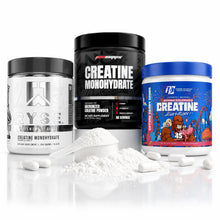
Digestive enzymes aimed at protein breakdown generally do not interfere with the two most common training supplements: creatine and BCAAs. Creatine monohydrate is absorbed largely intact and does not depend on protease activity, so taking an enzyme supplement alongside creatine should not meaningfully change how either works.
BCAAs are already free-form or very short-chain amino acids, meaning they require little to no digestive breakdown to be absorbed, so protease supplementation has essentially nothing to act on there. The more relevant interaction to watch is with amylase-containing multi-enzyme blends if you are on diabetes medication, since amylase activity touches carbohydrate digestion, which matters if you are also taking carbohydrate-based intra-workout products.
In practice, most people stacking a protease supplement with creatine, BCAAs or a pre-workout are not creating a meaningful enzymatic conflict. The bigger question is usually timing relative to food, not interaction with other supplements.
When to take protein digestive enzymes relative to meals or workouts
Enzymes work on the food that is physically present with them, so timing matters more than almost anything else about how you use them. Taking a protease supplement with or immediately before a protein-containing meal, rather than well before or long after, gives it the best chance to act while that protein is still in the stomach and upper small intestine.
For a post-workout protein shake, taking the enzyme at the same time as the shake, rather than hours later, follows the same logic. There is no evidence that taking enzymes well in advance of a meal provides any advantage, since the enzyme itself gets digested and loses activity over time whether or not it has encountered food. Our protein powder range shows current prices and stock.
If you are testing whether an enzyme supplement helps with meal-related bloating, keep the timing consistent, same enzyme, same point relative to the meal, for about one to two weeks, and track symptoms like bloating, stool changes or satiety so you can tell whether the pattern actually improved.
Potential benefits for fitness enthusiasts and athletes
For people eating large, protein-dense meals or relying on protein shakes to hit daily targets, the appeal of a protease supplement is straightforward: easier digestion of a bigger protein load and less bloating after a shake or a big post-workout meal. Some people report feeling less heavy or gassy after adding a protease blend to a large protein meal.
What is not well established is whether this translates into measurably more amino acids being absorbed into the bloodstream in someone who already digests protein normally. The clinical evidence for improved absorption is strongest in people with diagnosed pancreatic insufficiency, not in healthy athletes with normal enzyme output. For most fitness enthusiasts, the realistic benefit of a protease supplement is comfort and reduced bloating around protein-heavy meals, rather than a documented increase in muscle-building amino acid delivery.
PERT versus OTC enzyme supplements: what separates them
Prescription pancreatic enzyme replacement therapy and over-the-counter enzyme supplements look similar on a shelf but serve very different purposes. PERT products, like pancreatin formulated as gastro-resistant minimicrospheres, are manufactured to defined, tested enzyme unit measures for lipase, amylase and protease, and are prescribed for diagnosed conditions such as chronic pancreatitis, cystic fibrosis or post-surgical insufficiency. Dosing is set by a clinician and tied to lab-confirmed absorption metrics.
OTC enzyme blends, by contrast, are regulated as supplements rather than medications in most markets, which means manufacturing oversight and activity verification are typically less rigorous. Johns Hopkins Medicine notes that these products are commonly used for everyday symptoms like gas and bloating, but they are not a substitute for prescription therapy in anyone with a genuine enzyme deficiency. If you suspect an actual insufficiency rather than occasional discomfort, that distinction is exactly why a clinical diagnosis, not a supplement aisle, is the right starting point.
Where to check protein-friendly supplements
We carry a curated range of protein, creatine and recovery products with full ingredient listings, so you can check activity units and sourcing details before you buy. Our Nexus Super Protein page is a good starting point if you want to see that transparency in practice. Start with a single-serve size when trying something new, review the label closely, and check with a clinician if digestive symptoms persist.
Author perspective: pragmatic advice for people mixing enzymes with protein supplements
My honest view: most people chasing a protease supplement for better gains are solving a comfort problem, not an absorption problem, and that is fine as long as you treat it that way. Start low, test with one meal at a time, keep a quick symptom log, and favor products that list real activity units and a certificate of analysis over ones that just say “digestive blend.” If anything feels persistent or severe, see a clinician instead of guessing further.
— Blake
FAQ
What digestive enzymes help with protein?
The main proteases involved in protein digestion are pepsin in the stomach and pancreatic enzymes like trypsin and chymotrypsin in the small intestine. Supplements commonly add bromelain, papain or pancreatin to support the same process, though they work on the food present at the time rather than boosting your body’s own output.
What is the downside of taking digestive enzymes?
The most common downside is mild gastrointestinal upset, including nausea or loose stool, and rare, dose-related complications like fibrosing colonopathy have been documented at very high prescription PERT doses according to clinical review data. People with diabetes, pregnancy or specific dietary restrictions around porcine-derived ingredients should check with a clinician before starting.
What are the signs that I need digestive enzymes?
Persistent, unexplained symptoms like ongoing bloating, oily or foul-smelling stool, or unexplained weight loss are signs that warrant a clinical evaluation rather than a supplement purchase, since these can point toward an underlying insufficiency. Occasional bloating after a large protein meal is far more common and does not necessarily indicate a true enzyme deficiency.
What digestive enzymes supplement is best for protein?
There is no single enzyme that works best for everyone, since the right choice depends on whether you have a diagnosed condition or are managing occasional meal-related discomfort. For diagnosed insufficiency, prescription PERT with defined enzyme units is the standard; for general digestive comfort, look for a protease supplement listing its activity in FCC, USP or HUT units with transparent sourcing, such as this targeted enzyme blend.
Sources
- Digestive Enzymes 101: Why they’re important — Cleveland Clinic
- Digestive Enzymes and Digestive Enzyme Supplements — Johns Hopkins Medicine
- Systematic review: Pancreatic enzyme treatment of chronic pancreatitis — PMC
- Creon Micro datasheet — Medsafe (New Zealand)