SHOP NOW, PAY LATER











 Informed Sport
 Informed Choice
 NSF Certified for Sport
 HASTA Certified

If you are reading this, there is a good chance you are buying for Mum or Dad. Maybe their appetite has shrunk, maybe the doctor mentioned losing muscle, or maybe they have just started at the gym at 67 and want to do it properly. So is protein powder a good idea for older adults? For most healthy people, yes: needs go up with age, and a simple shake is one of the easiest ways to meet them.
The short answer
- Protein needs rise with age. Healthy over-65s are advised to aim for around 1.0 to 1.2g per kilogram of bodyweight a day, more if active or unwell.
- Spread it out. Around 0.4g per kilogram at each of three to four meals works better than one big serve.
- Pick gentle and simple. A whey isolate with minimal lactose, in a plain flavour like vanilla, suits most people.
- Pair it with strength training. Protein and resistance exercise work together to hold on to muscle.
Why protein needs rise with age
As we get older, muscles become less responsive to the protein we eat. Researchers call this anabolic resistance. In plain terms, the same meal that kept muscle topped up at 30 does less at 70.
At the same time, many older adults eat less overall. Smaller appetites, a lighter lunch, tea and toast for dinner: it adds up to less protein right when the body needs more. Over years, that gap can mean slowly losing muscle and strength, which affects everything from carrying shopping to getting up out of a chair.
The good news is that muscle still responds at any age. Enough protein plus regular strength work makes a real difference.
How much protein is enough?
The PROT-AGE study group, a panel of experts writing in 2013, recommended 1.0 to 1.2g of protein per kilogram of bodyweight a day for healthy people over 65. Those who are active, or recovering from illness, may need more.
Here is what that looks like for a 70kg person:
- Daily target: roughly 70 to 84g of protein.
- Per meal: about 0.4g per kilogram, or around 28g, across three to four meals.
That per-meal figure comes from research by Schoenfeld and Aragon on spreading protein through the day. It matters for older adults because a single large serve at dinner does less than steady amounts at breakfast, lunch and dinner.
Breakfast is where most people fall short. A shake alongside, or in place of, a light breakfast is often the easiest fix. For a wider look at daily targets, see our guide on how much protein per day.
One important note: anyone with kidney disease should check with their GP before increasing protein.
Choosing a powder: what actually matters
Forget the bodybuilder marketing. For an older adult, the best protein powder is the one that is easy to use every day.
Easy mixing. A powder that dissolves with a quick stir or a few shakes gets used. One that clumps gets left in the cupboard.
Low lactose. Many people become more sensitive to lactose with age. A whey isolate has most of the lactose filtered out, so it is usually gentler on the stomach.
Simple flavours. Vanilla is the most versatile. It works in water or milk, and it blends into porridge, yoghurt or a smoothie without tasting like a sports drink.
Sensible tub size. A big bag might be cheaper per serve, but if it takes a year to finish, a smaller tub makes more sense. Check the size options on each product page.
Our top picks for older adults
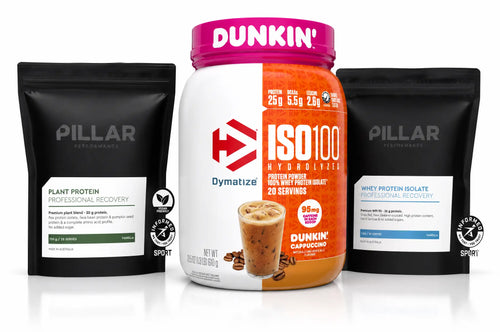
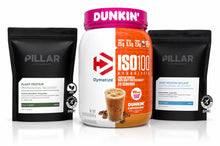
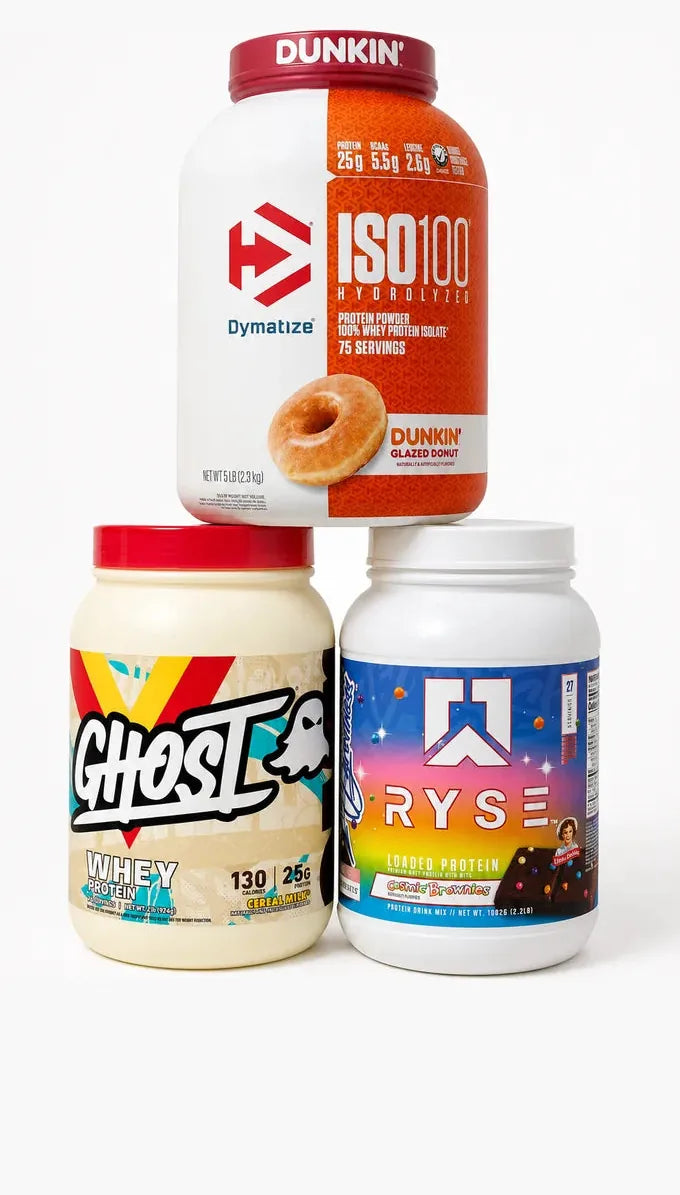
Dymatize ISO100 Gourmet Vanilla. A hydrolysed, ultra-filtered whey isolate with minimal fat, carbs and lactose. Each scoop gives 25g of protein for 120 calories, and it sits well on the stomach for most people. Our first pick for anyone with a sensitive gut.
Pillar Whey Isolate. Made from 100% grass-fed dairy, with around 26g of protein per serve and barely any lactose. It mixes thin and includes a digestive enzyme blend, so it is another very gentle option.
MusclePharm Combat 100% Whey Vanilla. A blend of whey isolate and concentrate with 25g of protein per scoop. It is low in sugar and gluten-free. A good choice for people who handle dairy fine and want a smooth, everyday shake.
Ready-to-drink options for convenience
Some people will never use a shaker. Arthritis in the hands, a small kitchen, or just not liking the fuss are all good reasons. That is where a ready-to-drink shake earns its place.
MusclePharm Combat Ready RTD Vanilla packs 40g of protein into a 500ml bottle, with no added sugar. It is built on a slow-digesting casein base, which makes it useful between meals or in the evening. For a smaller appetite, pour half, pop the rest in the fridge and finish it later in the day.
Browse our full range of RTD protein if you want other flavours or sizes to keep in the fridge.
Pair it with strength training
Protein on its own helps, but it works best when your muscles have a reason to use it. Two or three short strength sessions a week, even with light dumbbells, resistance bands or body weight, make a real difference over time.
If the person you are buying for already lifts, our guide to the lifters-over-40 stack covers what else is worth adding. Creatine is also getting more attention for healthy ageing, and our article on creatine for older adults explains the evidence.
Where NZ Supps fits
We stock a wide range of all protein, from gentle whey protein isolates to ready-to-drink bottles, and ship it quickly anywhere in New Zealand. If you want to compare the bigger picture first, our protein powder hub lays out the main types side by side.
Our honest take: start with a vanilla whey isolate, add one shake a day to the lightest meal, and build from there.
FAQ
Is protein powder good for older adults? It can be a very practical tool. Many older adults struggle to eat enough protein from meals alone, and a shake is an easy way to close the gap. It works best alongside regular meals and some strength training.
How much protein does someone over 65 need? Expert groups suggest around 1.0 to 1.2g of protein per kilogram of bodyweight each day for healthy over-65s, and more if they are active or recovering from illness. For a 70kg person that is roughly 70 to 84g a day.
What is the easiest protein powder for older adults to digest? A whey protein isolate is usually the gentlest choice because most of the lactose is filtered out. Dymatize ISO100 and Pillar Whey Protein Isolate are both good examples, and both mix thin and smooth.
Are ready-to-drink protein shakes a good option for seniors? Yes, especially for anyone who finds scooping and shaking a hassle. A ready-to-drink bottle needs no mixing. Larger bottles can be split across two sittings if the full serve feels like too much at once.
When should older adults have a protein shake? Use it to lift a meal that is light on protein, such as breakfast, or as a between-meal snack. Having one after a strength session is also a good habit. Spreading protein across the day matters more than exact timing.
Sources
Bauer et al. 2013, PROT-AGE study group, Journal of the American Medical Directors Association (pubmed.ncbi.nlm.nih.gov/23867520). Schoenfeld and Aragon 2018, Journal of the International Society of Sports Nutrition (jissn.biomedcentral.com).