SHOP NOW, PAY LATER









 Informed Sport
 Informed Choice
 NSF Certified for Sport
 HASTA Certified

Plain water covers most workouts under an hour. Once you push past 60 to 90 minutes, or you’re training hard in the heat, a carbohydrate-electrolyte sports drink earns its place because it can modestly boost endurance and delay fatigue. If you just need to replace sodium and potassium, without a pile of added sugar, an electrolyte-only mix is the better call, especially during illness or heavy, salty sweating.
TL;DR:
- Electrolyte-only drinks are best for heavy sweating, illness, or managing sodium and potassium without added sugar, especially during short workouts.
- Sports drinks with 6-8% carbohydrates provide a performance boost during efforts lasting over 60 minutes, but excessive concentration can cause stomach issues.
- For exercise under 60 minutes, water is sufficient; beyond that, choose a tailored carbohydrate-electrolyte beverage based on duration and intensity.
- Regular consumption of sports drinks outside of endurance exercise can lead to unnecessary sugar intake and dental erosion risks.
- Matching the hydration approach to workout duration, sweat rate, and health needs optimizes performance and recovery.
Table of Contents
- Electrolyte Vs Sports Drink: What Electrolytes Actually Do
- What Counts as a Sports Drink, and What’s in It
- Electrolyte Vs Sports Drink: Composition Side by Side
- When to Reach for Water Versus a Sports Drink
- Health Considerations Before You Reach for the Bottle
- How to Choose the Right Drink (or Mix Your Own)
- Why Trust This Guide on Electrolytes and Sports Drinks
- What the Research Actually Tells You to Do
- Where to Find Hydration and Recovery Products That Match This Guidance
- Sources
- FAQ
Electrolyte Vs Sports Drink: What Electrolytes Actually Do
Electrolytes are the minerals that carry electrical charge through your blood and tissues, and they run almost every function connected to movement; for a clinical primer explaining fluid and electrolyte physiology in accessible terms, see Fluid and electrolytes: Clinical primer for nursing students. Sodium and potassium fire the signals that make your muscles contract and your heart beat on schedule. Chloride helps balance fluid between the inside and outside of your cells. Magnesium and calcium round out the group, supporting muscle relaxation and nerve transmission.
Your kidneys handle electrolyte balance automatically under normal conditions, pulling from what you eat and drink. Replacement becomes a real issue only when you’re sweating heavily for a long stretch, sick with vomiting or diarrhea, or on medications that shift fluid balance.
- Sodium: regulates fluid balance and supports nerve and muscle signaling
- Potassium: works with sodium to maintain fluid balance and muscle contraction
- Chloride: helps maintain blood volume and pressure
- Magnesium and calcium: support muscle function and nerve transmission
Severe imbalances, like sodium dropping below 135 mmol/L, can cause confusion, cramping, or seizures, and that calls for medical attention, not another bottle of sports drink, according to clinical guidance on electrolyte physiology.
What Counts as a Sports Drink, and What’s in It
A sports drink is a carbohydrate-electrolyte beverage built to replace fluid and fuel muscles during exercise, and the carb content is what separates it from a plain electrolyte mix. Sports scientists sort them by concentration relative to blood plasma:
- Isotonic: roughly 6 to 8% carbohydrate, absorbed at a similar rate to fluid loss, the standard choice for most endurance training
- Hypotonic: lower carb concentration, absorbed faster, suited to quick rehydration without much fueling
- Hypertonic: higher carb concentration, used for topping up glycogen after exercise rather than during it
The carbohydrate is the real performance lever in longer efforts. Sodium’s job alongside it is retention, helping your gut hold onto fluid instead of flushing it straight through as urine. Newer formulations add amino acids or caffeine, which can extend the marketing pitch, but the core validated benefit still comes from fluid, electrolyte, and carbohydrate replacement rather than whatever add-in is on the label.
Electrolyte Vs Sports Drink: Composition Side by Side
The gap between these three options comes down to what they’re actually built to deliver, not just how they’re marketed.
| Factor | Water | Electrolyte drink | Sports drink |
|---|---|---|---|
| Best use case | Under 60 minutes, moderate intensity | Heavy sweat, illness, calorie-conscious hydration | Over 60–90 minutes, high intensity, race-day fueling |
| Electrolyte content | None | Sodium, potassium, sometimes magnesium | Sodium plus potassium, lower per serving than dedicated electrolyte mixes |
| Carbohydrate/sugar | None | Little to none | Typically 6–8% carbohydrate |
| Absorption/fuel role | Hydration only | Rehydration without fuel | Fuel plus fluid, aids intestinal fluid uptake |
| Health considerations | No downside | Low calorie, easy on teeth | Sugar and calories add up with frequent use |
For rehydration after real fluid loss, a 4% to 9% carbohydrate-electrolyte solution performs best, especially when whole food isn’t practical mid-workout. Below that range, you’re mostly drinking flavored water. Above it, the concentration can slow gastric emptying and cause stomach discomfort.
Electrolyte-only products fit best when you want the sodium and potassium without the calories, common for hot-weather training, post-illness recovery, or anyone managing sugar intake closely.
When to Reach for Water Versus a Sports Drink
The time and intensity thresholds here aren’t guesswork. Harvard’s Nutrition Source recommends water for most exercise under an hour, reserving sports drinks for high-intensity sessions that run longer.
- Under 60 minutes, moderate effort: water is enough for almost everyone, regardless of what supplement marketing suggests.
- 60 to 90 minutes, or high intensity in heat: a carbohydrate-electrolyte drink helps maintain pace and delay fatigue.
- Over 90 minutes, endurance events: pair a sports drink with a carbohydrate feeding plan, since fueling strategy matters as much as the drink itself.
- Heavy or salty sweat: check for white residue on dark clothing or gear; that’s a practical sign you’re losing more sodium than average and may need extra.
A 2026 systematic review found carbohydrate-electrolyte supplementation improved time to exhaustion, with some trials reporting roughly a 2% performance gain in trained cyclists during hard one-hour efforts. That’s a real but modest edge, mostly seen in trained athletes pushing near their limit, not casual gym-goers doing a light jog. A practical sodium target for long events runs around 300 to 600 mg per hour, though individual sweat rate varies enough that sweat testing gives a more precise number than any general rule.
Health Considerations Before You Reach for the Bottle
Sports drinks aren’t risk-free just because they’re marketed at athletes. Regular use outside of real endurance training adds sugar and calories you probably don’t need, and frequent sipping bathes your teeth in acid and sugar repeatedly through the day, raising dental erosion risk.
- People with kidney disease, high blood pressure managed with diuretics, or sodium-restricted diets should check with a clinician before adding electrolyte products.
- Kids and casual exercisers rarely need sports drinks for anything under an hour of activity, and public health guidance discourages routine use for this group.
- Overdoing sodium or potassium supplementation can itself cause imbalance symptoms, nausea, muscle weakness, irregular heartbeat, that warrant medical attention rather than more product.
Most casual exercisers already get what they need from a normal diet, and NPR’s reporting on hydration marketing makes the case that everyday electrolyte need is often overstated for people who aren’t training long or hard.
Pro Tip: If you’re not sure whether you actually need electrolytes day to day, read up on when electrolyte overuse becomes a real risk before adding a daily sachet out of habit.
How to Choose the Right Drink (or Mix Your Own)
Matching a product to your actual workout is simpler than the shelf makes it look.
- Check the carbohydrate grams per serving and divide by the fluid volume in milliliters, then multiply by 100 to get percentage. Aim for the 4% to 9% range for anything fueling long or intense exercise.
- Check sodium per serving. Anywhere from 200 to 700 mg per liter suits most athletes, higher for heavy sweaters, lower for casual sessions.
- Pick low-sugar electrolyte powders when you just need rehydration without fuel, and save full sports drinks for sessions where you genuinely need the carbohydrate.
- For a DIY mix, combine roughly one liter of water, a quarter teaspoon of salt, two to three tablespoons of sugar or honey, and a splash of citrus for flavor and a little potassium. This lands close to isotonic range without guesswork.
Pro Tip: Taste is a decent gut check. A properly mixed isotonic drink should taste only mildly sweet and barely salty, not like a sugary soda.
Why Trust This Guide on Electrolytes and Sports Drinks
This guide was written by Blake for Nzsupps, drawing on institutional nutrition guidance and recent peer-reviewed research rather than product marketing claims. Nzsupps is a New Zealand based retailer focused on hydration and performance supplements, and its blog covers related topics like sugar versus sugar-free electrolyte formulas in more depth for readers comparing specific products.
This article offers editorial guidance, not medical advice. Anyone managing a kidney condition, heart condition, or other medical issue affecting fluid balance should talk to a clinician before changing hydration habits.
What the Research Actually Tells You to Do
The evidence doesn’t support the idea that everyone training needs a sports drink, or that electrolyte marketing is mostly noise either. Both extremes miss the point. The real finding is narrower and more useful: carbohydrate-electrolyte drinks show a measurable, if modest, benefit for people training hard past the hour mark, and electrolyte-only products solve a real problem for anyone losing sodium fast without wanting the sugar load.
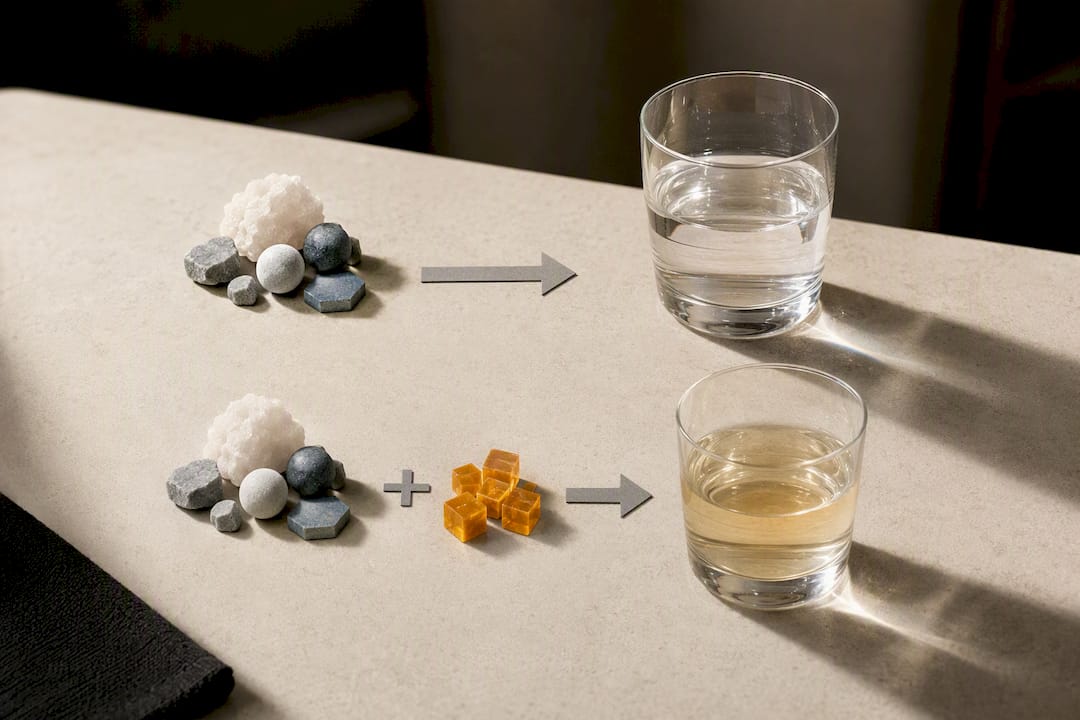
Where conventional advice falls short is treating this as a blanket rule instead of a threshold decision tied to duration, intensity, and how much you actually sweat. A 45-minute gym session and a 90-minute tempo run in July aren’t the same hydration problem, and they shouldn’t get the same bottle.
If you take one thing from this, prioritize matching the product to the session, not the other way around. Check the label, know your sweat rate, and stop assuming more electrolytes always means better performance. Sometimes the answer is just water, and that’s fine.
— Blake
Where to Find Hydration and Recovery Products That Match This Guidance
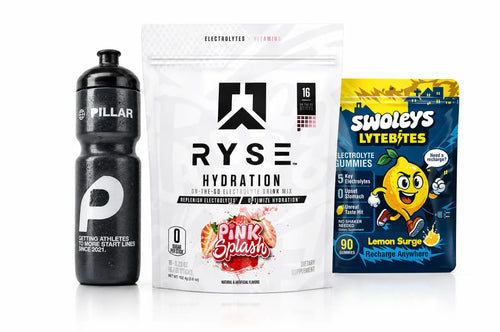
There are electrolyte and hydration options available that fit within the formulation ranges covered above, offering choices from lower-calorie electrolyte powders to full training and recovery lineups for comparison.
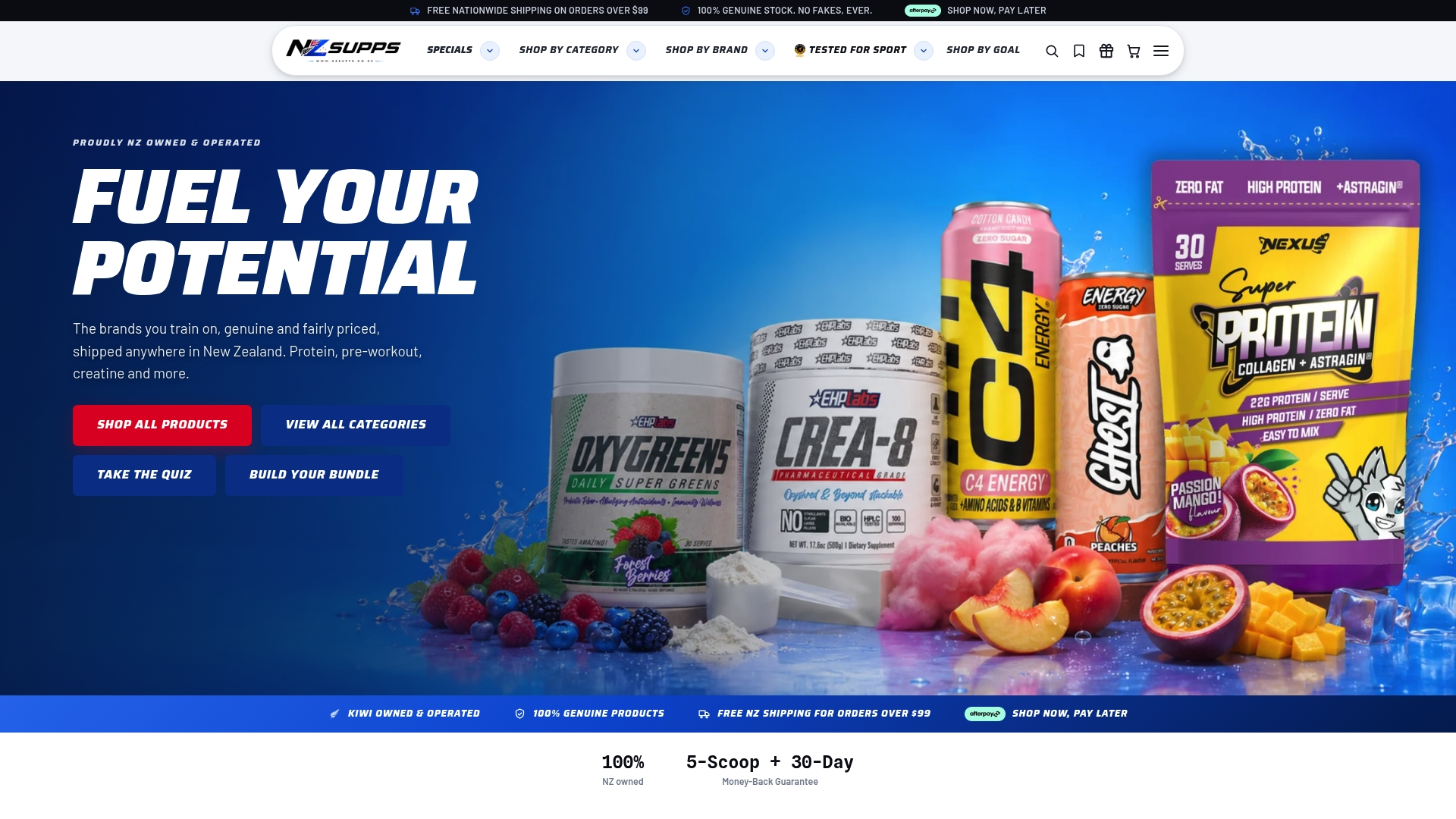
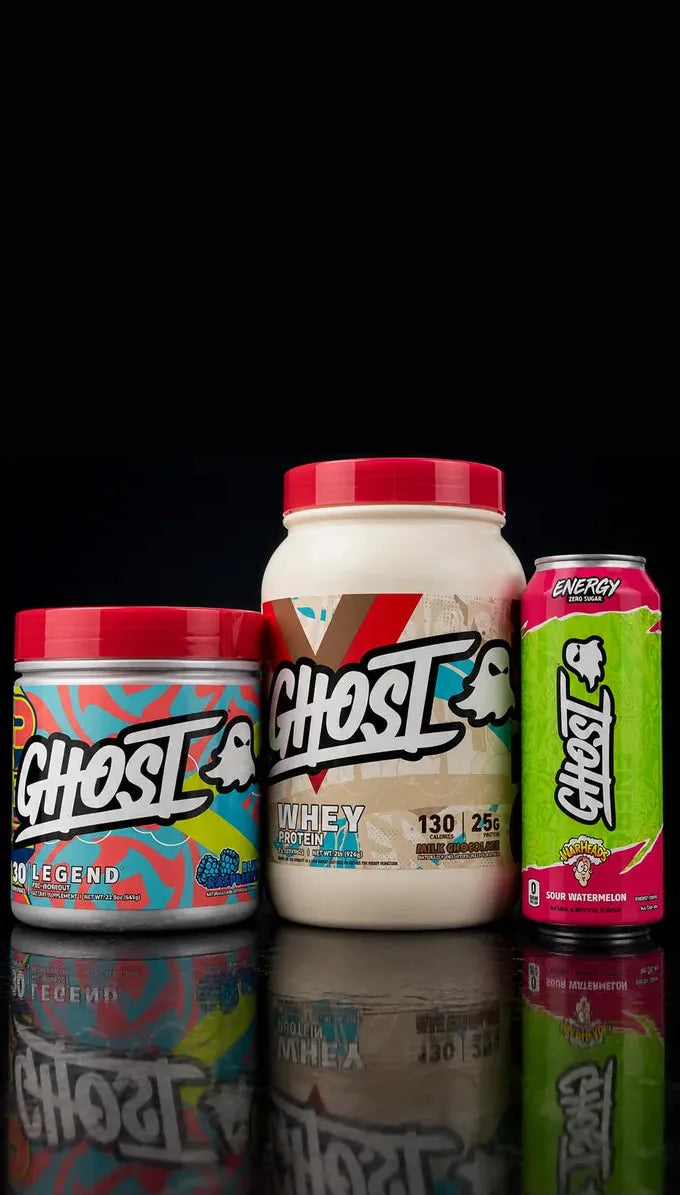
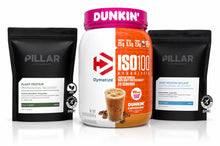
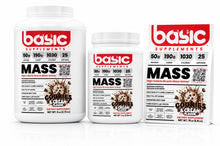
For long training sessions requiring fuel alongside electrolytes, protein and pre-workout formulas from popular brands are often available alongside hydration products, making it easier to find nutrition options without shopping from multiple retailers. Check the label on any electrolyte or hydration product for carbohydrate percentage and sodium per serving before buying, using the thresholds covered earlier as your benchmark. If recovery is the priority after long training blocks, the Basic Supplements Beef Isolate in Tropical Orange Mango is worth comparing against your current post-workout routine. For specific questions about sodium content or serving sizes on any product, customer service teams can often assist in explaining the label before you check out.
This article is general information, not a substitute for advice from a qualified doctor. Consult a qualified healthcare professional about your own circumstances before acting on anything here.
Sources
- Sports Drinks — The Nutrition Source, Harvard T.H. Chan School of Public Health
- PubMed indexed study on effective carbohydrate-electrolyte concentrations
- Sports and hydration for athletes: Q&A with a dietitian — Johns Hopkins Medicine
FAQ
Are Sports Drinks Good for Replacing Electrolytes?
Yes, for sessions over 60 to 90 minutes or heavy sweating, but for everyday hydration they add sugar and calories you likely don’t need.
Is It Better to Drink Electrolytes or Just Water?
For workouts under an hour at moderate intensity, water is enough; electrolytes help more during long, intense sessions or heavy sweat loss.
Should I Drink Electrolytes if I Have Diarrhea?
Yes, an electrolyte solution helps replace sodium and potassium lost through illness, and a low-sugar option is generally gentler on the stomach than a full sports drink.
Is It Better to Drink Gatorade or Electrolytes?
It depends on the goal: a carbohydrate-electrolyte drink like Gatorade helps during long, intense exercise, while a low-calorie electrolyte mix is better suited to plain rehydration or illness recovery.