SHOP NOW, PAY LATER













 Informed Sport
 Informed Choice
 NSF Certified for Sport
 HASTA Certified

Pre-workout can clump when the powder takes up moisture, including humidity introduced during storage and use. Clumps do not automatically prove a product is spoiled, but appearance alone cannot prove it is suitable to use either.
If a tub arrives hard, changes unexpectedly or has been exposed to water, keep the packaging and ask the retailer or manufacturer about that specific product. Do not turn a general explanation of moisture into a blanket "just break it up and drink it" rule.
The short answer
- Check the seal, date, storage history and any unexpected changes.
- Keep the original tub, batch details and photos if you need help.
- Prevent moisture getting in; do not try to repair questionable powder with heat or kitchen ingredients.
Why powder that was loose can become lumpy
Powders and their ingredients differ in how they behave around moisture. Opening a container lets it interact with the surrounding air, while a wet scoop can introduce water directly. The finished formula and packaging influence what you see, so two tubs stored nearby may not behave identically.
Cellucor's own support guidance discusses moisture and clumping, including storage advice and what information to provide when seeking support. That is useful manufacturer context, but it is not a guarantee about every brand or every clumped tub.
A better question than "is all clumpy powder safe?" is "what happened to this product, and what does its maker advise?" A newly delivered sealed tub, a tub left in a hot car and a tub splashed with water are different cases.
Check the container before the powder
Start with the simple things. Was the original seal intact when you first opened it? Is the lid closing properly? Is the best-before or use-by marking readable? Has the container been damaged or moved into a different package?
Keep the batch or lot code. It helps the retailer identify the product involved. The purchase date alone may not identify the production batch, and a photo of the front label alone may leave out the useful information.
If the product arrived with a broken seal, stop there and contact the seller before use. You do not need to taste it to provide a useful report. Keep the packaging rather than transferring the contents into a cleaner-looking jar.
A practical check for different situations
| Situation | Sensible next step |
|---|---|
| Newly delivered tub is unexpectedly hard or clumped | Photograph the seal, powder, date and batch code; contact the seller |
| Scoop was put back wet | Stop using the affected tub and ask for product-specific advice |
| Tub was stored somewhere hot or damp | Explain the storage history when seeking advice |
| Visible mould, unusual discolouration or an unexpected smell | Do not use it or taste-test it |
| Small dry clumps with an otherwise normal history | Check the manufacturer's guidance for that formula; appearance is not a safety certificate |
These checks help describe the problem. They cannot test microbial contamination or confirm that the ingredients still match the label. Avoid asking a social-media photo to do a laboratory's job.
Do not judge potency from texture
A lumpy scoop does not tell you how much caffeine or another active ingredient is present in that portion. Nor does a loose powder guarantee that a product has been stored correctly. Texture is an observation, not an ingredient measurement.
Clumping can also make the usual volume measure harder to interpret. A chunk balanced in a scoop is not the same measuring situation as a level scoop of loose powder. Do not compensate by guessing a larger amount or taking extra because you assume the product has become weaker.
Our pre-workout caffeine guide explains why the exact formula matters. The label remains the reference for the intended serving, while a questionable product condition is a separate issue to resolve before use.
The storage habits worth keeping
Use the original container and close it properly after each use. Keep the scoop clean and completely dry. Choose a storage spot that follows the label, away from cooking steam, direct sun and places prone to heat or damp.
Think about the whole journey, not just the cupboard. A tub stored neatly at home may still spend hours in a gym bag or vehicle. If carrying powder is part of your routine, protect the labelled container and avoid leaving it in conditions the directions tell you to avoid.
Do not shake condensation from a cold drink near an open tub or dip the scoop back in after stirring. Small practical habits are easier than trying to rescue a container once water has entered it.
For related dry-food storage considerations, our protein powder expiration guide covers another supplement category. Follow the specific pre-workout label rather than borrowing a shelf-life number from a different powder.
What about the little packet inside?
Some products contain a moisture-control packet. Follow the packaging instructions for it, keep it intact and do not eat its contents. Do not assume every packet is the same or add an improvised replacement from another product.
If it is damaged, explain that to the manufacturer before using the powder. The presence of a packet does not mean unlimited humidity exposure is harmless, and its absence does not by itself establish a fault if the product was packaged without one.
Do not put rice, bread, another food or an unapproved drying material in the tub. You would be adding a new ingredient and possible contamination rather than following the product's storage system.
Avoid kitchen rescue methods
Microwaving, baking or deliberately heating a tub to dry it is not a reliable way to establish safety or preserve the formula. Blending a hard mass into a powder may change its appearance without answering why it became hard in the first place.
Ask for advice before taking steps that destroy useful evidence. Photos of the original condition, container and code are more helpful than a report that you have already heated, blended or mixed the contents with something else.
A replacement or refund depends on the circumstances and the seller's process. Do not assume a manufacturer's overseas policy applies to a purchase from a New Zealand retailer. Give NZ Supps the order details so the team can assess the actual order.
Where NZ Supps fits
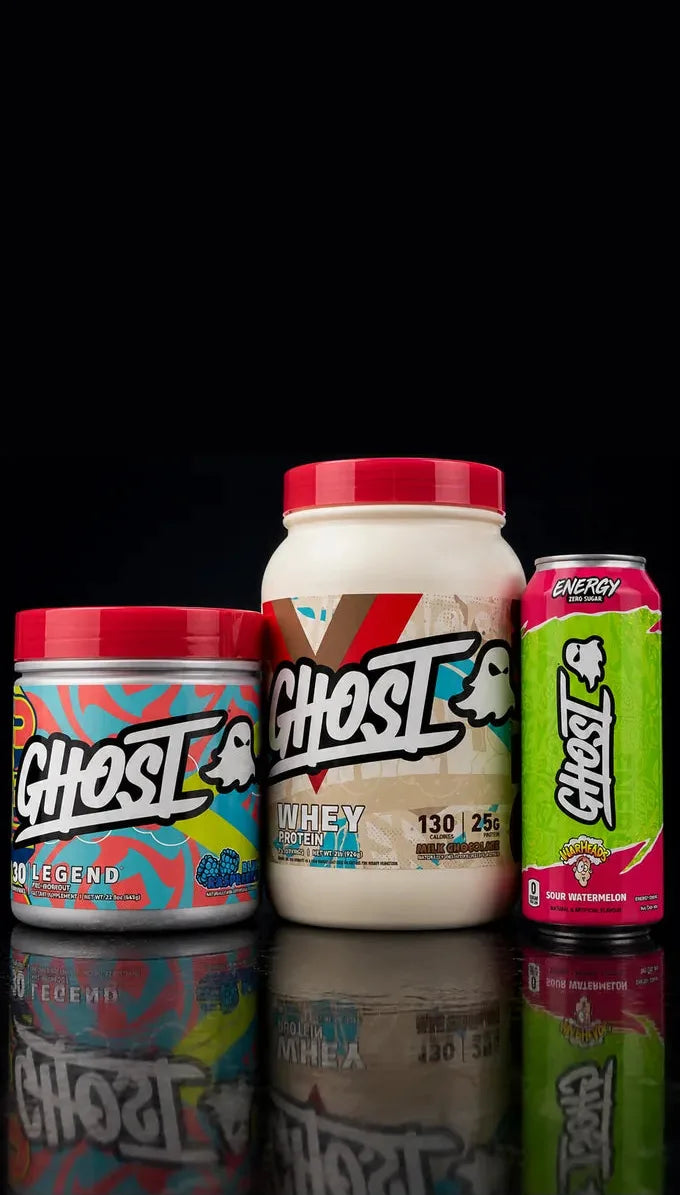
Check the directions on the individual products in our pre-workout collection, including Ghost Legend V4 Blue Raspberry if that is the tub you own. For an unexpected condition, contact the team with the product name, order reference, batch code, date marking and photos.
Buying another tub is not the first step when a recent purchase looks wrong. Establish what happened to the existing one and get a clear product-specific answer.
Frequently asked questions
Does clumping mean pre-workout has expired?
Not necessarily. Check the date and storage history separately. Clumping alone cannot establish expiry or suitability.
Can I use a blender to break up hard powder?
Do not use that as a safety fix. It changes texture without resolving the cause, and you should get product-specific advice first.
Should I put my tub in the fridge?
Follow the label rather than choosing refrigeration by default. Opening a cold container in humid air can introduce condensation, so ask the manufacturer if storage instructions are unclear.
Can a wet scoop cause a problem?
A wet scoop introduces moisture directly into the tub. Keep it dry, and seek advice if water has entered the powder.
Does clumpy powder contain less caffeine?
You cannot determine caffeine content from texture. Do not take extra to compensate for an assumed loss of strength.
What photos should I send about a clumped tub?
Include the powder, front label, seal or lid, date marking and batch code. Add the order details and an honest account of storage.