SHOP NOW, PAY LATER












 Informed Sport
 Informed Choice
 NSF Certified for Sport
 HASTA Certified

The best magnesium for sleep in NZ is the one that fixes an actual shortfall, taken as a form your stomach tolerates. Glycinate is the form most people search for, and it is a reasonable choice, but no form of magnesium has strong head-to-head evidence as a sleep cure. If you want a stocked option, Pillar Performance Triple Magnesium combines glycinate, citrate and an amino-acid chelate for 310mg of elemental magnesium per serve at $1.19 a serve.
Searches for magnesium glycinate and sleep have exploded in New Zealand this year, and the marketing has run well ahead of the research. Magnesium is genuinely involved in normal nervous-system and muscle function, and correcting a real deficiency matters. That is a different claim from "this powder will sedate you", and the difference decides whether you waste money.
This guide covers what the evidence actually shows, which form to pick, and how the stocked options compare. If you want the deep chemistry, the magnesium glycinate vs citrate guide covers the forms in detail.
Magnesium for sleep at a glance
| Question | Short answer |
|---|---|
| Does magnesium help sleep? | Evidence is mixed and mostly low quality. Most useful if your intake is actually low |
| Is glycinate the best form for sleep? | It is well tolerated, but no trial proves it beats citrate or other forms for sleep |
| How much should you take? | Stay at or under 350mg per day from supplements unless a clinician says otherwise |
| When should you take it? | Evening suits most routines, but consistency matters more than the clock |
| What else affects sleep more? | Caffeine timing, light, alcohol and sleep schedule, by a wide margin |
What the sleep evidence actually shows
A 2021 systematic review of oral magnesium for insomnia in older adults found that supplementation shortened the time to fall asleep by about 17 minutes on average, while grading the overall evidence as low to very low quality. The trials were small, short and used different doses and forms.
One frequently cited randomised trial in elderly adults reported improvements in sleep time and sleep efficiency with 500mg of daily magnesium. Participants were older adults, many of whom likely had low intakes to start with. That detail matters: topping up a shortfall is where magnesium looks best.
The NIH magnesium fact sheet lists magnesium-rich foods first: nuts, seeds, legumes, whole grains and leafy greens. If your diet already covers the recommended intake, a sleep miracle from an extra powder is unlikely. If your diet is thin on those foods and you train hard, a supplement has a clearer job to do.
Why everyone searches for glycinate
Magnesium glycinate binds the mineral to glycine, an amino acid that has its own small body of sleep research. That association does a lot of marketing work. Taking magnesium glycinate is not the same as taking a studied dose of free glycine, and there is no good trial showing glycinate outperforms other forms for sleep.
What glycinate genuinely offers is gut comfort. Citrate can loosen stools as the dose rises, and glycinate is the form people commonly switch to when that happens. If you tolerate both, there is no strong reason to pay a premium for either. The form comparison guide explains the absorption evidence in plain English.
One practical warning: read the elemental magnesium line on the label, not the compound weight. A tub can advertise 2,000mg of "magnesium glycinate" that supplies only about 200mg of actual magnesium. Every comparison should happen on the elemental number.
The stocked option: Pillar Triple Magnesium
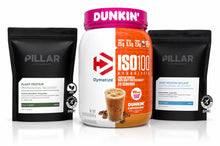
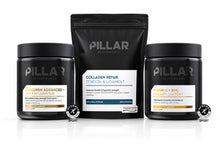
Pillar Performance Triple Magnesium Powder is the dedicated magnesium product in the NZ Supps range, and its formula is a sensible answer to the form debate: it blends all three common organic forms rather than betting on one. Each 5g serve supplies 310mg of elemental magnesium, split across 210mg from an amino-acid chelate, 50mg from citrate and 50mg from glycinate.
At $47.69 for 40 serves it costs about $1.19 a serve. Pillar builds for athletes and carries independent sport certification on its range, which matters if you compete under testing. Check the live label and certification for your exact batch before relying on it, because formulas change.
The budget alternative in the range is Nexus Triple Magnesium Unflavoured at $45.96 for 50 serves, about $0.92 a serve, using the same three-form approach without flavouring. Unflavoured also means it disappears into a protein shake. Between the two, Pillar buys the sport-certification pedigree; Nexus buys more serves per dollar. Either beats paying sleep-marketing prices for a token elemental dose.
Fix the cheap stuff first
Magnesium sits well down the list of things that move sleep. Caffeine is the big one for gym-goers. A 300mg pre-workout at 5pm is still roughly half-active at 11pm, because caffeine's half-life runs around five to six hours. If that is your evening, no mineral will out-argue the stimulant.
Check your caffeine timing against the pre-workout caffeine guide and the energy drink caffeine bands. Train in the evening? A stim-free pre-workout keeps the session without the 1am ceiling stare.
Alcohol, bright screens late, an inconsistent wake time and an overheated room all beat magnesium for effect size too. A supplement can support a decent routine. It cannot compensate for one that works against you.
How much magnesium is safe?
The tolerable upper intake level for supplemental magnesium is 350mg a day for adults, set by the US Food and Nutrition Board. That covers supplements and medicines, not the magnesium naturally in food. High supplemental doses commonly cause diarrhoea, cramping and nausea.
Count every source. Electrolyte powders, pre-workouts, sleep blends and multivitamins can all carry magnesium, and the totals stack quietly. If you have kidney disease, take antibiotics or bisphosphonate medicines, or are pregnant, talk to a doctor or pharmacist before adding a magnesium supplement. Impaired kidney function raises the risk from excess magnesium considerably.
Want a straightforward option? Check the live label on Pillar Triple Magnesium, browse the wider Pillar Performance range, or use the stack finder if you are still working out what belongs in your evening routine. If your sleep problem is persistent, loud snoring, gasping or daytime exhaustion, see a doctor rather than a supplement aisle.
Does magnesium glycinate help you sleep?
It can contribute if your magnesium intake is low, and glycinate is a well-tolerated way to take it. Direct evidence that glycinate improves sleep more than other forms does not currently exist. Expect support, not sedation.
How long before bed should you take magnesium?
There is no proven optimal window. Taking it with an evening meal is a practical habit that helps absorption-related stomach comfort. Daily consistency matters more than precise timing.
Can you take magnesium every night?
Many healthy adults can, within the 350mg supplemental limit. People with kidney problems or on interacting medicines need medical advice first. If you need escalating doses to feel any effect, the supplement is probably not the answer to your sleep problem.
What is the best form of magnesium for sleep?
No form has won that contest in head-to-head trials. Glycinate and citrate are both reasonable; blends cover the bases. Choose on elemental dose, gut tolerance and price per serve rather than sleep marketing.
Sources and health note
- NIH Office of Dietary Supplements magnesium fact sheet
- 2021 systematic review of oral magnesium for insomnia in older adults
- Randomised trial of magnesium supplementation and sleep in elderly adults
This article is general information, not medical advice or an insomnia treatment plan. Persistent sleep problems, suspected sleep apnoea, restless legs or sleep trouble alongside low mood deserve assessment from a doctor. Product prices were checked on 6 August 2026 and change without notice.