SHOP NOW, PAY LATER










 Informed Sport
 Informed Choice
 NSF Certified for Sport
 HASTA Certified
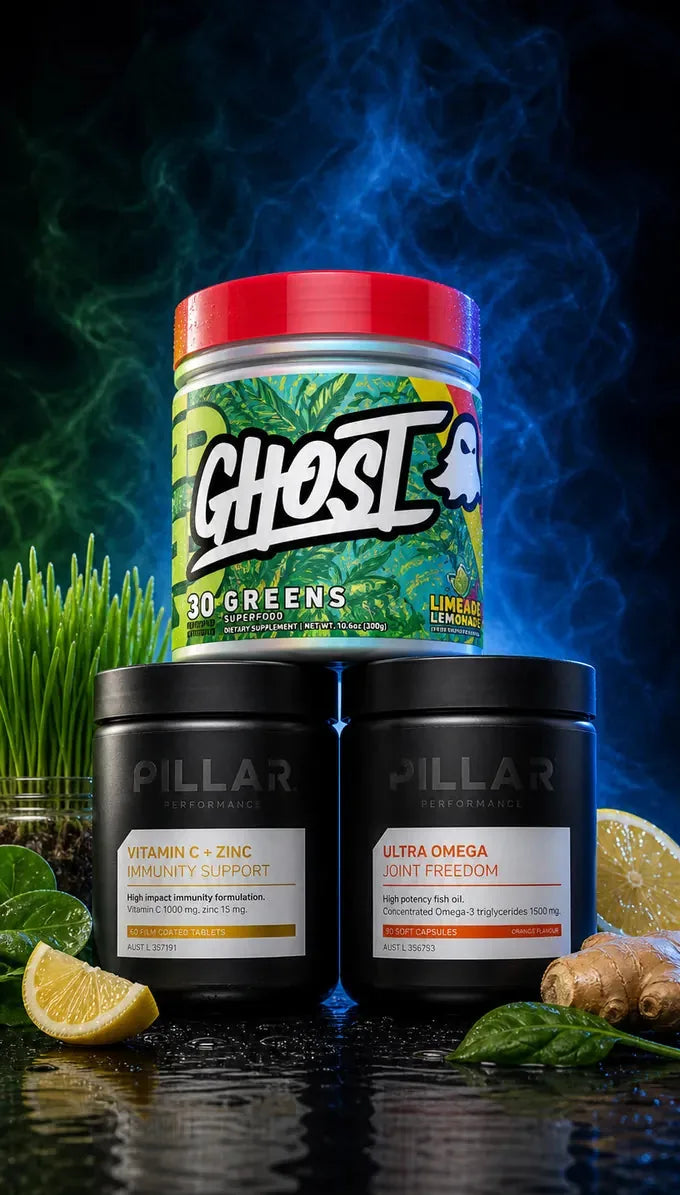

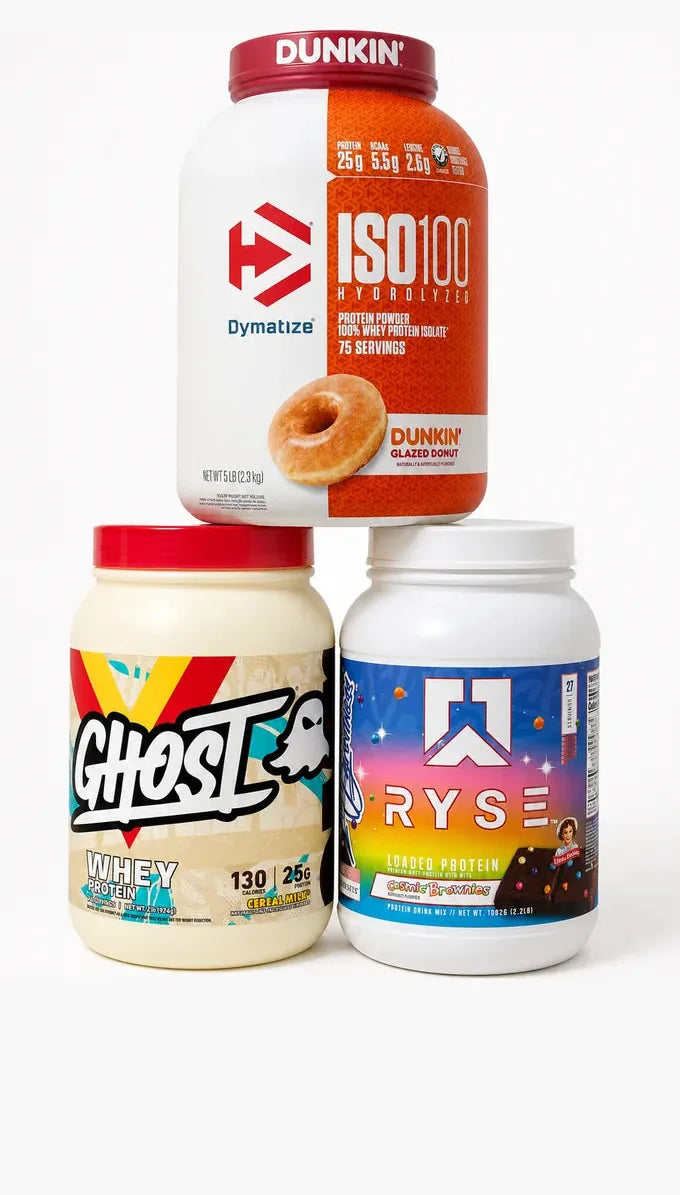
Only four supplement categories have real evidence behind them for a cutting phase: protein, creatine monohydrate, caffeine (with or without green tea extract), and soluble fiber. Everything else is either marginal or unproven. None of them replace a calorie deficit, adequate protein from food, resistance training, and sleep. Get those four fundamentals right first, watch your total caffeine intake, and check with a clinician before adding anything if you’re on medication or managing a health condition.
TL;DR:
- Only four supplement categories—protein, creatine, caffeine, and soluble fiber—have strong evidence supporting their use during a cutting phase.
- Adequate daily protein intake (1.6 to 2.2 grams per kilogram) is crucial for muscle preservation, especially when in a calorie deficit.
- Creatine monohydrate at 3 to 5 grams daily helps maintain strength and performance without affecting fat metabolism.
- Combining caffeine and green tea extract can modestly boost fat oxidation and improve workout intensity, but total stimulant intake must be monitored.
- Choose supplements with transparent dosing, third-party testing, and only add them after establishing diet and training consistency.
Table of Contents
- What Actually Works: Evidence-Backed Supplement Categories for Cutting
- How to Choose Supplements for a Cut
- Dosing and Timing for the Main Cutting Supplements
- Safety, Interactions, and Practical Cautions During a Cut
- How Blake and Nzsupps Approach the Evidence
- A Realistic Weekly Approach That Actually Holds Up
- Finding the Right Products Without the Guesswork
- Sources
- FAQ
What Actually Works: Evidence-Backed Supplement Categories for Cutting
Most of what gets marketed as a “fat burner” does very little on its own. A handful of ingredients have data behind them, and they earn a spot in a cutting stack for specific reasons, not because they melt fat directly.
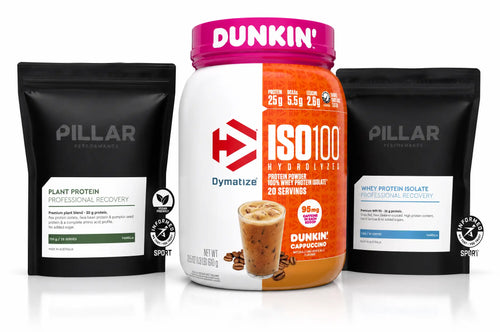
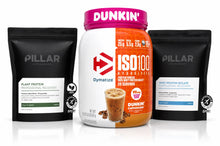
Whey and casein protein top the list, and not because protein powder is magic. During a calorie deficit, your body is more likely to pull energy from muscle tissue unless protein intake stays high. Hitting 1.6 to 2.2 grams per kilogram of body weight daily helps preserve lean mass and keeps you fuller between meals, which matters more than almost anything else on this list. A scoop of isolate or a lean beef isolate makes hitting that number practical when whole food alone falls short.
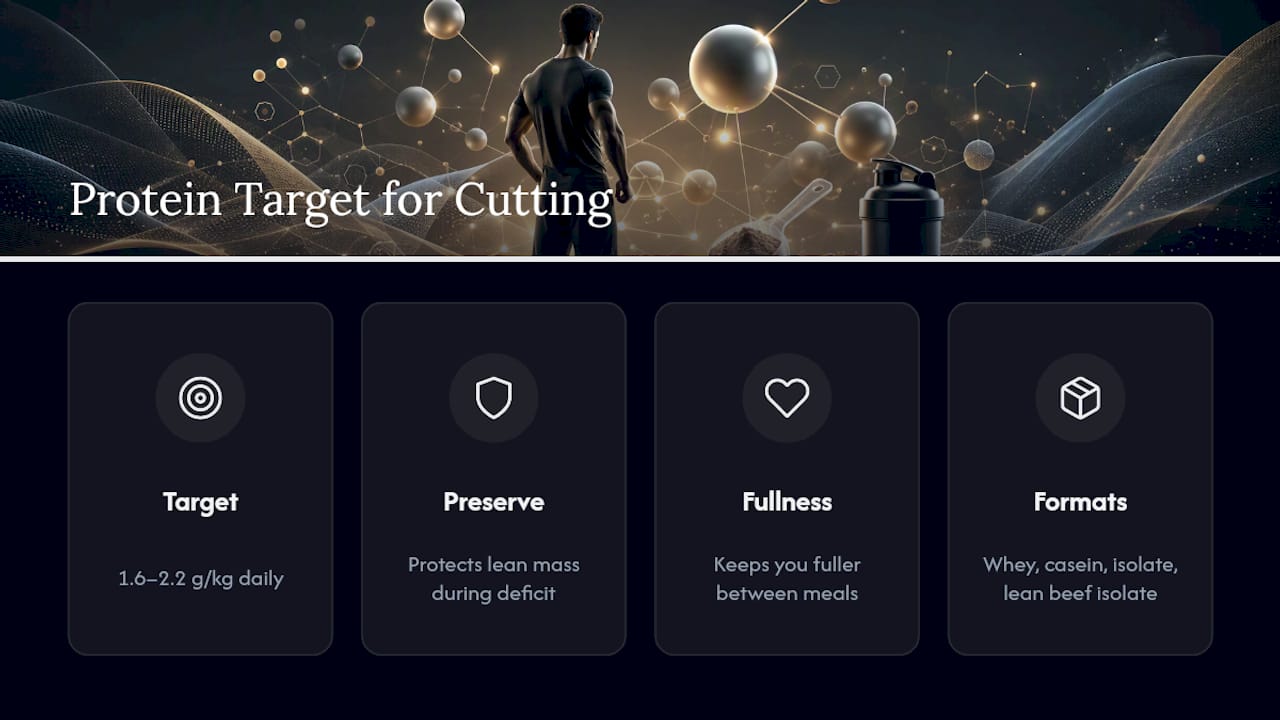
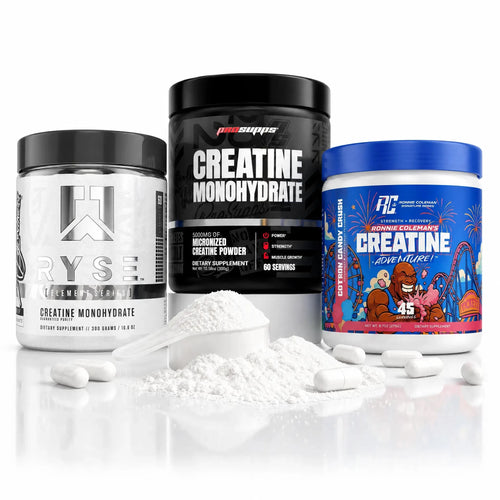
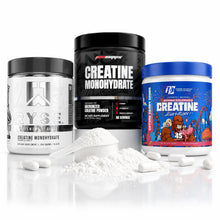
Creatine monohydrate doesn’t touch fat metabolism at all. What it does is protect strength and training output while calories are restricted, which is exactly when performance tends to slip. The standard dose is 3 to 5 grams daily, no loading phase required. Some water retention is normal and has nothing to do with fat gain.
Caffeine and green tea extract are the closest thing to a real thermogenic combo. Some studies show fat oxidation increasing by roughly 16% versus placebo when the two are combined, though the real-world effect on the scale is modest and shows up mostly through better training intensity.
Soluble fiber like glucomannan or psyllium works differently: it slows digestion and increases fullness, which can lower how much you eat later in the day.
A trial comparing a supplement group to placebo over 8 weeks found a difference of about 4.2 pounds lost versus 0.9 pounds — a real but modest gap that disappears fast without diet and training behind it.
Ingredients like L-carnitine, berberine, and yohimbine show up in a lot of “cutting stacks,” but the human evidence for each is thin or mixed. They’re not necessarily useless, they’re just lower priority than the four above.
How to Choose Supplements for a Cut
The supplement aisle rewards marketing more than it rewards evidence, so the buying decision matters almost as much as the ingredient choice itself.
- Check for per-ingredient dosing. If a label lists a “proprietary blend” with no individual amounts, you have no way to know if the dose is clinically relevant or just present in trace amounts.
- Look for third-party or batch testing. The supplement industry is largely self-policed, and independent testing is one of the few real signals that what’s on the label matches what’s in the container.
- Diagnose your actual problem first. Are you constantly hungry, dragging through workouts, or losing strength? Pick a supplement that targets that specific issue rather than grabbing an all-in-one stack with a dozen ingredients at fractional doses.
- Add up your total daily caffeine across coffee, pre-workout, and fat burners before assuming one more product is safe to stack in.
- Compare cost per effective dose, not the price on the front of the label. A cheaper product with an underdosed active ingredient is worse value than a slightly pricier one dosed correctly.
Pro Tip: Read the supplement facts panel before the marketing copy. If a product won’t tell you how much of its “key ingredient” is actually in each serving, assume it’s underdosed.
Some supplement retailers list ingredient amounts directly on product pages rather than hiding them behind blend names, and a quick read of how to check testing on a New Zealand label walks through what to look for before you buy.
Dosing and Timing for the Main Cutting Supplements
Getting the dose right matters more than the brand you buy.
- Protein: total daily intake matters most. Spread 20 to 40 grams per serving across three to four meals, hitting your 1.6 to 2.2 g/kg target. Post-workout timing is convenient, not mandatory.
- Creatine: 3 to 5 grams daily, any time of day, taken consistently rather than perfectly timed.
- Caffeine and green tea extract: 200 to 400 milligrams total daily depending on tolerance (roughly 3 to 6 mg/kg body weight), taken 30 to 60 minutes before training. Cut off intake at least six hours before bed. If you’re new to stimulants, understanding how caffeine affects training performance helps you find your own tolerance without overshooting it.
- Soluble fiber: 5 to 15 grams before your largest meals, with a full glass of water. Start at the low end. Jumping straight to 15 grams tends to cause bloating and GI discomfort that has nothing to do with the supplement “not working.”
Safety, Interactions, and Practical Cautions During a Cut
Stimulants are where most cutting-supplement problems actually happen. Elevated heart rate, higher blood pressure, jitteriness, and disrupted sleep are the most common complaints, and they get worse fast when caffeine sources stack across multiple products without anyone tracking the total.
Concentrated extracts carry more risk than whole-food equivalents. High-dose green tea extract has been linked to liver strain in rare cases, and yohimbine can spike blood pressure and heart rate sharply in sensitive people. The NIH Office of Dietary Supplements flags limited human safety data on several popular weight-loss ingredients, which is worth remembering before assuming “natural” means risk-free.
Talk to a clinician before adding stimulant-based supplements if you have cardiovascular disease, high blood pressure, diabetes, or if you’re pregnant or breastfeeding, and always if you’re on prescription medication that affects heart rate or blood pressure.
- Cycle stimulant thermogenics every 6 to 8 weeks to manage tolerance and protect sleep quality.
- Never combine a pre-workout, a standalone fat burner, and coffee without adding up the caffeine across all three.
- Stop and reassess if you notice a resting heart rate that stays elevated or sleep that won’t normalize.
How Blake and Nzsupps Approach the Evidence
This guide draws on ingredient-level sources rather than finished-product marketing, including the NIH Office of Dietary Supplements, Mayo Clinic’s weight-loss research overview, and independent testing frameworks like BarBend’s fat burner reviews. Blake, who covers supplement ingredients and dosing for Nzsupps, applies the same standard across the site’s other guides:
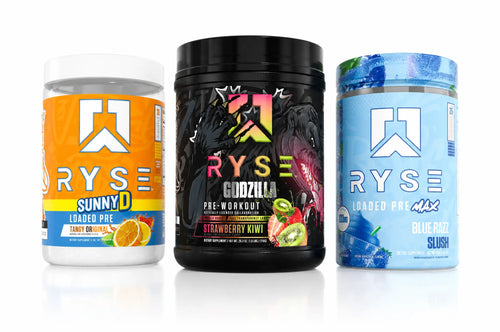
- What pre-workout ingredients actually do and how they’re dosed
- Which protein powders make sense for a cutting phase
- How to tally caffeine content across pre-workout products
Some supplement retailers list per-ingredient doses on product pages rather than relying on blend names, so readers can check a label against the same evidence cited here before buying.
A Realistic Weekly Approach That Actually Holds Up
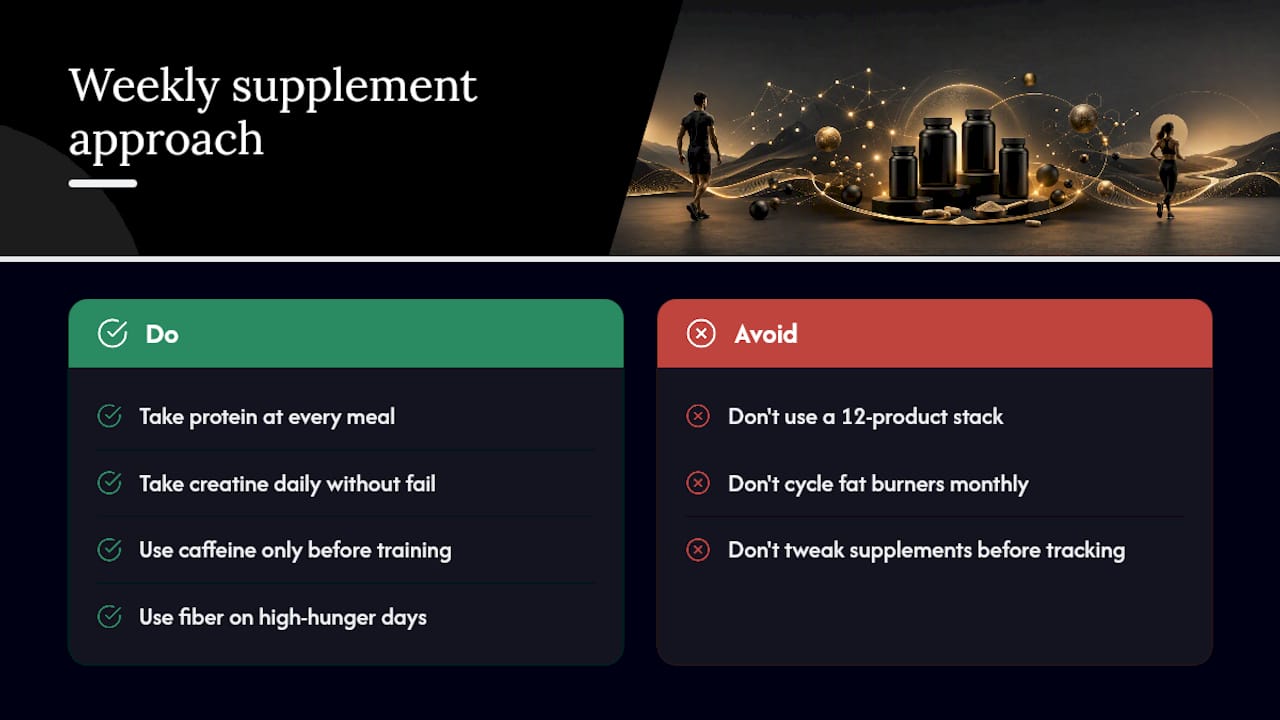
If you want a starting point, it looks something like this: protein at every meal, creatine daily without exception, caffeine before training days only, and fiber on the days hunger gets loud. That’s it. No stack of twelve products, no rotating “cycle” of fat burners promising something new every month.
The deficit, the protein from real food, and the training program are doing the rest. Track those three consistently for a few weeks before you even think about tweaking supplement choices, because most stalled cuts trace back to inconsistent tracking, not a missing ingredient.
— Blake
Finding the Right Products Without the Guesswork
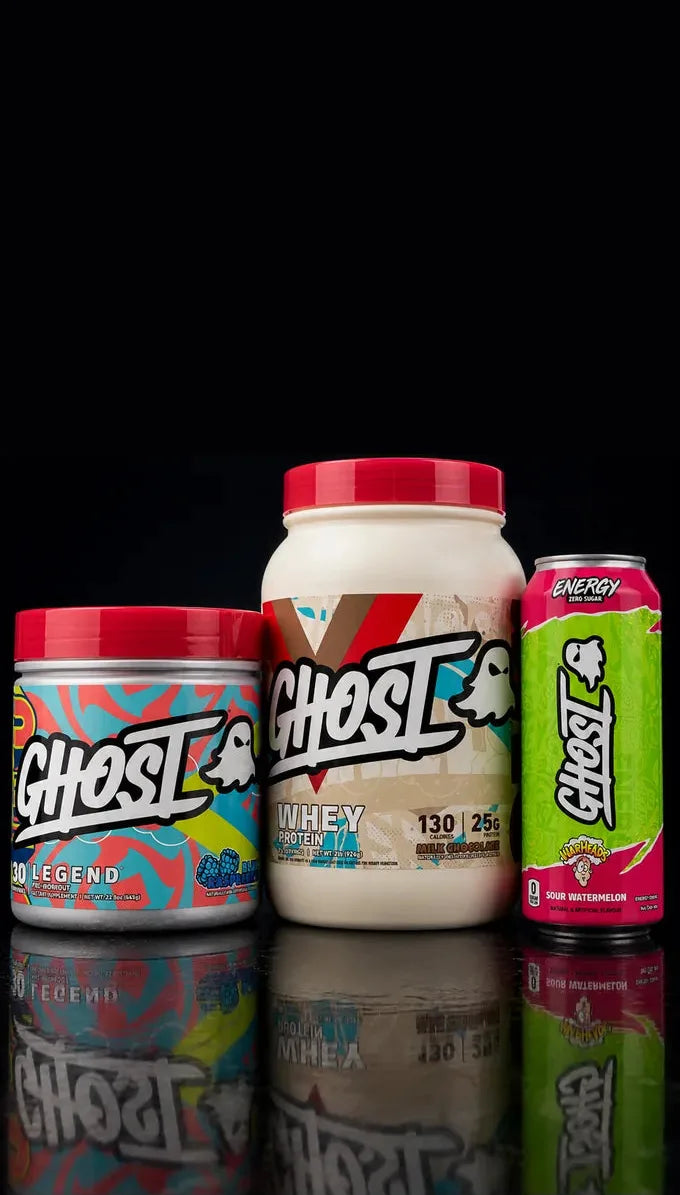
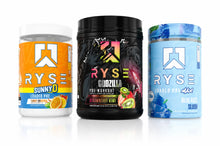
Various retailers carry the categories that actually matter for a cut: whey and beef isolates for hitting protein targets, creatine monohydrate, both stimulant and stim-free pre-workouts, and fiber-friendly options. Our fat burners range shows current prices and stock.
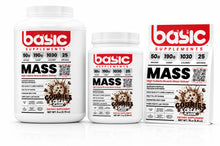
If protein is your priority, the Basic Supplements Isolate range gives you a straightforward per-serving breakdown, and the Strawberry Breeze beef isolate works for anyone avoiding dairy-based whey. For training days, Cellucor C4 Sport is NSF Certified for athletes who need that assurance, while a stim-free option like GAT Sport L-Carnitine 3000 suits anyone who’s already maxed out on caffeine elsewhere. If appetite management or general wellness support fits your goals better than a stimulant, groups like Bloom Society offer broader context on behavior change alongside supplementation. Whichever category you need, check the label against the doses in this guide, and reach out to customer service if a product page leaves any question unanswered before you buy.
This article is general information, not a substitute for advice from a qualified doctor. Consult a qualified healthcare professional about your own circumstances before acting on anything here.
Sources
- 5 Natural Fat Burners That Work — Healthline
- Weight loss: Is there a ‘best diet’ for you? — Mayo Clinic
- Weight-Loss Dietary Supplements — NIH Office of Dietary Supplements (ODS)
- Best fat burners (review and testing framework) — BarBend
FAQ
Which supplement is best for cutting?
No single supplement outperforms the rest. Protein has the strongest overall case for preserving muscle, with creatine monohydrate and caffeine close behind for maintaining training performance.
What supplements should I take to get cut?
Protein powder to hit your daily target, creatine monohydrate at 3 to 5 grams daily, caffeine or green tea extract before training, and soluble fiber if hunger is your main obstacle cover the evidence-backed bases.
What is the 3-3-3 rule to lose weight?
Definitions of this rule vary across fitness sources and it isn’t a standard clinical guideline, so treat any specific version you encounter online with caution rather than as an official framework.
What supplements should I take while cutting weight?
Stick to the same core group: adequate protein, creatine, caffeine within a safe daily total, and fiber if appetite control is the sticking point. Skip large multi-ingredient “stacks” unless every dose is disclosed and clinically relevant.