SHOP NOW, PAY LATER










 Informed Sport
 Informed Choice
 NSF Certified for Sport
 HASTA Certified

By NZ Supps Team
To make a plant protein shake less gritty, start with the powder's own mixing directions, measure the liquid, and change one thing at a time. Try more liquid, a different mixing method or a brief rest before shaking again. These are troubleshooting suggestions, not a promise that every powder can become completely smooth.
You may also prefer the powder in a smoothie or breakfast bowl. That is a reasonable outcome. There is no prize for forcing down a texture you dislike when the same labelled serving fits another part of your day.
The short answer
- Separate dry lumps from a fine, sandy texture. They need different experiments.
- Measure the powder and liquid before changing the recipe.
- Keep notes on one adjustment at a time, then repeat the version you like.
Do not buy another tub until you know whether the problem is the recipe, the equipment or simply your preference.
If there are dry lumps at the bottom
Start with a clean shaker and check its corners, lid and mixing insert. Powder stuck beneath an insert will not improve because you shake for longer. Follow the manufacturer's assembly and use instructions, and do not fill the bottle so high that nothing can move inside it.
One simple experiment is putting the measured liquid in first, then adding the powder. Close the lid properly and shake. If you currently dump powder into an empty bottle and add a small splash of water, this gives you a different starting point without changing ingredients.
Compare the result with your usual method. Look for dry pockets before deciding the entire powder is gritty. A spoon can show whether a lump contains dry powder, but avoid putting fingers or utensils near a running blender.
Do not confuse a mixing problem with questionable storage. If the dry powder has changed unexpectedly, has an unusual smell, or the packaging is damaged, stop using it and ask the supplier. A blender is not a way to make suspect food suitable to consume.
If it is evenly mixed but still sandy
A drink can have no lumps and still feel grainy. At that point, repeating the same shake harder may not give you the result you want. Try a measured increase in liquid or test a blender if your equipment and product directions allow it.
Use the mixing amount on your own packet as the baseline. As an example of why that matters, Macro Mike's Salted Caramel Premium Almond directions specify a 40g serving with 230-250ml water. That is a product-specific starting point, not a universal ratio for every plant powder.
If your label recommends 250ml, you could compare it with 300ml using the same weighed powder amount. The extra liquid makes a larger drink; it does not add protein. You may prefer the thinner result, or find the flavour too diluted. Either answer is useful.
Avoid adding another scoop to rescue a thin flavour halfway through the experiment. That changes two variables at once and makes it harder to work out what helped.
A four-shake troubleshooting worksheet
You can run this over different days rather than preparing four servings at once. Use your normal labelled portion. The quantities below describe changes to your recipe, not four extra shakes to add to your diet.
| Trial | Keep the same | Change | Record |
|---|---|---|---|
| Baseline | Exact powder and serving | Follow pack directions accurately | Lumps, grit, thickness, flavour |
| More liquid | Powder amount and shaker | Add 50ml above your baseline | Easier to drink or too weak? |
| Different equipment | Powder and liquid amounts | Use a suitable blender | Less grit, more foam, or no benefit? |
| Brief rest | Powder, liquid and shaker | Rest briefly, then shake again | Texture improvement or extra thickness? |
These are kitchen experiments, not laboratory findings. The point is to find a repeatable preparation you enjoy. If the first change works, you can stop there.
If your shake turns too thick
Check whether the recipe has quietly grown. Frozen fruit, oats, nut butter and extra powder all change the drink. A base powder that works in water may behave differently in a crowded smoothie.
Return to powder plus the recommended liquid first. Then add back one ingredient at a time. Keep the amount small enough to measure accurately and write it down if you like the result.
If you choose to use the powder in a bowl, call it a bowl. Trying to make a spoon-thick breakfast pass through a narrow shaker opening is a recipe-design problem, not proof that the product is poor quality.
Check the mixing instructions before using hot liquids, and follow your appliance's limits. A sealed shaker is not the place to experiment with hot drinks.
If a plant drink tastes better than water
That is a valid preference, but account for what the mixer adds. Use its nutrition panel and the volume poured, rather than assuming all almond, oat or soy drinks are interchangeable.
For example, if a mixer lists its nutrition per 100ml and you use 250ml, multiply those figures by 2.5. Add them to the powder serving to calculate the finished drink. This is arithmetic for your recipe, not a claim about a particular brand.
Also recheck your dietary requirements. A soy drink is not the right substitution for someone avoiding soy. If you need allergen exclusions, assess every ingredient and your preparation method; texture improvements do not override those requirements.
If you would rather eat it
Try the product's suggested uses before inventing a complicated recipe. Some manufacturers suggest adding a serving to cereal or a smoothie. Start with a smaller preparation trial while keeping track of the actual powder used, then adjust the rest of the meal around it.
You do not have to describe every recipe as a protein hack. A measured amount stirred into a food you already enjoy may be more practical than buying several thickeners, flavour drops and blender accessories.
Do not claim a recipe has a particular amount of protein until you have counted all the ingredients and portions. If you split a mixture into two bowls, the powder's contribution is split too. A scoop in the mixing bowl is not a scoop in each finished bowl.
When a different powder makes sense
If the simple trials leave a texture you dislike, choose a different formula next time. Buy a smaller pack or a suitable sample where available, check its label, and test the preparation you actually use on workdays.
Our vegan protein buying guide covers the wider decision. For flavour context, there is also the Macro Mike almond range guide. Neither can predict exactly how a drink will feel to you.
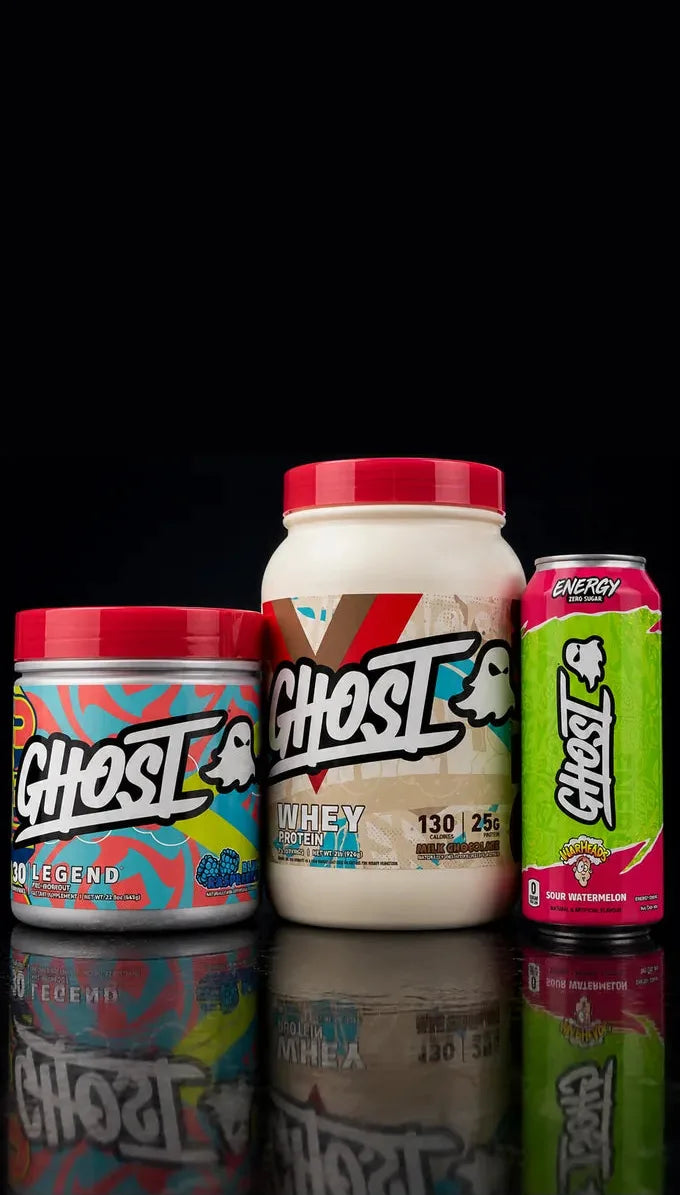
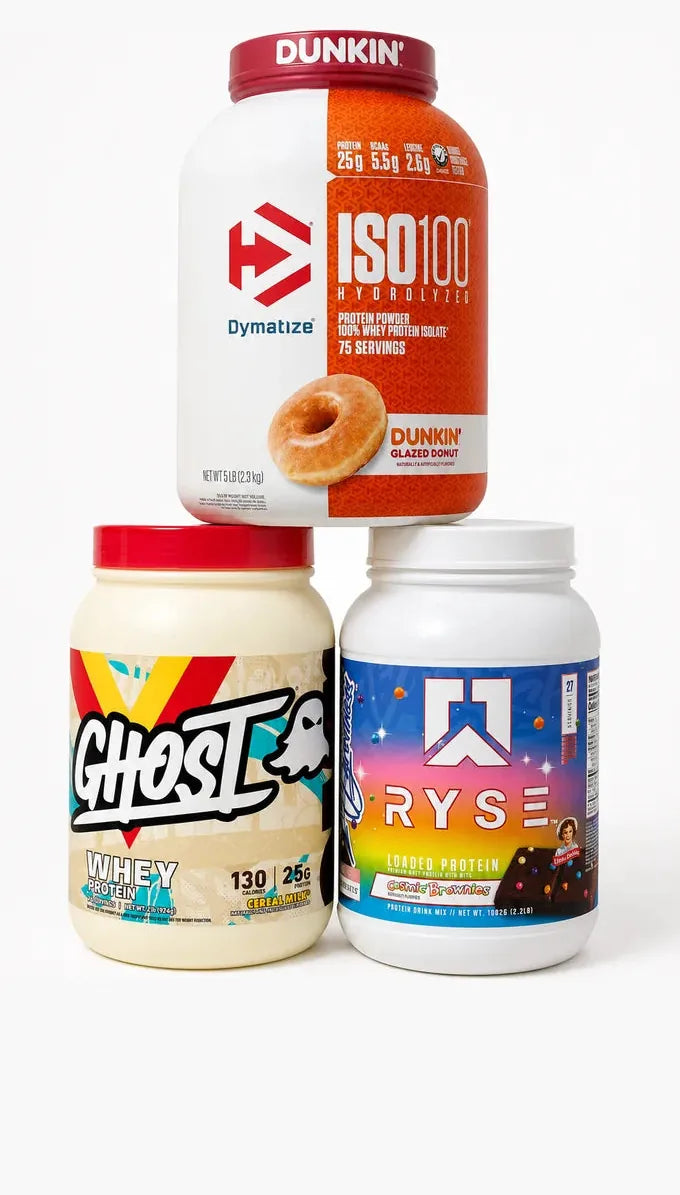
For two contrasting flavour options, inspect Ghost Vegan Pancake Batter and Ghost Vegan Choc Cereal Milk. Read the current instructions and ingredients before buying. These are options to investigate, not products we have tested for this article.
FAQ
Will a blender remove all grit?
Not necessarily. It is worth comparing with a shaker, but it may change foam or thickness without producing the texture you want.
Should I add more water or more powder?
Try more liquid first if the drink is too thick, keeping the powder amount fixed. Adding powder changes both the texture and the nutrition of the serving.
Does letting it sit always help?
No. A brief rest and another shake is one experiment. Keep it only if you prefer the result with your particular formula.
Is gritty protein automatically poor quality?
Texture alone does not measure nutrition or establish food safety. Check the product information and storage condition separately from whether you enjoy the drink.
Can I mix it into breakfast instead?
Use the manufacturer's suggested uses as a starting point. Count the powder within the whole recipe and divide the nutrition by the number of portions you actually make.
Do I need an expensive blender?
Start with the equipment you already have and accurate measurements. Buying equipment before checking the liquid ratio may solve the wrong problem.
Sources
Macro Mike: Salted Caramel Premium Almond serving and preparation directions. The troubleshooting sequence is editorial guidance, not a claim of firsthand product testing. Product references checked 21 September 2026.