SHOP NOW, PAY LATER



















 Informed Sport
 Informed Choice
 NSF Certified for Sport
 HASTA Certified

Short answer: yes, modestly, and mostly if you have inflammatory joint disease. Daily EPA+DHA supplementation can meaningfully ease pain and morning stiffness in rheumatoid arthritis, and it can produce smaller but real improvements for some people with osteoarthritis. The catch is dose and patience. Most trials that found benefit used somewhere between 1 and 3 grams of combined EPA and DHA daily, sustained for 8 to 16 weeks minimum, not a bottle taken for ten days and abandoned.
Here’s what actually moves the needle, based on the clinical trial data:
- Rheumatoid arthritis (RA): Best evidence of the two. Reviews link omega-3 supplementation to improvements in symptoms such as tender joints and morning stiffness, and in some cases less reliance on NSAIDs.
- Osteoarthritis (OA): Weaker but not nothing. A 16-week trial using DHA-rich fish oil at 2,000 mg DHA plus 400 mg EPA daily cut OA-specific pain significantly compared to no fish oil.
- Timeline: Expect 4 to 12 weeks before you notice anything. Trials showing measurable change almost never report results faster than that.
The number that matters: trials showing pain relief in osteoarthritis patients generally used at least 1 gram of combined EPA and DHA daily for 3 to 6 months before results showed up on pain and function scores.
One safety note before you go further: fish oil thins the blood slightly. If you’re on warfarin, a DOAC, or even daily aspirin, talk to your doctor before starting a supplement, especially at higher doses.
Key Takeaways
Omega-3 supplementation reduces joint pain most reliably in rheumatoid arthritis, with smaller and less consistent benefits in osteoarthritis, and results require weeks of consistent, properly dosed intake.
| Point | Details |
|---|---|
| RA shows the strongest evidence | Reviews link omega-3 to reduced tender joints, shorter morning stiffness, and sometimes lower NSAID use. |
| OA benefit is real but modest | A 16-week trial using 2,000 mg DHA plus 400 mg EPA daily significantly cut OA-specific pain (P=0.002). |
| Dose matters more than brand | Most positive trials used 1 to 3 grams combined EPA+DHA daily, not the total fish oil capsule weight. |
| Give it 8 to 12 weeks minimum | Trials rarely show measurable change before 4 weeks, and many need 12 to 16 weeks for full effect. |
| Check bleeding risk first | Anyone on warfarin, DOACs, or daily aspirin should consult a clinician before starting, especially above 3 g/day. |
| Nzsupps supports accurate dosing | Nzsupps publishes full ingredient listings, letting buyers calculate real EPA+DHA content before committing to a regimen. |
Table of Contents
- Omega-3 for Joints: The Biology Behind the Claim
- What the Rheumatoid Arthritis Trials Actually Show
- Osteoarthritis and Omega-3: A More Modest Story
- Fish, Fish Oil, or Algal Oil: Choosing Your Omega-3 Source
- How Much Omega-3, How Long, and What to Watch For
- How to Read a Fish Oil Label Without Getting Fooled
- What Transparent Labeling Actually Buys You
- What I’d Actually Prioritize If I Were Choosing Omega-3 for Joints
- Try a Properly Dosed Omega-3 Regimen Through Nzsupps
- Sources
Omega-3 for Joints: The Biology Behind the Claim
Omega-3 fatty acids come in three forms that matter here: ALA (alpha-linolenic acid, found in flaxseed and walnuts), and EPA and DHA (found in fish and algae). For joint health, EPA and DHA are the ones doing the work. ALA has to convert into EPA and DHA inside the body, and that conversion is inefficient, often under 10%. If you’re eating flaxseed oil and expecting arthritis relief, you’re likely underdosing yourself without knowing it.
EPA and DHA change joint inflammation through a few distinct pathways, and understanding them explains why the effect is gradual rather than immediate.
Less fuel for inflammation. Cell membranes build inflammatory signaling molecules (eicosanoids) primarily from omega-6 fatty acids like arachidonic acid. When you raise your EPA and DHA intake, those fatty acids start competing for the same enzymatic machinery, and the balance shifts toward less inflammatory output. This isn’t an on/off switch. It’s a slow compositional change in your cell membranes that takes weeks to complete.

More resolution, not just less inflammation. EPA and DHA are precursors to specialized pro-resolving mediators (SPMs) called resolvins and protectins. These don’t just dampen inflammation, they actively help end it, telling immune cells to stop attacking and start cleaning up. This is a newer area of research and one reason omega-3s are framed differently from standard anti-inflammatory drugs: NSAIDs block inflammation production, while SPMs actively resolve it.
Lower cytokine signaling. Several trials link higher omega-3 intake to reduced IL-1, TNF-alpha, and IL-6, the three cytokines most responsible for driving joint tissue breakdown in both RA and OA. Lower cytokine activity translates into less synovial swelling and, over time, less cartilage degradation pressure.
Blood vessel function in OA. This one surprises people. The 16-week DHA trial mentioned above found that pain improvements correlated with changes in microvascular function, not just inflammation markers. Joint tissue depends on small blood vessels for nutrient delivery and waste clearance, and poor microvascular function may be part of why some OA joints stay painful and stiff even when standard inflammation markers look normal.

Why tissue levels, not just intake, decide the outcome
This is where the Omega-3 Index comes in. It’s a blood test that measures EPA+DHA as a percentage of total fatty acids in your red blood cell membranes, essentially a snapshot of how much omega-3 has actually made it into your tissue, rather than just what you swallowed that morning. An index above 8% is considered optimal; below 4% is considered insufficient.
Statistic to remember: two servings of oily fish a week, the standard dietary advice, often leaves people with an Omega-3 Index under 6%, well short of the optimal range.
This matters for joint health specifically because the anti-inflammatory mechanisms described above depend on cell membrane composition. If your tissue levels never climb, you’re not giving those pathways a fair test, no matter how consistently you take a low-dose capsule.
What the Rheumatoid Arthritis Trials Actually Show
Rheumatoid arthritis has the strongest omega-3 evidence of any joint condition, and it’s not close. RA is driven by systemic inflammatory activity, exactly the kind of process omega-3’s anti-inflammatory pathways are built to influence, which is likely why the signal shows up so consistently across independent trials.
Systematic reviews and meta-analyses report that omega-3 supplementation significantly reduces pain in RA patients across multiple pooled trials, along with measurable drops in tender joint counts and shorter morning stiffness. Some trials also report that patients were able to reduce their NSAID dose while maintaining symptom control, which matters because long-term NSAID use carries its own gastrointestinal and cardiovascular risks.
Here’s what the actual trial data pattern looks like when you dig into the dosing:
- Most positive RA trials used somewhere between 2 and 4 grams of combined EPA+DHA daily.
- Benefits typically became noticeable after 8 to 12 weeks, with some trials extending to 3 to 4 months for full effect.
- A subset of trials found benefit at lower doses, closer to 1 to 2 grams daily, suggesting a dose response rather than a hard threshold.
- Reductions in morning stiffness duration were among the most consistently reported outcomes across different trial designs.
The pattern across independent reviews is remarkably consistent: omega-3 doesn’t cure RA or replace disease-modifying drugs, but it reliably shows up as an effective adjunct, particularly for the day-to-day symptom burden of stiffness and tender joints that disease-modifying drugs don’t always fully address.
The limitations are worth stating plainly. Many of the foundational RA trials are decades old, run with smaller sample sizes than would be expected in a modern cardiovascular trial, and used varying fish oil formulations that make direct dose comparisons messy. Newer reviews pool this heterogeneous data, which strengthens confidence in the overall direction of effect but doesn’t resolve every question about optimal dose or which RA patients respond best.
What does seem to hold across the data is that people with higher baseline inflammatory disease activity, meaning more active RA rather than quiet, well-controlled disease, tend to see the clearest symptom improvement. If your RA is already well-managed on medication, omega-3 may add a smaller, harder-to-detect benefit. If your inflammatory markers are running hot, the effect tends to be more noticeable.
Osteoarthritis and Omega-3: A More Modest Story
Osteoarthritis is a mechanical and degenerative condition first, with inflammation playing a secondary role, so it makes sense that omega-3’s inflammation-focused mechanisms produce a smaller effect here than in RA. That doesn’t mean the OA evidence is worthless. It means expectations need recalibrating.
The clearest data point comes from a well-designed randomized, double-blind, placebo-controlled trial that gave older adults with overweight or obesity 2,000 mg of DHA plus 400 mg of EPA daily for 16 weeks. The result: a statistically significant reduction in OA-specific pain (P=0.002, a moderate effect size) along with lower overall chronic pain scores, and the improvement tracked alongside changes in microvascular function rather than inflammation markers alone.
Broader trial and meta-analytic data suggest that at least 1 gram of combined EPA and DHA daily for 3 to 6 months can improve subjective pain and physical function scores in some OA populations, though the effect size across pooled studies runs smaller and less consistent than what shows up in RA research.
Number worth flagging: that 16-week DHA trial used a Cohen’s d of 0.56, a moderate effect. For context, that’s a real, felt difference, not a statistical footnote, but it’s not the dramatic relief a strong prescription anti-inflammatory can produce.
A few things explain why OA results are so much more mixed than RA results:
- Dose variation. Trials range from under 1 gram to over 3 grams daily, and low-dose trials tend to show weaker or null results.
- Formulation differences. DHA-dominant formulas, EPA-dominant formulas, and mixed ratios haven’t been standardized across trials, making direct comparison difficult.
- OA severity matters. People with earlier-stage OA and less structural joint damage appear more likely to notice symptom improvement than those with advanced, bone-on-bone changes.
- Weight and metabolic status. The positive 16-week trial specifically enrolled people with overweight or obesity, a population with elevated background inflammation that may respond more visibly to an anti-inflammatory intervention.
The practical read for OA is straightforward: omega-3 is worth trying as an add-on to your existing management plan, not a substitute for weight management, physical therapy, or medical treatment. If you have knee or hip OA and you’re already doing physio and managing your weight, adding a properly dosed omega-3 supplement is a low-risk way to see if you’re one of the people who responds. Just don’t expect it to replace anything else you’re doing.
Fish, Fish Oil, or Algal Oil: Choosing Your Omega-3 Source
Getting EPA and DHA from food is possible, but it takes more consistency than most people realize. Oily fish like salmon, mackerel, sardines, and herring are the richest natural sources, and a serving or two weekly is the standard public health recommendation. The problem is that standard dietary advice frequently isn’t enough to move the needle on tissue levels that matter for joint outcomes.
-
Know that two fish meals a week probably isn’t enough for a therapeutic effect. Population data shows people eating the standard recommended amount of oily fish often sit with an Omega-3 Index under 6%, below the 8% threshold linked to optimal outcomes. If you’re relying on diet alone for joint benefit, you may be under-treating yourself without realizing it.
-
Consider a supplement if you want to reliably reach a therapeutic dose. Concentrated fish oil or algal oil capsules let you hit a consistent daily EPA+DHA target that’s difficult to replicate through food alone, especially on busy weeks.
-
Choose algal oil if you’re vegan, vegetarian, or simply want to avoid fish-derived products. Algal oil is grown directly from the same marine algae that fish themselves rely on for their omega-3 content, so it delivers EPA and DHA directly rather than requiring conversion from plant-based ALA. DHA content tends to be higher than EPA in most algal formulations, which is worth knowing if a trial you’re trying to replicate used a specific EPA to DHA ratio.
-
Factor in contaminant exposure when choosing a source. Larger, longer-lived fish accumulate more mercury and PCBs, which is part of why refined fish oil and algal oil are often lower-risk choices than eating large predatory fish several times weekly. Reputable supplement brands run purity and heavy metal testing on finished batches, and checking for that testing is a smart filter regardless of which type of source you choose.
-
Match the source to your training and recovery goals if you’re an athlete. Highly active people often run lower omega-3 status than the general population, likely a combination of higher metabolic turnover and inconsistent diets around training schedules, and may need to pay closer attention to both intake and monitoring than a sedentary adult would.
How Much Omega-3, How Long, and What to Watch For
Here’s the practical brief: dosing, timeline, and safety, boiled down to what actually shows up in trial data rather than marketing copy.
Dose. Trials showing benefit for joint symptoms generally cluster in a few ranges. For general anti-inflammatory support, 1 gram of combined EPA+DHA daily is a reasonable floor. Many of the positive OA and RA trials used 2 to 3 grams daily, and some RA trials saw benefit at doses as low as 1 to 2 grams, suggesting a dose response rather than a strict cutoff. Higher doses aren’t automatically better, and doses above 3 grams daily warrant a conversation with your doctor, partly because of bleeding risk and partly because some cardiovascular research links very high intake to a small increase in atrial fibrillation risk in certain populations, according to the Mayo Clinic.
Timeline. Patience is the unglamorous part of this. Clinical trials that report symptom improvement generally require 4 to 16 weeks of consistent daily supplementation before changes become measurable. A common reason people conclude “omega-3 doesn’t work for me” is quitting at the three-week mark, right around when most trials were still seeing no significant separation from placebo.
Pro Tip: Set a calendar reminder for week 10 before you start, not week 2. Commit to an 8 to 12 week trial at an evidence-aligned dose before deciding whether it’s working for your joints. Judging omega-3 on a two-week trial is like judging a gym membership after one workout.
Side effects and interactions. The most common side effects are mild: fishy aftertaste, mild digestive upset, and occasionally loose stools at higher doses. The more important consideration is bleeding risk. Omega-3s have a mild anti-platelet effect, meaning they can thin the blood slightly. This matters most if you’re on:
- Warfarin or another vitamin K antagonist
- A direct oral anticoagulant (DOAC) like apixaban or rivaroxaban
- Daily aspirin or another antiplatelet medication
- Any other blood thinner, prescription or over-the-counter
If any of those apply to you, talk to your doctor before starting, and definitely before increasing your dose. The same caution applies if you have a known fish or shellfish allergy, since some fish oil products retain trace allergenic proteins, though highly purified and molecularly distilled oils typically carry a lower risk. If you’re pregnant or breastfeeding, DHA is generally considered beneficial and even recommended in many guidelines, but confirm your specific dose with your obstetrician or midwife rather than self-prescribing based on an arthritis trial protocol.
How to Read a Fish Oil Label Without Getting Fooled
This is the step most people skip, and it’s the single biggest reason omega-3 “doesn’t work” for so many who try it. The number on the front of the bottle, “1,000 mg fish oil,” tells you almost nothing about your actual dose.
-
Find “EPA + DHA per serving” on the supplement facts panel, not the capsule size on the front label. Most standard 1,000 mg fish oil capsules contain only about 300 mg of combined EPA and DHA; the rest of that 1,000 mg is other fats and filler oil that don’t contribute to the joint-relevant mechanisms discussed earlier. Confusing capsule weight with active dose is the single most common way people accidentally underdose themselves for months.
-
Do the math before you buy. If a label lists 180 mg EPA and 120 mg DHA per capsule (300 mg total), and your target is 2 grams daily based on the RA and OA trial ranges above, you’d need roughly seven capsules a day from that product. A more concentrated formula listing 600 mg EPA+DHA per capsule would need just over three. This single calculation is the difference between a supplement that actually matches trial dosing and one that’s quietly underpowered.
-
Check for third-party testing and batch certificates. Look for purity testing that screens for heavy metals, oxidation levels, and PCB contamination, ideally with a certificate of analysis available for the specific batch you’re buying, not just a generic claim on the packaging.
-
Pick your formulation based on tolerance and goals. Triglyceride-form fish oil is generally well absorbed and gentler on the stomach for most people. Algal oil is the practical choice if you’re vegan or avoiding fish products, and higher-concentration formulas make sense if you’re targeting 2 to 3 grams daily and don’t want to swallow a dozen capsules.
Pro Tip: Before buying, add up the EPA and DHA numbers separately, then combine them yourself. Some labels list “omega-3 fatty acids” as one combined figure that includes ALA or other minor fatty acids, inflating the number beyond what’s actually therapeutic EPA and DHA.
A sample regimen based on the trial data above: aim for 2,000 to 3,000 mg combined EPA+DHA daily if you’re targeting RA-level symptom relief, or 1,000 to 2,000 mg daily if you’re focused on general OA support, split across meals to reduce digestive upset, and commit to at least 8 to 12 weeks before assessing results. Athletes managing joint load from heavy training should apply the same math, since recovery-focused dosing follows the same underlying EPA+DHA thresholds as the arthritis trials.

What Transparent Labeling Actually Buys You
Every dosing calculation above depends on one thing: trusting the number on the label. That’s not a small ask in a supplement category where “1,000 mg fish oil” and “1,000 mg EPA+DHA” get printed in nearly identical fonts on nearly identical bottles.
Nzsupps built its catalog around full ingredient disclosure, specifically so a buyer trying to hit a target EPA+DHA dose isn’t left guessing at capsule weight versus active content. That distinction, the one this entire buying checklist is built on, only helps if the brand actually publishes it clearly.
A few things worth knowing before you shop with any joint-support goal in mind:
- Curated sourcing means every product listing is meant to show exactly what’s inside, not just a marketing headline on the front of the bottle.
- Transparent labeling supports the exact capsule-math exercise described above: knowing your real EPA+DHA per serving instead of estimating from total fish oil weight.
- The catalog spans recovery, performance, and general wellness categories, useful if you’re an athlete stacking joint support alongside training nutrition rather than treating it as an isolated purchase.
What I’d Actually Prioritize If I Were Choosing Omega-3 for Joints
Most people chasing joint relief with omega-3 get the wrong variable wrong. They obsess over brand and fish species when the real predictor of success is dose adherence over 10 to 12 weeks at a level that actually matches what trials used. A cheap, honestly labeled 2-gram-a-day regimen taken consistently for three months will outperform an expensive, vaguely labeled product taken sporadically for three weeks, every time.
The conventional advice, “eat more fish,” undersells how hard it is to reach therapeutic tissue levels through diet alone. It’s not wrong, it’s just incomplete for anyone dealing with active joint symptoms rather than general wellness maintenance.
If you have RA, I’d treat omega-3 as a legitimate adjunct worth discussing with your rheumatologist, not a replacement for disease-modifying treatment. If you have OA, I’d set modest expectations and pair it with weight management and movement, since the mechanism appears at least partly vascular, not purely inflammatory. Either way, read the label before you read the marketing.
Blake
Browse the health and wellness range and read the ingredients for the product you are considering.
Try a Properly Dosed Omega-3 Regimen Through Nzsupps
Getting the dose right matters more than the brand name on the bottle, and that’s exactly where a curated retailer earns its place. Nzsupps lists full ingredient breakdowns on every product page, so instead of guessing whether a capsule delivers a real EPA+DHA dose or just fish oil filler, you can check the numbers before you buy and build a regimen that actually matches the trial dosing covered above.
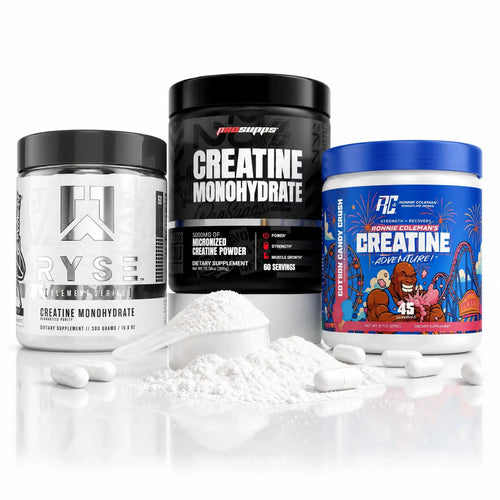
For anyone building a broader recovery and performance stack alongside joint support, browsing categories like pre-workout formulas or protein isolates shows the same transparent labeling approach applied across the catalog, not just on one product. If you’re an athlete managing joint load from heavy training, pairing your omega-3 plan with proven recovery basics like creatine monohydrate is a reasonable next step, and it’s worth reading about complementary approaches like PEMF therapy if muscle recovery is part of your broader plan. Start by checking the EPA+DHA numbers on a few product pages and see how your current supplement stacks up against the dosing ranges covered in this guide.
Sources
- Omega-3 PUFAs in musculoskeletal health and sports medicine: from molecular pathways to precision nutrition strategies
- Effects of omega-3 fatty acids on chronic pain: a systematic review and meta-analysis