SHOP NOW, PAY LATER











 Informed Sport
 Informed Choice
 NSF Certified for Sport
 HASTA Certified

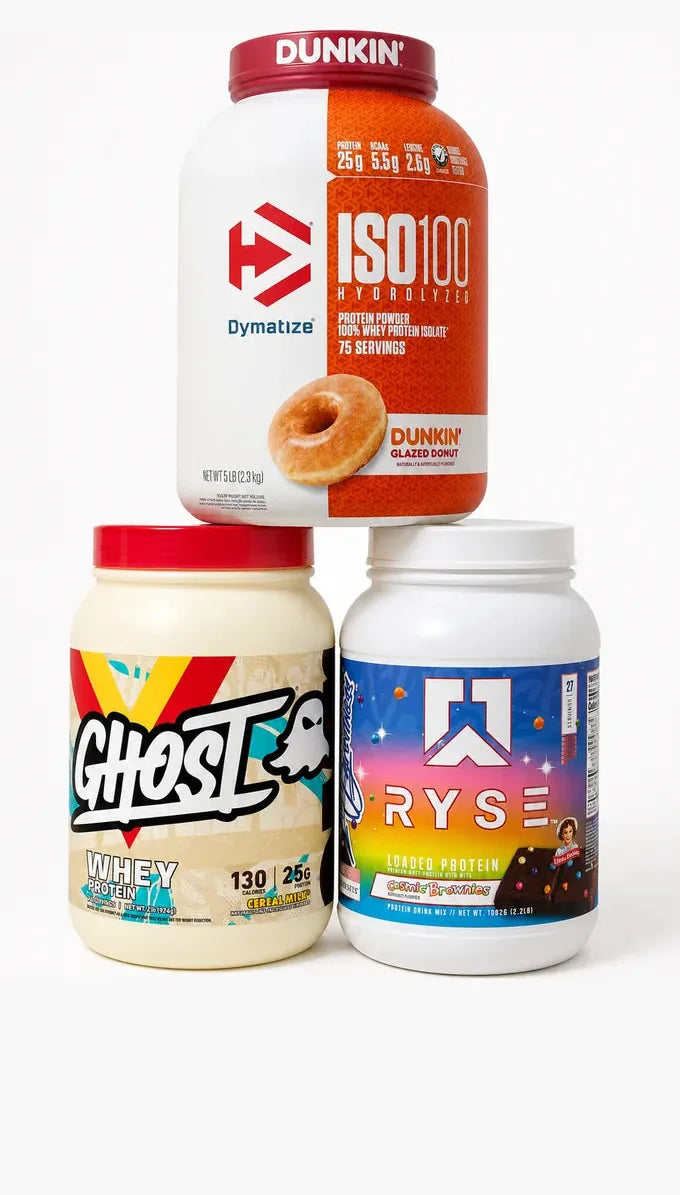
You're in the aisle or on the product page, staring at a whey protein 5lb tub that looks like a bargain until you do the actual maths. The label is loud, the tub is big, and the instinct is simple, buy the biggest pack and sort it out later. That's exactly how a lot of NZ buyers overpay, then sit on a tub they don't finish cleanly.
The smarter question isn't whether 5lb looks cheaper. It's whether the tub gives you a real value win in your kitchen, with your training routine, and your storage habits. In New Zealand, that answer changes fast because label completeness, serving density, and shelf pricing matter more than the size printed on the front.
Table of Contents
- Why the 5lb Whey Tub Feels Like the Obvious Choice
- What a Good 5lb Whey Label Should Show You
- Serving Counts and Protein Density Across NZ 5lb Whey Tubs
- Cost Per Serve and Why It Moves in NZ
- Storing a 5lb Tub So It Lasts and Still Mixes Clean
- Who Should Skip the 5lb Format Altogether
- A Quick Pre-Checkout Checklist Before You Buy
Why the 5lb Whey Tub Feels Like the Obvious Choice
A shopper stands in front of two tubs, one 5lb, one much smaller, and the big one wins the staring contest. It looks like the grown-up purchase. Fewer reorders, fewer shipping hits, less time wasting on repeat checkout, and the familiar logic of, “I use this every week anyway.”
That logic isn't stupid. Regular lifters do burn through protein, and a larger format can be the right call when the serving count, flavour, and price line up. But the 5lb tub also hides the parts that matter most, especially when the shelf price looks tidy and the tub itself feels like safety.
The part buyers miss first
A tub isn't value just because it's big. It's value only when the protein yield, serving size, and effective cost per serve all hold up once you get past the branding. A 5lb whey tub sold in NZ is typically 2.27 kg, and that size can deliver very different outcomes depending on the formula, with examples in the market ranging from 67 servings to 75 servings in a 5lb format, depending on scoop size and protein density. That variation is why a blind bulk-buy can be the wrong move.
Practical rule: If you wouldn't finish the tub while it still tastes fresh and mixes clean, the “bulk” win is fake.
The other trap is flavour fatigue. A tub with 60 to 80 servings sounds efficient until you realise you're married to the same taste for weeks. Mix that with humid storage, a heavy scoop, and a few off-days in your routine, and the easiest-looking buy becomes the one you start avoiding.
A smaller pack on promotion can beat the 5lb on real value, especially when the price cut lands hard enough to offset the bigger container. That's why the bulk decision has to start with the label, not the marketing. For the label basics, a plain-English breakdown like protein powder nutrition facts made simple is worth keeping open while you compare.
What a Good 5lb Whey Label Should Show You
A decent whey protein 5lb label should let you judge value fast. If it buries the useful details, you are guessing, and that is how people buy a tub that looks premium but delivers poor protein density or awkward serving maths. Start with the numbers, then check the bits that show whether the product is clean, legal, and traceable.
Read the serve, not just the tub
Look at protein per serve, serve size in grams, and the total number of serves. Those three figures tell you far more than the tub weight. A label that says “5lb” but hides a bloated scoop size or weak protein density is not helping you. If the serving size looks unusually large for the protein claimed, ask why.
Source type matters just as much. Whey concentrate, isolate, blend, and hydrolysate are not interchangeable. A concentrate-heavy product often gives you less protein per gram than a true isolate, while blends can look tidy on the front but hide a cheaper mix underneath. If a tub uses fuzzy language like “isolate blend”, inspect the ingredient order closely. The difference between whey isolate vs concentrate is worth knowing before you commit.
For the plain-English version of scoop maths and what it means on the shelf, compare the label against protein powder nutrition facts made simple, then come back to the ingredient panel and read it like a buyer, not a fan.
Check the NZ label details that protect you
New Zealand dietary supplement packs must legally declare the common name or a sufficient description of the principal ingredients, the net weight, volume, or number of contents, the manufacturer or seller details, the batch number, the date mark, and the preparation method where needed. That is the information that lets you compare traceability and label completeness, not just branding. In NZ, those disclosures are the minimum standard for a tub that deserves shelf space. The legal framing is laid out on the product guidance for a local protein listing, which is why the packaging details matter so much on a supplement shelf in New Zealand, not just the flavour name.
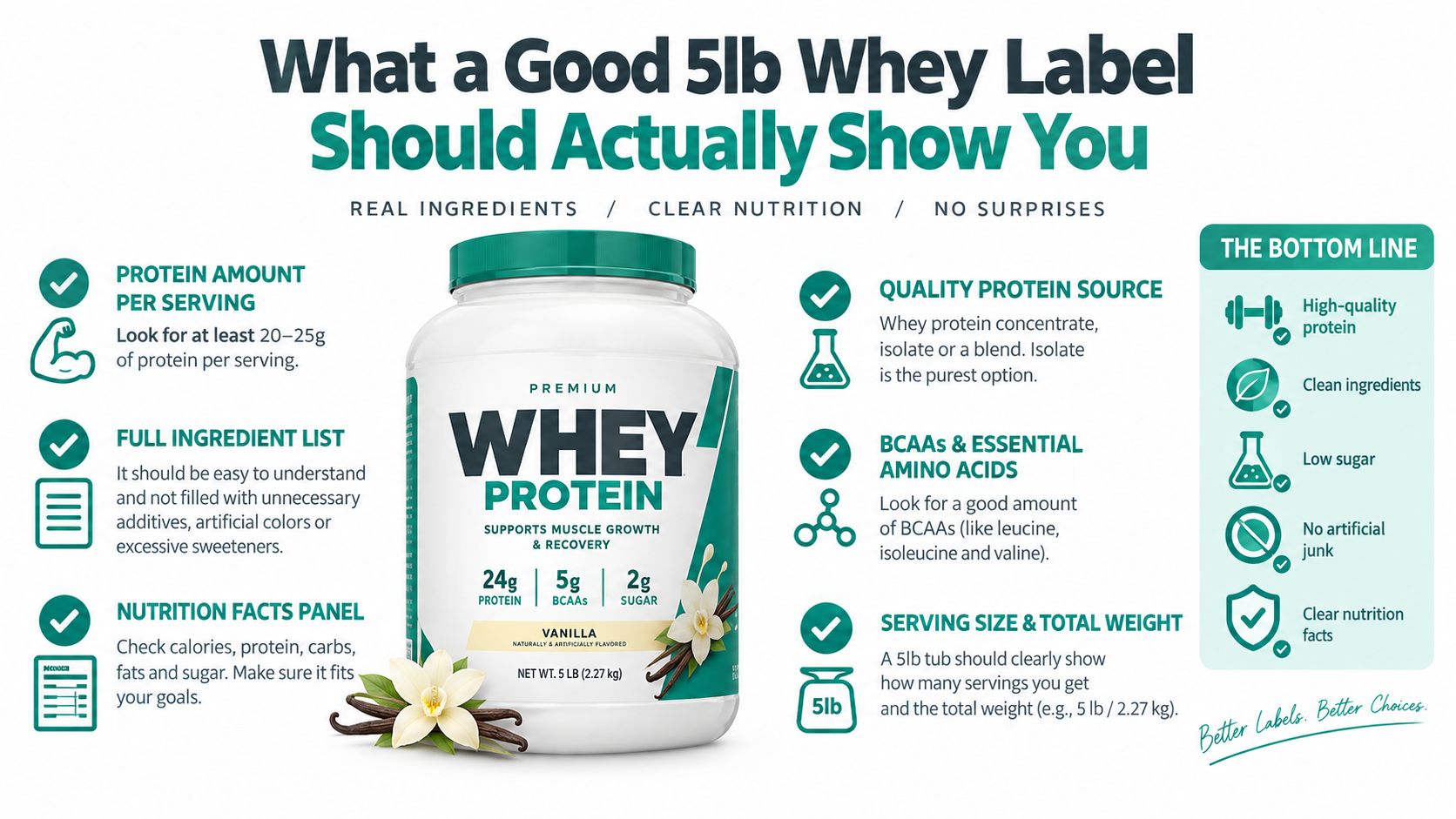
Keep this simple: If the ingredient list, batch code, and date mark are messy or buried, walk away.
Also check the allergen statement and whether the product is clearly classed as a supplementary food where relevant. “Isolate blend” sounds neat, but it can still lean heavily on concentrate. The front label is sales copy. The back label is where the truth lives.
Serving Counts and Protein Density Across NZ 5lb Whey Tubs
A 5lb tub only looks standard from the outside. Once you compare serving count and protein density, the value picture changes fast. One NZ whey isolate example lists 27 g protein per serving and 67 servings per container. Another 5lb whey blend lists 34 g servings and 67 servings per container. A NZ whey isolate example also lists 75 servings per 5lb tub at 30 g per scoop. Same tub size, very different protein yield.
The table that matters
| Product Category | Typical Serve Size (g) | Protein Per Serve (g) | Approx. Serves per 5lb Tub | Protein per 100g |
|---|---|---|---|---|
| Whey concentrate | Around 30 g in many tubs | About 20 g to 24 g | Often sits in the low 70s, depending on scoop size | Lower than isolate |
| Concentrate-isolate blend | Around 30 g in many tubs | About 24 g to 27 g | Often around the mid-60s to low 70s | Mid-range |
| Whey isolate | Around 30 g in the example | 27 g to 30 g in the examples | 67 to 75 serves in the examples | Higher than concentrate |
The point is simple. Bigger tubs do not automatically give you more protein. A heavier scoop can hide a weaker formula, while a tighter scoop on a better isolate gives you more usable protein per gram. Two tubs can both say “5lb” and still deliver very different real value.
Flavoured versions can also drag in extra carbs, sodium, and filler ingredients that push the scoop weight up. Some “value” products use larger serves, so the tub looks generous while protein density stays modest. That is where buyers get caught. The front panel sells the size. The back label shows the math.
For a sharper breakdown of scoop maths and what that means in practice, compare the label against protein per scoop serving sizes before you pay for a tub that looks bigger than it really is.
Bottom line: Same tub size does not mean same protein yield. In NZ, that is the first comparison that matters.
Cost Per Serve and Why It Moves in NZ
Shelf price is a poor way to buy a whey protein 5lb tub in New Zealand. It flatters the retailer, not the shopper. The number that matters is cost per serve, and that can swing fast because tub price, scoop size, protein density, freight, and GST all pull in different directions. The sticker on the front does not show that.
A simple comparison
| Product Scenario | Tub Price (NZD) | Tub Weight | Serving Size | Protein per Serve | Cost per Serve | Cost per 30g Protein |
|---|---|---|---|---|---|---|
| Full-price 5lb tub | $89 | 2.27 kg | 30 g | 30 g | $1.18 | $1.18 |
| Same tub, larger scoop | $89 | 2.27 kg | 33 g | 30 g | $1.02 | $1.12 |
| Promo 5lb tub | $79 | 2.27 kg | 28 g | 30 g | $0.97 | $0.97 |
Those examples make the call clear. A smaller-looking tub can be better value than a big format at full price, especially when the smaller pack is discounted hard enough to undercut the 5lb. A $69 2.5kg tub can beat a $99 5lb on raw cost per serve when the servings are honest. That is not a rare edge case. It is normal shopping discipline.
Why NZ prices shift so easily
Protein concentration is the first swing factor. 75% versus 80% does not just change the marketing copy, it changes how much protein you get from each scoop. The next factor is the number of scoops printed on the label, which tells you whether the tub is dense or just wearing a large pack. Then there is the retail stack, where GST and freight are already buried in the shelf price.
For example, if a supplier lifts prices after whey or WPI replacement costs rise, a deal today can look ordinary a few weeks later. That is why a “good buy” on one visit can be just average on the next. The habit that pays is plain, compare price per serve, not the tub sticker, and only buy the bigger format when the maths still works.
Storing a 5lb Tub So It Lasts and Still Mixes Clean
A 2.27kg tub lives open much longer than a small pack, and that's where people mess it up. The old advice to “just keep the lid on” is lazy. A damp kitchen, a warm bench, or a wet scoop will wreck the texture long before the powder is technically gone. In NZ homes, humidity is a major enemy.
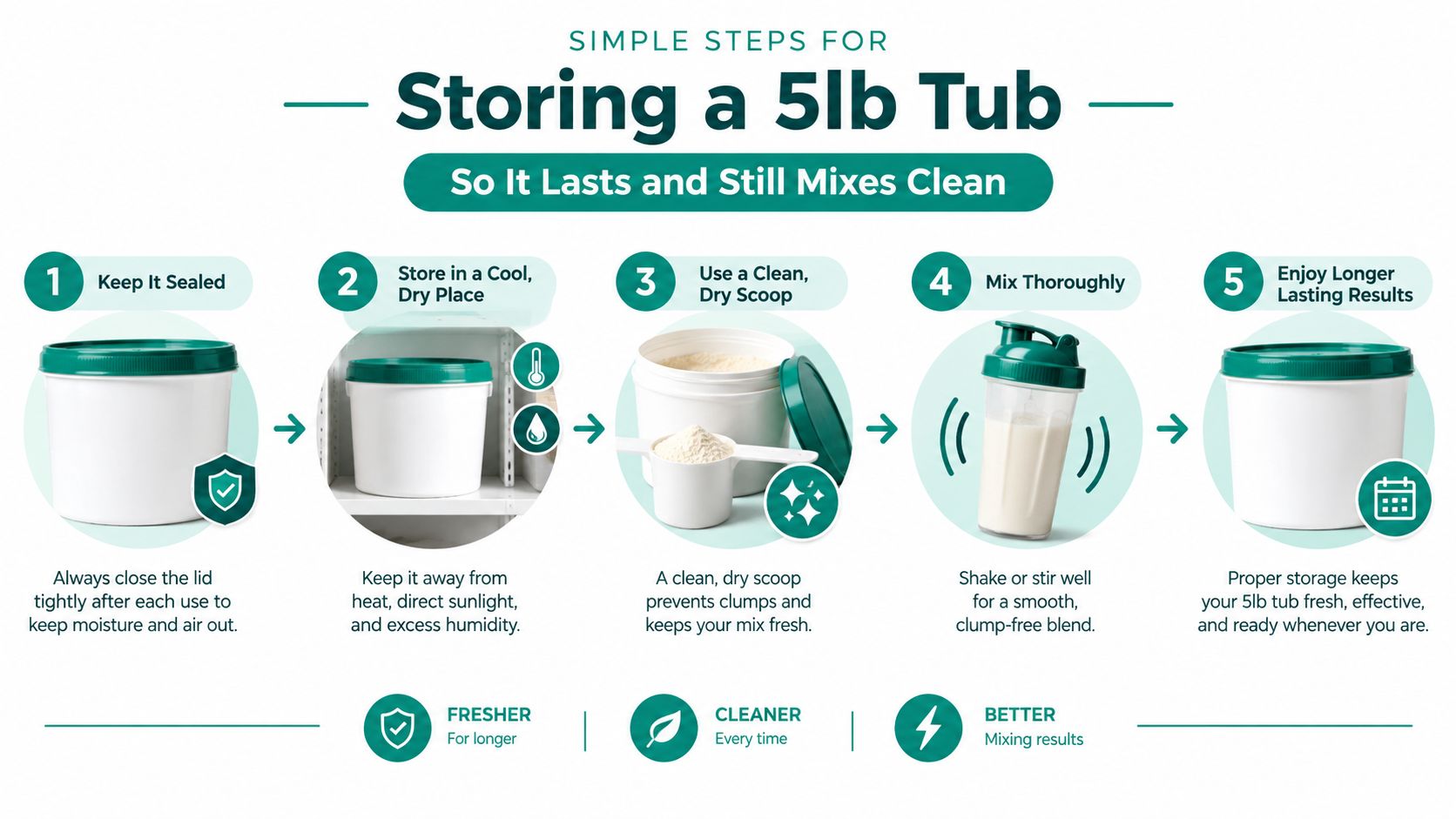
Keep the tub dry, cool, and closed properly
Decant a week's worth into a smaller container or shaker if you use protein daily. Then seal the main tub tightly and keep it in a cool, dry cupboard away from the hot water cylinder, stove heat, or a sunlit window. The point is simple, less moisture in the main tub means less clumping and less waste. If you keep the tub on a bench in a humid Auckland kitchen, don't be surprised when it starts turning into lumps.
Do not bin the silica sachet. Leave it in the tub, and do not eat it. It exists to help manage moisture, and moisture is what ruins the powder.
Know when to stop using it
Unopened tubs generally stay fresh roughly 18 to 24 months from manufacture, but once you've opened one, aim to finish it within eight to ten weeks. That timing matters more with concentrate-heavy formulas, because they tend to be less forgiving than isolates once air and humidity get involved. For a practical storage rundown, NZ readers can cross-check against protein powder expiration guidance.
Throw it out if: the powder has hard clumps, an off smell, or a yellowed look.
Use a clean, dry scoop every time. A wet scoop is the fastest way to seed clumping and contamination inside the tub. That's the kind of mistake people make once, then complain about the product when the issue was how they stored it.
Who Should Skip the 5lb Format Altogether
Some shoppers should not buy a 5lb whey tub, full stop. The format rewards routine, a dry cupboard, and a habit of finishing tubs on time. If those three things aren't true, bulk buying turns into a false economy, and the smaller pack ends up costing less overall because it suits your actual usage.
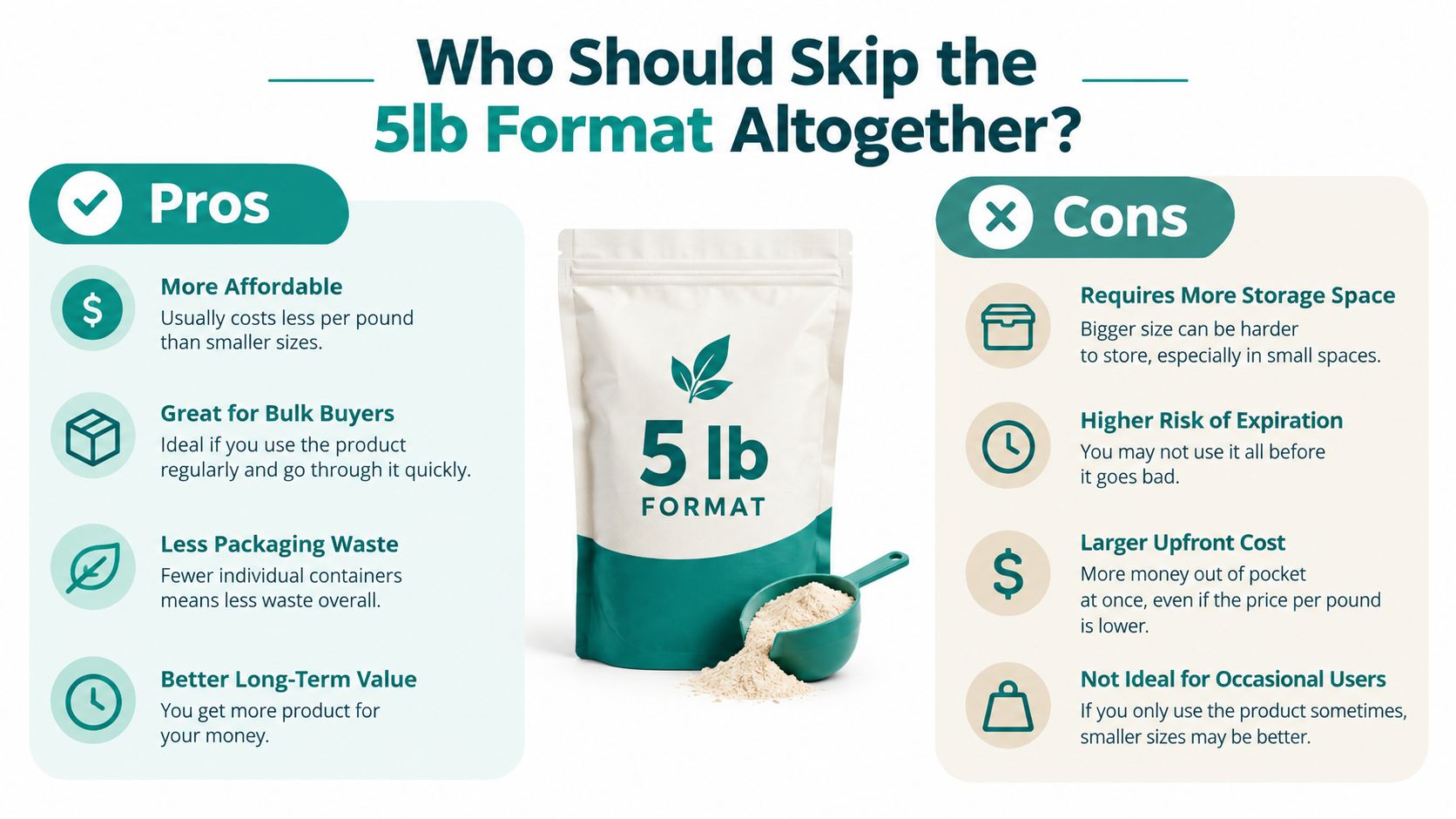
The wrong buyers for the big tub
- Occasional users: If you only take protein two or three times a week, a 5lb tub is likely to sit open too long and lose its edge before you finish it.
- Beginners still testing flavours: A first-time buyer should not lock in a giant tub before they know whether they like the taste or texture.
- People chasing one flavour: Bulk lines usually have fewer SKUs, and promo flavours often disappear from smaller packs first.
- Shared kitchens: If multiple people keep opening the same tub all day, the clumping and contamination risk climbs fast.
- Promo hunters: Smaller tubs often land on sharp clearance cycles, and those discounts can beat the per-serve value of a full-price bulk pack.
- Shoppers with no cool dry storage: No proper cupboard means the tub ages badly, even if the expiry date still looks generous.
The market is also shifting toward more selective buying, with consumers paying closer attention to formula type and suitability rather than just tub size. That matters if you're lactose-sensitive, if you need batch-tested products, or if you only want a short trial before committing to a larger format. A tub is not a commitment you owe the shelf.
If you rotate flavours slowly, travel often, or know your bench space is limited, skip the 5lb and buy smaller. The maths only matters if you finish the product in good condition.
A Quick Pre-Checkout Checklist Before You Buy
A good checkout decision takes less than a minute if you stay disciplined. Start with the actual serves, not the front-of-pack excitement. Then decide whether the tub fits your routine, your cupboard, and your budget today, not next month.
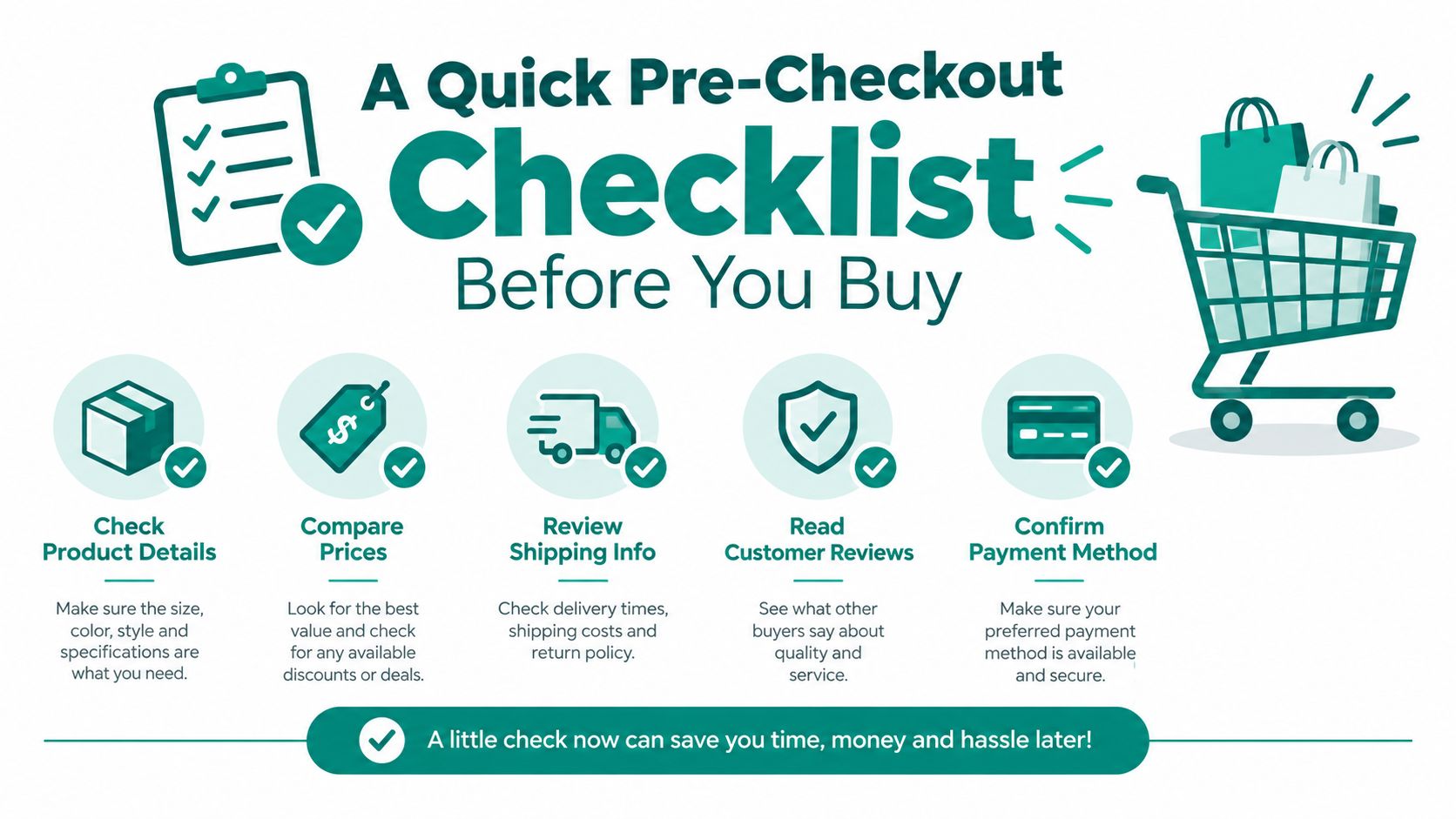
Check these five things
- Real cost per serve: Divide the tub price by the number of serves, not by the headline 2.27 kg weight.
- Protein target: Make sure the protein per serve lines up with how you use the powder.
- NZ label details: Look for the batch code, expiry, manufacturer or seller details, and a clear ingredient list.
- Storage fit: If you don't have a cool, dry cupboard and an easy way to keep the scoop dry, don't buy big.
- Promo comparison: A smaller tub on promotion can beat the larger one on full price once you do the serving maths.
If you finish a tub inside eight weeks and the numbers favour it, buy the whey protein 5lb. If you won't finish it cleanly, or if a smaller tub is cheaper on a per-serve basis, walk away from the bulk format and wait for the next deal.
NZ Supps stocks sealed, locally held protein products and shows per-serve value clearly, which makes it easier to compare tubs without getting tricked by the shelf tag. If you want to check sizes, flavour options, and value side by side, go to NZ Supps and compare the whey range before you click buy.