SHOP NOW, PAY LATER














 Informed Sport
 Informed Choice
 NSF Certified for Sport
 HASTA Certified

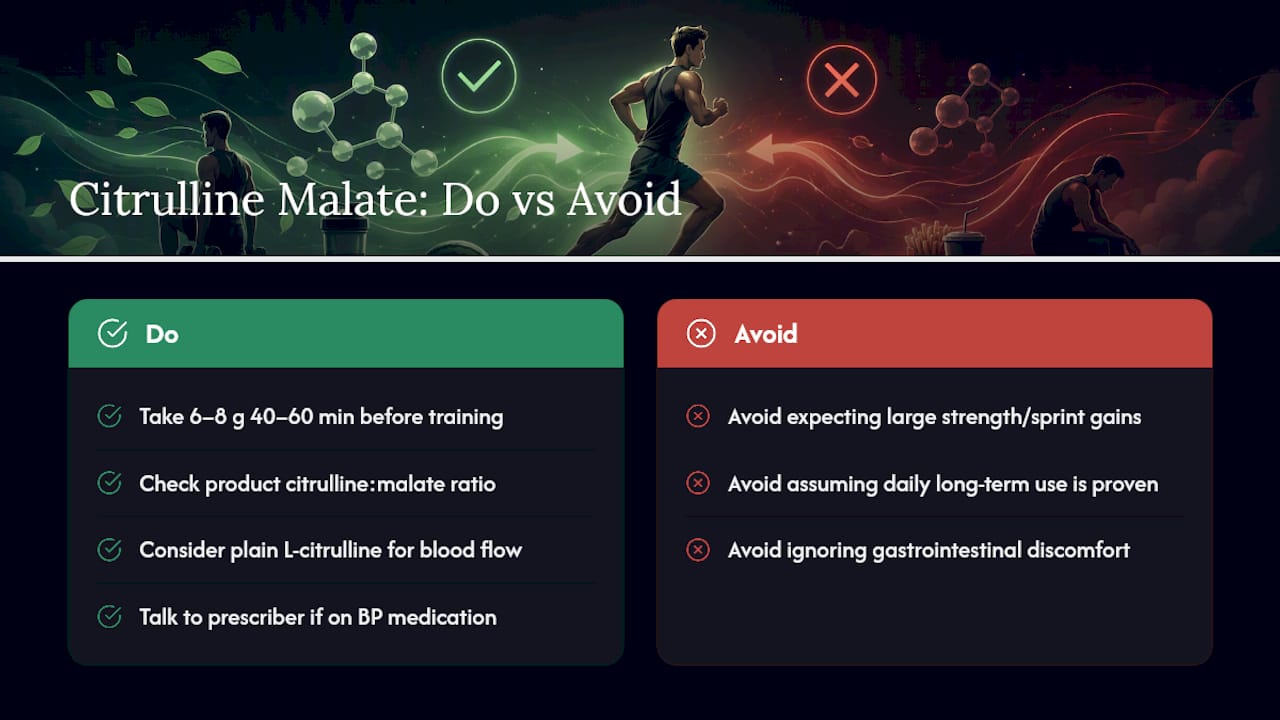
Citrulline malate has real, if modest, support for boosting muscular endurance and delaying fatigue during resistance training. The evidence is weaker and more mixed for pure strength (one-rep max) and sprint power. Most trials use a single dose around 6 to 8 grams taken 40 to 60 minutes before training, though the dosing evidence base is still not firmly established.
That’s the short version. Here’s the catch you need before you spend a dollar on it:
- Results vary a lot between studies, partly because manufacturers use different citrulline to malate ratios and label them inconsistently.
- If you take blood pressure medication, talk to your prescriber first. Citrulline’s effect on blood vessel dilation can theoretically stack with antihypertensive drugs.
Key Takeaways
Citrulline malate offers modest, reproducible support for muscular endurance at a moderate acute dose, but strength, sprint, and aerobic gains remain inconsistent across trials.
| Point | Details |
|---|---|
| Best-supported benefit | Muscular endurance and reps-to-failure in resistance training show the most consistent improvement. |
| Common trial dose | Most acute studies use a single moderate dose of citrulline malate taken 40 to 60 minutes pre-exercise. |
| Ratio matters | The product’s citrulline to malate ratio affects the actual L-citrulline amount delivered. |
| Main safety caution | GI discomfort is the most common side effect; check with a prescriber if you take blood pressure medication. |
| Where to buy transparently labeled products | Nzsupps lists exact citrulline amounts and ratios on its pre-workout and single-ingredient product pages, unlike vague proprietary blends. |
Table of Contents
- What Are the Real Citrulline Malate Benefits?
- How Does Citrulline Malate Work in the Body?
- Does Citrulline Malate Actually Improve Exercise Performance?
- What Dose of Citrulline Malate Do Studies Actually Use?
- Is Citrulline Malate Safe? Side Effects and Interactions
- How Do You Choose a Quality Citrulline Malate Product?
- Sample Citrulline Malate Protocols and Smart Stacking
- Why Do Citrulline Malate Studies Give Such Different Results?
- Frequently Asked Questions
- Sources
What Are the Real Citrulline Malate Benefits?
Citrulline malate (CM) is L‑citrulline, a naturally occurring amino acid, bound to malic acid, the compound that gives green apples their tartness. Pure L‑citrulline supplements skip the malate. That difference matters more than most product labels let on.
Manufacturers combine the two compounds in different ratios, most commonly 2:1 (citrulline to malate) or 1:1. A 6 gram scoop of a 2:1 product delivers roughly 4 grams of actual L‑citrulline, while the same 6 grams at a 1:1 ratio gives you only 3 grams. Neither number is bad. The problem is that most labels just say “citrulline malate 6,000 mg” without stating the ratio, so you have no way to know how much active citrulline you’re actually getting.
This is not a minor technicality. Examine’s evidence review flags exactly this kind of quality control gap as one of the reasons trial results diverge so much. Two studies claiming “8 grams of CM” could be delivering meaningfully different citrulline doses depending on which ratio the product used.
For readers whose main goal is nitric oxide driven blood flow rather than the malate’s metabolic effects, the Cleveland Clinic notes that pure L‑citrulline currently has a stronger evidence base, since it removes the ratio guesswork entirely.
Pro Tip: If a label lists total citrulline malate in milligrams but not the ratio, email the brand. Reputable manufacturers will tell you straight away; if they dodge the question, that’s a red flag worth noting before you buy.
How Does Citrulline Malate Work in the Body?
Three separate mechanisms are usually proposed to explain what citrulline malate does, and only one of them involves the malate at all.
The best documented pathway starts with absorption. Citrulline bypasses first-pass liver metabolism (unlike dietary arginine, which the liver breaks down heavily) and converts to arginine in the kidneys. Arginine feeds nitric oxide synthase, producing nitric oxide, which relaxes blood vessel walls and increases blood flow to working muscle. That’s the same vasodilation pathway beetroot juice and other nitrate supplements target, just from a different starting molecule.
The mechanisms typically cited, in rough order of research support:
- Nitric oxide production: citrulline converts to arginine, arginine feeds nitric oxide synthase, and the result is vasodilation and theoretically better nutrient delivery to muscle.
- Ammonia buffering: citrulline participates in the urea cycle, helping clear ammonia, a byproduct of intense exercise linked to central fatigue.
- Malate and the Krebs cycle: malate is a Krebs cycle intermediate, and some researchers propose it supports ATP regeneration during sustained effort.
- Reduced perceived exertion: some trials report lower subjective fatigue ratings even when objective performance markers don’t move much.
If you want a mental picture: citrulline turns into arginine, arginine turns into nitric oxide, nitric oxide widens blood vessels, and separately, malate feeds into the cellular energy cycle that keeps ATP production running under load. Two supply chains, one supplement.
The mechanistic story for citrulline malate is genuinely coherent. Nitric oxide production, ammonia clearance, and Krebs cycle support are all real, well-documented physiological processes. The gap is between “this pathway exists” and “this pathway reliably improves your squat volume.” Review literature confirms the mechanisms operate, but translating them into consistent performance gains across different athletes and protocols is where the evidence gets shaky.
Pro Tip: A plausible mechanism is not the same as a proven outcome. Plenty of supplements have textbook-perfect biochemistry and still fail to move the needle in a well-controlled trial. Judge citrulline malate on the outcome data in the next section, not just the pathway diagram.
Does Citrulline Malate Actually Improve Exercise Performance?
The evidence splits cleanly by outcome type, and lumping them together is where a lot of confusion starts.
Muscular endurance (strength-endurance): This is where citrulline malate performs best. Several trials report athletes completing more repetitions before failure in multi-set resistance training after an acute moderate dose, particularly in upper body pressing movements. The effect size is generally small to moderate, not dramatic.

Aerobic endurance: Mixed and generally underwhelming. Some cycling and running trials show slightly improved time to exhaustion; others find no measurable difference in VO2 max or race-pace performance. The critical review published in the European Journal of Applied Physiology concludes the aerobic evidence remains equivocal, likely due to differences in athlete training status and protocol length.
Maximal strength (1RM): Weak support. Most trials find no significant change in one-rep max testing, which makes sense given that a single max lift doesn’t create the sustained metabolic demand that citrulline malate’s proposed mechanisms target.
High-intensity intermittent exercise: Limited data, and what exists is inconsistent. Sprint-repeat protocols and short anaerobic bursts don’t show a clear, reproducible benefit.
Muscle soreness and recovery: Some improvement in subjective soreness ratings shows up in a handful of trials, including studies using watermelon extract as a natural citrulline source, though objective recovery markers were less consistent in that same research.
| Trial focus | Typical dose | Population | Primary outcome measured | Result summary |
|---|---|---|---|---|
| Upper body resistance training | 8 g CM, single dose | Resistance-trained adults | Reps to failure across multiple sets | Modest increase in total reps completed |
| Cycling time trial | 6-8 g CM | Trained cyclists | Time to exhaustion, power output | Mixed; some trials show slight gains, others none |
| One-rep max testing | 8 g CM | Recreational lifters | Maximal strength on bench/squat | No significant change in most trials |
| Sprint-repeat protocol | 6 g CM | Team-sport athletes | Repeated sprint performance | Inconsistent, no reliable pattern |
| Perceived soreness/recovery | Variable, some watermelon-derived | Mixed training levels | Subjective soreness, RPE | Some improvement in perceived soreness; objective markers weaker |
Where does the overall weight of evidence sit? Citrulline malate has its best, most reproducible case for high-rep resistance training where fatigue resistance matters more than peak force output. Everywhere else, the data is thinner and the effect, if it exists, is small enough that individual response probably matters more than the average trial result.
What Dose of Citrulline Malate Do Studies Actually Use?
Most acute performance trials use a single 6 to 8 gram dose of citrulline malate taken 40 to 60 minutes before training, and 8 grams shows up most often in the literature as the tested threshold, though the overall dosing evidence is still considered preliminary.
The translation problem starts here, because “8 grams of CM” means different things depending on your product’s ratio. Here’s how that plays out in practice.
Timing and protocol guidance worth following:
- Take your dose 40 to 60 minutes before training; nitric oxide-mediated vasodilation needs time to build.
- Acute, single-dose protocols are what most of the performance research is built on. Chronic daily dosing has far less trial support behind it.
- Check the label for the ratio before you assume you’re hitting an 8 gram dose of actual citrulline. If the ratio isn’t listed, use the math above as a rough guide.
- Split larger doses across two servings if you notice stomach discomfort, rather than taking one large bolus on an empty stomach.
Pro Tip: Start at the low end, around 6 grams, for your first week and track how your gut handles it. If there’s no GI upset after several sessions, move up toward 8 grams and log reps-to-failure or time-to-exhaustion so you actually know if it’s doing anything for you.
Is Citrulline Malate Safe? Side Effects and Interactions
Citrulline malate is generally well tolerated, and the most commonly reported side effect across the research is gastrointestinal discomfort, not anything more serious.
Practical side effects and how to manage them:
- Stomach upset or bloating: More common at higher single doses; splitting the dose or taking it with a small amount of food usually helps.
- Mild headache: Occasionally reported, likely tied to the vasodilation effect; usually resolves as your body adjusts.
- Low blood pressure sensations (lightheadedness, especially when standing quickly): Related to the same nitric oxide pathway that produces the intended vasodilation.
Citrulline’s vasodilation effect is exactly the mechanism that makes it a theoretical concern for anyone on blood pressure medication. Stacking two blood-pressure-lowering effects, even mild ones, is not something to figure out through trial and error.
If you take antihypertensive medication, have a diagnosed cardiovascular condition, or are pregnant or breastfeeding, talk to a prescriber before adding citrulline malate to your routine. Supplements are regulated far less strictly than prescription medicine in most markets, which is exactly why third-party batch testing on the product you choose matters more than marketing claims on the label.
How Do You Choose a Quality Citrulline Malate Product?
The gap between a good citrulline malate product and a mediocre one usually comes down to what’s missing from the label, not what’s printed on the front of the tub.
Look for these on any label before buying:
- Exact L-citrulline amount in milligrams, not just total “citrulline malate” weight.
- The citrulline to malate ratio stated explicitly (2:1 and 1:1 are the two you’ll see most often).
- Serving size and servings per container, so you can calculate cost per effective dose.
- Manufacturer contact information and a batch or lot number you can look up.
Third-party testing marks and batch certificates are what separate a trustworthy brand from a guess. Checking whether a supplement is independently tested before you buy protects you from the ratio-inflation problem where the label overstates actual citrulline content relative to what independent testing finds.
Red flags worth walking away from: vague “proprietary blend” labeling that hides individual ingredient amounts, no stated ratio anywhere on the packaging, and no way to find batch-test documentation on the brand’s website.
Pro Tip: Divide the total product weight by the serving size to get servings per container, then compare that to the trial dose you’re targeting. A “150 gram” tub that only delivers 15 servings at an effective 6 gram citrulline dose is a very different value proposition than one that delivers 25.
Sample Citrulline Malate Protocols and Smart Stacking
Two straightforward protocols cover most of what the research actually tested, and both are low-risk to trial in your own training.
Acute pre-workout protocol:
- Take 6 to 8 grams of citrulline malate with a small amount of food.
- Wait 40 to 60 minutes before starting your session.
- Log reps to failure, time to exhaustion, or RPE for your main lifts.
- Repeat for 3 to 4 sessions before drawing any conclusion.
Short-term loading protocol:
- Take 6 grams daily for 5 to 7 days, timed before your primary training day.
- Track GI tolerance daily during the loading week.
- Compare performance metrics from the final two sessions against your baseline week.
Sensible stacking options worth considering:
- Citrulline malate with a carbohydrate source pre-workout, which supports the same endurance goals citrulline is targeting.
- Citrulline malate with caffeine, with a caution: both affect cardiovascular response, so if you’re sensitive to stimulants, introduce one variable at a time.
- Avoid stacking with other high-dose vasodilating supplements (like high-dose beetroot extract) until you know your individual tolerance.
Pro Tip: Track the same three metrics every session, reps completed, RPE, and any GI symptoms, so you’re comparing consistent data rather than relying on how you “feel” a workout went.
Why Do Citrulline Malate Studies Give Such Different Results?
Inconsistent findings across the research usually trace back to a handful of recurring methodological issues, not to citrulline malate simply “not working.”
- Ratio variability: 2:1 versus 1:1 products deliver meaningfully different actual citrulline doses under the same “8 gram” label.
- Dose and timing differences: some trials dose 6 grams, others 8 or more, and pre-exercise timing windows vary from 40 minutes to over an hour.
- Small sample sizes: many trials run with fewer than 20 participants, which limits how confidently results generalize.
- Heterogeneous protocols: comparing a cycling time trial against a resistance-training rep-failure test isn’t really comparing the same outcome at all.
A practical decision flow for testing it yourself:
- Pick one protocol (acute or loading) and run it for at least 3 to 4 sessions before judging results.
- Track objective metrics, not just how the session felt.
- Continue only if you see a measurable change; stop if you don’t, or if GI symptoms outweigh any benefit.
Coaches and clinicians working with athletes should document dose, ratio, and timing for every trial period, since without those three data points, it’s impossible to know whether a null result reflects the supplement or the protocol.
A Publisher’s Take on Citrulline Malate
The honest read on citrulline malate is that it’s neither a wasted purchase nor a guaranteed upgrade. The mechanistic story holds up, the muscular endurance data is the most convincing slice of the research, and everything else deserves a shrug rather than a verdict. What frustrates me about how this supplement gets marketed is the confidence gap. Brands sell certainty a small, ratio-inconsistent evidence base simply doesn’t support. Run your own controlled trial, track real numbers, and let your own data override the marketing copy.
If you’re on blood pressure medication or manage a cardiovascular condition, loop in your prescriber before you start. That’s not a disclaimer for the sake of one. It’s the single most relevant caution in the entire research base.
Where to Find Clearly Labeled Pre-Workout and Citrulline Products
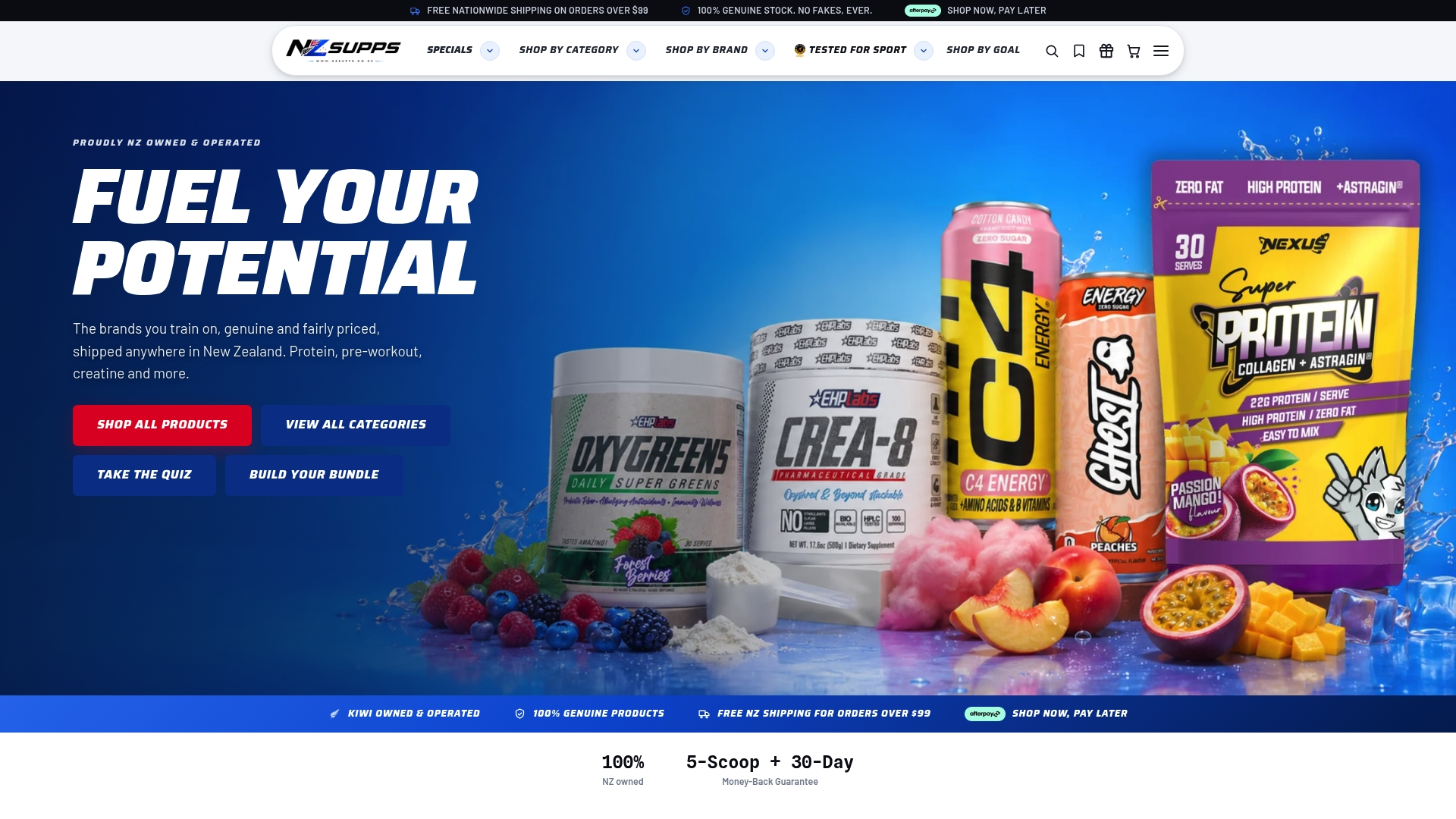
Once you’ve decided to trial citrulline malate, the label problems covered earlier become the deciding factor in which product actually earns your money. Nzsupps stocks a curated range of pre-workout and performance products with fully disclosed ingredient amounts, so you’re not left guessing at a hidden ratio or a vague “proprietary blend.”
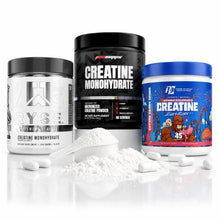
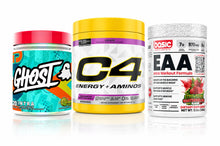
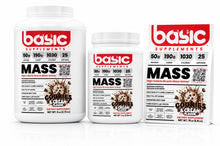
Before adding anything to your cart, check three things on the label: the exact L-citrulline amount (not just total citrulline malate weight), the stated ratio, and whether the brand publishes batch-test information. If you’re looking for a pre-workout formula built around transparent dosing rather than blend secrecy, Basic Supplements’ pre-workout without beta-alanine is a straightforward option to start comparing against whatever you’re currently using. Pair your trial protocol with a clean creatine monohydrate if you’re also chasing strength gains alongside the endurance benefits citrulline targets, and log your results for a few weeks before deciding what stays in your stack.
Frequently Asked Questions
Does citrulline malate actually work for exercise performance? It shows a modest, fairly consistent benefit for muscular endurance in resistance training, but the evidence for strength, sprinting, and pure aerobic performance is mixed at best.
What’s the difference between citrulline malate and L-citrulline? Citrulline malate combines L-citrulline with malic acid, while pure L-citrulline supplements contain no malate. Some experts recommend plain L-citrulline when the main goal is blood flow, since that evidence base is currently stronger.
What is the best citrulline malate dosage? Most trials use 6 to 8 grams taken 40 to 60 minutes before training. Check your product’s citrulline to malate ratio, since it determines how much actual L-citrulline you’re getting from that dose.
Are there side effects from citrulline malate? Gastrointestinal discomfort is the most commonly reported issue. Anyone on blood pressure medication should talk to a prescriber first, given citrulline’s role in vasodilation.
Can I take citrulline malate every day? Most performance research tests acute, single-dose use before training rather than daily chronic dosing, so the evidence for long-term daily use is thinner than for pre-workout timing.
This article is general information, not a substitute for advice from a qualified doctor. Consult a qualified healthcare professional about your own circumstances before acting on anything here.
Sources
- PubMed: Evidence-based dosing strategies for citrulline malate (review)
- A critical review of citrulline malate supplementation and exercise performance | European Journal of Applied Physiology
- Examine
- L-Citrulline Supplement Benefits and Side Effects (Cleveland Clinic)
- L-Citrulline: A Non-Essential Amino Acid with Important Roles in Human Health (MDPI Applied Sciences)
Recommended
- Magnesium Glycinate vs Citrate: The Difference, NZSupps
- Creatine Benefits: What It Does & Who It’s For, NZSupps
- Creatine HCL vs Monohydrate: Save Your Money, NZSupps
- Athletech Purest Creatine Monohydrate Unflavoured | NZ Supps
Use the citrulline discussion in this article when comparing pre workout NZ. Read the ingredient name and amount on each current label, then check the serving directions and the rest of the formula.