SHOP NOW, PAY LATER















 Informed Sport
 Informed Choice
 NSF Certified for Sport
 HASTA Certified

You are three weeks into your biggest training block of the year, the numbers are climbing, and then it hits: the scratchy throat, the heavy legs, the week off you did not plan. Sound familiar? The honest answer is that staying healthy through hard training is mostly about habits, and only a short list of supplements has evidence worth paying for.
The short answer
- Habits come first. Sleep, enough food (especially carbs), hand hygiene and sensible load increases do most of the work.
- Vitamin C has the most useful evidence for people under heavy physical stress.
- Vitamin D is worth considering if you are likely to be low, which is common over a New Zealand winter.
- Zinc may help most at the first sign of a cold, and probiotics are a reasonable add-on once the basics are sorted.
Why heavy blocks raise your risk
Hard training on its own is not the problem. The trouble starts when several stresses stack up at once.
- Load spikes. Jumping your volume or intensity quickly puts more strain on your body than a steady build.
- Short sleep. Early sessions, late nights and a busy job chip away at recovery.
- Travel. Planes, buses and shared rooms put you close to more people and more germs.
- Low energy. Eating too little for the work you are doing leaves less fuel for recovery and repair.
A 2018 consensus paper by Walsh in the European Journal of Sport Science pulled this together. Its main message is simple: manage load, sleep, nutrition and hygiene first, and only then think about a short list of supplements with support.
Habits first: the four that matter most
Sleep
Sleep is when your body does its repair work. Aim for a regular bedtime, a dark room and a cut-off for caffeine in the afternoon. If late training makes it hard to wind down, magnesium in the evening is a popular part of many athletes' routines. Pillar Triple Magnesium is built for exactly that, combining three well-absorbed forms, and it is Informed Sport certified.
Fuel
Under-eating is one of the quickest ways to get run down. Carbohydrate matters here, because hard sessions on an empty tank add stress. Eat enough to match your training, get protein at each meal, and have carbs around your longest or hardest sessions.
Hand hygiene
It sounds too simple, but washing your hands, not sharing drink bottles and keeping hands away from your face cuts down how many germs you meet. This matters most at the gym, on team buses and during travel.
Load management
Build training gradually and plan easier weeks. If you feel flat, sore and irritable for days in a row, that is a signal to back off before your body makes the call for you.
Supplements with some evidence
Once your habits are in place, a few supplements may support normal immune function. Here is the honest short list.
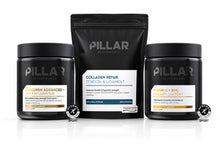
Vitamin C under heavy physical stress. A Cochrane review by Hemila and Chalker looked at vitamin C and the common cold. In the general population, regular vitamin C made little difference to how often people caught colds. In people under heavy physical stress, such as marathon runners and soldiers, it made a clearer difference. That is why it is a sensible pick for athletes in a big block. Pillar Ultra Immune C combines a full gram of vitamin C with vitamin D3 and zinc in one daily scoop, and it is Informed Sport certified.
Vitamin D if you are low. Your body makes vitamin D from sunlight, so levels often drop over winter or if you train mostly indoors. It plays a role in normal immune function. A blood test from your GP will tell you where you stand, and our guide to vitamin D dosage covers the basics.
Zinc at the onset. Zinc may be most useful when started at the first sign of a cold, rather than taken in big doses all year. Pillar Vitamin C + Zinc pairs 1000mg of vitamin C with 15mg of zinc in one tablet. For more on how these two work together, read our piece on vitamin C and zinc.
Probiotics for gut health. Some research suggests certain strains may support gut and immune health during heavy training. Results vary, so treat them as an add-on. Our guide to probiotics for athletes goes deeper. If you want an easy all-in-one, Ghost Greens includes 10 billion CFU of probiotics plus prebiotic fibre and a greens blend.
A sample week checklist
| When | What to do |
|---|---|
| Every day | 7 to 9 hours of sleep, protein at each meal, wash hands |
| Hard session days | Extra carbs before and after, vitamin C with breakfast |
| Evenings | Wind-down routine, magnesium if it helps you sleep |
| First sign of a cold | Ease off training, start zinc, rest and fluids |
Shift workers face the same problems with an extra twist. If your sleep pattern changes week to week, the night-shift stack is worth a read.
Where NZ Supps fits
We keep the essentials for a hard block together in our everyday health range, with more options across health and wellness and magnesium. Everything ships quickly anywhere in New Zealand.
Our honest take: no tub will outwork poor sleep or a sudden jump in training. Get the habits right, add vitamin C during your heaviest weeks, and keep the rest simple.
FAQ
Why do I get sick after hard training? Big jumps in training load, short sleep, travel and not eating enough all add stress at the same time. Together they can leave you more run down and more likely to pick up whatever is going around. The fix starts with managing those stresses, not with a pill.
What is the best supplement for immune support for athletes? Vitamin C has the most useful evidence for people under heavy physical stress. Vitamin D is worth a look if you are likely to be low, such as over a New Zealand winter. Neither replaces sleep, food and sensible training load.
Should I train when I have a cold? A common rule of thumb is the neck check. If your symptoms are above the neck, like a runny nose, an easy session may be fine. If you have a fever, body aches or chest symptoms, rest until you are well.
Does zinc help with colds? Zinc may help most when it is started at the first sign of a cold rather than taken all year. It is best used short term at sensible doses, as part of a wider plan that includes rest and fluids.
Do probiotics help athletes stay healthy? Some research suggests certain probiotics may support gut and immune health during heavy training, though results vary by strain. They are a reasonable add-on once your sleep and diet are sorted. Our probiotics guide covers the details.
Sources
Walsh 2018, European Journal of Sport Science, recommendations to maintain immune health in athletes (pubmed.ncbi.nlm.nih.gov/29297723). Hemila and Chalker 2013, Cochrane review, vitamin C for preventing and treating the common cold (cochranelibrary.com).