SHOP NOW, PAY LATER














 Informed Sport
 Informed Choice
 NSF Certified for Sport
 HASTA Certified


For most healthy adults, protein powder is safe at recommended servings, and the side effects that do show up are usually mild and manageable. The most common complaints are digestive (bloating, gas, loose stools), occasional skin flare-ups, and sensitivity to specific ingredients like lactose or sugar alcohols. Serious risks are concentrated in people with existing kidney disease, those who chronically overdo their intake, or anyone using a poorly tested product.
TL;DR:
- Bloating, gas, and loose stools often trace to lactose, sugar alcohols, added fiber, or gums; whey isolate contains less lactose than concentrate.
- With nondialysis chronic kidney disease, protein is typically limited to about 0.8 to 1.0 grams per kilogram daily, so consult a clinician before supplementing.
- Choose powders with independent certification or accessible batch test results, since screening has found traces of heavy metals, BPA, and pesticides in products.
- Start with half a serving mixed with extra water, increase gradually over a week, and switch formulas if symptoms persist beyond a couple of weeks.
- Hives, facial swelling, or breathing difficulty after a shake may signal milk allergy, not lactose intolerance, and require prompt medical care.
Table of Contents
- Common Side Effects and What They Usually Look Like
- Reading the Label: Ingredients Behind Most Complaints
- Risks From Excessive or Chronic High Intake
- Contaminants, Heavy Metals, and the Case for Third-Party Testing
- A Practical Checklist for Trialing and Choosing a Powder
- Why This Guidance Holds Up
- Interactions With Medications and Supplements
- Hydration and Electrolyte Balance
- A Fair Balance Between Benefit and Caution
- How We Make Safer Choices Easier to Find
- FAQ
- Sources
Common Side Effects and What They Usually Look Like
Most reactions to protein powder show up in the gut within a few hours of a shake, and they rarely signal anything dangerous. Bloating, gas, and loose stools are the most frequent complaints, and they typically trace back to lactose, added fiber, or sweeteners rather than the protein itself. Constipation can happen too, usually when a formula is low in fiber and a person isn’t drinking enough water with it.
It helps to separate true milk allergy from lactose intolerance, since they get confused often. Lactose intolerance causes bloating and gas after dairy-based powders, while a genuine milk allergy can trigger hives or breathing difficulty and needs to be taken more seriously.
- Bloating and gas usually appear within one to three hours and often fade as the gut adjusts to a new ingredient.
- Diarrhea or constipation is more likely with formulas heavy in added fiber, sugar alcohols, or insufficient water.
- Skin flare-ups, including acne, have been reported by some whey users, particularly those already prone to breakouts.
- Headache, nausea, and thirst show up occasionally and are often tied to dehydration or a sensitivity to a specific additive.
Common side effects of whey protein include bloating, increased bowel movements, acne, nausea, and tiredness, according to clinical reference guidance. These effects are typically dose-related and ease once a person finds the right serving size and formula.
Reading the Label: Ingredients Behind Most Complaints
Most side effects trace back to a short list of ingredients, and checking the label before you buy solves a lot of problems in advance.
- Lactose: Whey concentrate contains more lactose than whey isolate, so people with mild intolerance often do fine on isolate even when concentrate causes bloating. Lactose intolerance symptoms typically appear once intake crosses a threshold roughly equivalent to a glass of milk, so smaller amounts in a blended formula may still cause trouble for sensitive people.
- Artificial sweeteners and sugar alcohols: Ingredients ending in “-itol” (sorbitol, xylitol, erythritol) draw water into the gut and ferment, producing gas and loose stools in sensitive users.
- Added fibers and gums: Inulin, chicory root, and thickening gums are fermented by gut bacteria and can cause noticeable bloating, especially at higher doses.
- Maltodextrin and dextrins: These fast-digesting carbs can spike blood sugar and sit poorly with some people’s digestion, particularly in mass gainers.
- Allergen flags: Soy, gluten, and egg appear under various labeling names, so anyone with a known allergy should scan the full ingredient list, not just the front-of-pack claims.
Risks From Excessive or Chronic High Intake
Occasional overdoing it on protein rarely causes lasting harm in a healthy person, but chronic, very high intake is a different story, especially for anyone with reduced kidney function. Dietary protein intake for people with non-dialysis chronic kidney disease is typically restricted to about 0.8 to 1.0 grams per kilogram of body weight per day, and supplements can push someone past that limit faster than food alone. Anyone with kidney disease should plan total protein intake with a doctor or renal dietitian before adding a supplement.
In healthy populations, the picture is more reassuring but not perfectly clean. A narrative review of whey protein research found mixed evidence on kidney and liver markers, with most concerning signals tied to chronic, high-dose use or to people who already had underlying conditions rather than to typical healthy users. The same body of research found no clear causal link between whey protein and gout, and dairy intake may even be neutral or favorable for uric acid levels.
- Seek medical attention promptly for difficulty breathing, facial swelling, or hives after a shake.
- Dark urine, yellowing skin or eyes, or persistent severe abdominal pain also warrant a same-day medical check.
Contaminants, Heavy Metals, and the Case for Third-Party Testing
Ingredient sensitivity isn’t the only risk worth knowing about. A contaminant-screening investigation found traces of heavy metals, BPA, and pesticides across a range of protein powders on the market, which is part of why independent verification matters as much as the ingredient list itself.
- Look for certifications such as NSF Certified for Sport or Informed-Sport on the label or website.
- Check whether the brand publishes batch-test certificates or lets you request one directly.
- Favor suppliers who disclose country of manufacture and storage rather than staying vague about sourcing.
Pro Tip: Before buying, search the brand name plus “batch test” or “certificate of analysis” to see whether results are publicly available.
A Practical Checklist for Trialing and Choosing a Powder
Reducing side effects is mostly a matter of going slow and reading labels before committing to a tub.
- Start with a half-serving mixed in extra water, and increase gradually over a week if your gut tolerates it.
- If you react to whey, try isolate or hydrolysate first since both carry less lactose than concentrate; pea, rice, egg, or hemp protein are other options if dairy remains a problem.
- Choose products with short ingredient lists, minimal added sugar, and visible batch-testing claims over heavily additive-laden formulas.
- Count supplement protein toward your total daily intake from food, rather than stacking it on top without adjusting meals.
- Lean on whole-food protein, such as eggs, fish, chicken, or legumes, when a supplement consistently causes symptoms that don’t improve.
Pro Tip: Unflavored or lightly sweetened powders tend to cause fewer digestive complaints than heavily flavored ones loaded with sugar alcohols.
People managing dairy sensitivity specifically may find it easier to start with a lactose-friendly protein option rather than troubleshooting symptom by symptom.
Why This Guidance Holds Up
This guide draws on clinical kidney-disease guidelines, a narrative review of whey protein research, and contaminant-screening reporting rather than anecdotes, and it reflects the kind of label literacy we encourage across our own writing on supplement safety. For readers managing a mass gainer specifically, our piece on mass gainer safety covers starting doses and when to see a doctor in more depth, and our guide to checking supplement testing walks through verifying batch certificates step by step.
Interactions With Medications and Supplements
Protein powder itself rarely interacts dangerously with medication, but a few situations deserve attention. High-protein intake can affect how some drugs are absorbed or metabolized, and people on medications that require strict dietary protein control, such as certain kidney or liver treatments, should run any new supplement past their prescriber first. Levodopa, used for Parkinson’s disease, is a known example where high protein meals can interfere with absorption timing, so spacing matters more than usual for that group.
Combining protein powder with other supplements is generally low-risk, but stacking several products that each contain added vitamins, minerals, or stimulants can add up to more than intended. Pre-workouts blended into a protein shake, for instance, can combine caffeine from both products well past what either label suggests alone. People on blood thinners, diabetes medication, or anything that affects kidney or liver function should mention their full supplement list, protein powder included, at their next medical appointment rather than assuming it’s too minor to mention.

None of this makes protein powder unusually risky compared to other supplements, but it’s a reminder that “just protein” still counts as something your body has to process alongside everything else you’re taking. When in doubt, a pharmacist can usually give a faster answer than searching symptoms online.
Hydration and Electrolyte Balance
Protein metabolism requires more water than carbohydrate or fat metabolism, since your kidneys need fluid to clear the nitrogen byproducts of protein breakdown. A shake mixed with too little water, especially at higher protein doses, can leave some people feeling thirstier or more prone to mild headaches later in the day, which ties back to the “other mild effects” some users report.
Electrolyte balance is a separate but related concern, particularly for people training hard and sweating heavily while also increasing protein intake. Protein powder itself doesn’t typically deplete electrolytes, but a shake isn’t a substitute for proper fluid and electrolyte replacement after intense exercise. Mixing powder with plenty of water, rather than a minimal splash, helps on both fronts: it supports comfortable digestion and keeps you from relying on the shake as your only source of fluid post-workout. You can compare every option in our protein powder collection.
A Fair Balance Between Benefit and Caution
Protein powder earns its place alongside resistance training for people trying to build or preserve muscle, and the evidence for that benefit is solid. The caution comes in in individual cases: existing kidney disease, lactose intolerance, or a sensitivity you haven’t pinned down yet. Prioritize food first, use supplements with intention, and check with a clinician when something doesn’t add up.
— Blake
How We Make Safer Choices Easier to Find
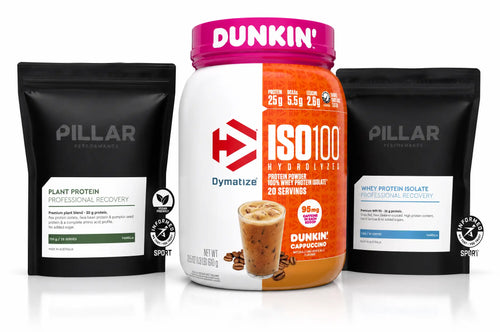
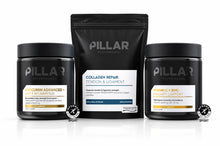
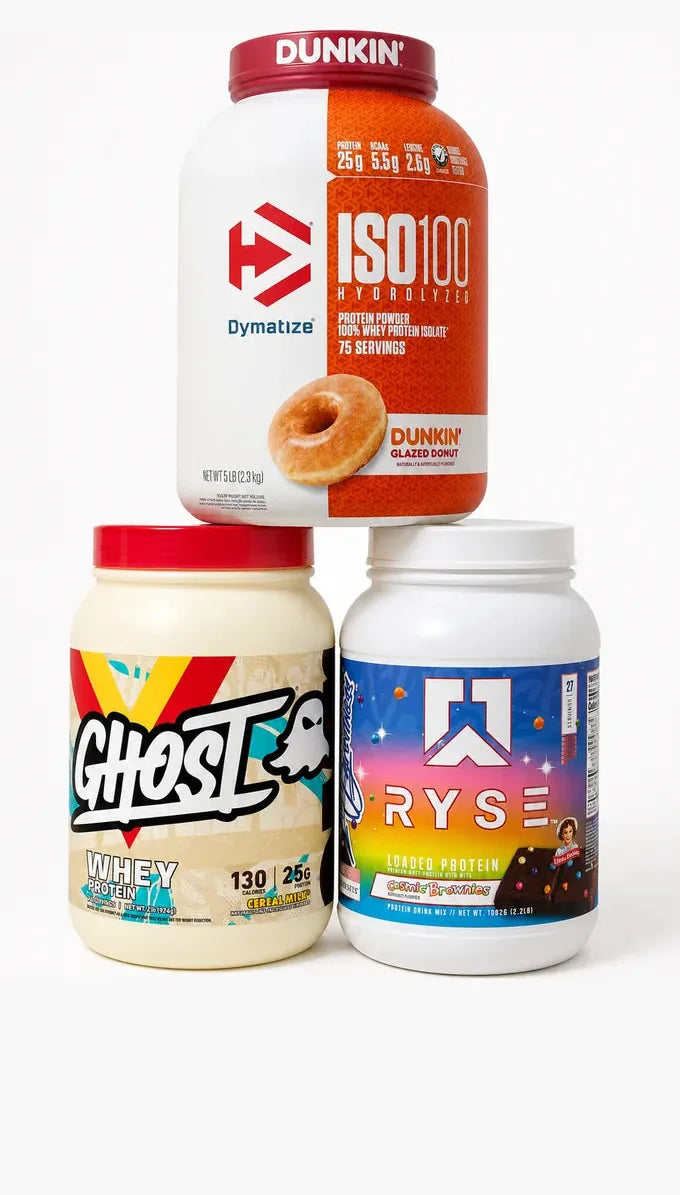
We offer a protein range from trusted brands with fully disclosed ingredient lists, so you can check for lactose, sweeteners, and added fiber before you buy rather than after a bad reaction. Our shop-by-category page covers protein, creatine, aminos, and more in one place, including whey isolate options like Dymatize Iso 100 for lower-lactose needs and Pillar Performance Vegan Protein Isolate for a dairy-free alternative.
- Browse full ingredient panels on every product page before you order.
- Start with a smaller tub if you’re trying a new formula for the first time.
- Reach out to the team if you’re unsure which protein type fits your sensitivities.
Browse our full product range to find a formula that matches your tolerance and training goals.
This article is general information, not a substitute for advice from a qualified doctor. Consult a qualified healthcare professional about your own circumstances before acting on anything here.
FAQ
Can whey protein cause allergic reactions?
Yes, true milk allergy can cause hives, swelling, or breathing difficulty after whey protein, which is different from lactose intolerance and requires avoiding whey-based products entirely. Anyone with a diagnosed milk allergy should choose a plant-based or egg-based protein instead.
What protein powder is best for weight loss?
There’s no single best formula for weight loss, since results depend more on total calories and protein intake across the day than on any one product. A lower-sugar, higher-protein powder with a simple ingredient list is a reasonable choice when you’re watching calorie intake closely.
How does whey protein affect cholesterol?
Current evidence on whey protein and cholesterol is mixed rather than conclusive, with reviews reporting varied outcomes across studies rather than a consistent effect in either direction, according to narrative review findings. People managing cholesterol closely should track their overall diet pattern rather than relying on protein powder alone to move the number.
Can whey protein cause gout?
Research hasn’t established a clear causal link between whey protein and gout, and dairy intake may be neutral or even favorable for uric acid levels, based on existing review evidence. People with a history of gout should still discuss any new supplement with their doctor, since individual triggers vary.
When should I switch protein powders because of side effects?
If bloating, gas, or skin flare-ups persist beyond the first couple of weeks of consistent use, it’s worth switching to a simpler formula or a different protein source like isolate or a plant-based option. Symptoms like severe abdominal pain, dark urine, or breathing difficulty call for medical attention rather than just a product swap.
Sources
- Dietary protein intake for chronic kidney disease (2024) — University Hospitals Sussex
- The hidden dangers of protein powders — Harvard Health
- Narrative review of the health implications of whey protein supplementation — PubMed Central