SHOP NOW, PAY LATER














 Informed Sport
 Informed Choice
 NSF Certified for Sport
 HASTA Certified

Creatine for women is worth considering if you lift, sprint, play repeated high-intensity sport or want help getting more quality work from training. It is not essential, and it will not replace resistance training or enough food. Plain creatine monohydrate at 3g to 5g a day is the sensible starting point for most healthy adults.
Creatine is often marketed with male bodybuilders, but the ingredient is not male. Women store and use creatine in muscle and brain tissue too, and the same phosphocreatine system supplies rapid energy during hard, repeated efforts. The two fears that stop most women, "it will make me bulky" and "it will make me bloated", are covered below, and neither survives contact with the research.
The honest catch is that female-specific research is smaller than the overall creatine evidence base. Some trials show better strength, training volume or fatigue resistance. Others find little difference beyond training alone. That is a reason to set realistic expectations, not to write creatine off.
Quick answer
Worth considering if you lift, sprint or play repeated high-intensity sport: 3g to 5g of plain creatine monohydrate a day is the sensible start, and loading is optional. It will not make you bulky, and any early rise on the scale is water stored in muscle, not body fat. Get advice first if you are pregnant, breastfeeding, under 18, taking medicine, or managing a kidney or other health condition.
What creatine does in a woman's body
Your muscles use adenosine triphosphate, or ATP, for immediate energy. During a hard set or sprint, ATP is used quickly. Phosphocreatine helps restore it. Supplementing creatine can raise muscle creatine stores, which gives that rapid energy system more material to work with.
The effect is most relevant to repeated, high-intensity work. Think lifting sets, short sprints, court-sport bursts and hard intervals. Creatine is not a stimulant, so you do not feel a caffeine-style kick after one scoop. Its value builds as muscle stores rise and you keep training.
The International Society of Sports Nutrition position stand identifies creatine monohydrate as the most extensively studied and effective form for increasing high-intensity exercise capacity. That conclusion comes from the full research base, which still contains more male than female participants.
What the research on creatine for women shows
A 2021 review focused on women found potential benefits for strength, exercise performance and muscle function across different life stages. It also made the limitation clear: women have been understudied, and the evidence is not equally strong for every claim or stage of life.
One 12-week trial in older women combined 5g of creatine a day with resistance training. The creatine group improved several strength measures and training volume more than the placebo group. A later meta-analysis of 10 trials in older women found a small benefit for upper-body strength, but no clear overall effect on lower-body strength or muscle mass. Both findings matter. The supplement may help, but it does not produce the same result in every study.
A 2025 trial involving 34 women and 29 men found that seven days of 5g daily creatine increased measured lean body mass by about half a kilogram more than control. After both groups completed 12 weeks of resistance training, the groups did not differ in lean-mass gain. The researchers noted that creatine-related water can affect lean-mass measurement. That is a useful reality check against promises of instant new muscle.
Will creatine make women bulky?
No supplement can make you accidentally build a body that normally takes years of hard training to develop. Creatine may help you perform a little more work and can support training adaptations. The size and shape changes still come from your programme, food, genetics and time.
The scale may move when you start. Creatine draws water into muscle cells as stores rise, especially during a high-dose loading phase. That is not the same as gaining body fat. Some people notice no meaningful scale change, while others see a small early increase.
If an upcoming weigh-in matters, do not begin a new supplement without planning it with your sports dietitian. For everyone else, judge progress across training performance, measurements and how you feel, not one morning's scale number.
Does creatine cause bloating?
Muscle-cell water and stomach bloating are different things. A large single dose can cause stomach discomfort for some people. Loading with several large servings can make that more likely.
A steady 3g to 5g daily dose avoids the need for a loading week and raises stores more gradually. Mix it well, follow the label and take it with a meal if an empty stomach does not suit you. More is not better once you have reached a normal maintenance intake.
A creatine for women product does not contain a women-specific bulking switch. Products marketed "for her" sometimes add flavour or other ingredients, but plain monohydrate is still the reference form. Compare the active dose before paying for the branding.
How much creatine should women take?
The standard maintenance approach is the same used for adults generally: 3g to 5g of creatine monohydrate each day. The current NZ Supps creatine comparison shows that many stocked products use a 5g labelled serve.
Loading is optional. A common research protocol uses about 20g a day split across four serves for five to seven days, followed by 3g to 5g daily. Taking 3g to 5g from the start reaches the same destination more slowly and is easier on the stomach for many people.
You do not need to cycle on and off. Take it on rest days because the goal is to maintain stores, not to create an immediate pre-workout effect. The creatine and gains guide explains the slow-build mechanism in more detail.
When should women take creatine?
Take it when you will remember. Research has not established a decisive advantage for taking it just before or just after training. A randomised eight-week trial in male and female collegiate athletes compared pre-training and post-training timing without finding a clear reason to treat the clock as the main variable.
Attach the serve to an existing habit. Breakfast, a post-training shake or the same evening meal all work. Do not leave mixed creatine sitting in a warm drink for hours. The Australian Institute of Sport fact sheet recommends consuming it promptly after mixing.
Does age or the menstrual cycle change the answer?
The 2021 women's review discusses possible differences around menstruation, pregnancy and menopause because hormones and creatine metabolism interact. That area is interesting, but the evidence is not strong enough to prescribe a different dose for each menstrual phase.
For post-menopausal women, resistance training remains the foundation. Some trials suggest creatine may add strength or functional benefit, while pooled findings are mixed across outcomes. Treat it as an optional training support, not a treatment for menopause, bone loss or another condition. We cover this in more depth in our guide to creatine in menopause.
Pregnancy and breastfeeding need a separate caution. Research has explored possible roles for creatine, but there is not enough human safety evidence to recommend self-supplementing during pregnancy. Discuss it with your midwife, doctor or obstetric clinician rather than relying on a gym article.
How to choose creatine for women
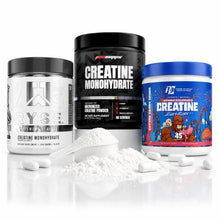
- Choose creatine monohydrate, the form with the largest evidence base.
- Look for a clear 3g to 5g full serving rather than a vague blend.
- Use unflavoured powder for the lowest cost per serve.
- Choose gummies only when the convenience earns their higher cost and the dose is credible.
- If you are drug tested, verify the exact product and batch through a recognised programme.
| Format | Price per 5g serve | Needs mixing | Also on the label |
|---|---|---|---|
| Plain creatine powder | $0.58 to $1.05 | Yes | Nothing else |
| Flavoured creatine | $0.91 to $1.00 | Yes | Flavouring. One tub adds electrolytes |
| Creatine gummies | $1.65 | No | 15 calories a serve |
| Creatine with HMB | $2.62 | Yes | 2g HMB a serve |
Unflavoured creatine, price per 5g serve
Tub price divided by labelled serves. Unflavoured powders in stock at NZ Supps, September 2026.
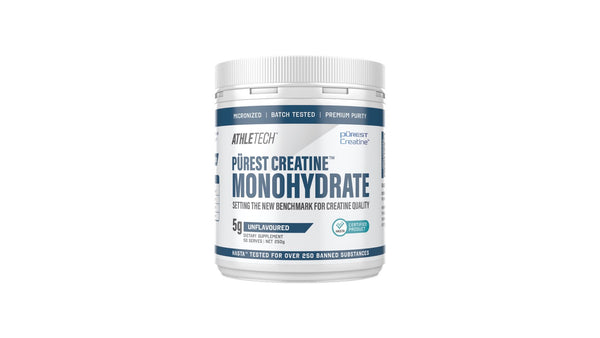
Highlighted: Athletech Purest Creatine Monohydrate, part of our tested for sport range.
Drug tested? Start with the tested for sport range and still verify the batch.
When comparing creatine for women, a current product label and live price matter more than a permanent "best" badge. Check serve count, dose and price per serve on the creatine collection. The gummies vs powder guide covers the format choice if mixing is your main objection.
Who should skip it or get advice first?
Get clinical advice before using creatine if you are pregnant or breastfeeding, under 18, managing kidney disease or another relevant health condition, or taking medicine that affects kidney function or fluid balance. A doctor can interpret your history and blood tests in context.
Creatine can also raise blood creatinine, a breakdown marker used in kidney testing, without necessarily showing kidney damage. Tell your clinician that you take creatine before blood work so they can interpret the result properly. Do not use an article to explain away an abnormal result.
Want a plain option without women's-marketing fluff? Compare the live creatine monohydrate powders at NZ Supps by dose and price per serve, or take the stack quiz if you are still deciding whether creatine fits your goal.
Will creatine make a woman gain weight?
It can cause a small early scale increase as water is stored in muscle, especially with loading. That is not body-fat gain. Longer-term weight change depends on training, food and individual response.
Will creatine make women bulky?
No. Creatine can support training quality, but it cannot create years of muscle development by itself. Your programme, diet, genetics and consistency decide the larger change in body shape.
How much creatine should a woman take each day?
For a healthy adult, 3g to 5g of creatine monohydrate daily is the common maintenance range used in research and sports-nutrition guidance. Loading is optional. Follow the product label and get personal advice where a health condition is involved.
Should women take creatine before or after a workout?
Either is fine. Daily consistency matters more than a narrow timing window. Attach the serve to a meal or shake you already have, and take it on rest days as well.
Is creatine safe for women?
Creatine monohydrate has been extensively studied in healthy adults, though female-specific evidence is smaller. That does not make it suitable for everyone. Pregnancy, breastfeeding, kidney disease, medicines and other health conditions need advice from a qualified clinician.
Sources and scope
- Creatine supplementation in women's health, a lifespan review
- Creatine and resistance training trial in older women
- Meta-analysis of creatine and resistance training in older women
- 2025 creatine, lean mass and resistance-training trial
- ISSN position stand on creatine
- Systematic review of creatine and kidney-function markers
- Australian Institute of Sport creatine fact sheet
This article provides general information, not personal medical advice. Speak with a doctor or registered dietitian before using creatine if you are pregnant, breastfeeding, under 18, taking medicine, or managing a kidney or other health condition.