SHOP NOW, PAY LATER
















 Informed Sport
 Informed Choice
 NSF Certified for Sport
 HASTA Certified

Marathon training is a grind of early alarms, long weekend runs, and a body that never quite feels fully recovered. The right supplements will not run the kilometres for you, but they can help you fuel the long ones, hold hydration together, and bounce back for the next session. Here is a simple stack built around what endurance actually demands.
The short answer
- Fuel the long runs: carbs and aminos during anything past 75 to 90 minutes.
- Stay on top of hydration: electrolytes for long runs, hot days, and heavy sweaters.
- Recover faster: a protein serve after hard sessions and across your day.
- Support the load: magnesium at night and omega-3 daily for a big training block.
You do not need all of it every day. Match the piece to the session, and keep food and sleep as the foundation.
Intra-workout fuel for the long runs
Once a run stretches past an hour and a half, plain water stops being enough. Your body is burning through fuel and losing salt, and that is when pace falls apart in the last few kilometres. Sipping carbs and amino acids through a long run helps you finish stronger and recover better.
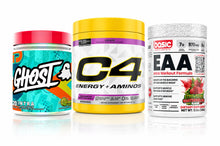
An intra-workout mix is the easy way to do it. Ghost Intra is built for exactly this, and Raw Nutrition EAA is a solid aminos option to sip during the session. Browse the full intra-workout range if you want to compare. If you are not sure whether it is worth it for your distances, our guide on whether you need an intra-workout walks through it honestly.
One rule: practise your fuelling on training runs, not on race morning.
Electrolytes to hold hydration together
Sweat is not just water. You lose sodium and other minerals, and on a hot long run that loss is what leaves you flat, foggy, or cramping. Electrolytes replace what you sweat out so you can keep going.
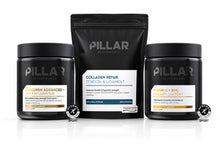
For running, a portable option is gold. Pillar Performance electrolyte hydration sticks tuck into a running belt for mid-run top-ups, and Ghost Hydration mixes up well for before and after. See the wider electrolytes range to find a flavour you will actually drink. For the why behind it, why your body needs electrolytes is a good primer, and electrolytes for cramp prevention is worth a read if cramp is your enemy.
Protein to recover between runs
Recovery is where the training actually sticks. Protein gives your legs what they need to repair after long runs and back-to-back sessions, and most runners undereat it. A shake is the simplest fix.
Ghost Whey mixes clean and tastes good, which matters when you have to drink it after a tough run. It slots straight into your day. Compare options in the whey protein collection or the broader protein range. If you want help choosing, our best whey protein in NZ roundup lays out the picks.
Magnesium for a heavy training load
High mileage plus early starts is hard on sleep and muscle. Magnesium supports normal muscle function and is an easy one to take at the end of the day. A lot of runners find it a useful part of a big block. If you still feel flat despite good sleep, read up on iron supplements for athletes.
Pillar Performance Triple Magnesium powder mixes into water before bed, or the magnesium collection has capsules if you prefer no fuss. For more detail, see magnesium for athletes. Treat it as support around good rest, not a substitute for it.
Omega-3 for the daily grind
Omega-3 is the quiet one in the stack. Running a lot puts ongoing stress through your joints and body, and omega-3 is an easy daily habit that supports you through a long training block.
Pillar Performance Ultra Omega is a clean, high-strength option, and it is Informed Sport tested, which is reassuring if you race. Have a look at the omega-3 collection for the full picture, and omega-3 for joints covers why endurance athletes reach for it.
A sample training day
| When | What | Why |
|---|---|---|
| Long run (90 min plus) | Intra-workout carbs and aminos, electrolytes | Hold pace and finish stronger |
| Straight after | Whey protein shake | Kick off recovery |
| With dinner | Omega-3 | Daily support for the load |
| Before bed | Magnesium | Muscle function and wind-down |
On short easy days, skip the intra and electrolytes and just run. Save the full stack for the sessions that earn it.
Where NZ Supps fits
We carry every piece of this stack and ship it fast anywhere in New Zealand, with free shipping over $70. If you would rather get a tailored shortlist than build it yourself, run through our Find Your Stack quiz and it will point you to the right products for your goals.
Start with the electrolytes and protein ranges, add magnesium and omega-3 for the training block, and keep an intra-workout on hand for the long ones.
FAQ
What supplements do I actually need for marathon training? For most runners the core is carbs and electrolytes during long runs, protein for recovery, and magnesium and omega-3 to support a heavy training load. You do not need a cupboard full of products. Nail food and sleep first, then use these to fill the gaps.
Should I take electrolytes on every run? Not every run. Short easy runs are usually fine on water. Save the electrolytes for long runs, hot days, and any session where you sweat heavily or cramp. That is where the extra sodium earns its place.
When should I take protein around running? A shake or a high-protein snack within an hour or two of finishing a long or hard run is a simple habit that helps recovery. Spreading protein across your meals during the day matters just as much as the post-run serve.
Do I need carbs during a run or just water? On runs under about an hour, water is usually enough. Once you are out past 75 to 90 minutes, sipping carbs and electrolytes helps you hold pace and finish stronger. Practise your race-day fuelling on long training runs, never for the first time on race morning.
Is magnesium worth it for runners? Plenty of runners find magnesium a useful addition, especially with high mileage and broken sleep. It supports normal muscle function and is easy to take at night. Treat it as support around good food and rest, not a fix for overtraining.